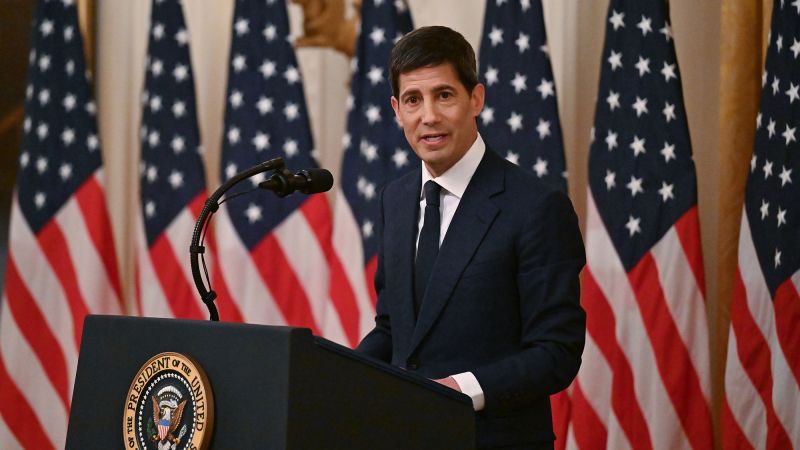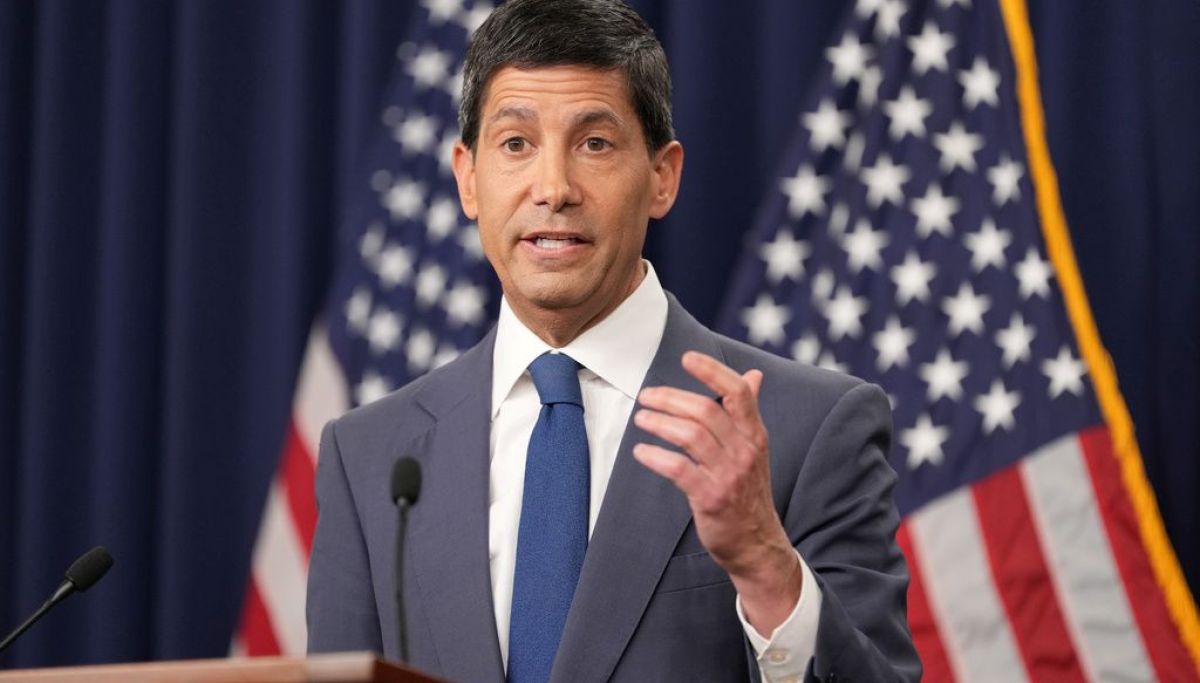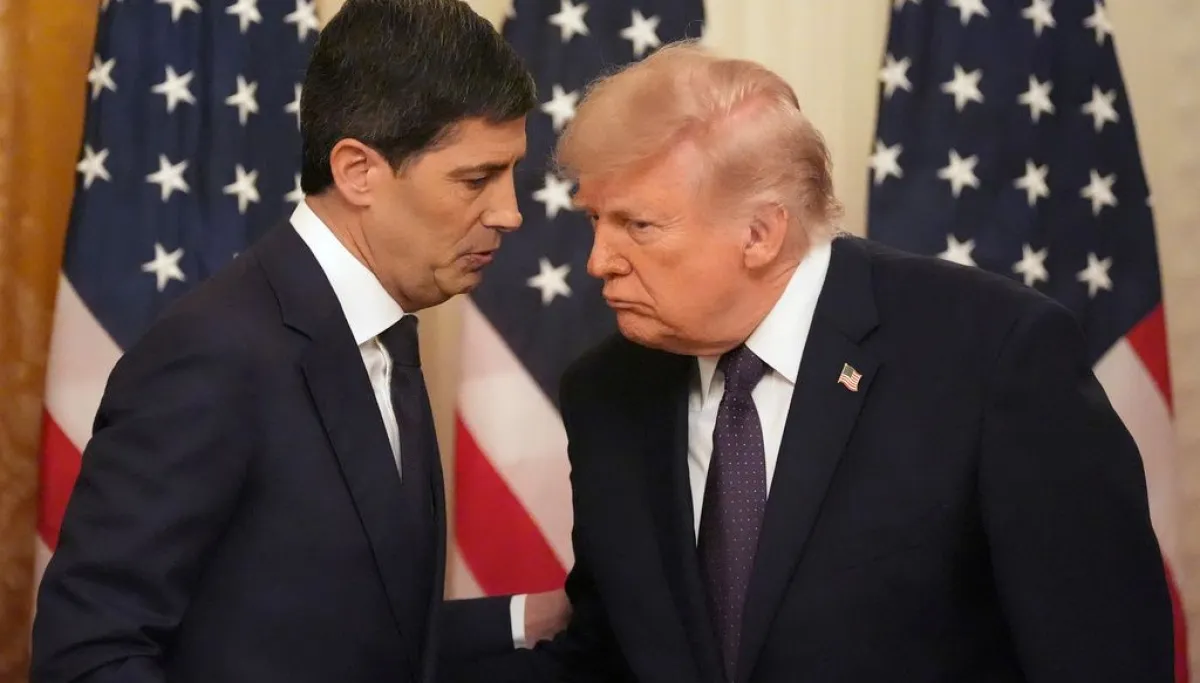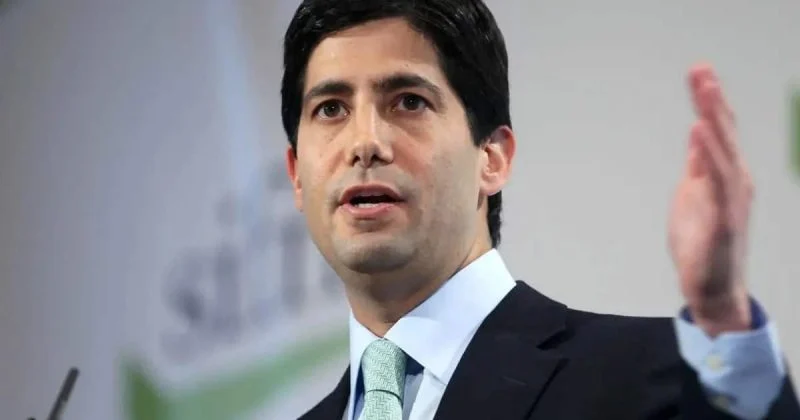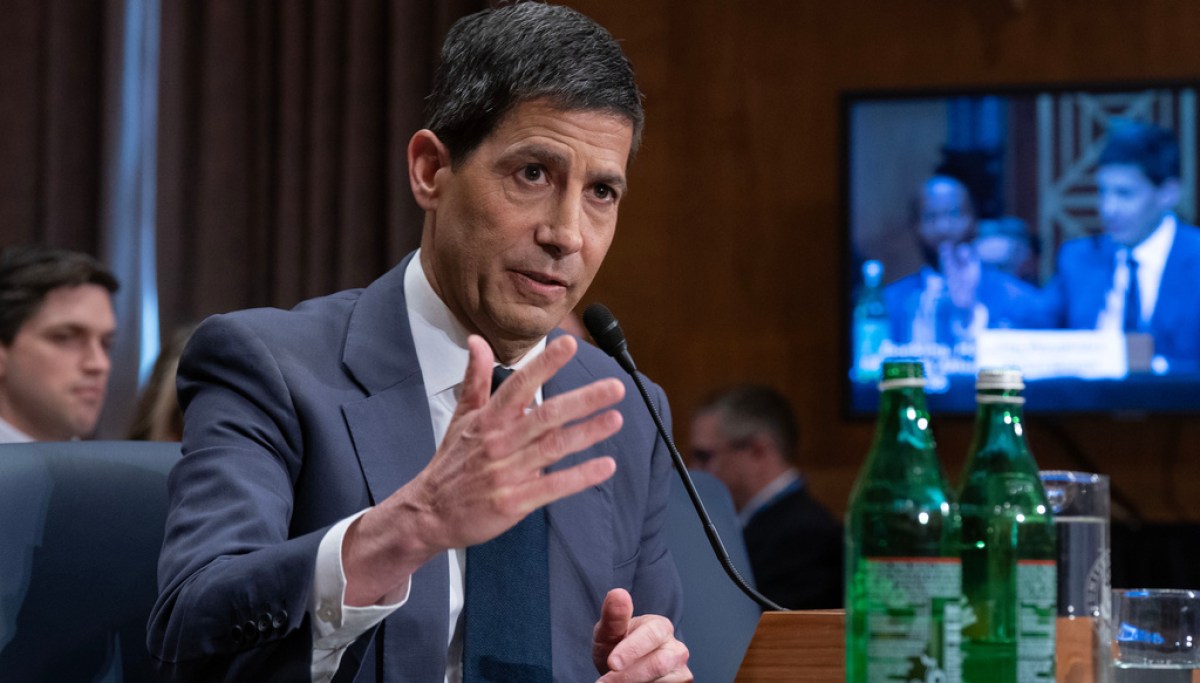
The Fed last cut rates in 2025 and, given the recent uptick in inflation, appears unlikely to revise them down again this year. And while inflation has been trending up, the labor market appears quite stable. That means that new Fed Chairman Kevin Warsh and the Fed board can focus more on curbing inflation than on worrying about unemployment rising.
“Their primary concern is no longer the health of the job market,” Mark Hamrick, a senior economic analyst at Bankrate, told the Washington Examiner.
The latest news that the labor market is remaining resilient came this week in the form of the Bureau of Labor Statistics’ Job Openings and Labor Turnover Survey.
The April JOLTS report showed that job openings increased from 6.9 million in March to 7.6 million in April — the highest level since May 2024. The reading was much higher than anticipated. Most economists were expecting job openings to remain static, not rise by 731,000.
“This report tells us that openings remain ample in a time of full employment,” Carl Weinberg, chief economist for High Frequency Economics, wrote in a note on the report. “That suggests that labor availability is throttling employment.”