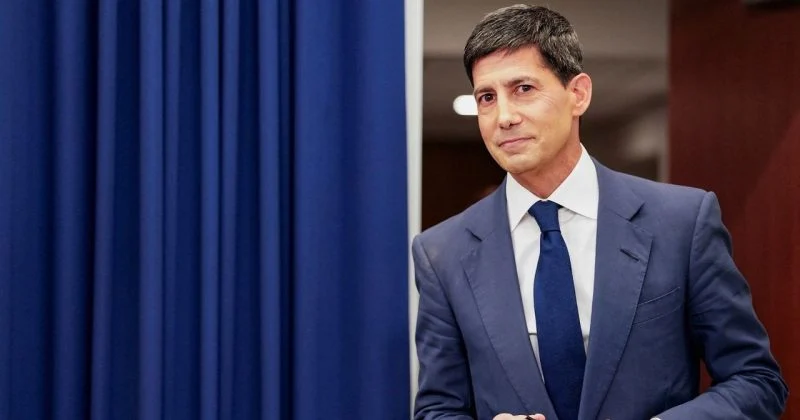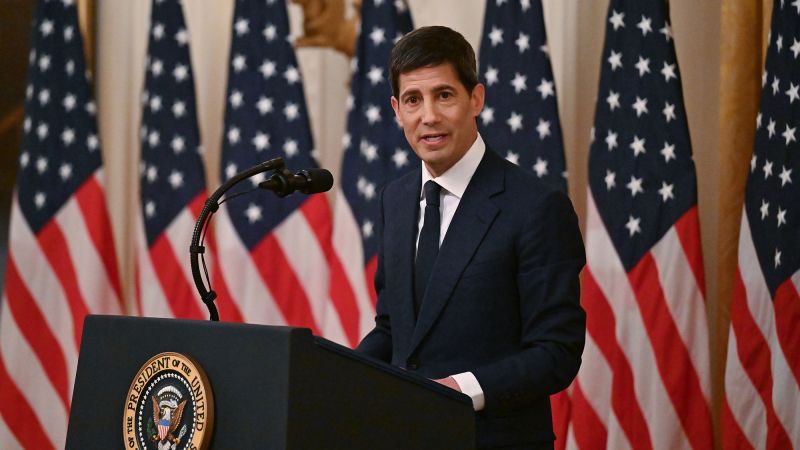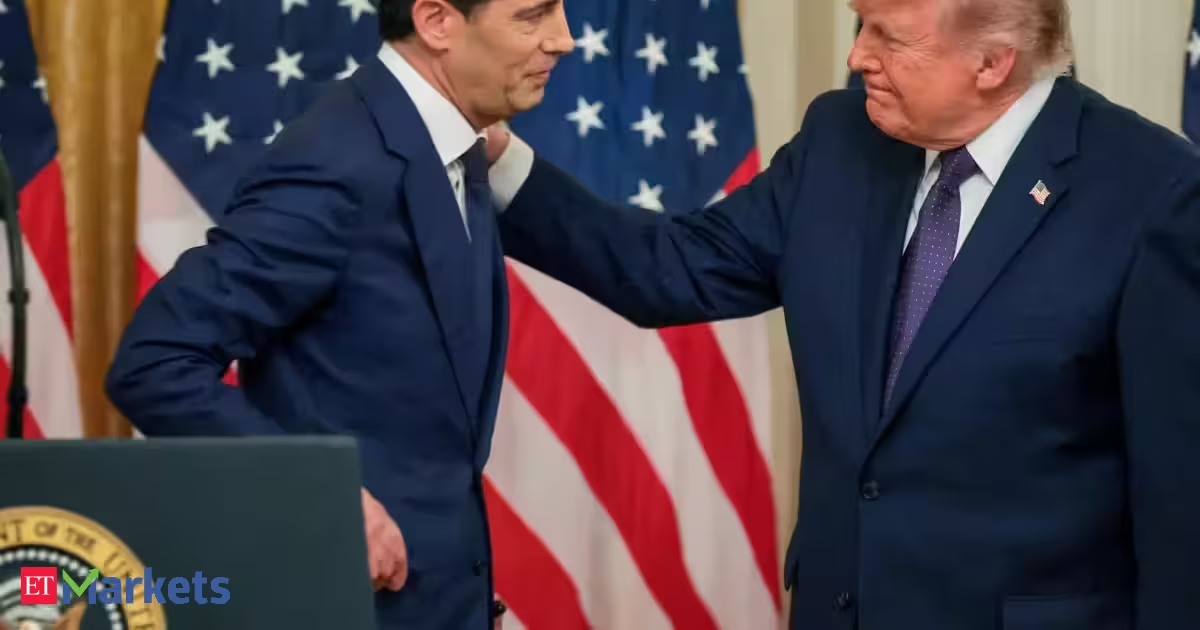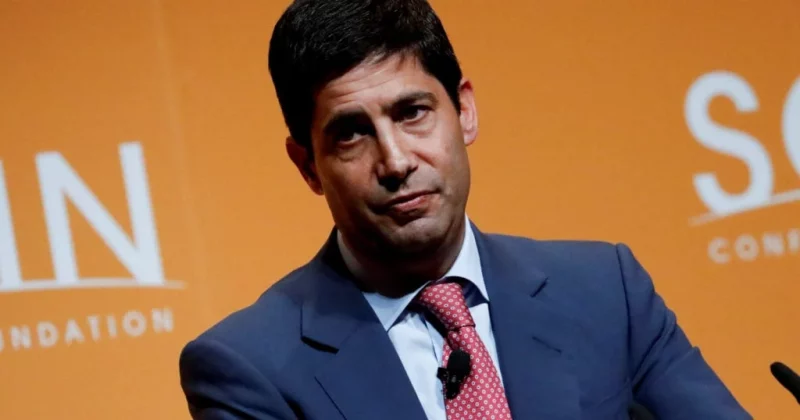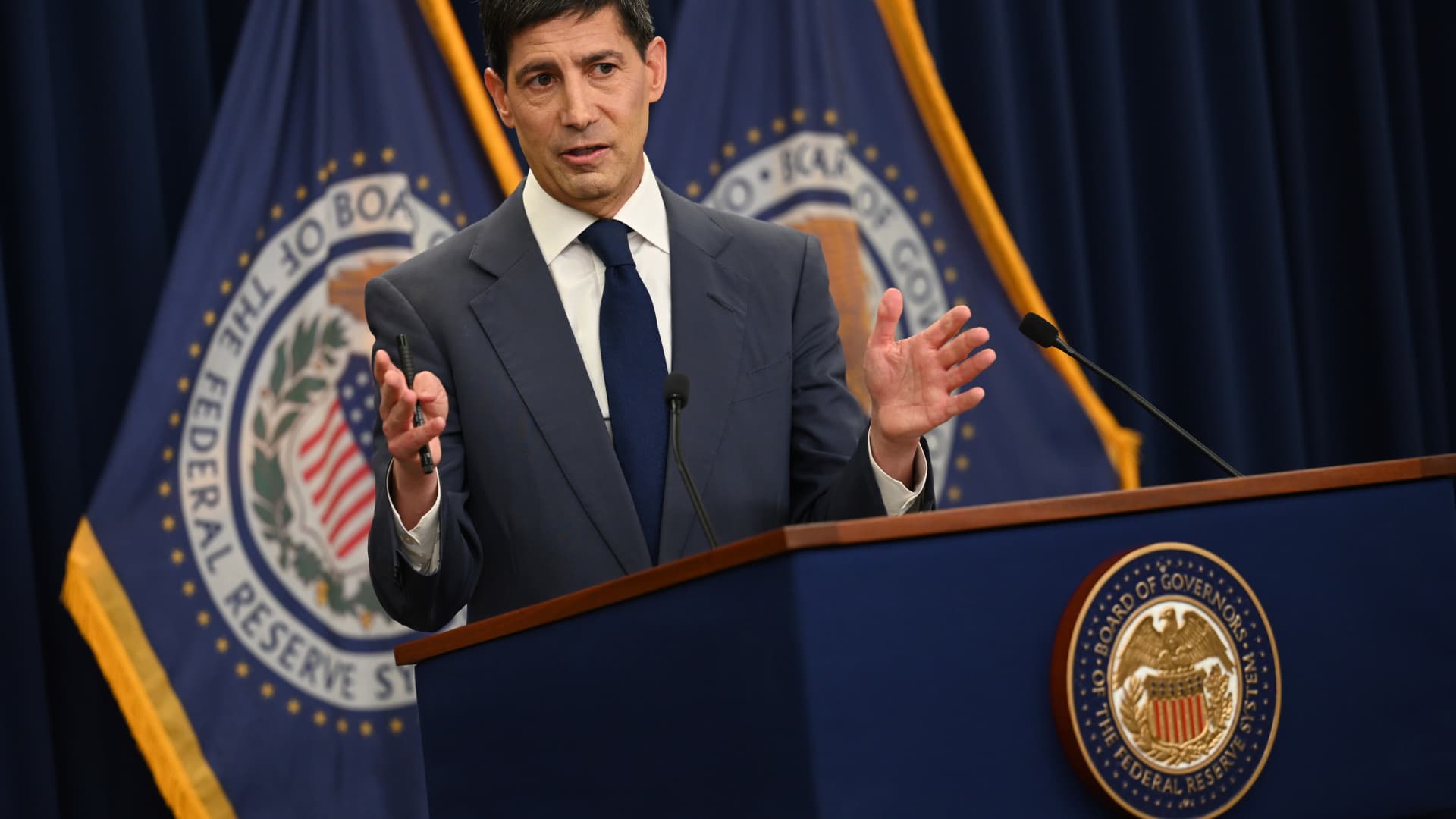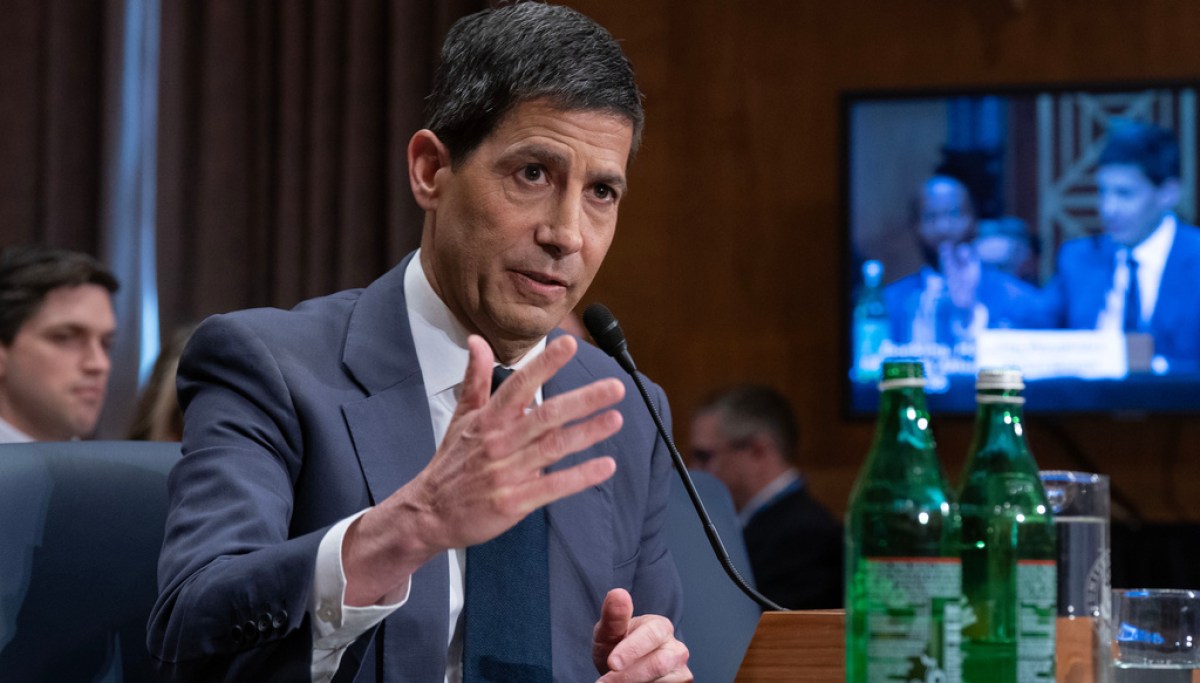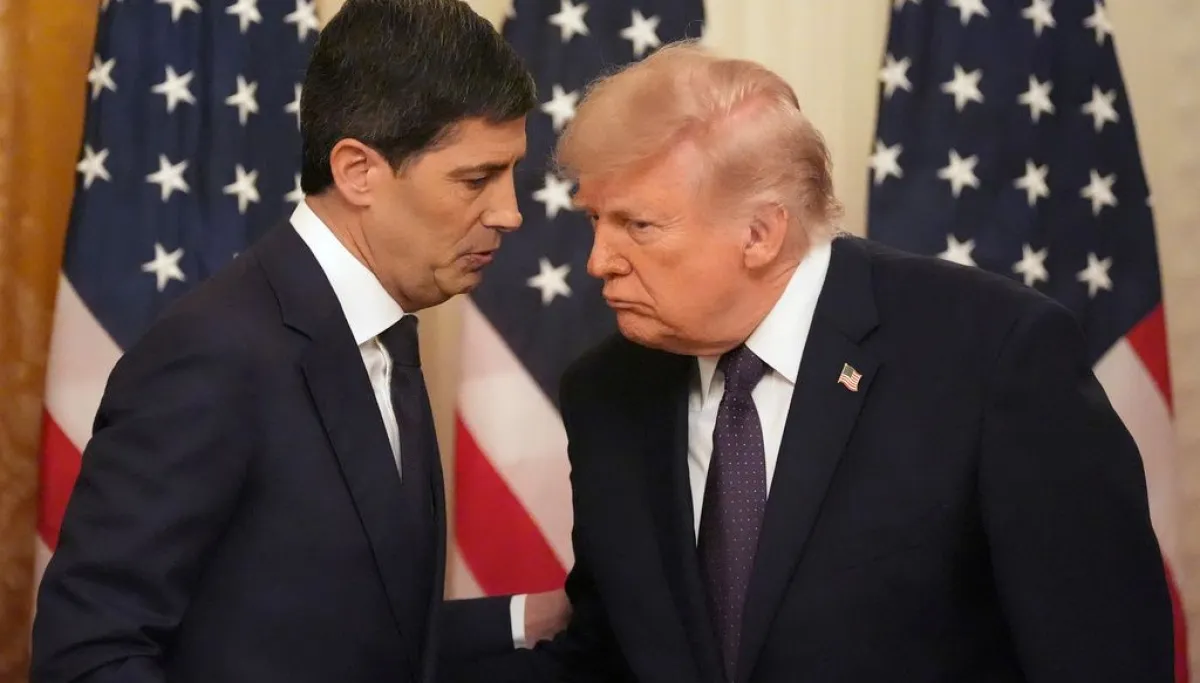
Warsh, 56, assumed the chairmanship at a difficult moment for the central bank. Inflation is still far too high, but the labor market is strong. The combination has made it increasingly likely that the Fed will raise rates, even though Trump made it clear he wanted a change in leadership at the central bank in order to get a rate cut.
“Warsh has already been indicating that consumers would not be happy if inflation remains elevated, and so he very much, I think, at this point is disassociating himself as much as he can from the political winds,” Mark Hamrick, chief economic analyst for the Hamrick Brief, told the Washington Examiner.The war with Iran and subsequent increase in global energy prices have been largely responsible for the most recent wave of inflation. Inflation is more than double — above 4% — the Fed’s target.
Despite a drop in oil prices over the past month, investors now think a rate hike before the midterm elections is more likely than not.As of Tuesday, the implied odds of a rate increase by the elections were over 71%, according to CME Group’s FedWatch tool, which calculates the probability of rate changes using futures contract prices for rates in the short-term market targeted by the Fed.There are just 28% odds that the Fed’s rate target will be the same as now in November, and essentially a zero percent chance that the Fed will conduct the interest rate cut Trump has long pushed for.Thomas Hoenig, a senior fellow at the Mercatus Center and former president of the Federal Reserve Bank of Kansas City, told the Washington Examiner that he expects the Fed will be looking closely to see whether declines in energy prices are starting to lower inflation. He also said that “core” inflation will be key — an inflation metric that strips out more volatile food and energy prices.The inflation reports in the coming weeks will be the last the Fed gets before it makes its decision later this month on what to do with interest rates.Hoenig said if inflation continues to remain elevated, the conversation among the Fed’s monetary policy committee members could be about whether they want to raise rates sooner in order to prevent a rate hike just before the midterm elections.“So, would you move now, and then hold until after the election,” Hoenig said.One factor boosting the odds that the Fed increases interest rates in the next few months is that the labor market has remained resilient.The economy has kept adding jobs for months now, with several job reports coming in much higher than economists had anticipated. The most recent one, for June, was not as strong as hoped, but was still positive. The economy added 57,000 jobs last month.Despite that, the unemployment rate fell one-tenth of a percentage point to 4.2%, the Bureau of Labor Statistics reported last week. That is low by historical standards.Hamrick said the labor market “gives Federal Reserve officials the ability to focus on the inflation or stable prices part of the mandate.”The Fed has what is referred to as a dual mandate: price stability and maximum employment. The major tool it has to halt inflation is to raise interest rates. In general, Fed officials hope higher rates will lead to less borrowing and spending, thereby lowering inflationary pressures.The problem is that when the Fed keeps rates high or raises rates, it risks hurting the job market, which is why the labor market’s relative strength right now is such an asset for Warsh and the central bank.“I think that Kevin Warsh is very much associating himself with a mindset that says inflation has been intolerably high,” Hamrick added.Trump repeatedly excoriated Warsh’s predecessor Jerome Powell, who he nominated during his first term, for not lowering interest rates. And for now, he has seemed to lay off criticizing Warsh for holding rates steady during his first meeting as chairman last month.Trump shifted his tone on the Fed and interest rates during an interview with the Washington Examiner before Warsh entered office.“I’m going to let him do what he wants to do,” Trump said in response to a question about Warsh and market expectations for a rate hike. “He’s a very talented guy, he’s going to be fine, he’s going to do a good job.”During Warsh’s swearing-in ceremony, Trump further vowed to let Warsh handle the Fed free of White House influence.“I really mean this, I want Kevin to be totally independent,” Trump said. “Don’t look at me, don’t look at anybody, just do your own thing and do a great job, OK.”But how long that will hold up is anyone’s guess.“Obviously, interest rates going up are bad news to the incumbent party, in this case, the incumbents are the Republicans,” Peter Loge, director of the George Washington University School of Media and Public Affairs, told the Washington Examiner.CONGRESS PASSES LANDMARK HOUSING AFFORDABILITY BILL, SENDING IT TO TRUMP BEFORE MIDTERM ELECTIONSLoge said he thinks the honeymoon period with Warsh would end if the Fed starts raising interest rates leading up to the election.“Donald Trump tends to lash out when he gets news he doesn’t like, interest rates going up would be news he doesn’t like, so I expect that he will lash out,” he added.