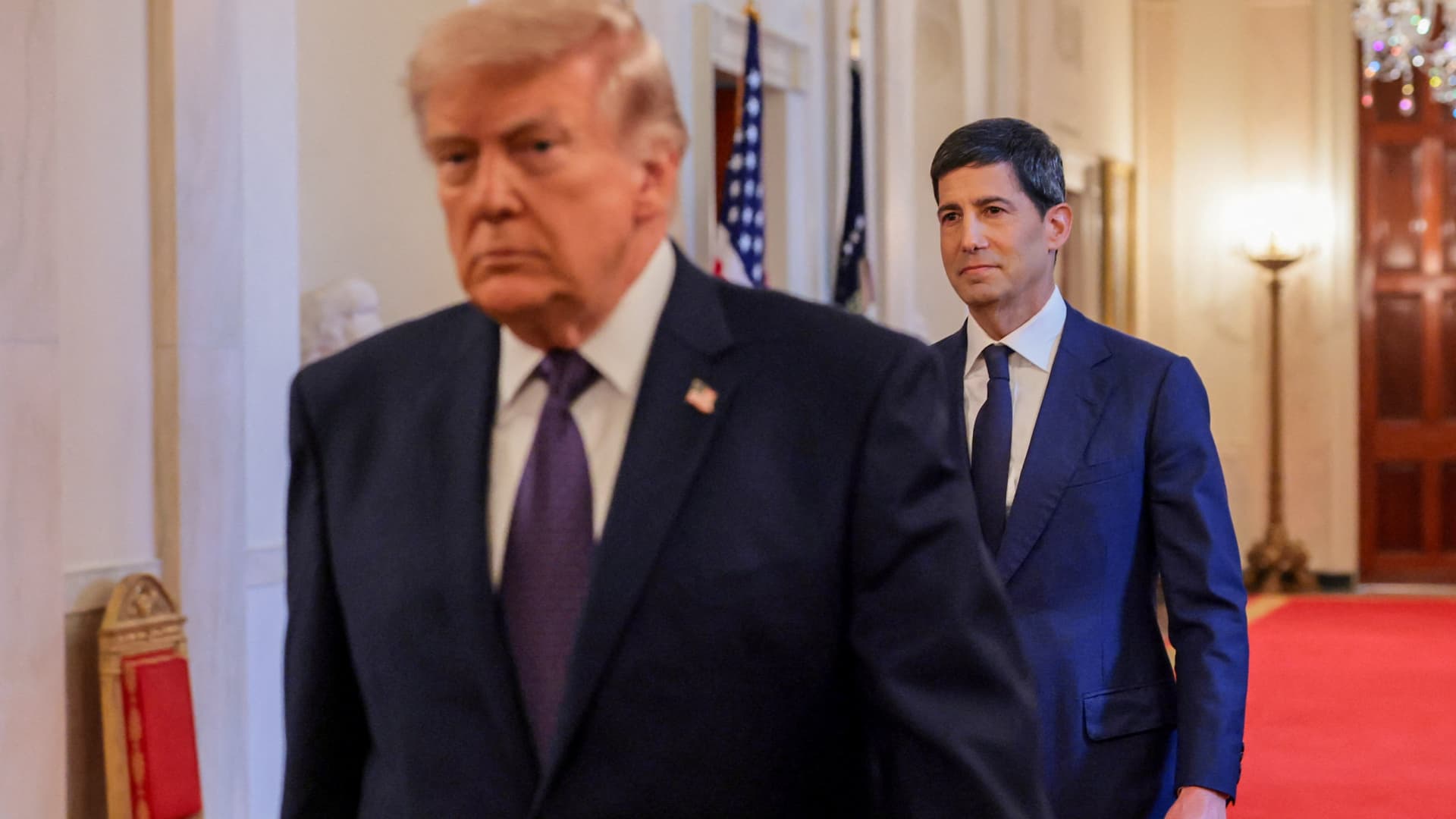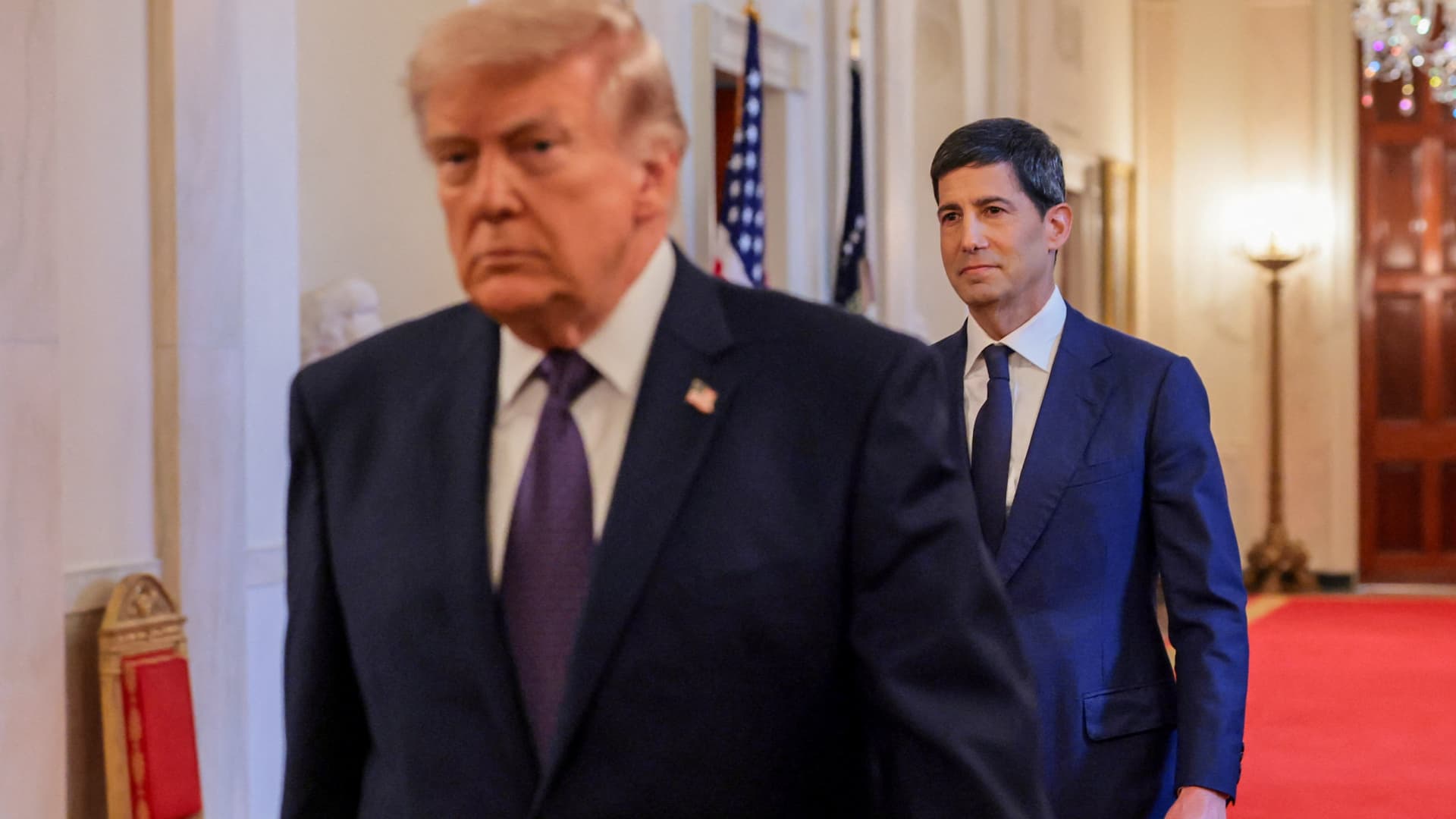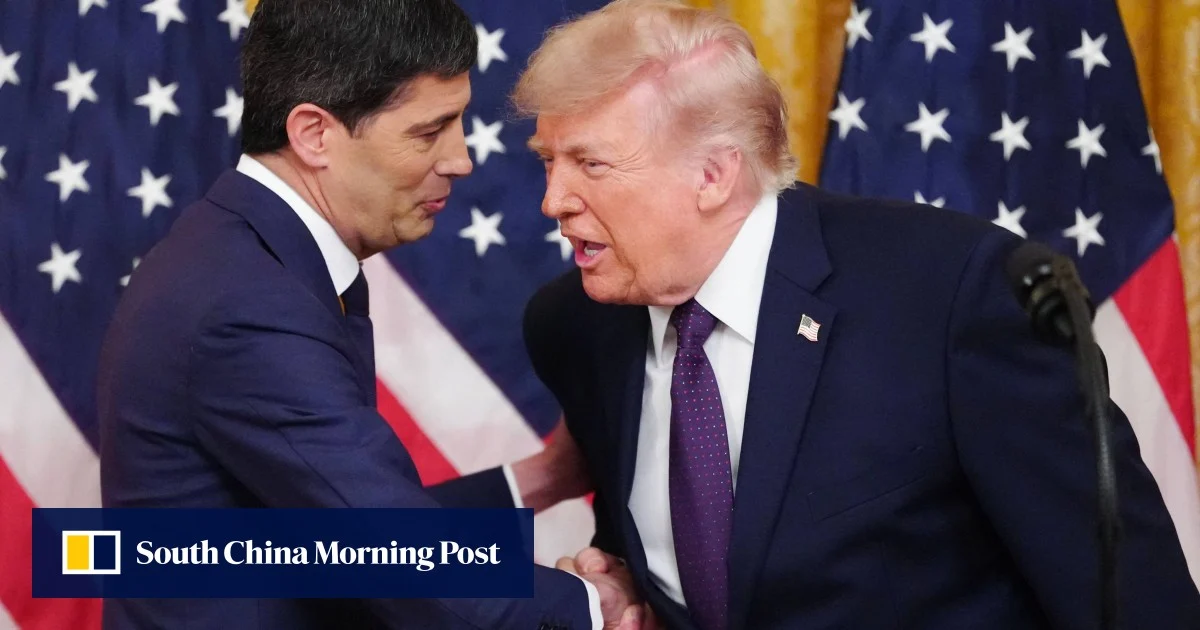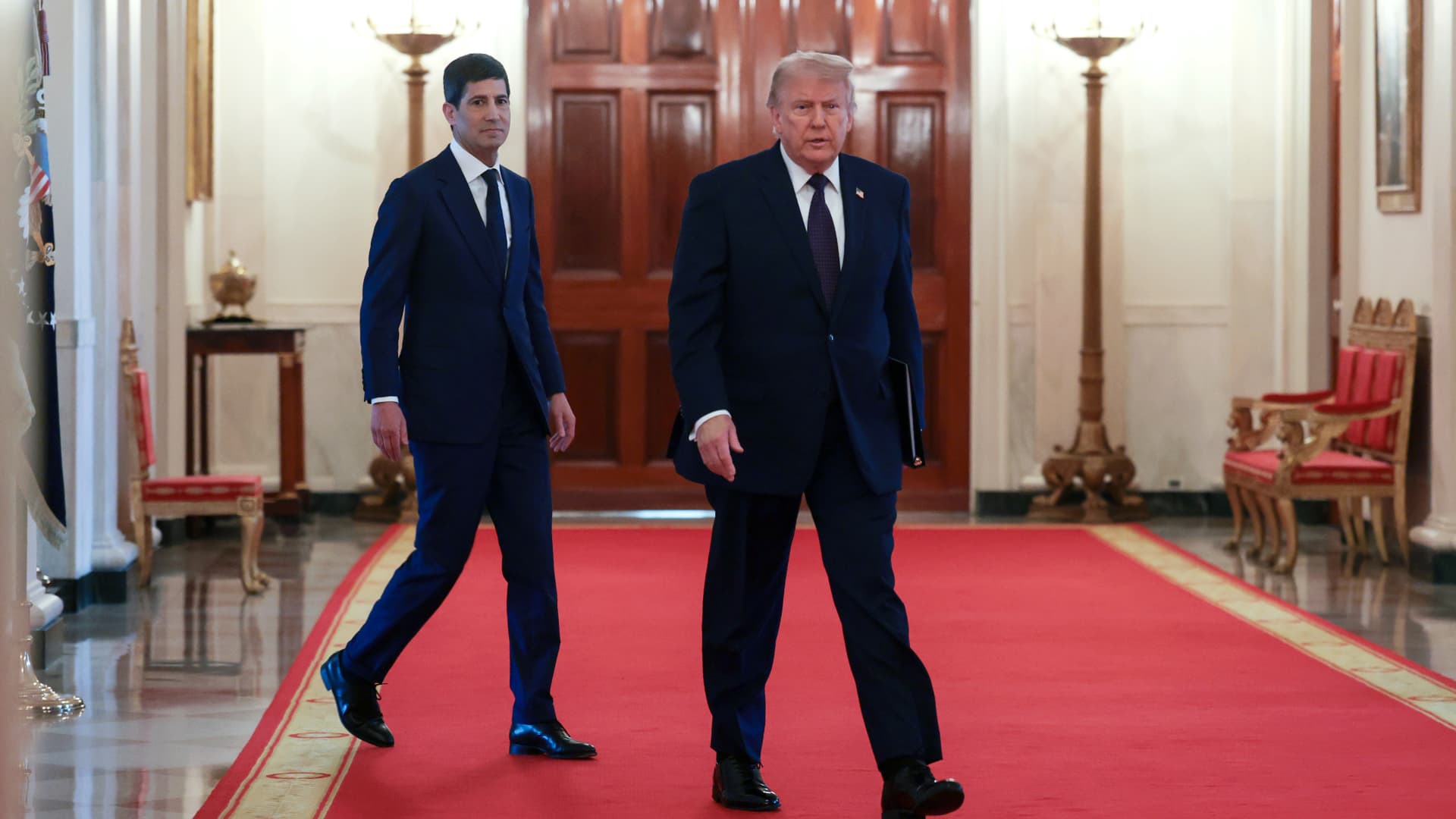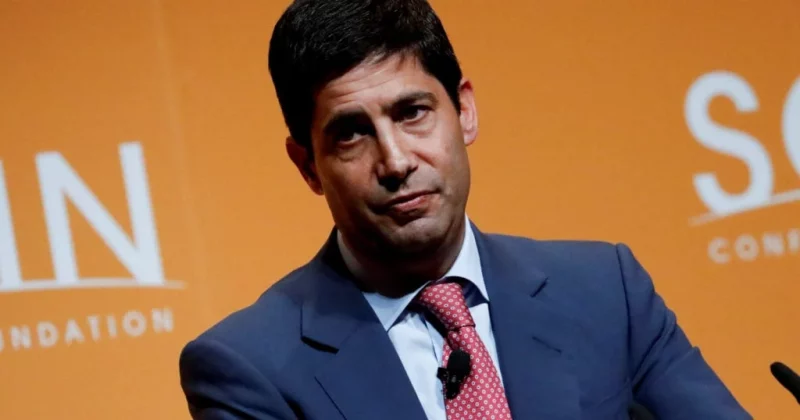
When President Trump nominated Kevin Warsh to lead the Federal Reserve in late January 2026, the playbook seemed obvious: install a friendly face, push for lower interest rates, weaken the dollar, and let cheaper borrowing fuel the economy. Four months later, that script has been quietly rewritten.
Trump’s messaging shifted noticeably in May 2026, with the president indicating he would let Warsh act independently on interest rate decisions.
From rate cuts to rate holds
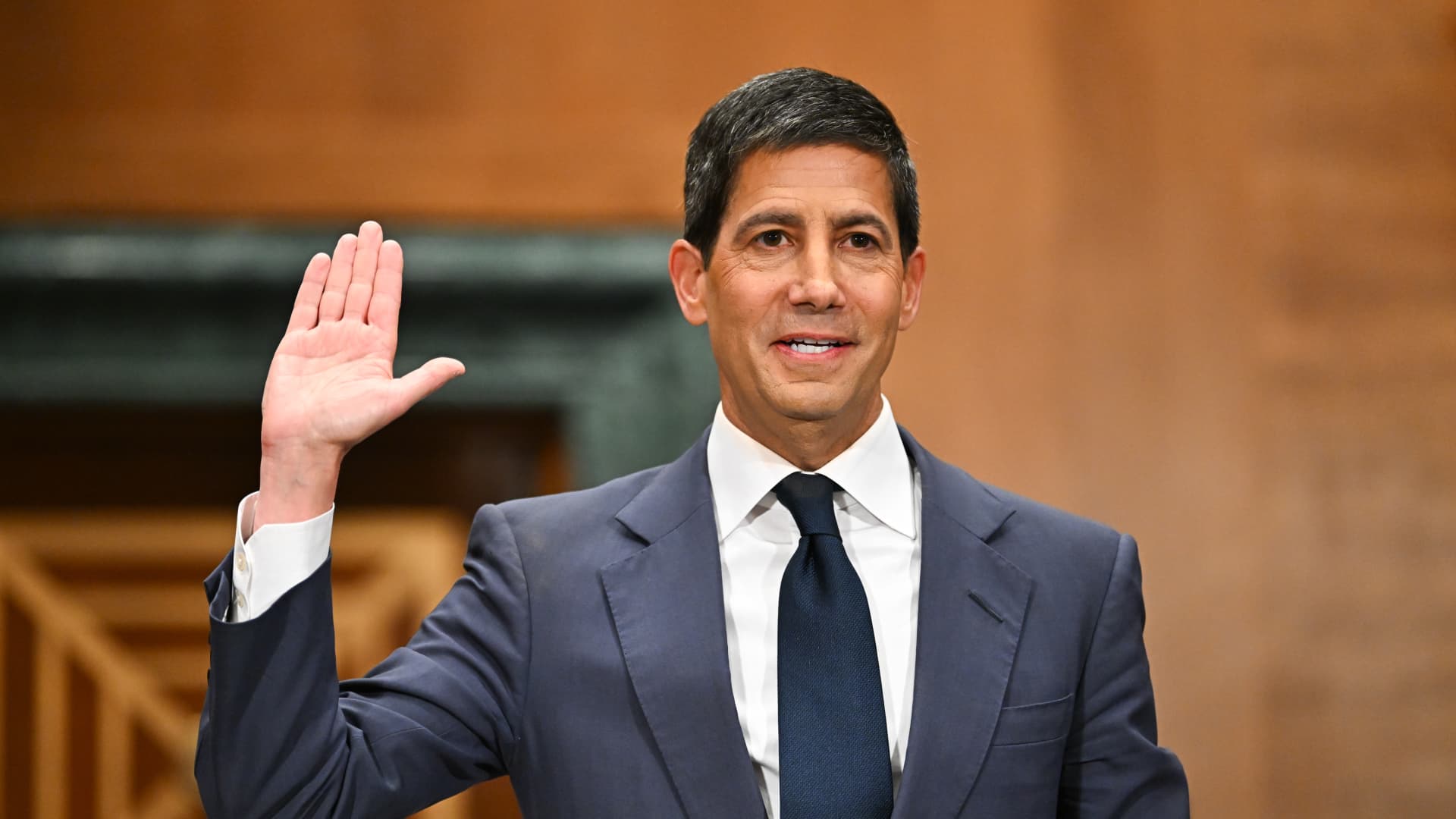
Warsh was sworn in as Fed Chair on May 22, 2026, after clearing Senate confirmation. His appointment was originally read by markets as a signal that cheaper money was coming. Trump wanted lower borrowing costs. Warsh, despite a reputation as an inflation hawk from his earlier stint as a Fed governor, had more recently warmed to the idea of lower rates, partly influenced by anticipated productivity gains from AI developments.
Rising inflation pressures, driven by geopolitical tensions and broader market shifts, have changed the calculus. Markets are now pricing in higher odds of rate holds or even hikes heading into 2026 and 2027. That’s a significant pivot from the rate-cutting trajectory that investors initially expected when Warsh’s name first surfaced.