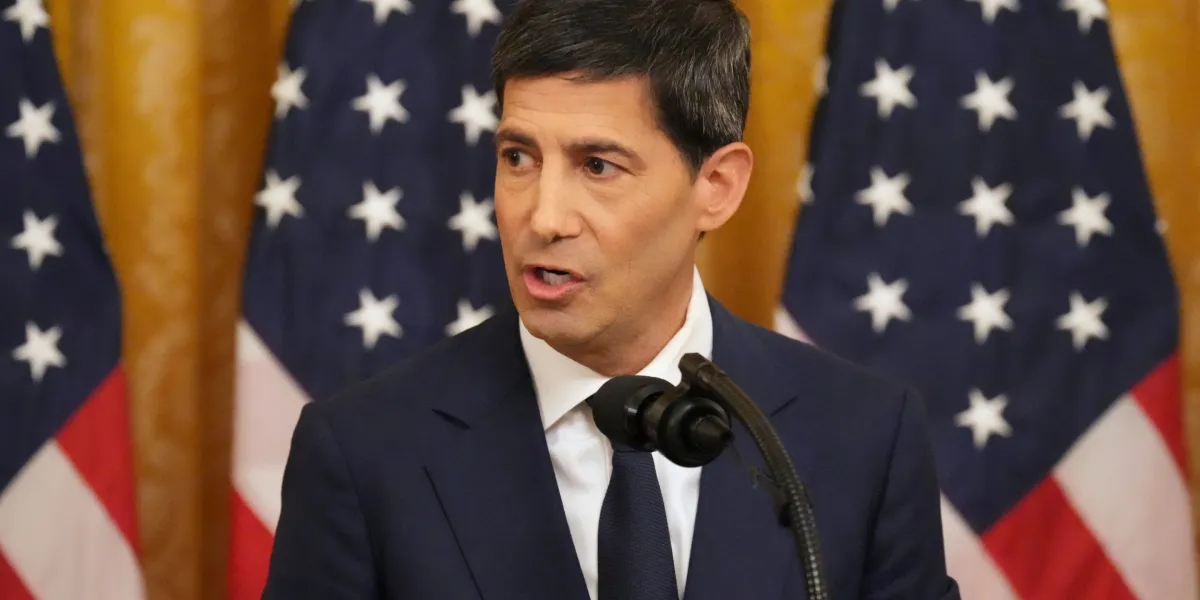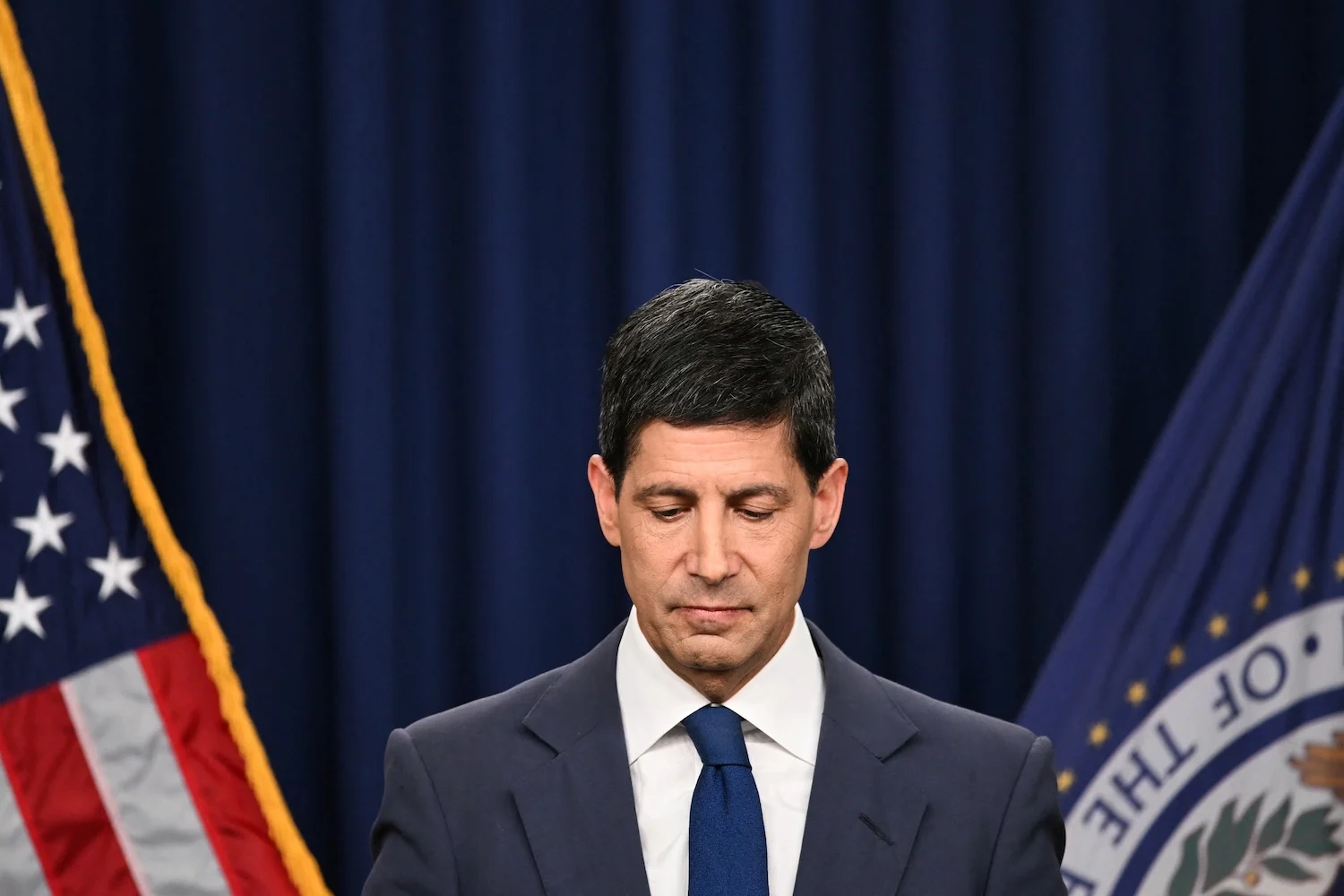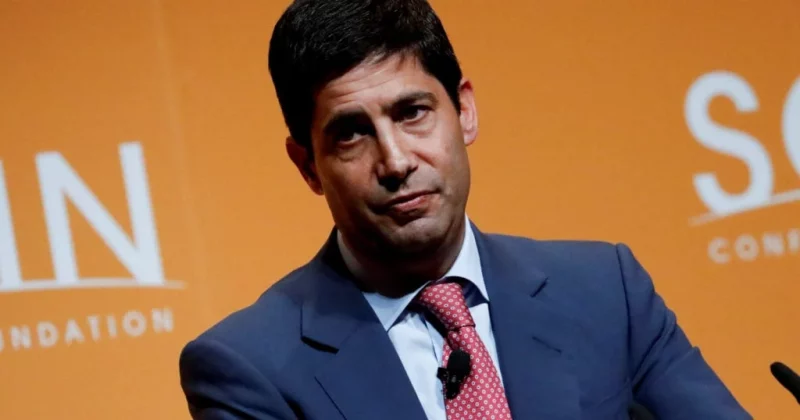
It’s been a constant question: will new Fed Chair Kevin Warsh act more like his true, hawkish self, or will he cater to President Donald Trump’s views that a rate cut is what the country needs right now? He’s been hawkish in the past—quitting in 2011 as a Fed governor over the its bond buying—just as he’s taken on a more dovish view on AI and the possible economic sustainability of lower rates.
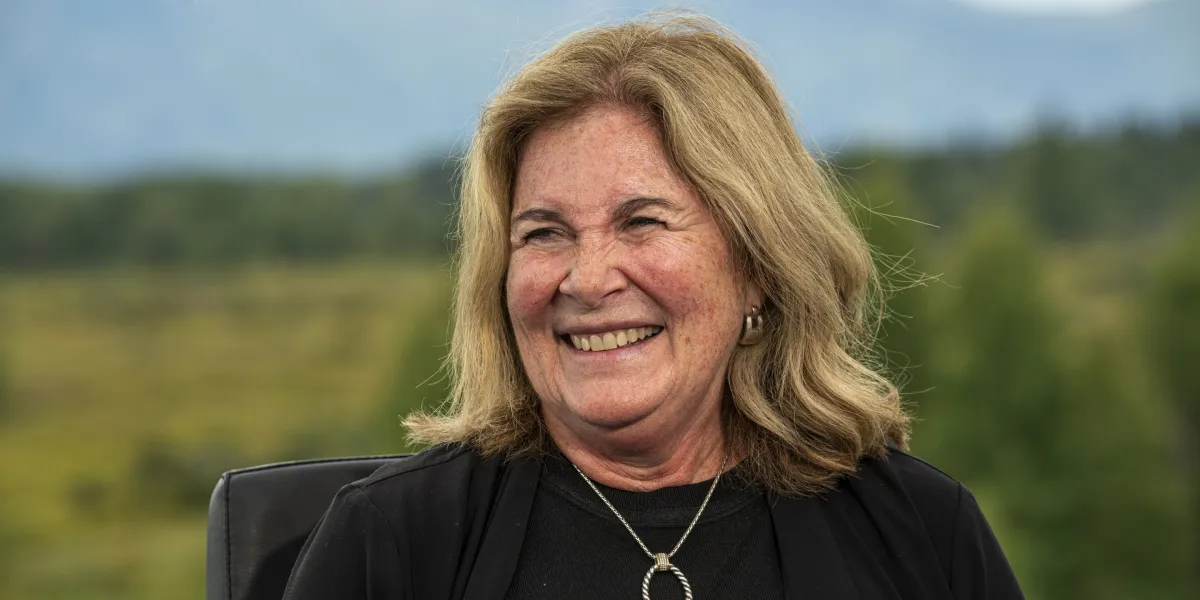
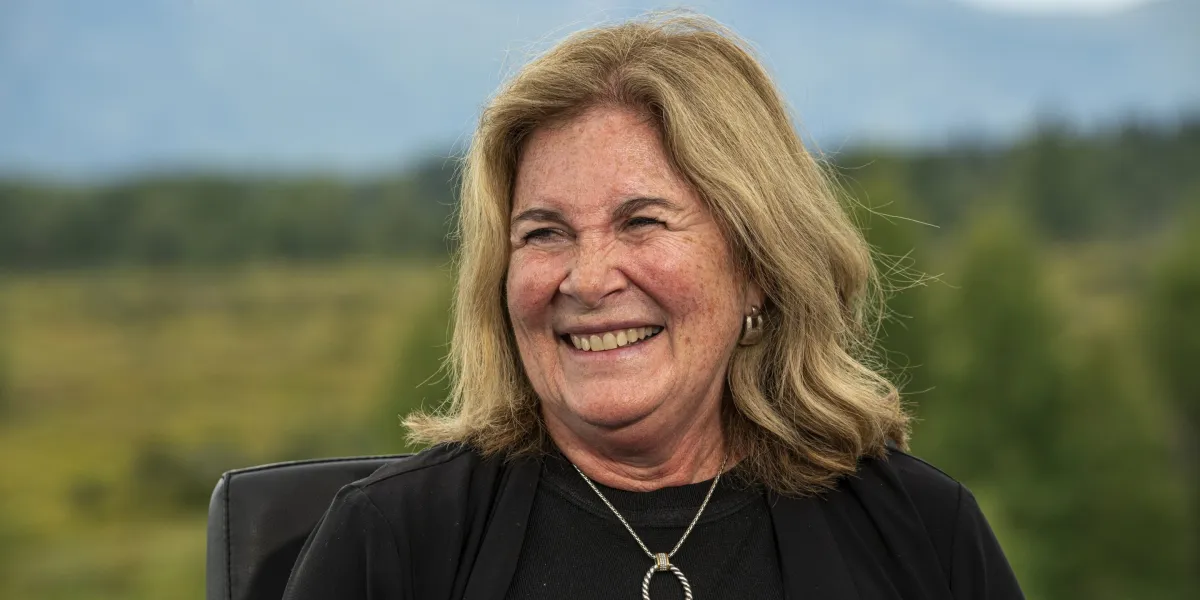
For Esther George, the former Kansas City Fed president and one of the most reliably hawkish voices to ever sit on the rate-setting Federal Open Market Committee, Americans making long-horizon financial decisions should stop expecting relief from borrowing costs, and instead, start preparing for them to rise.
“If I were someone planning with that kind of horizon, I’d plan for higher rates coming ahead,” George told Fortune.
Confirmed by the Senate by a 54-45 vote in May, Warsh takes over from Jerome Powell at a difficult moment for monetary policy. His first FOMC meeting concluded June 17 with a unanimous vote to hold the benchmark federal funds rate steady at 3.5% to 3.75%, as the consumer price index for May showed a 4.2% annual inflation rate (prices have held above the Fed’s 2% target for more than five years already.)