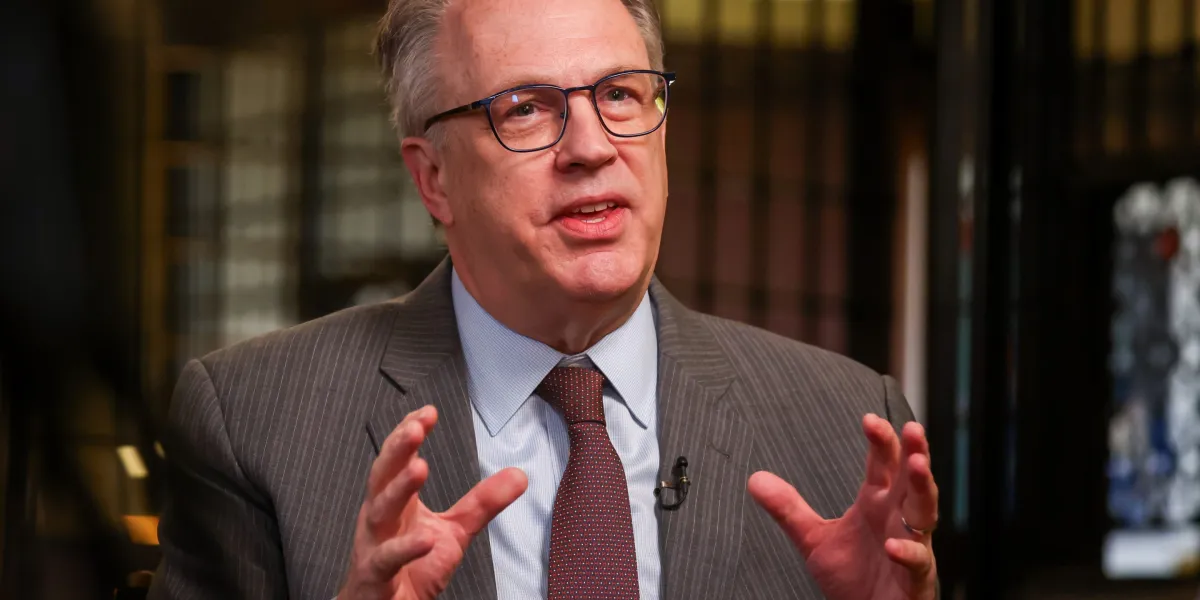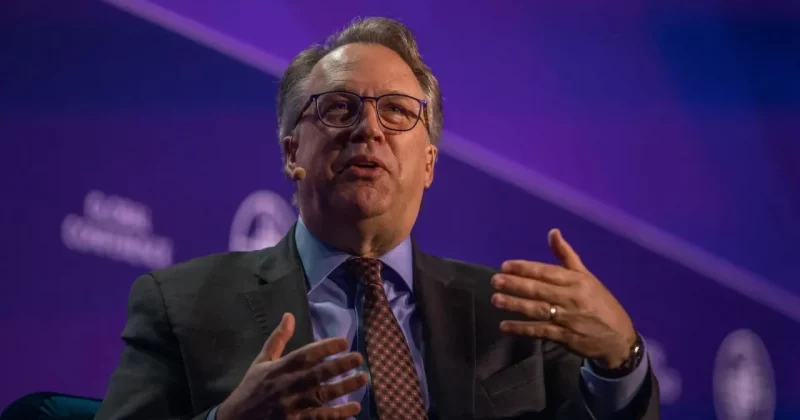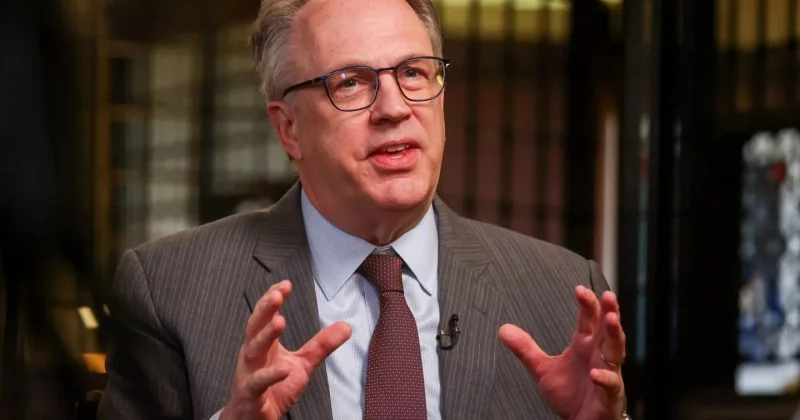
John C. Williams, President of the Federal Reserve Bank of New York, is saying the quiet part out loud again: the Fed isn’t entirely sure where interest rates are supposed to land over the long haul. His latest comments highlight persistent uncertainty around the so-called neutral rate, the theoretical interest rate that neither stimulates nor restricts the economy.
What the neutral rate actually is and why it’s so slippery
Williams literally co-developed one of the most widely used models for estimating this rate. The Holston-Laubach-Williams model, or HLW for short, currently pegs the US real neutral rate at roughly 1.1% to 1.5%. In nominal terms, the New York Fed’s estimates land around 3.7%, but those figures come with confidence intervals wide enough to drive a truck through.
Historical context makes this even more interesting. Estimates of the neutral rate have fallen several percentage points since the 1970s and 1980s. And Williams himself noted in 2025 that there is “no evidence that the era of very low natural rates of interest has ended.”
Alternative models surveyed by central banks show interquartile ranges for the US neutral rate between 0.42 and 0.75 percentage points.