John C. Williams, president of the Federal Reserve Bank of New York, just said the quiet part out loud: the Fed doesn’t really know how small its balance sheet can get. For a central bank that spent the last few years methodically unwinding trillions in bond holdings, that’s a remarkably candid admission.
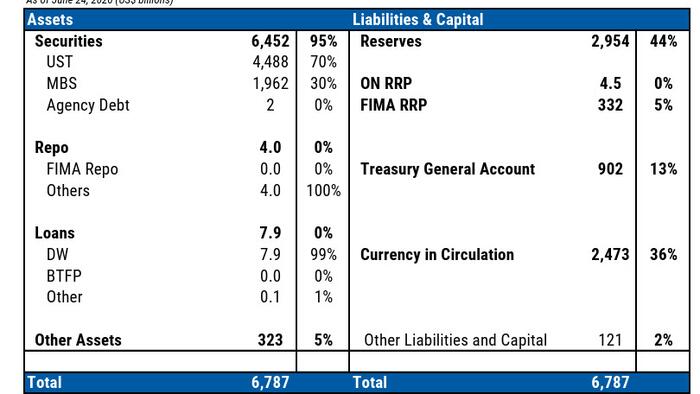
The comment lands at a pivotal moment. The Fed’s quantitative tightening campaign, which began in June 2022 and ran through December 2025, pulled roughly $2.4 trillion off the balance sheet, bringing it down from a pandemic-era peak of approximately $9 trillion to about $6.5 trillion. That’s still around 21-22% of US GDP, well above pre-2008 levels but a meaningful retreat from the extraordinary levels reached during COVID-era stimulus.
The ‘ample reserves’ guessing game
The Fed operates under what it calls an “ample reserves” framework, essentially a commitment to keep enough cash sloshing around the banking system that overnight lending markets function smoothly. The tricky part is figuring out where “ample” ends and “not enough” begins.
Williams has described reserves as currently sitting “somewhat above ample.” He characterized banks’ demand for reserves as “inherently nonlinear and subject to uncertainty.” The relationship between reserve levels and market stress isn’t a smooth downward slope.