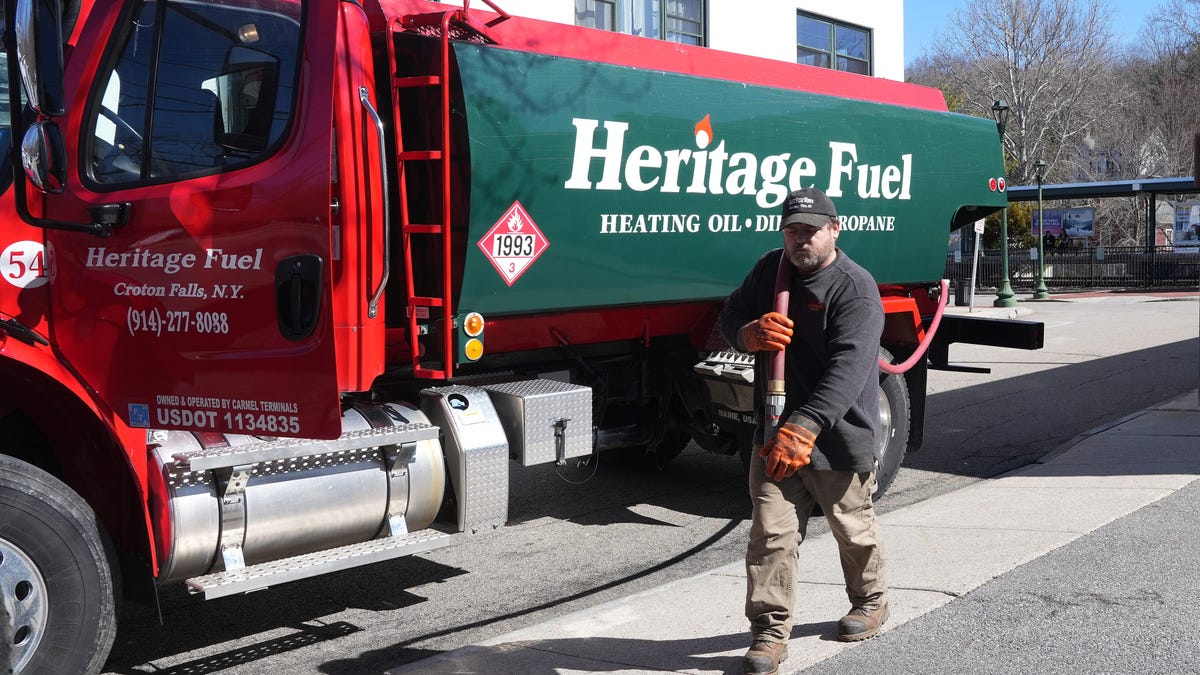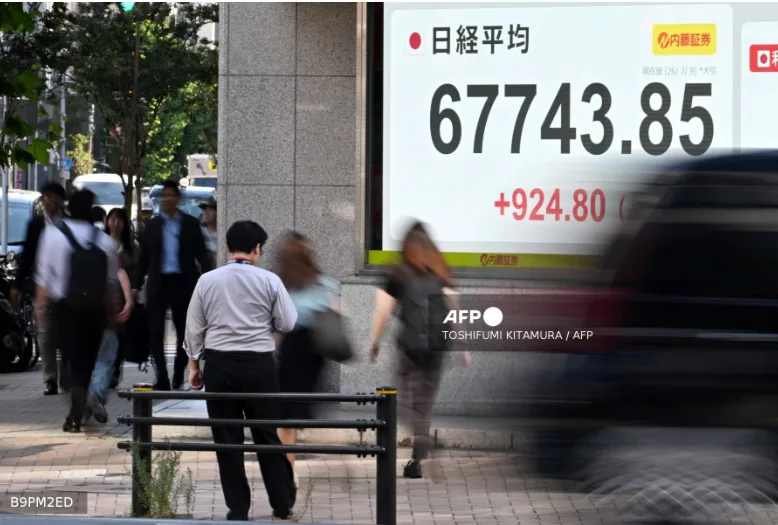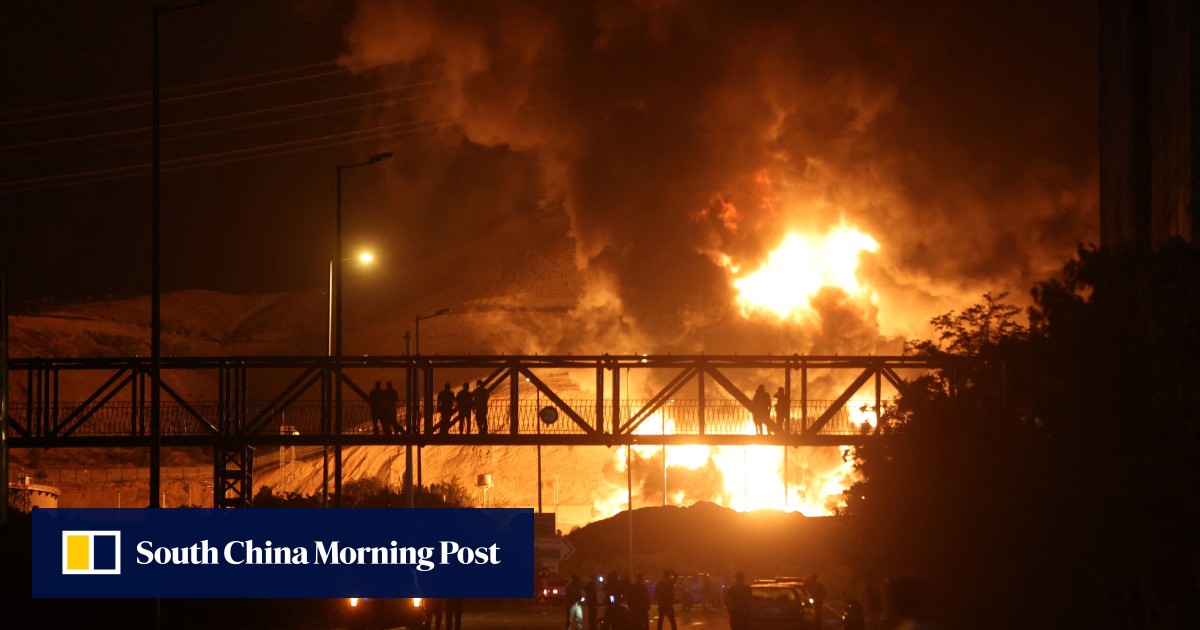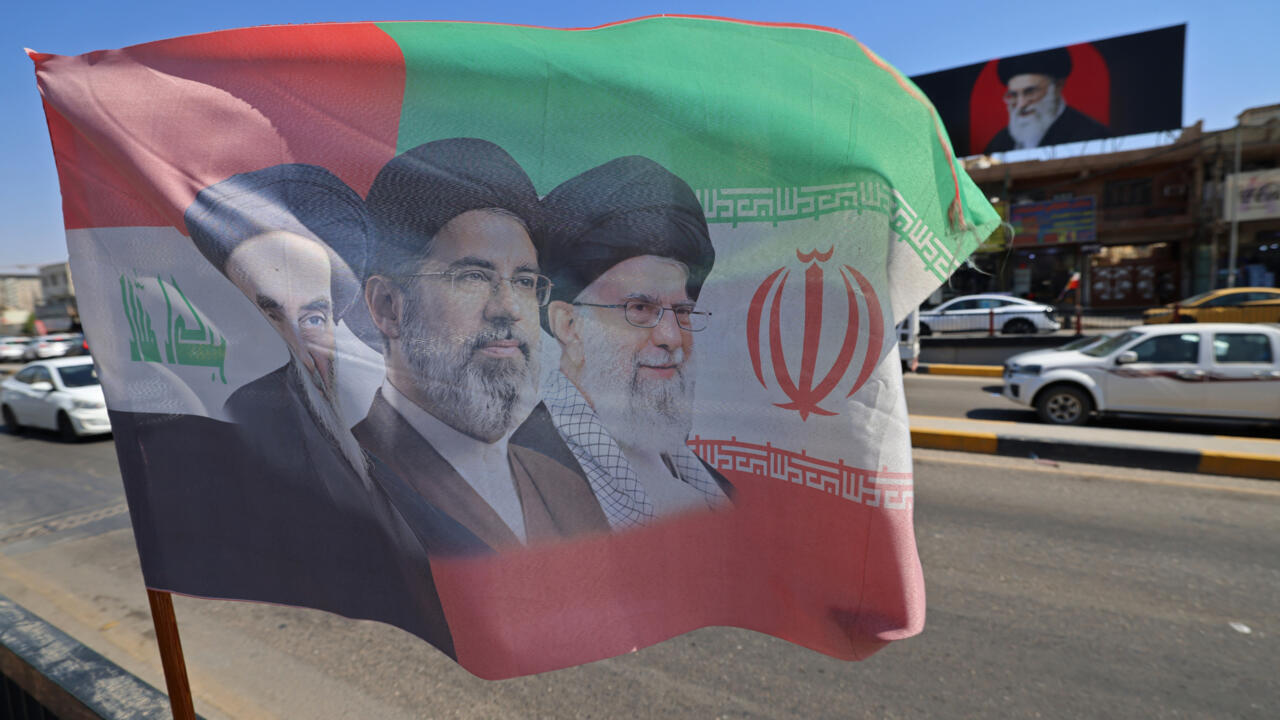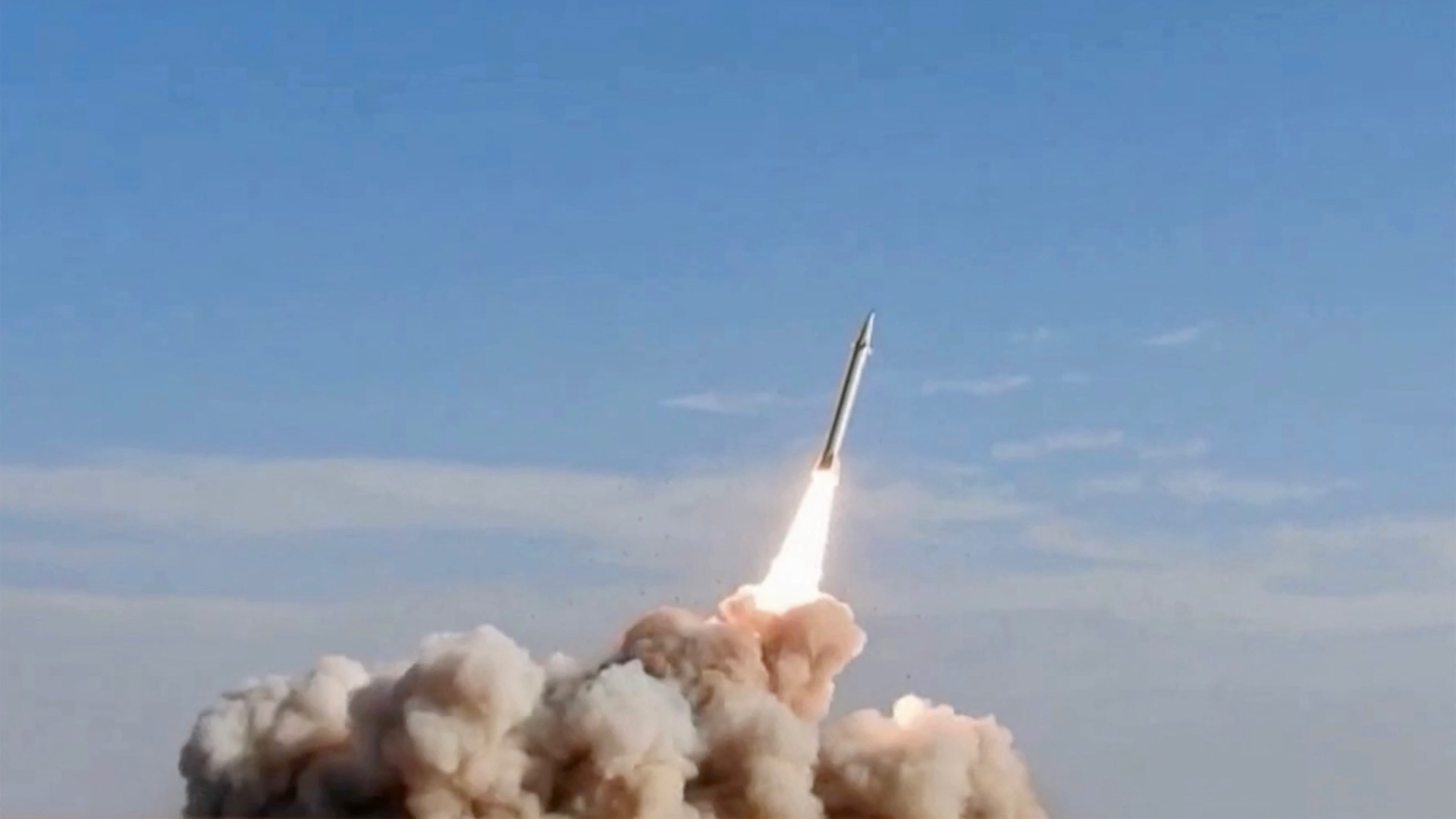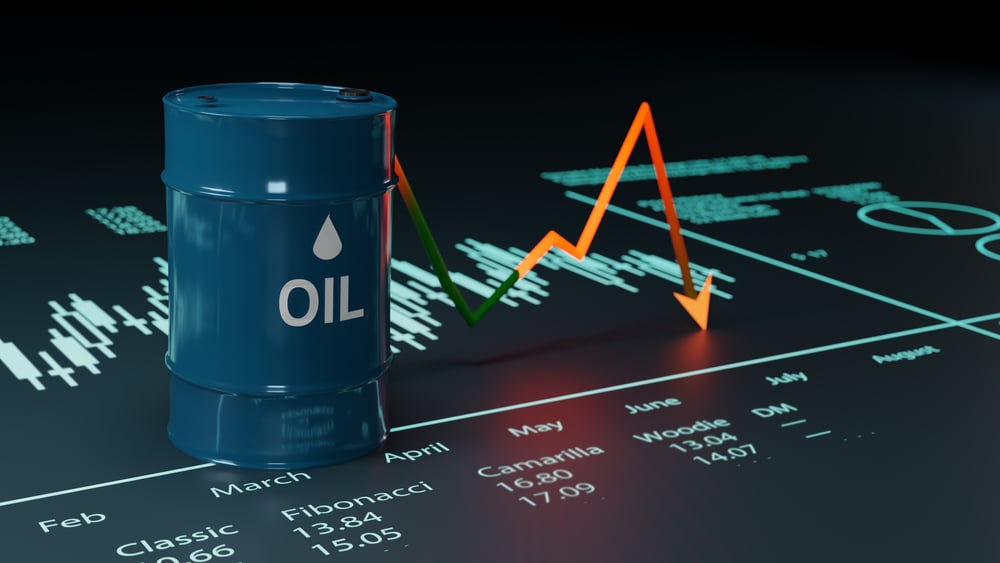
Fresh military strikes in the Middle East have shattered a fragile ceasefire, sending crude oil prices surging and guaranteeing an immediate spike in fuel costs.
This rapid increase, contrasted with sluggish price drops during periods of relief, is driven by a "hidden pattern" that economists have long tracked.
The Rockets and Feathers Phenomenon While consumers will see their local gas station prices jump almost instantly, relief during the recent ceasefire was frustratingly slow.
Economist Justin Wolfers, in a Substack post, describes this "hidden pattern" as an asymmetric economic phenomenon where retail gas prices invariably rise "like rockets, while falling like feathers." According to Wolfers' extensive economic data analysis, when crude oil prices rise, retail gasoline "catches up really quickly," with most movement landing within a week.
Conversely, when oil falls, the financial relief arrives in "slow motion," dribbling in over several weeks.