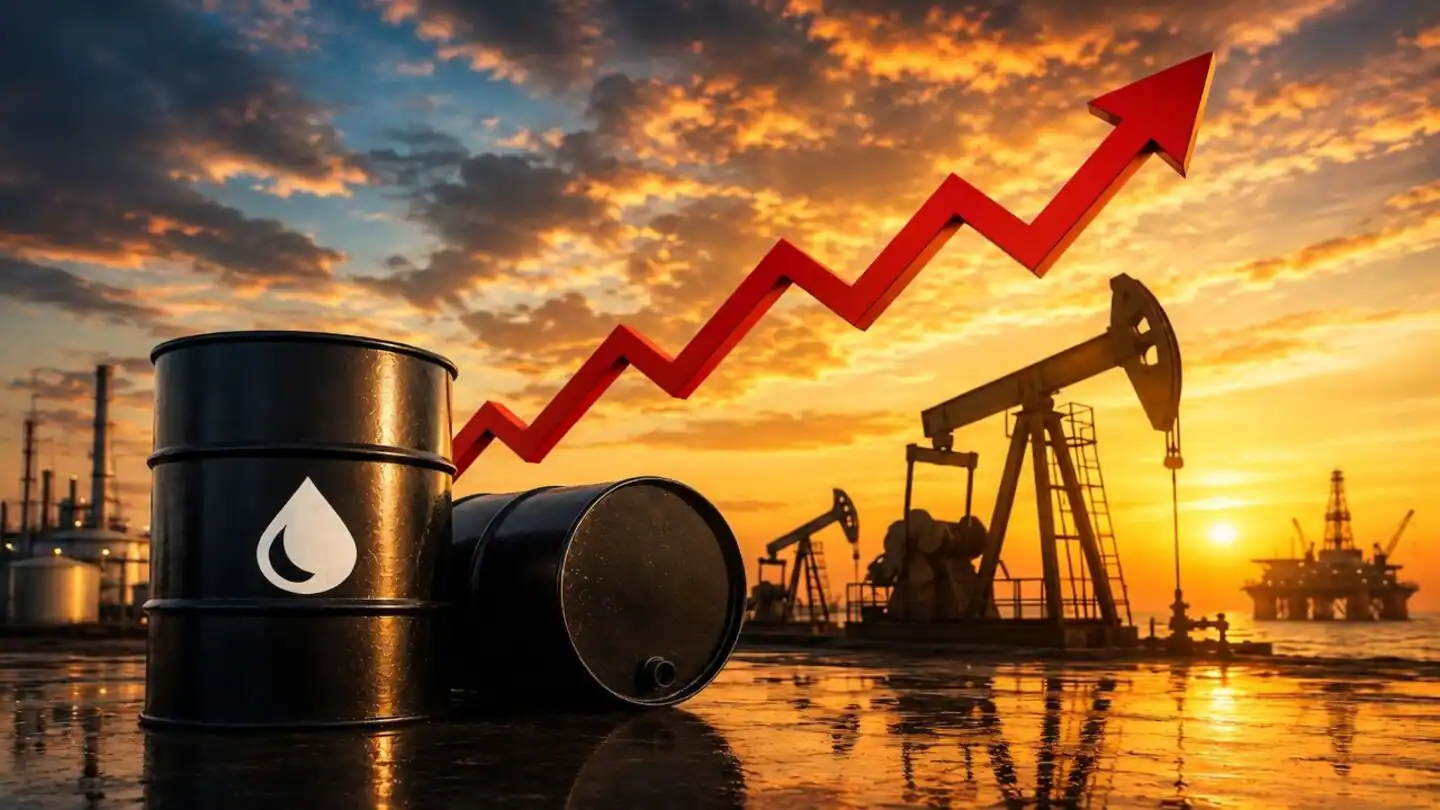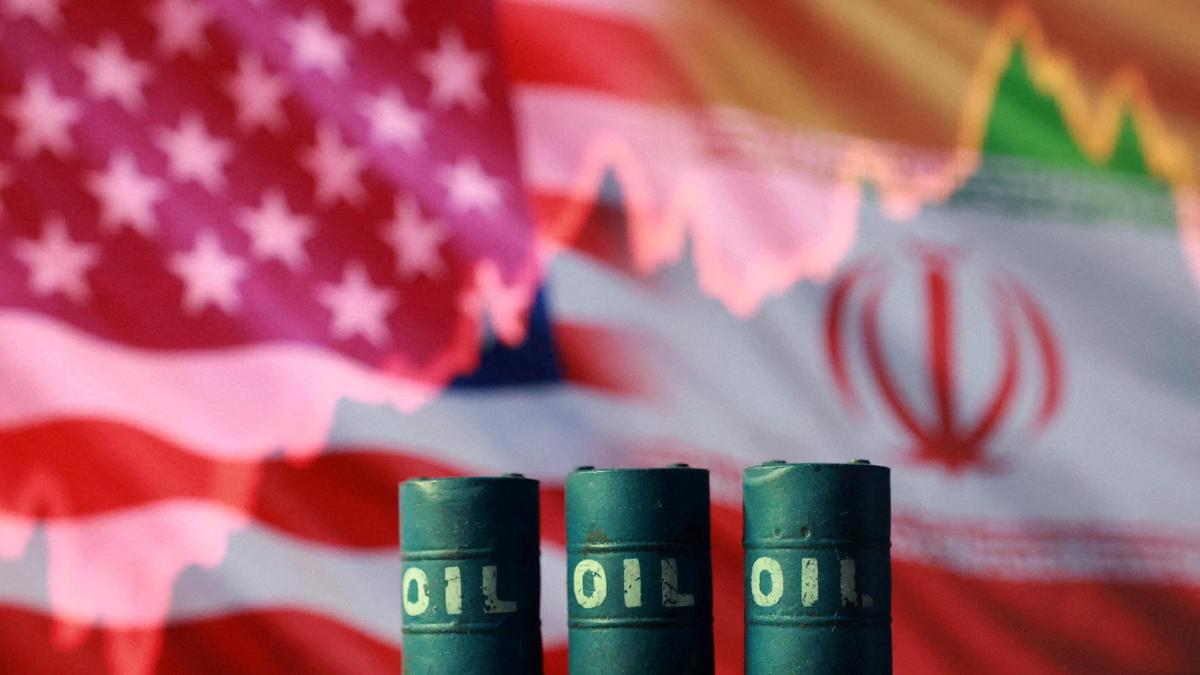
Over July 12 and 13, Brent crude surged 9.59% to $83.30 per barrel. WTI, the US benchmark, climbed 9.42% to reach $78.14. By July 14, Brent pushed further to a one-month peak near $85.67. The catalyst: a sharp escalation in US-Iran hostilities that collapsed a short-lived ceasefire and sent traders scrambling to reprice geopolitical risk.
What broke the ceasefire
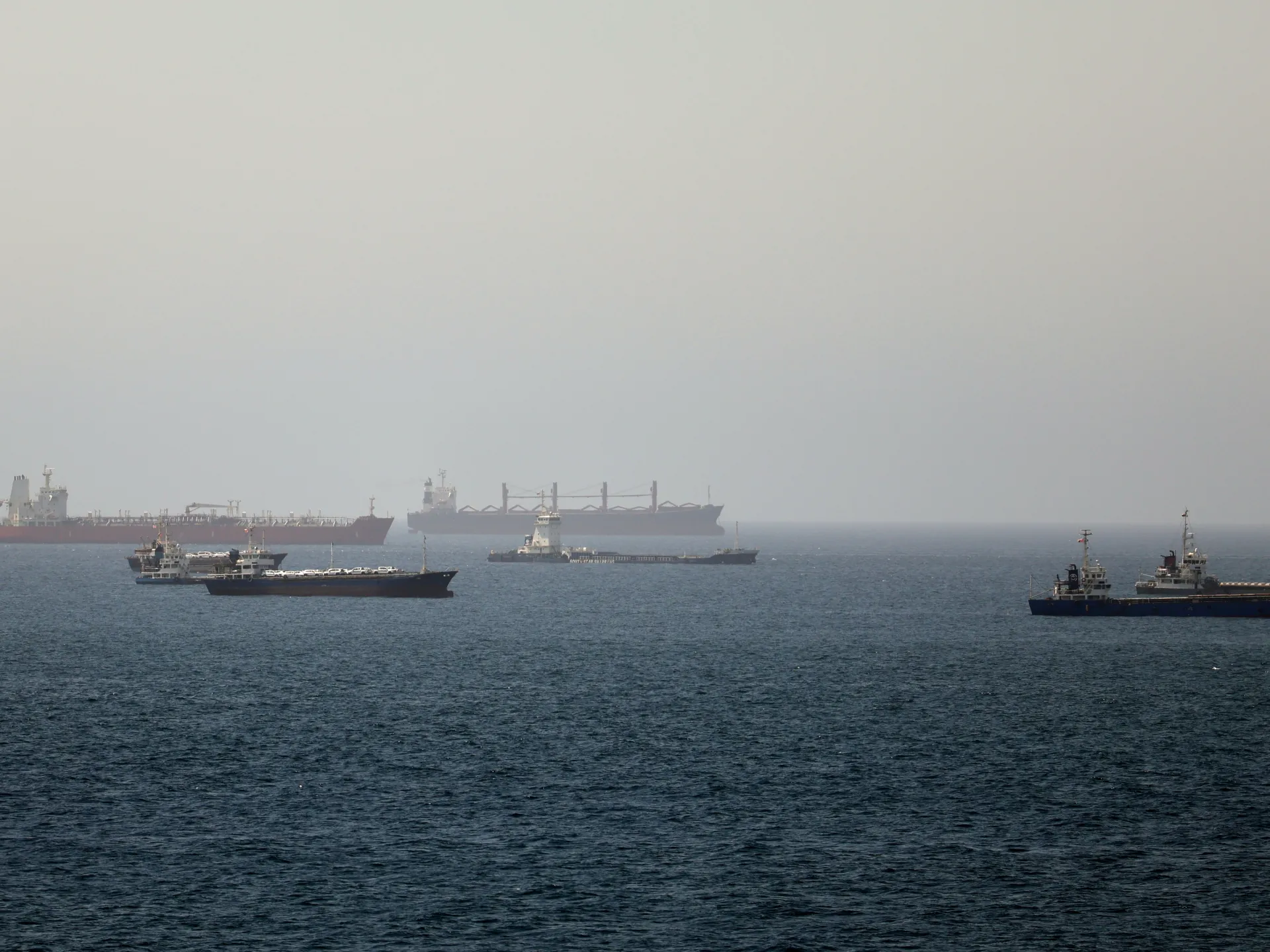
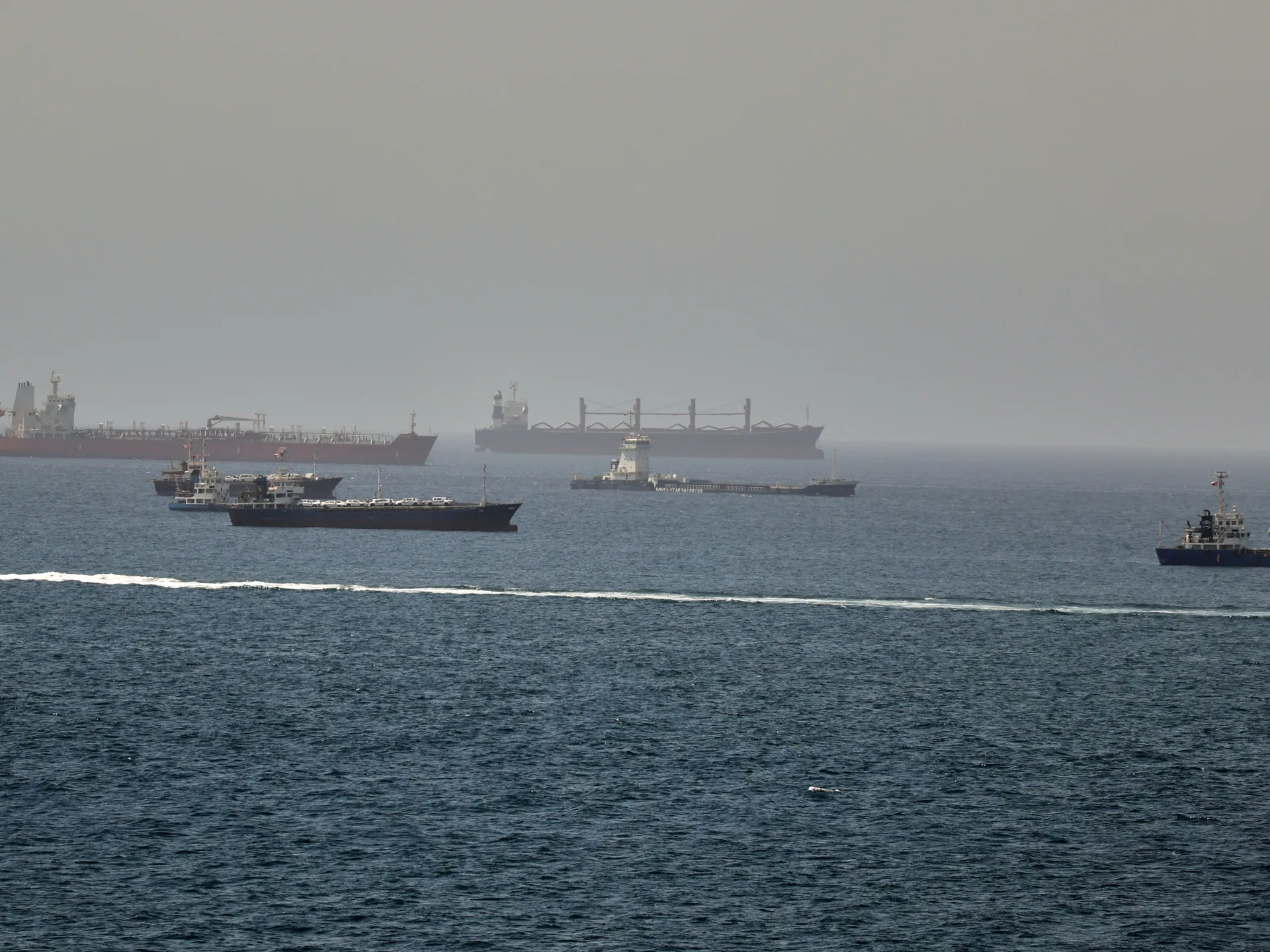
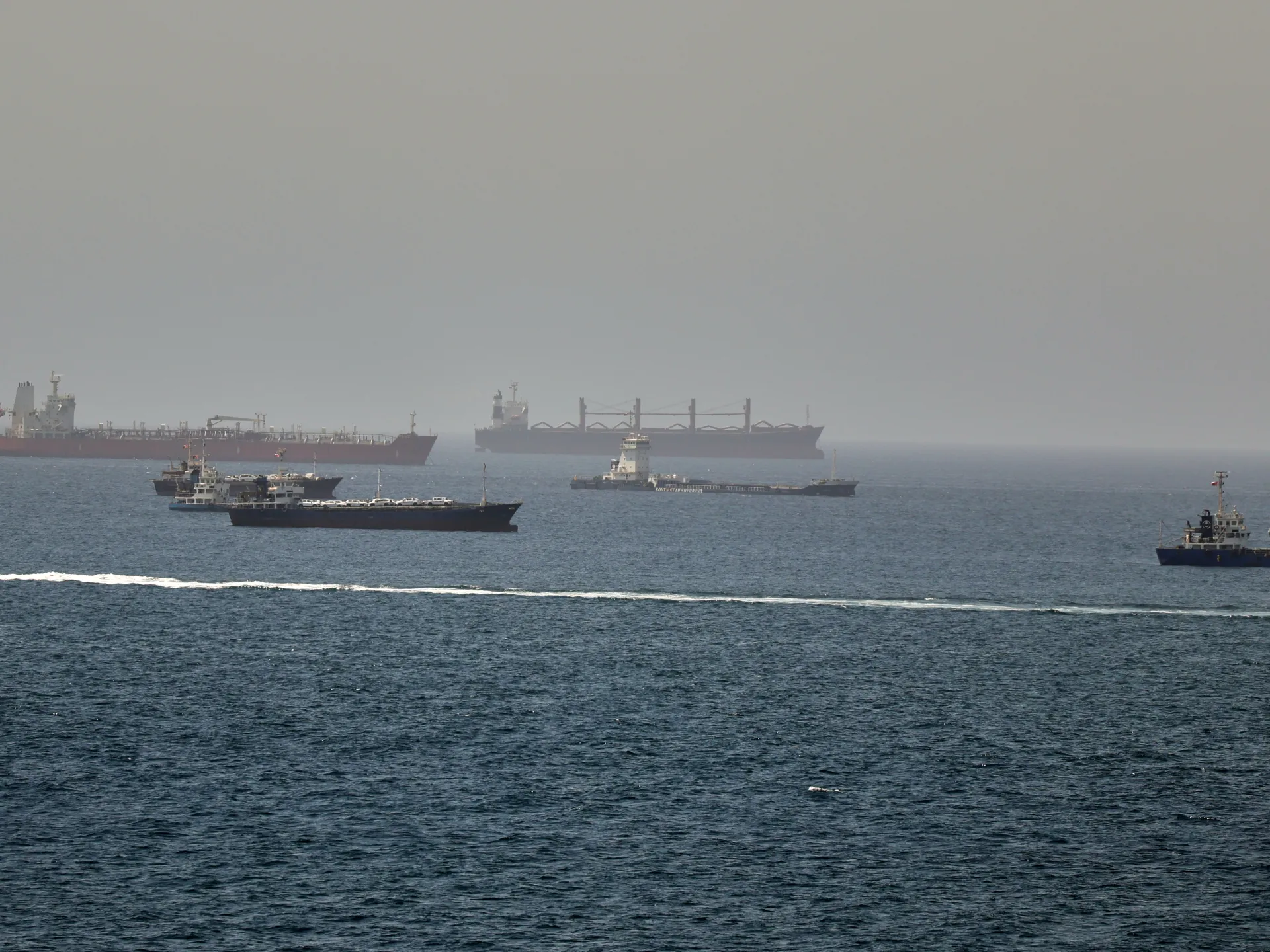
Iranian forces began targeting tankers near the Strait of Hormuz on July 8, restarting a cycle of military exchanges that had been on pause. US President Donald Trump subsequently declared the ceasefire over following renewed strikes, and the White House reinstated economic sanctions against Iran while raising the prospect of a naval blockade in the region.
The Strait of Hormuz is where roughly 20% of the world’s oil trade passes through a narrow chokepoint between Iran and Oman. For context, during an earlier phase of the 2026 Iran conflict, prices had peaked above $100 to $120 per barrel before the ceasefire brought some relief.
Why this matters beyond the energy sector