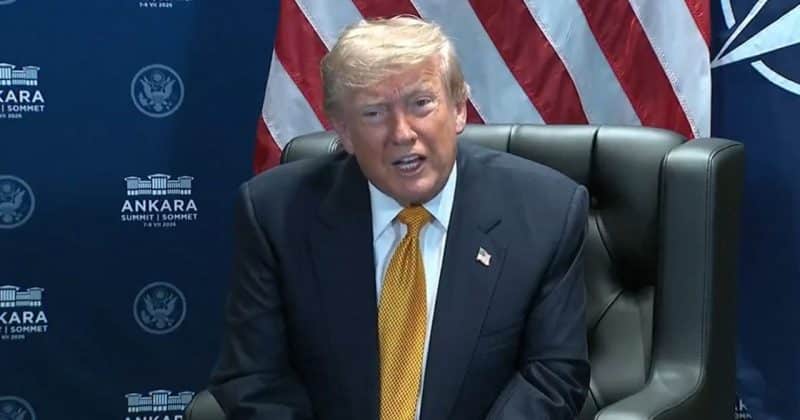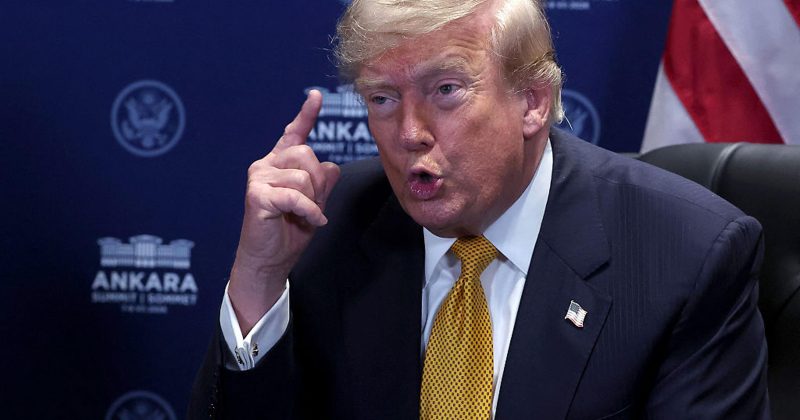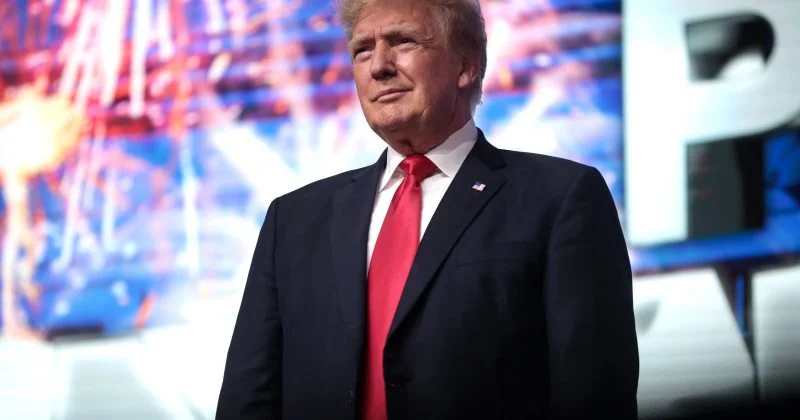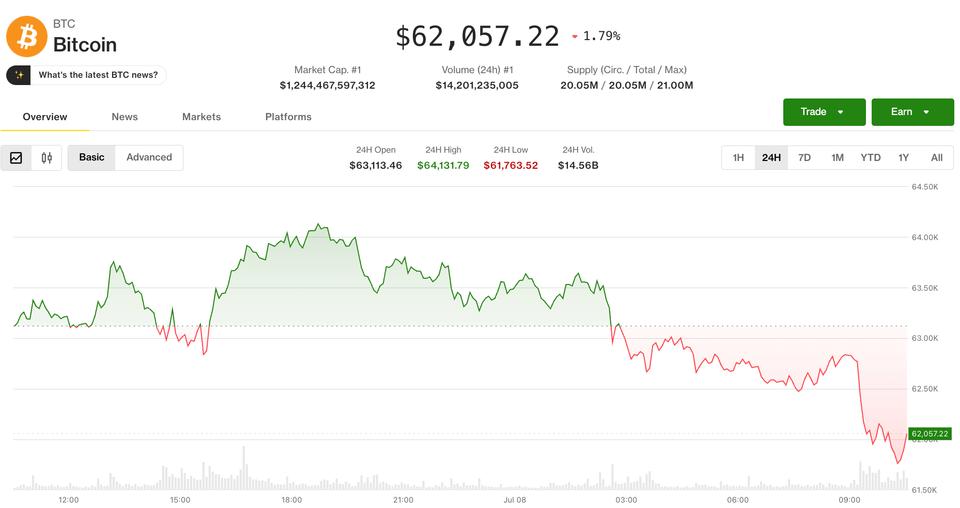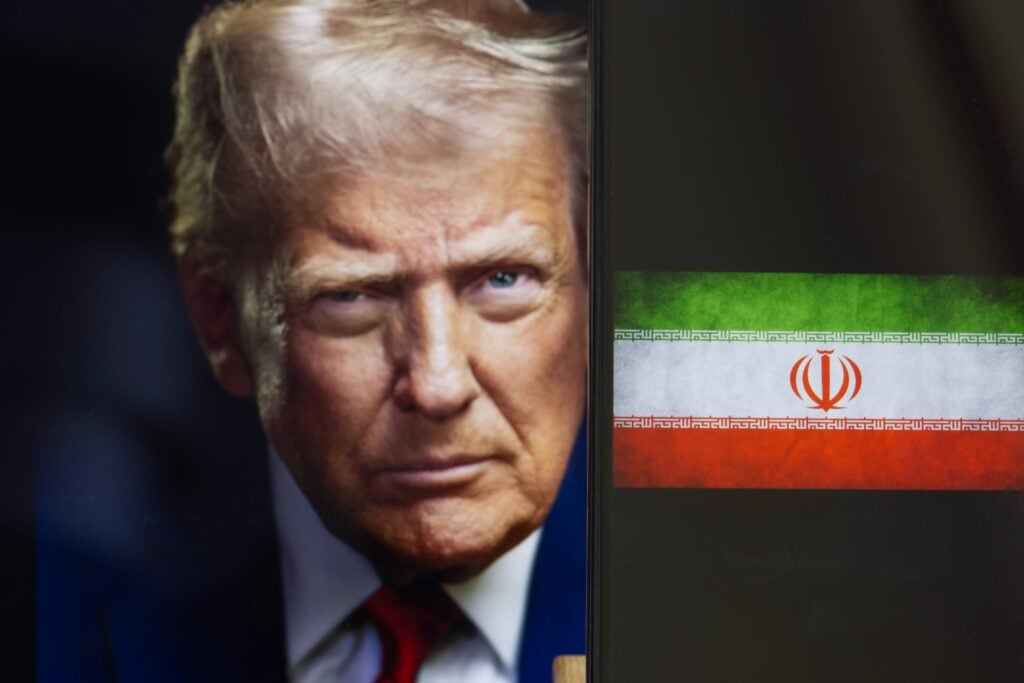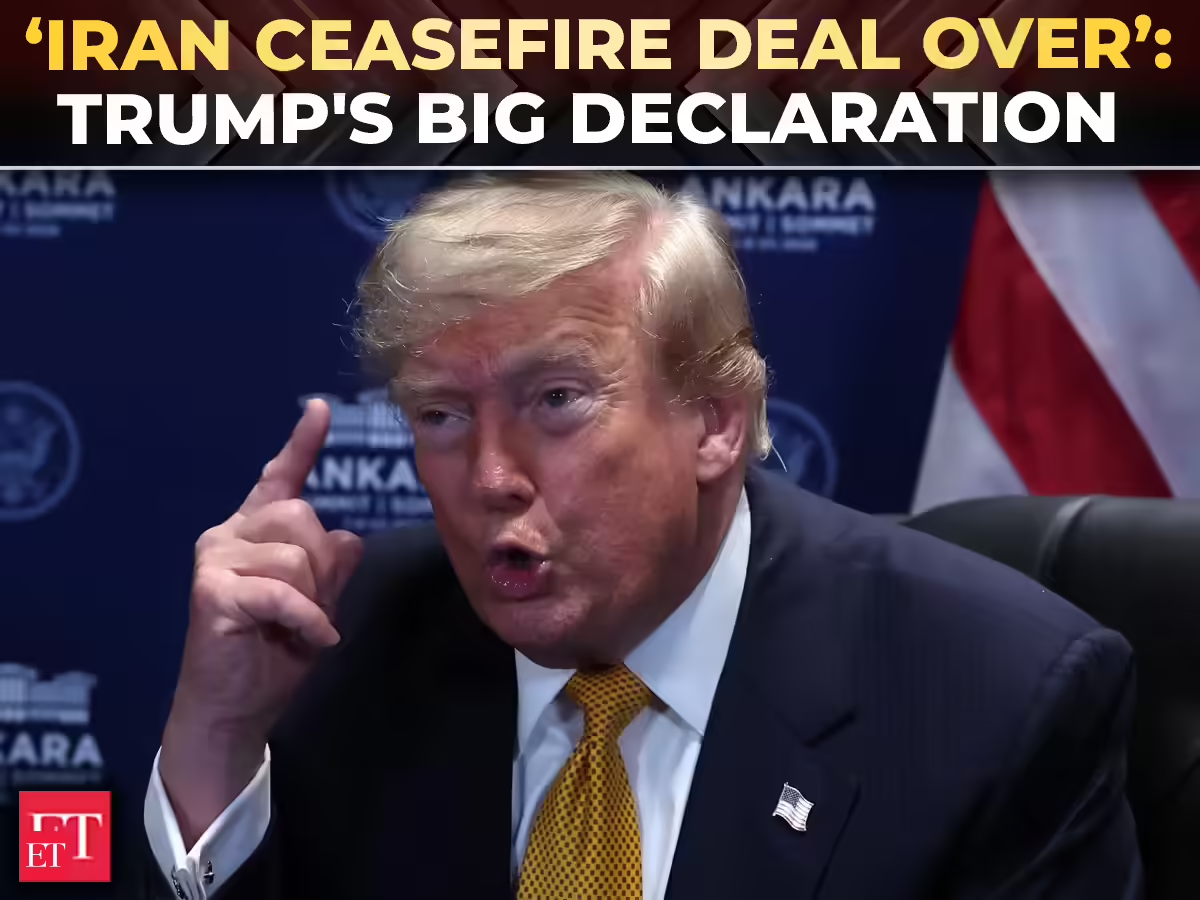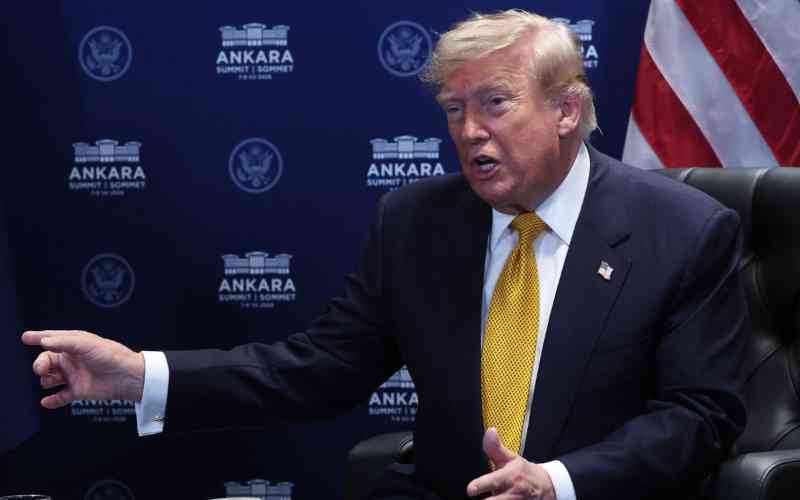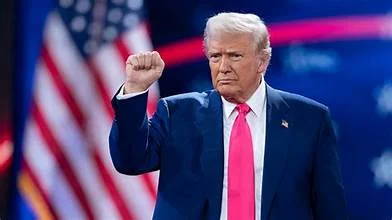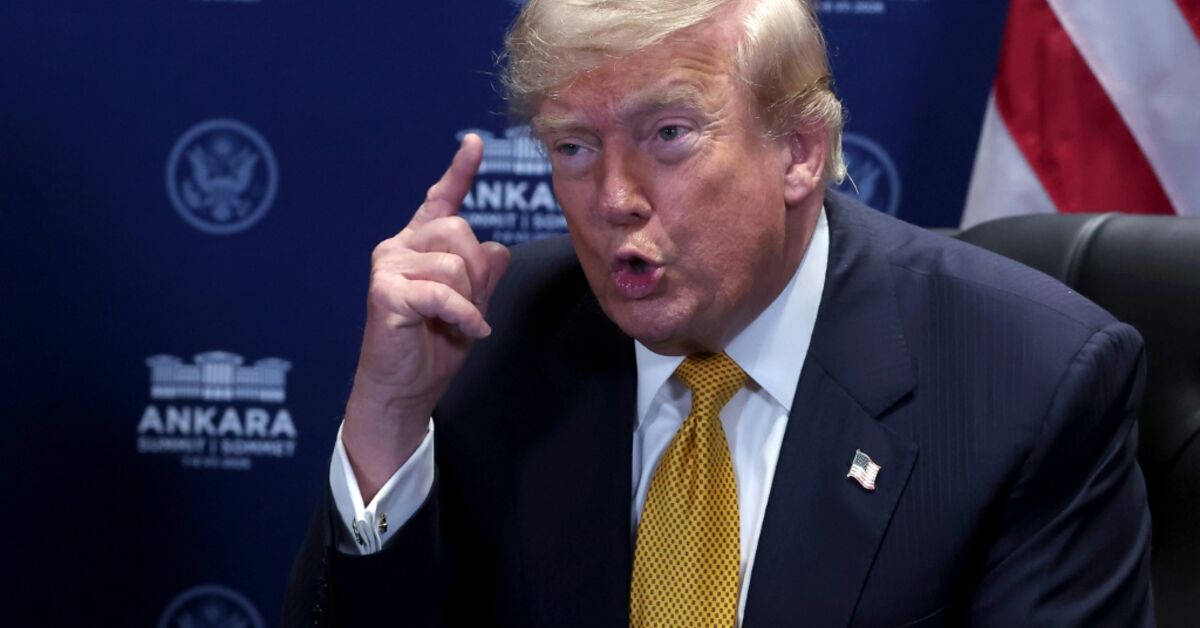
President Donald Trump stood at a NATO summit in Ankara on July 8 and told the world the ceasefire with Iran was “over,” calling Iranian leaders “scum” and “sick people.” Within hours, the US launched fresh airstrikes on Iranian positions. Bitcoin dropped more than 2%. The CoinDesk 20 Index fell 2.9%. Oil prices spiked. And European officials started talking very publicly about reducing their military dependence on Washington.
What happened and why it matters
The ceasefire that collapsed was reached in mid-June 2026, meant to cool a period of escalating violence between US and Iranian forces. That violence included US strikes on Iranian nuclear facilities and Iranian retaliatory missile attacks targeting American interests in the region. A similar pattern played out before: a brief ceasefire dubbed the “Twelve-Day War” occurred in late June 2025, and fighting resumed almost immediately after.
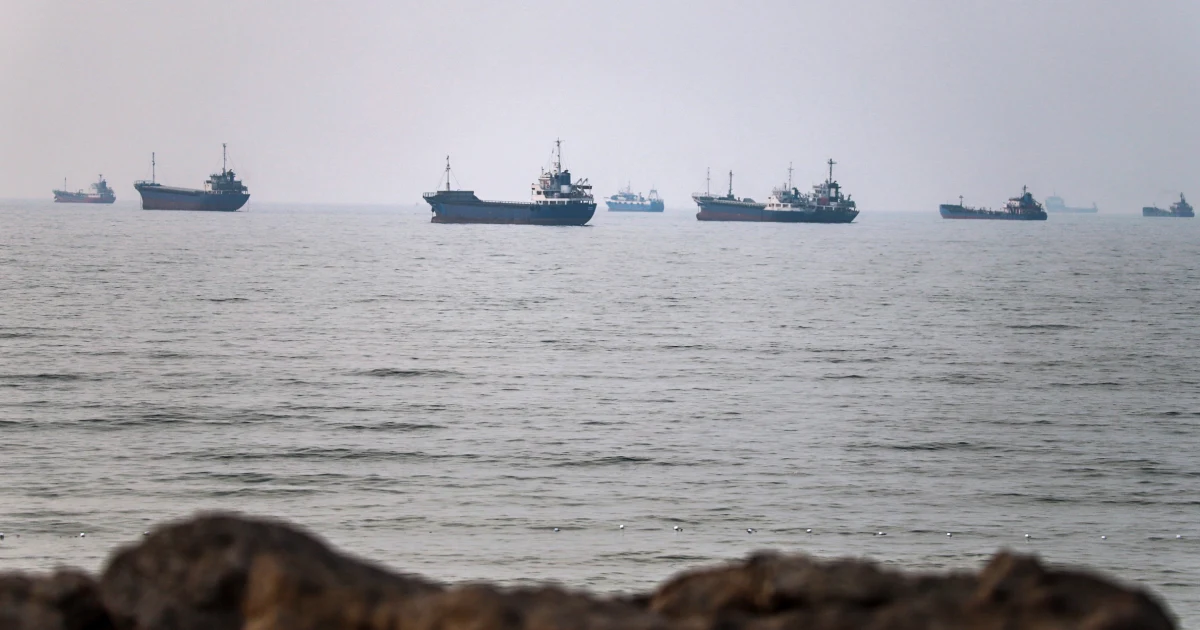
This time, Iran responded to Trump’s declaration by targeting US allied assets on the same day. The Strait of Hormuz, through which roughly a fifth of the world’s oil supply flows, has seen Iranian strikes on maritime traffic.
Europe’s strategic rethink