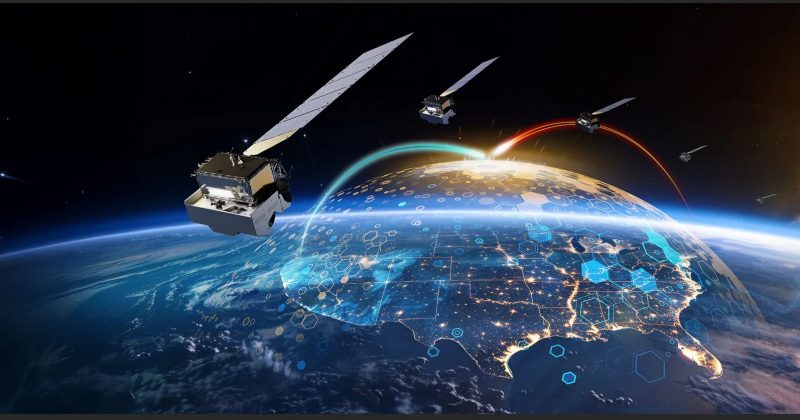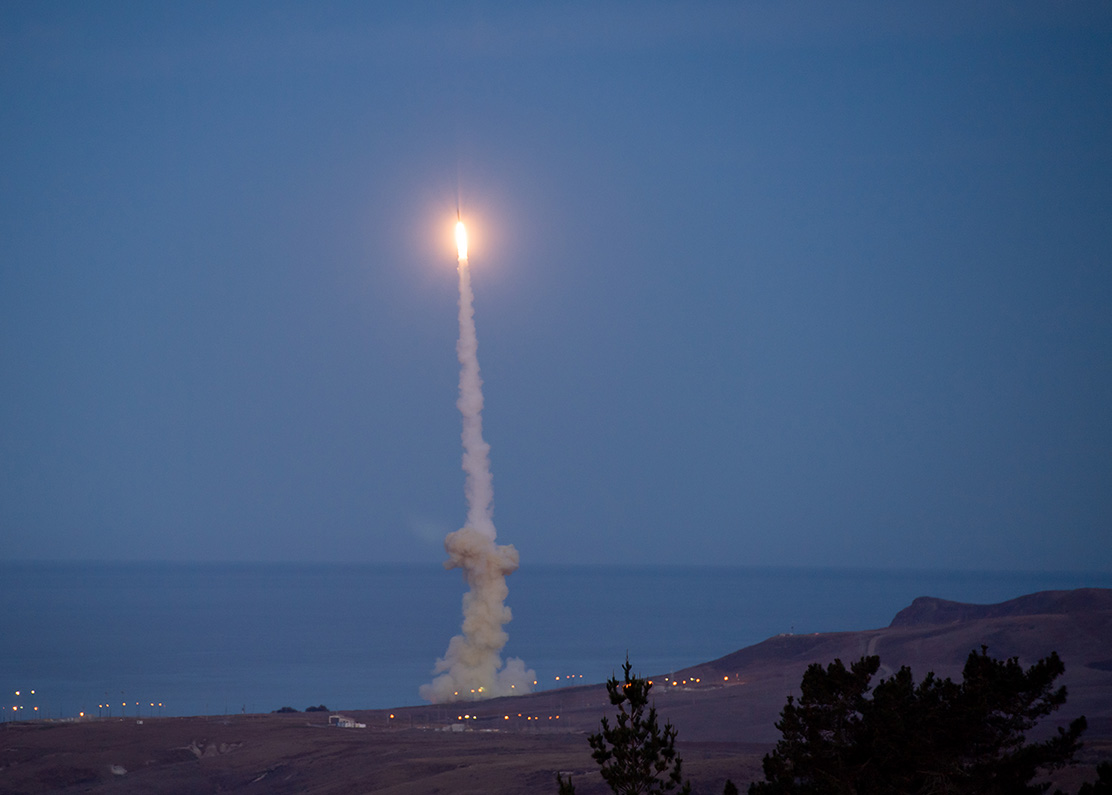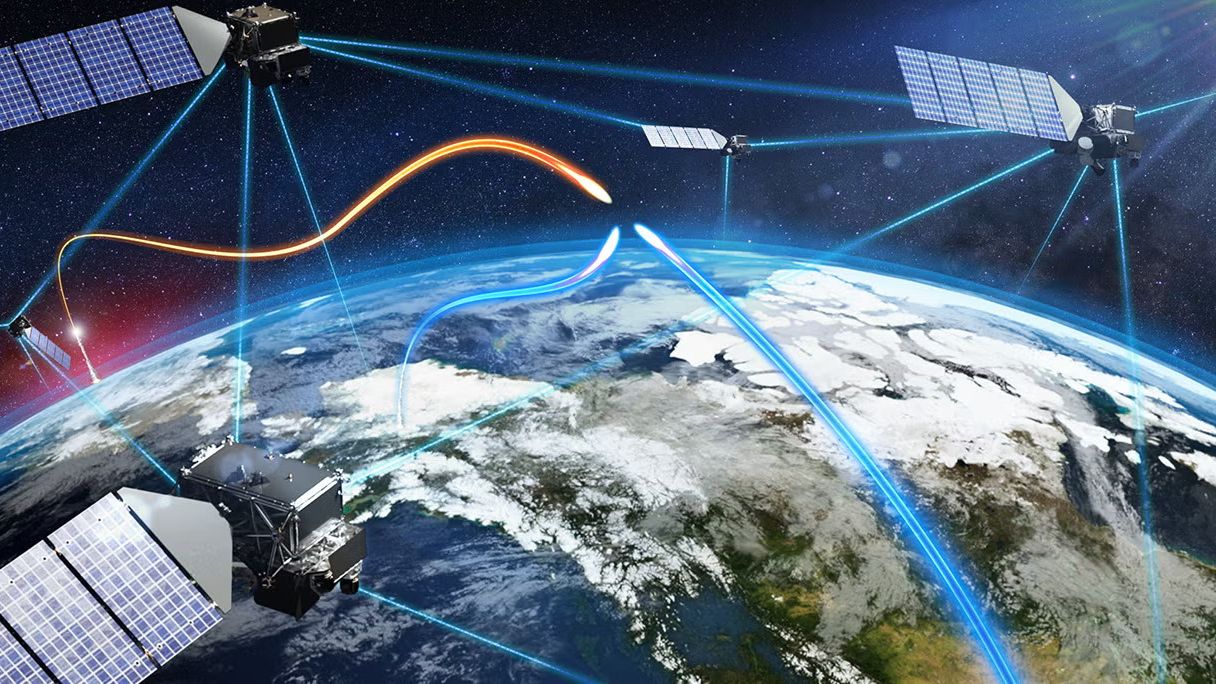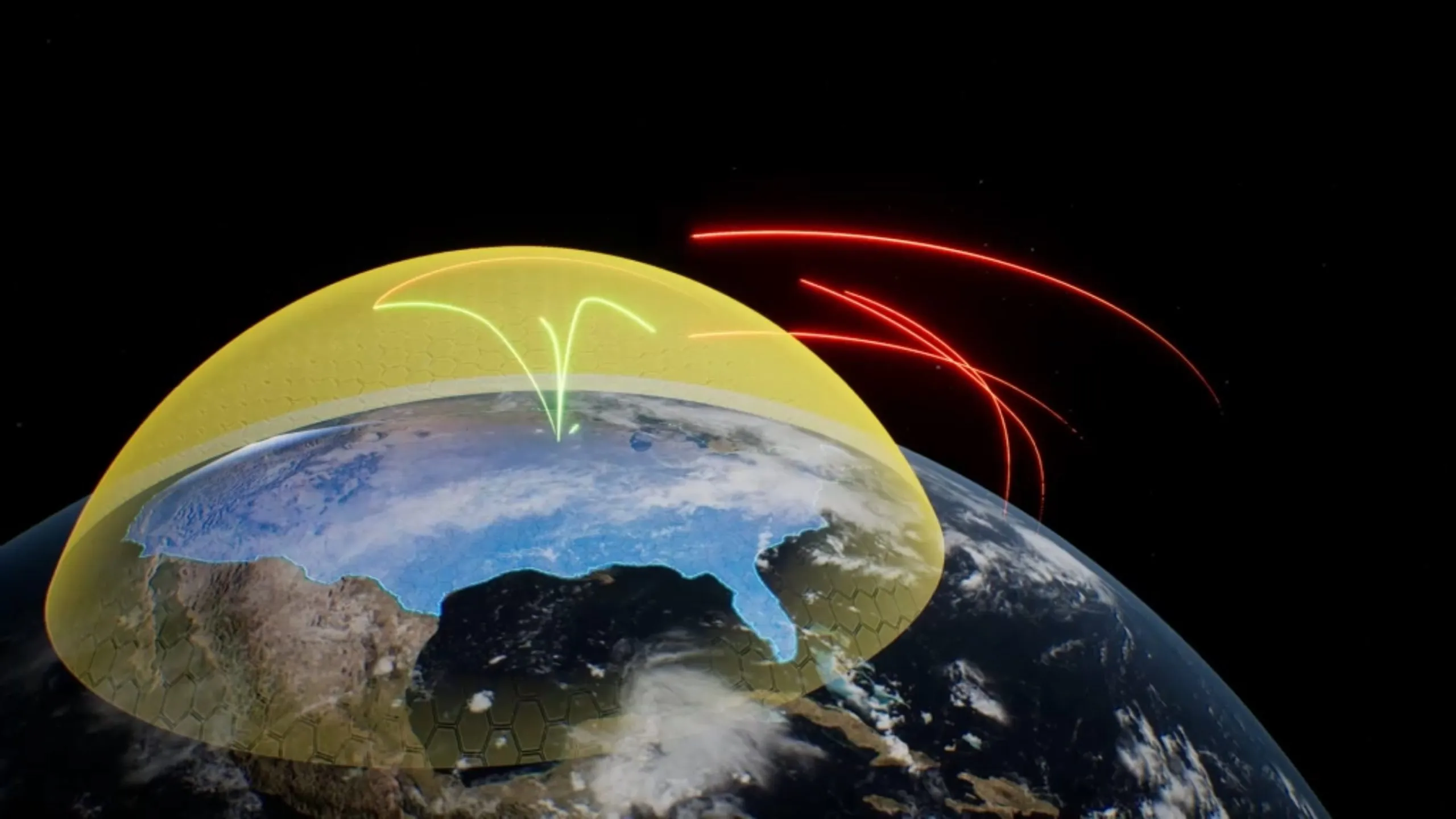
An illustration of the Golden Dome. Credit: Arcfield
Even as many details of Golden Dome remain unsettled, the missile-defense program has become a focal point for space and defense startups looking for new markets. The prospect of deploying hundreds or even thousands of satellites for missile warning, tracking, communications and even interception missions has prompted companies to search for opportunities beyond the spacecraft themselves.
For entrepreneurs and investors, the attraction is the possibility that Golden Dome could create demand for new categories of military space infrastructure. Companies developing satellite refueling, orbital transportation, communications relay networks, in-space servicing and other capabilities are positioning their technologies as essential support services for a large space-based defense network. Their bet is that if the Pentagon builds a persistent orbital architecture, it will eventually require the same kinds of logistics, communications and maintenance infrastructure that support complex operations on Earth.
The question is whether the Pentagon ultimately decides those services are essential requirements rather than attractive concepts.
An example of how commercial infrastructure firms are positioning themselves around Golden Dome is Star Catcher Industries, a startup developing technology to beam power from one spacecraft to another. The company envisions a future in which satellites purchase electricity as a service from orbital power stations rather than generating all of their power through onboard solar arrays.