Missile defense has traditionally been framed around detection, tracking and interception. Golden Dome changes that calculus, broadening the focus to the entire distributed infrastructure enabling the architecture, placing propulsion front and center.
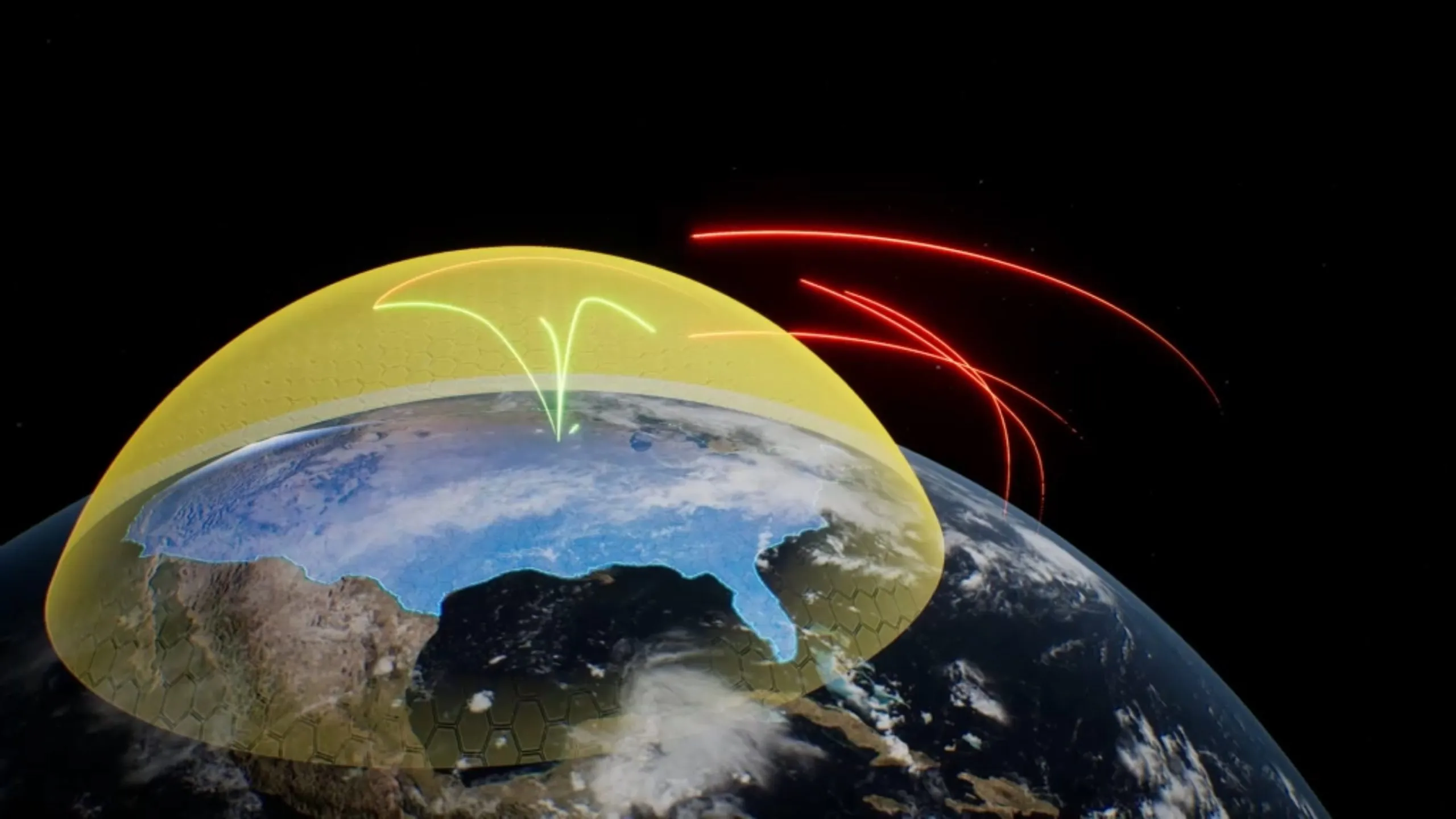
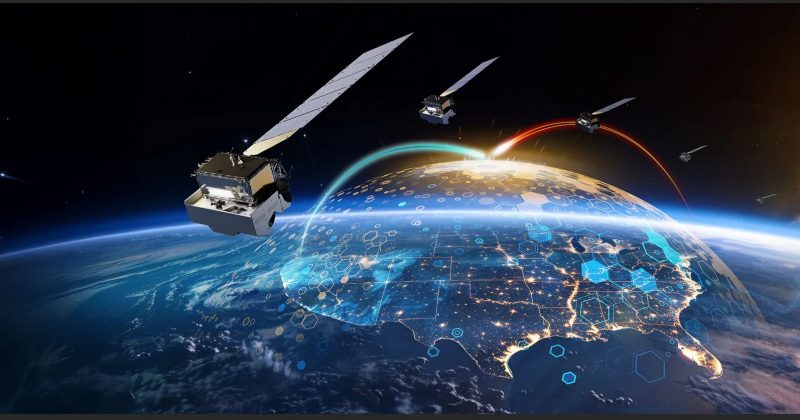
The system envisions a constellation of thousands of satellites equipped with sensors and interceptors that would represent the first U.S. space weapons in orbit, with data centers in space providing automated command and control through a cross-domain AI-enabled network. But the effectiveness of that architecture ultimately depends on whether satellites can maneuver in contested space and whether interceptors can maintain precise control at critical moments.
That reality is reshaping how companies approach propulsion.
“There’s a clear signal from the government that they want to tap into commercial innovation for Golden Dome,” said Matt Magaña, president of Space, Defense and National Security at Voyager. “Golden Dome is really a strategic thrust – a much more focused push into driving the capabilities we need to actually do the mission.”
The operational environment Golden Dome demands is one of persistent maneuverability across orbital and atmospheric domains. Satellites must reposition rapidly, avoid threats and maintain operational continuity under pressure. Interceptors must sustain stability and precision through engagements where fractions of seconds determine mission success.