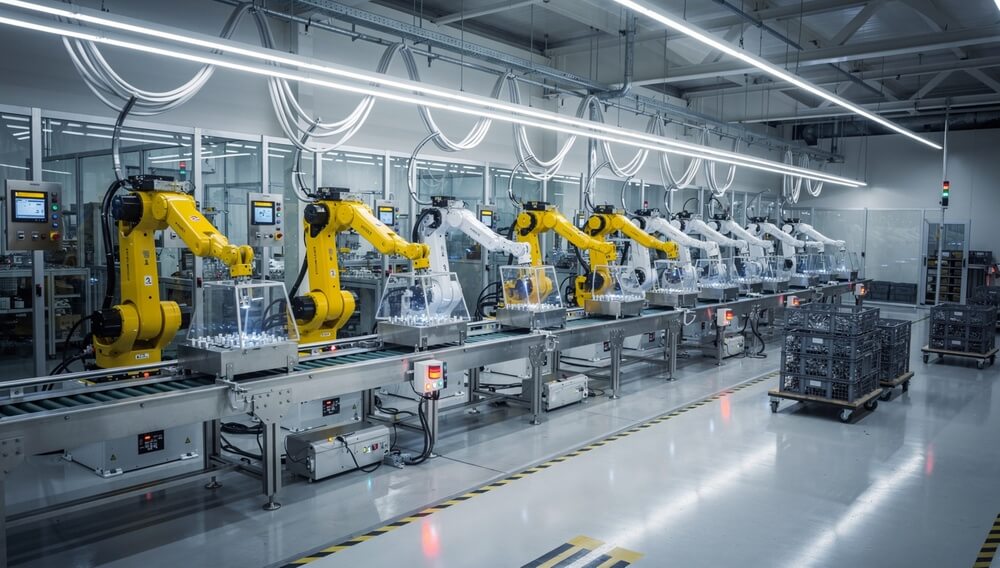
Historically, humans have solved their toughest tasks by creating tools capable of withstanding greater strain to undertake the job or augment their abilities. From levers to steam engines and beyond, the structural evolution of machines is almost as remarkable as their ability to improve operational cultures.
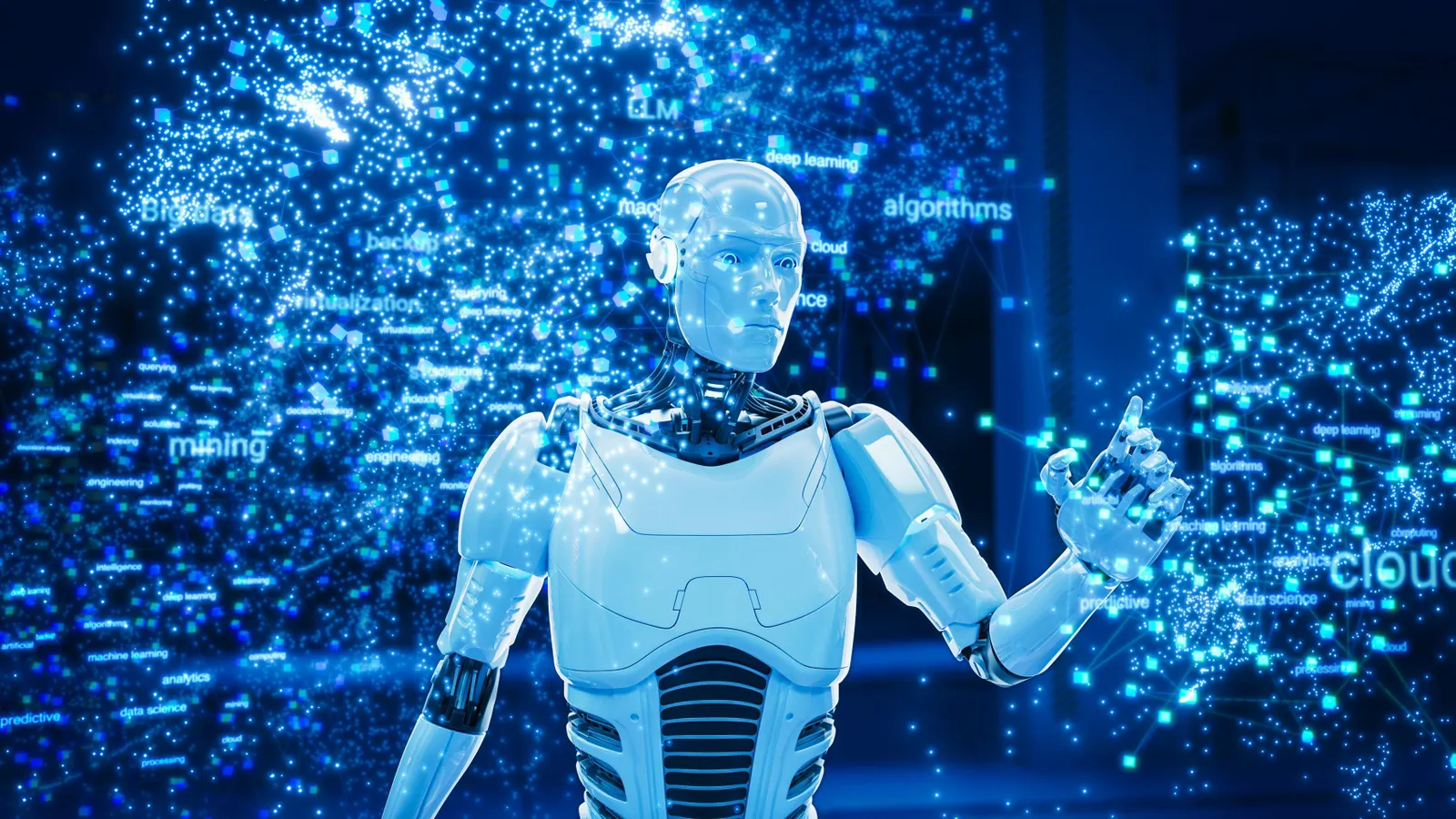
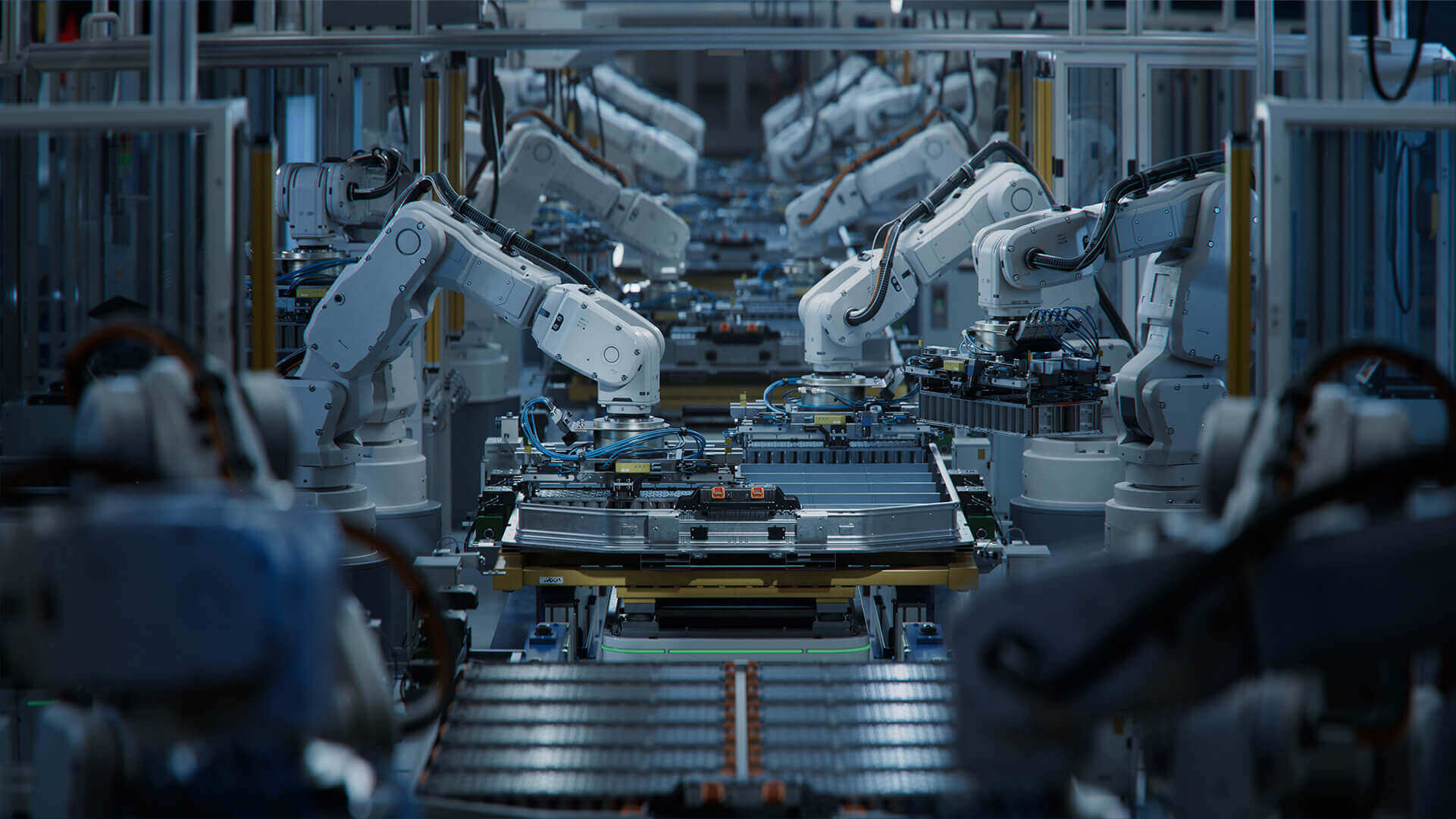
In recent times, we have seen machines attain their highest structural complexity, productivity, and best aesthetics yet. The most relevant new technologies today focus on creating high-throughput physical machines and software that ‘thinks’, and, more futuristically, a fusion of both.
From moving machines to intelligent humanoids
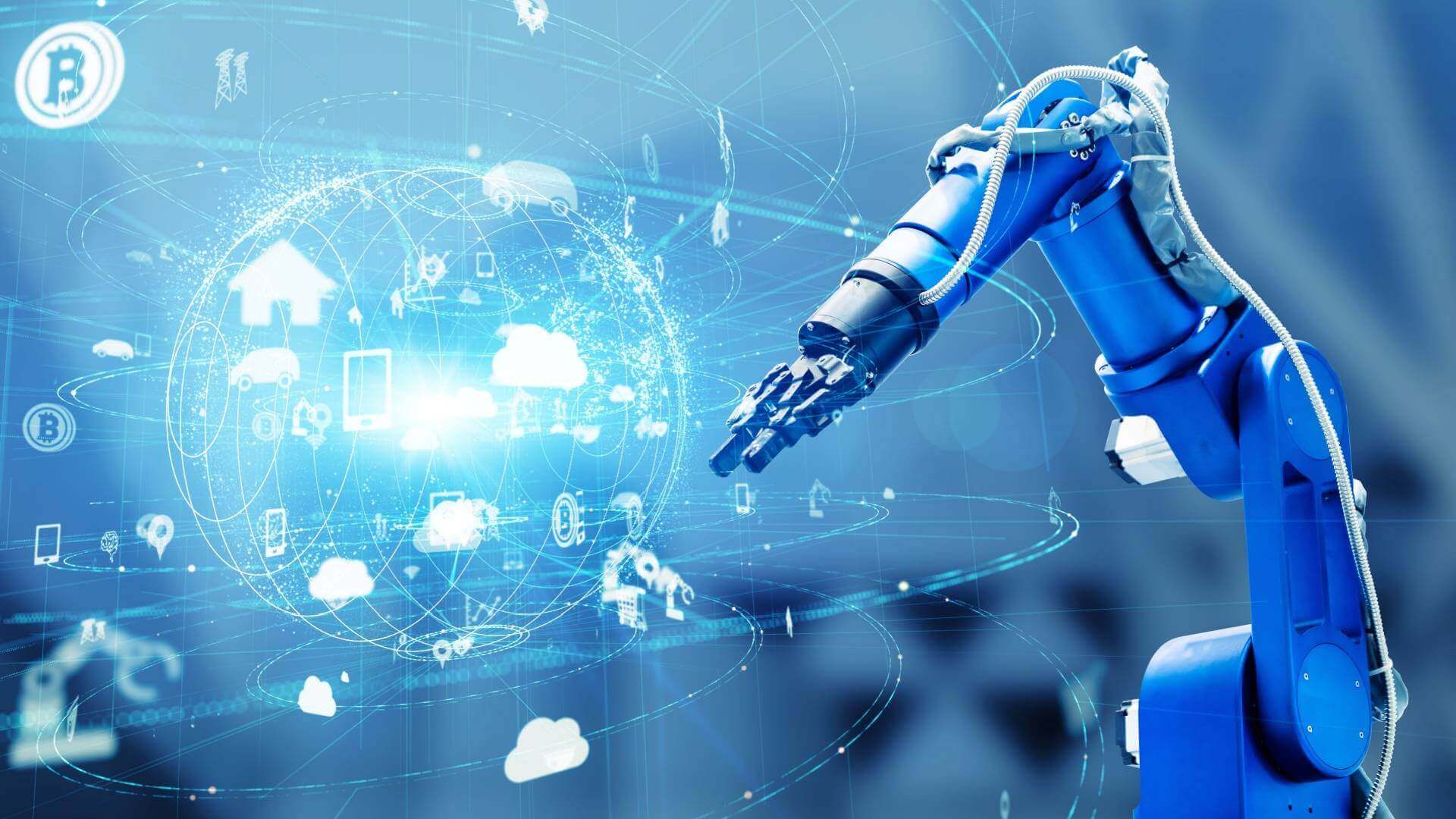
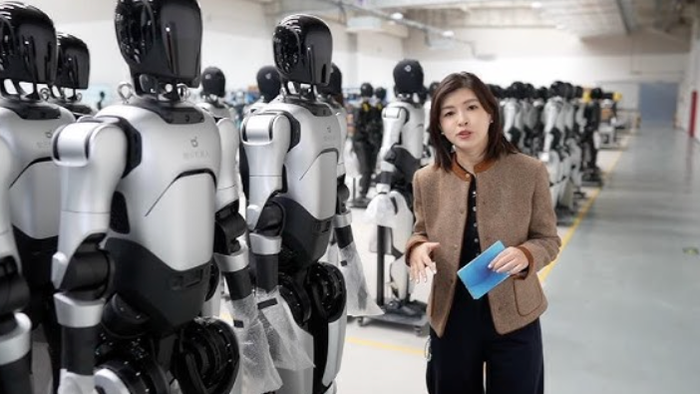
Evolving from ‘moving machines’ capable of handling repetitive tasks to intelligent machines is a century-long goal for robotics. The rapid growth in this sector over the past half-decade, with a $218 billion projection for 2031, is driven by expectations that advancements in AI will extend to robotics and expedite the development of intelligent robots.
Current prototypes are robots capable of taking initiatives or executing tasks more efficiently with less supervision. These have been applied in agriculture, industrial-grade production, and healthcare.