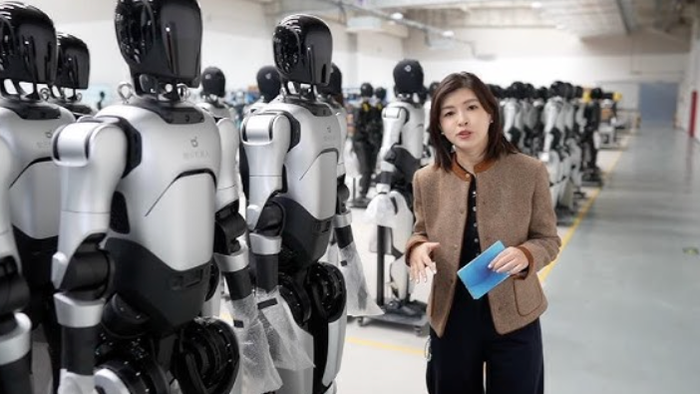
The hype around agentic AI pales in comparison to physical AI. Industry experts have described the space, encompassing everything from warehouse robotics and AI-native factories to energy infrastructure automation, as a roughly $50 trillion opportunity, an order of magnitude larger than AI for “knowledge worker” use cases. That projection may well prove directionally right, but investors and executives still need to be realistic about the timelines involved. This is where a patient capital mindset matters most.
Over the course of my career, I’ve gained perspective on the transformative potential of industrial technology from both frontline and executive vantage points. Early on, I worked in the field deploying software updates to industrial vehicles. As I reached under the hood to manually attach my laptop to the Electronic Control Module (ECM), I knew there had to be a better way, yet the enabling infrastructure simply did not exist. Two decades later, we now take for granted software updates delivered over-the-air to electric vehicles, a capability that has helped unlock consumer EV adoption at scale.
This is a clear example of how technology enables equipment upgrades without needing to rip and replace the underlying hardware asset.