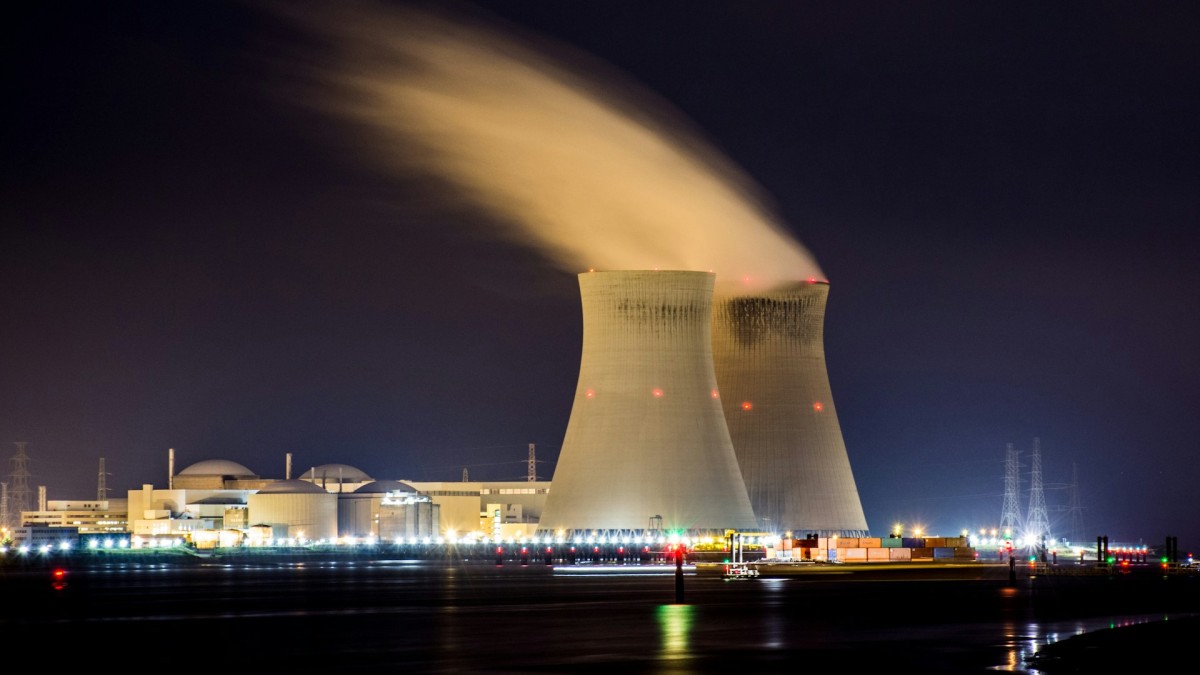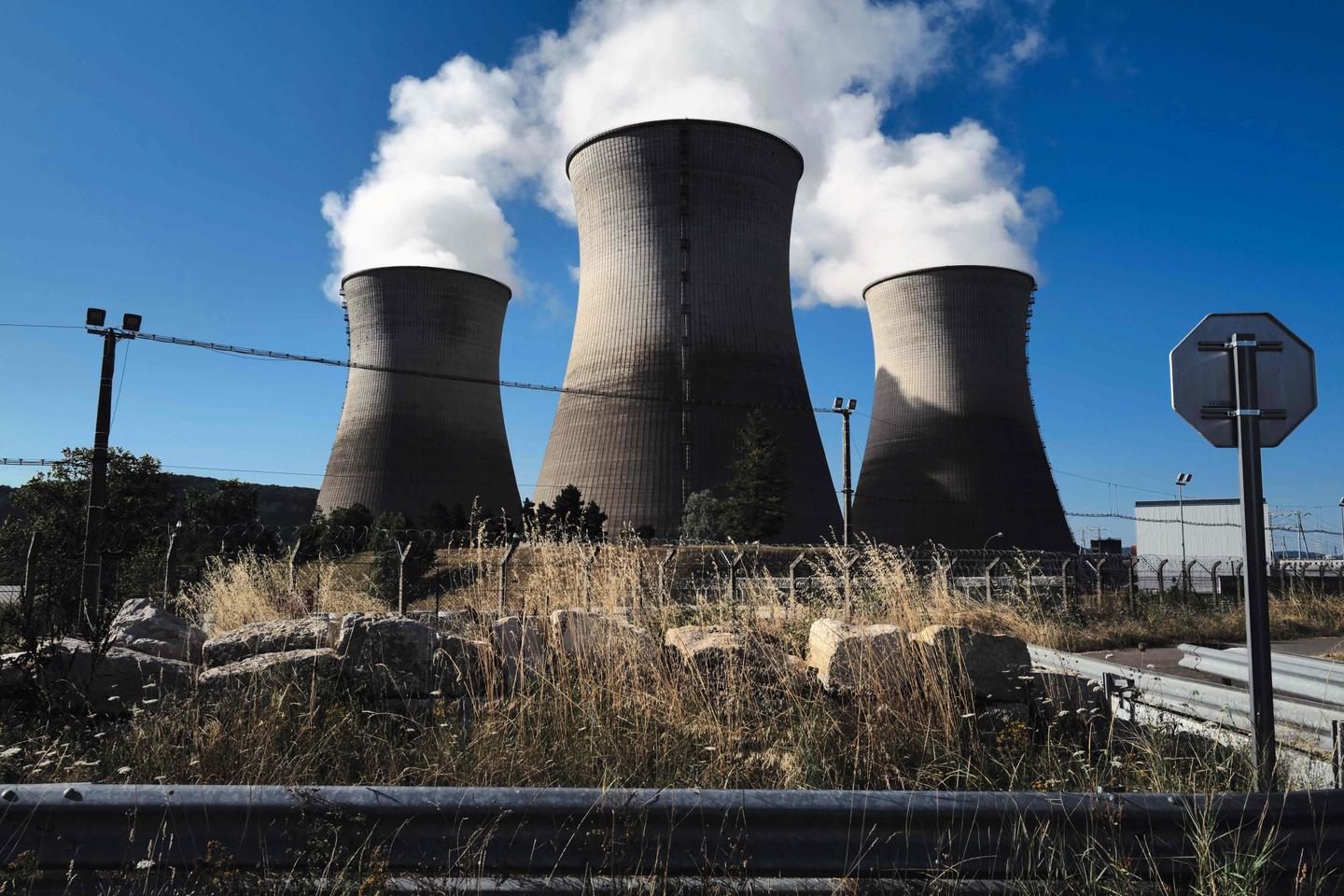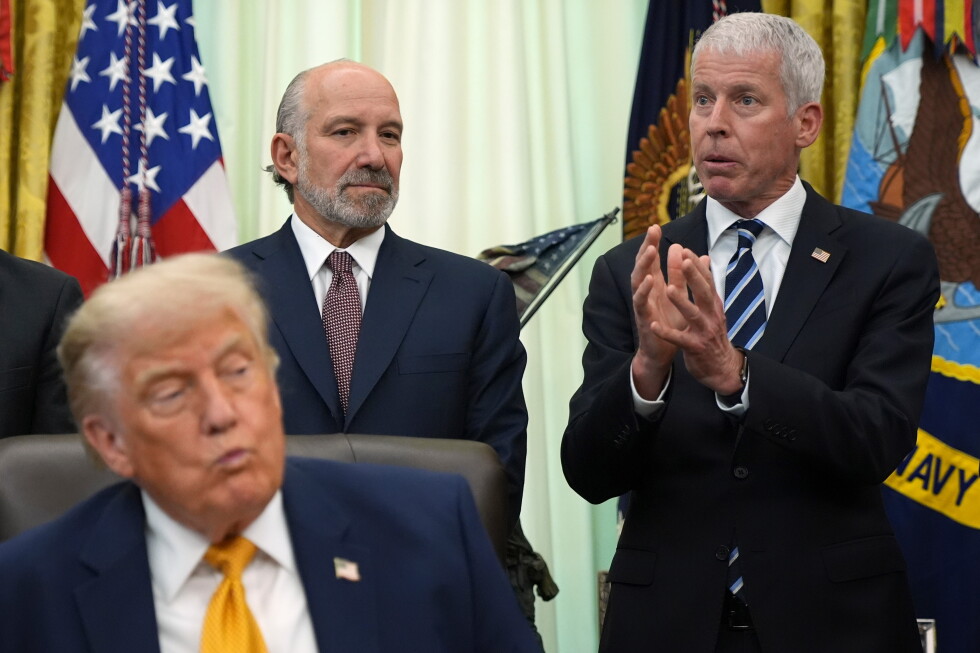
The US government just made its biggest bet on nuclear energy in decades, and the reason isn’t climate targets or energy independence. It’s artificial intelligence.
The Department of Energy announced $17.5 billion in loans to finance the construction of ten Westinghouse AP1000 reactors across five sites, with the goal of having them operational by the mid-2030s. The initiative is part of a broader plan to quadruple the country’s nuclear generation capacity from roughly 100 GW to 400 GW by 2050.
Why nuclear, why now
Data centers currently consume about 4-5% of total US electricity. Projections suggest that figure could triple by 2028. When you’re training large language models and running inference at scale, the power draw is relentless and constant, exactly the kind of load that nuclear handles well.
Solar and wind are great, but they come with an inconvenient trait: intermittency. A data center running billion-dollar AI workloads can’t politely pause operations when the wind dies down. Nuclear reactors, by contrast, run around the clock with capacity factors north of 90%.