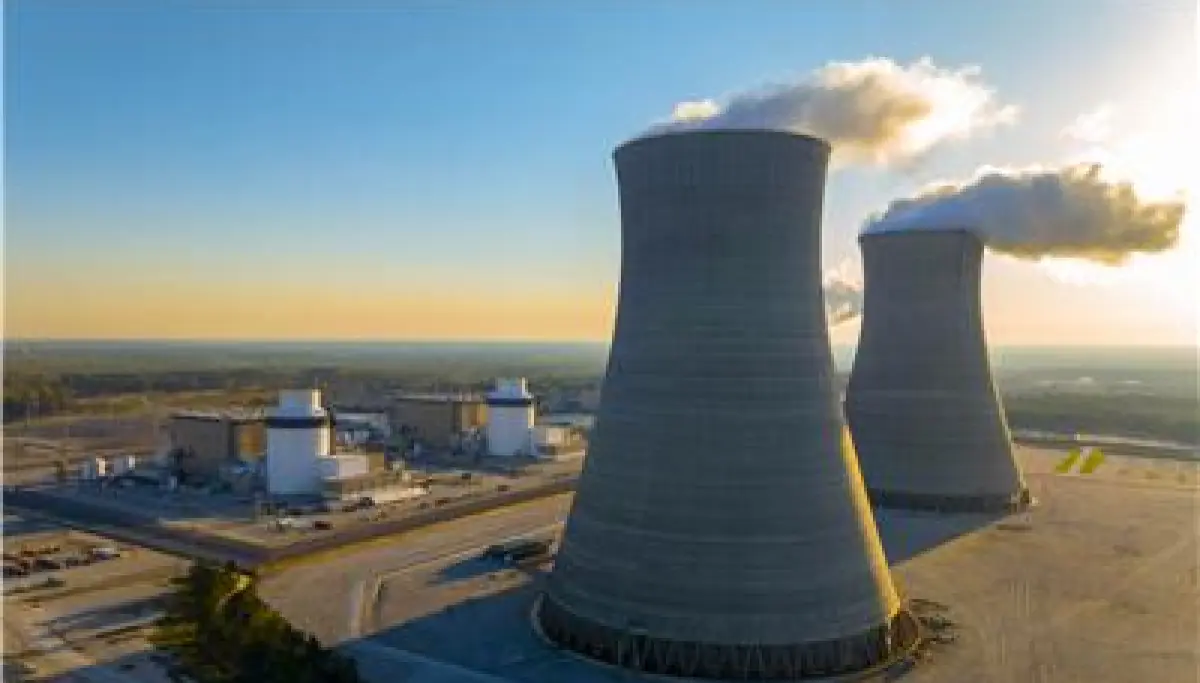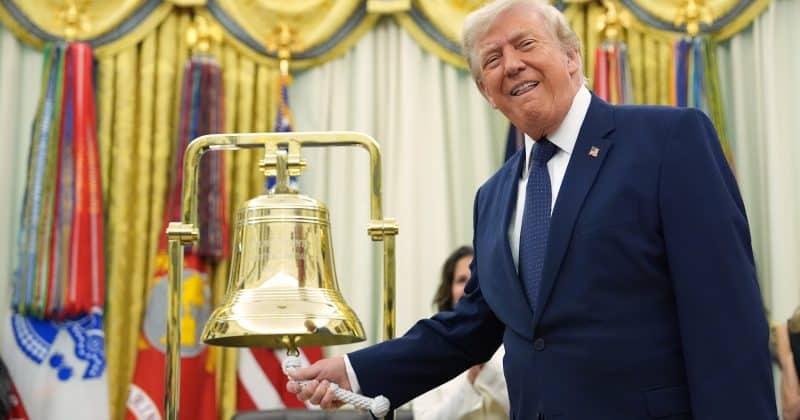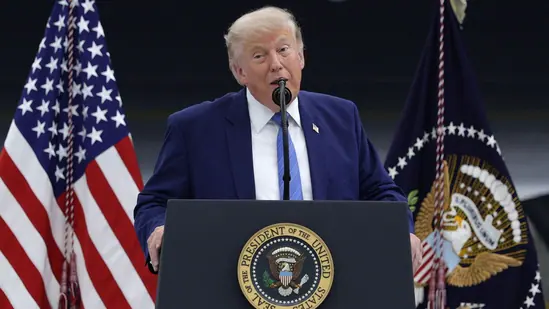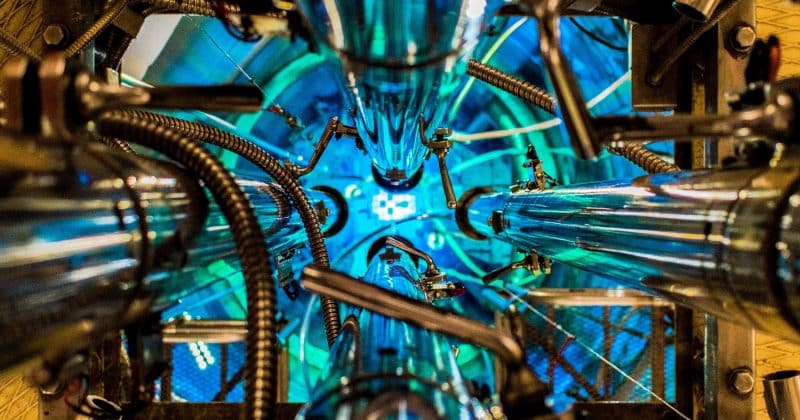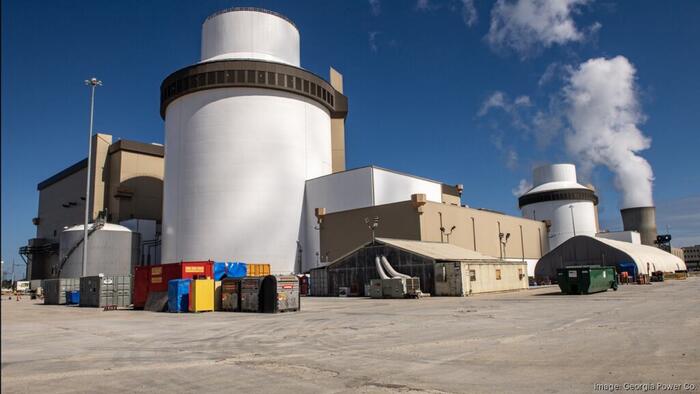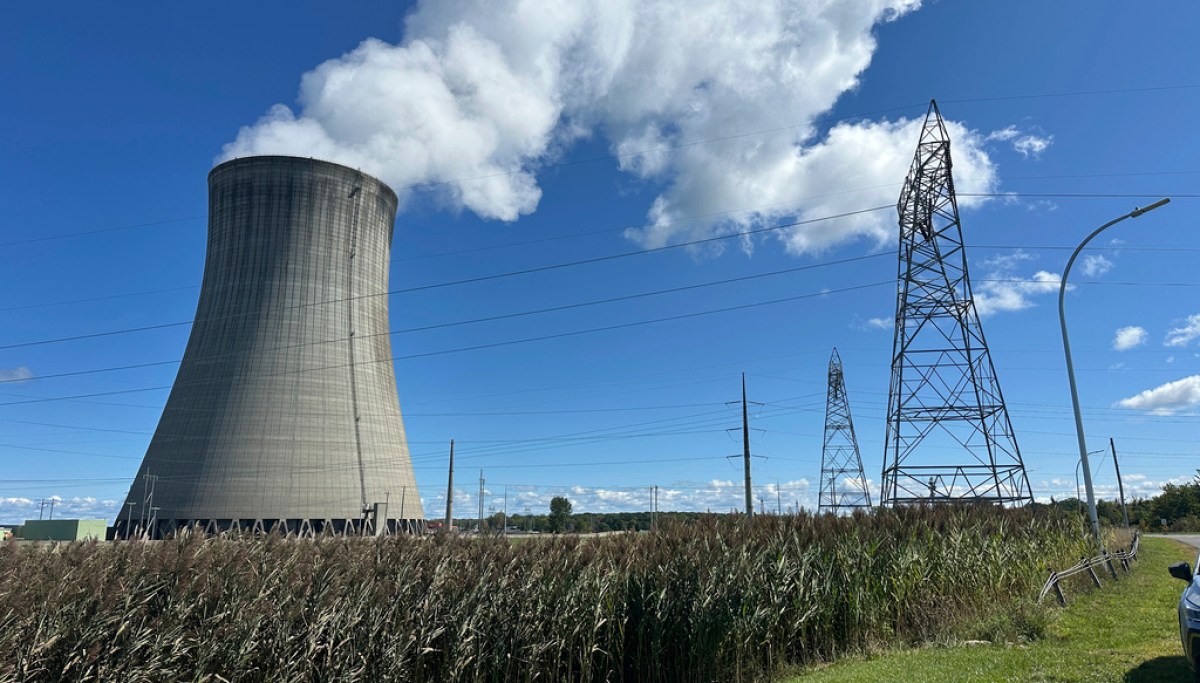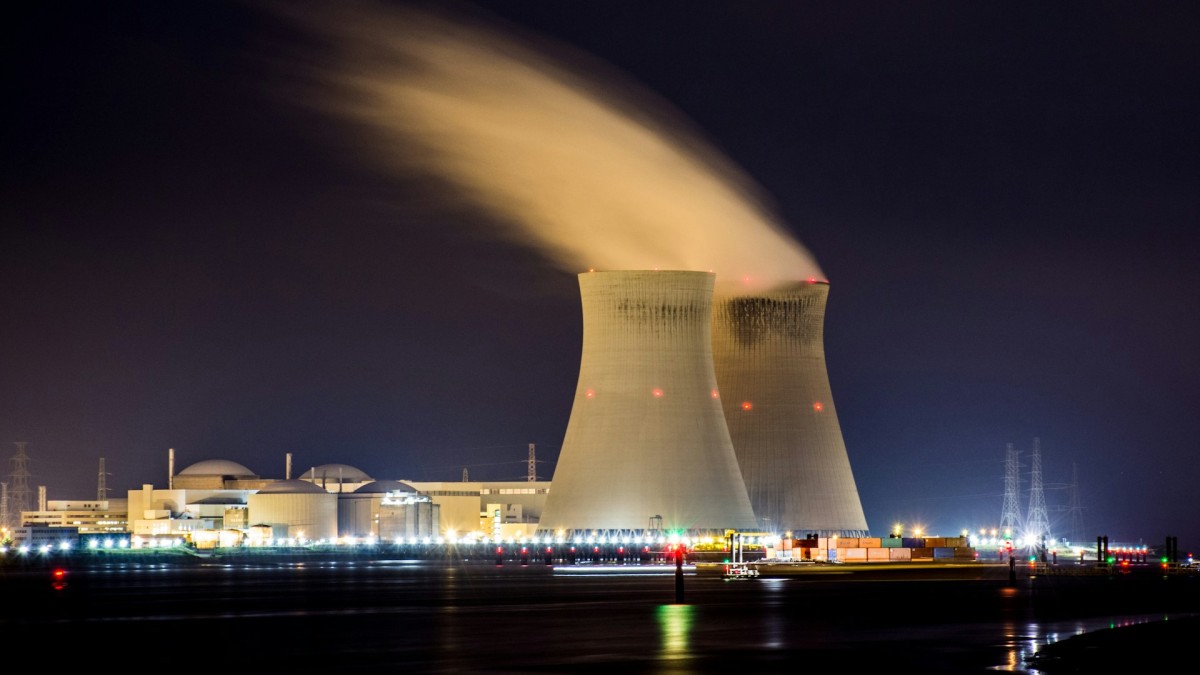
Donald Trump is trying to push forward a nuclear power renaissance in the United States as the AI boom presents the country with a major looming energy deficit. The federal government recently announced over $17 billion in federal loans as part of a scheme to encourage investment in revitalizing the nation’s ageing nuclear fleet. The move comes as part of a broader desire on the part of the Trump administration to “produce lasting American dominance in the global nuclear energy market.” However, it will take a lot more than a (complex and unusual) loan scheme to turn the United States’ beleaguered nuclear sector around.The United States produces more nuclear energy than any other country in the world, and has been for over 50 years. But that reign is likely coming to an end as the country’s fleet ages out, and China continues a building spree that will jettison that country to the top of the list in just a few short years. Almost all of the United States’ nuclear reactors were built between 1967 and 1990. In the last ten years, only one nuclear power plant has been built in the United States – Georgia’s Plant Vogtle – and the project is considered by many to be a failure, after coming online years late and billions over budget.Meanwhile, in the same ten years, China added a staggering 34 gigawatts of nuclear capacity, and plans on continuing its fast and furious growth rate. Beijing has prioritized the development of new nuclear reactors in its 15th Five Year Plan, and is on track to overtake both the United States and France to become the world’s largest nuclear producer in just five years.Set OilPrice.com as a preferred source in Google here.“By a wide margin, China will have the world’s most dynamic and significant nuclear industry through 2035,” an analyst for Gavekal Technologies was recently quoted by the South China Morning Post. “Construction efficiencies mean China can build a new plant in about six years, compared with more than a decade for the latest Vogtle reactors in the US,” Ma went on to say.Trump’s brand new $17.5 billion nuclear loan deal could be a step toward leveling the playing field with China – but experts also warn that it could fall flat. The “complex and unusual” policy involves helping utilities to buy the expensive components needed to build a specific kind of large reactor produced by Westinghouse in order to kickstart the country’s lagging nuclear energy supply chains. But the loans may be insufficient to reduce financial risk for would-be investors, insiders warn.“Electric utilities would need to put up hundreds of millions of dollars of their own money to unlock the federal financing, and none have publicly announced their participation yet,” the New York Times recently reported. ‘While a number of utilities have expressed interest in building large new nuclear power plants to meet rising electricity demand, many have so far been deterred by the difficulty and financial risk of doing so.”While nuclear energy is a promising option for offering clean, round-the-clock energy with proven technologies, the economics of building a new reactor are a huge deterrent – as demonstrated by what happened with Plant Vogtle. Plus, the United States is facing other major challenges both upstream and downstream of the reactors themselves.Sourcing nuclear fuel is a hot-button geopolitical issue, as most global supply chains run through Russia, and raw uranium supplies are largely cornered by Russia and China. On the downstream end of things, managing spent nuclear fuel is also a huge and costly issue for which the United States government has no long-term plan. And that lack of plan is massively costing taxpayers and making nuclear energy less attractive overall. A 2024 financial audit found that the Department of Energy has incurred liabilities of $37.6 to $44.5 billion due to its lack of long-term spent fuel management strategy.Earlier this year, Stanford Energy wrote that "U.S. nuclear energy faces fuel supply chain vulnerabilities, with tight uranium supplies, geopolitical risks, and rising costs threatening both existing reactors costs and advanced reactor development.” These pain points will be hard to overcome without coordinated policy efforts at the state and federal levels, and across the length of the nuclear supply China. It’s clear that a nuclear renaissance will not be solved through Trump's loan program alone.By Haley Zaremba for Oilprice.comMore Top Reads From Oilprice.comGermany Plans $1.7 Billion Strategic Natural Gas ReserveUAE Pumps 3.8 Million Bpd, Defying OPEC+ QuotasSix Key Issues to Watch at NATO’s Ankara Summit
Trump's Nuclear Loan Program Won't Fix What's Really Broken | OilPrice.com
Trump's $17.5B nuclear loan plan targets a US revival, but fuel supply risks, spent fuel costs and China's fast build-out threaten the effort.
750 words~3 min read