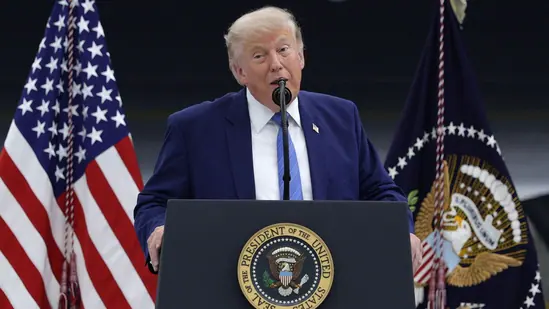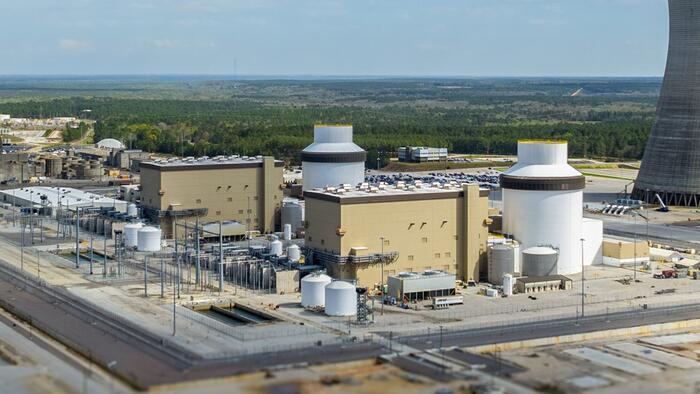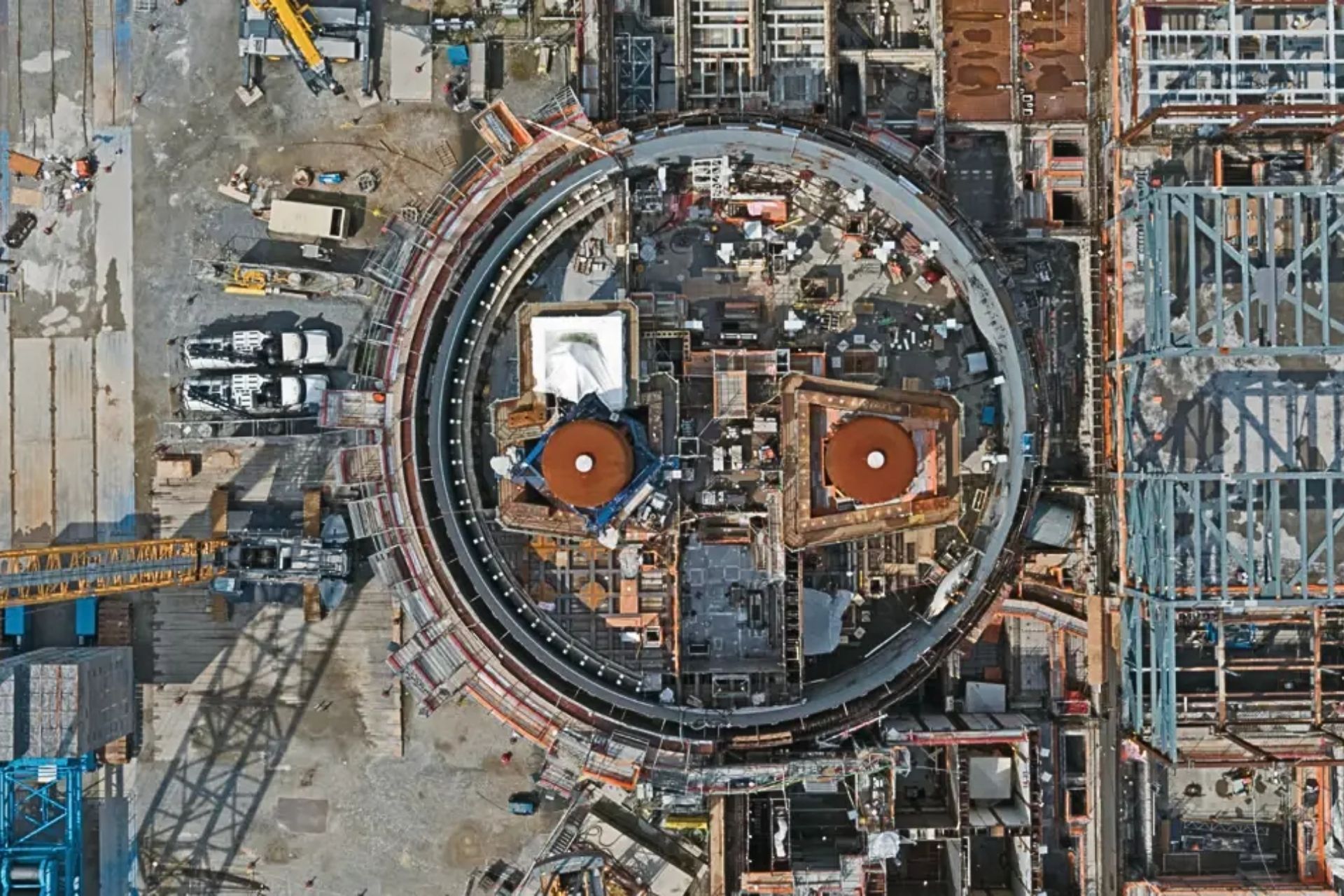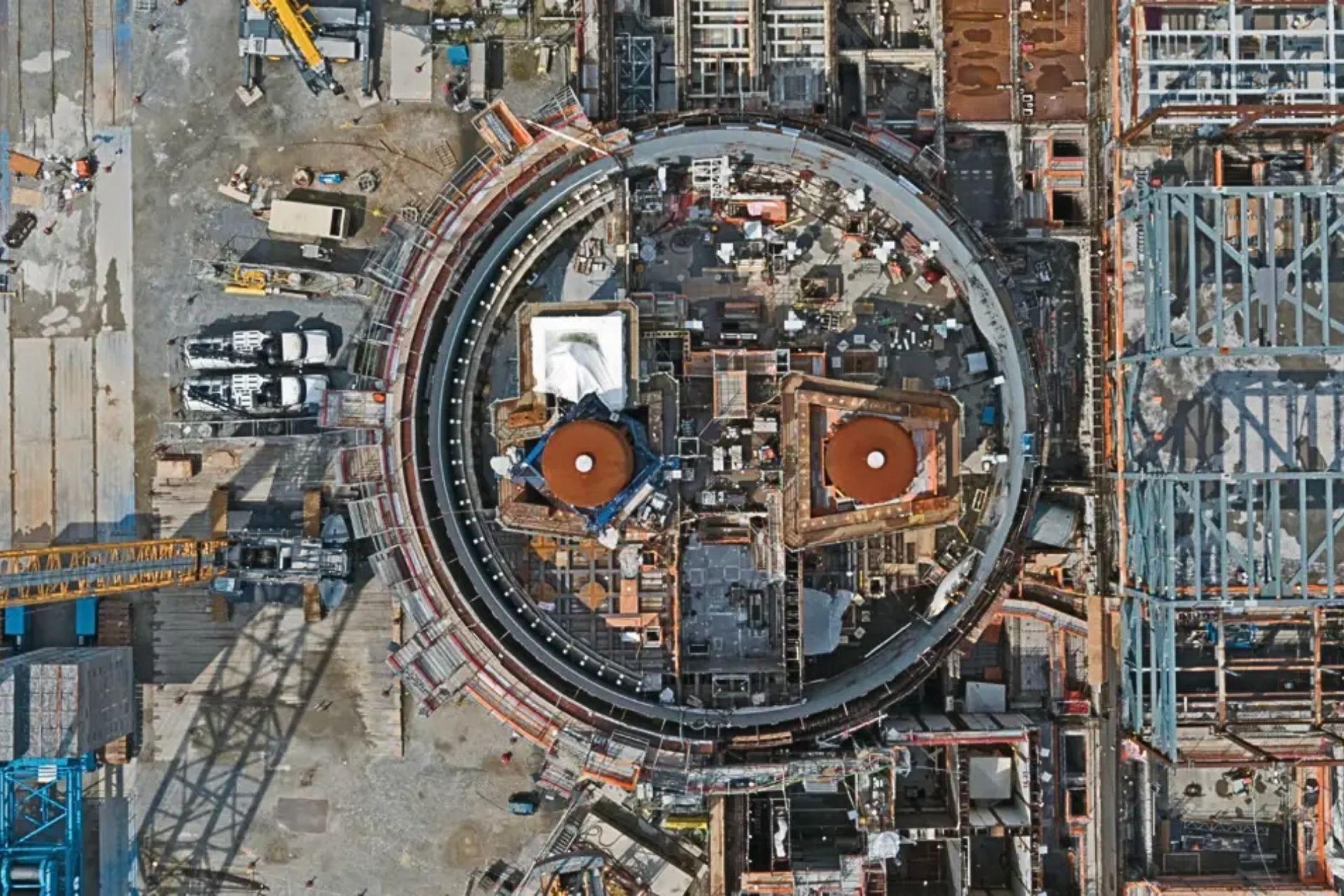
The Trump administration plans to issue $17.5 billion in loans to support the development of 10 new large nuclear power reactors, with the hope that the reactors will be under construction by the end of the decade and operational by the mid-2030s.This was a key goal laid out by President Donald Trump last year in his plan to quadruple domestic nuclear capacity by midcentury to support surging energy demand brought on by increased manufacturing and data centers running artificial intelligence. On Tuesday, the Department of Energy announced it was issuing the conditional loan commitments to finance five eligible projects for the procurement of long-lead-time items needed to build large nuclear power plants.
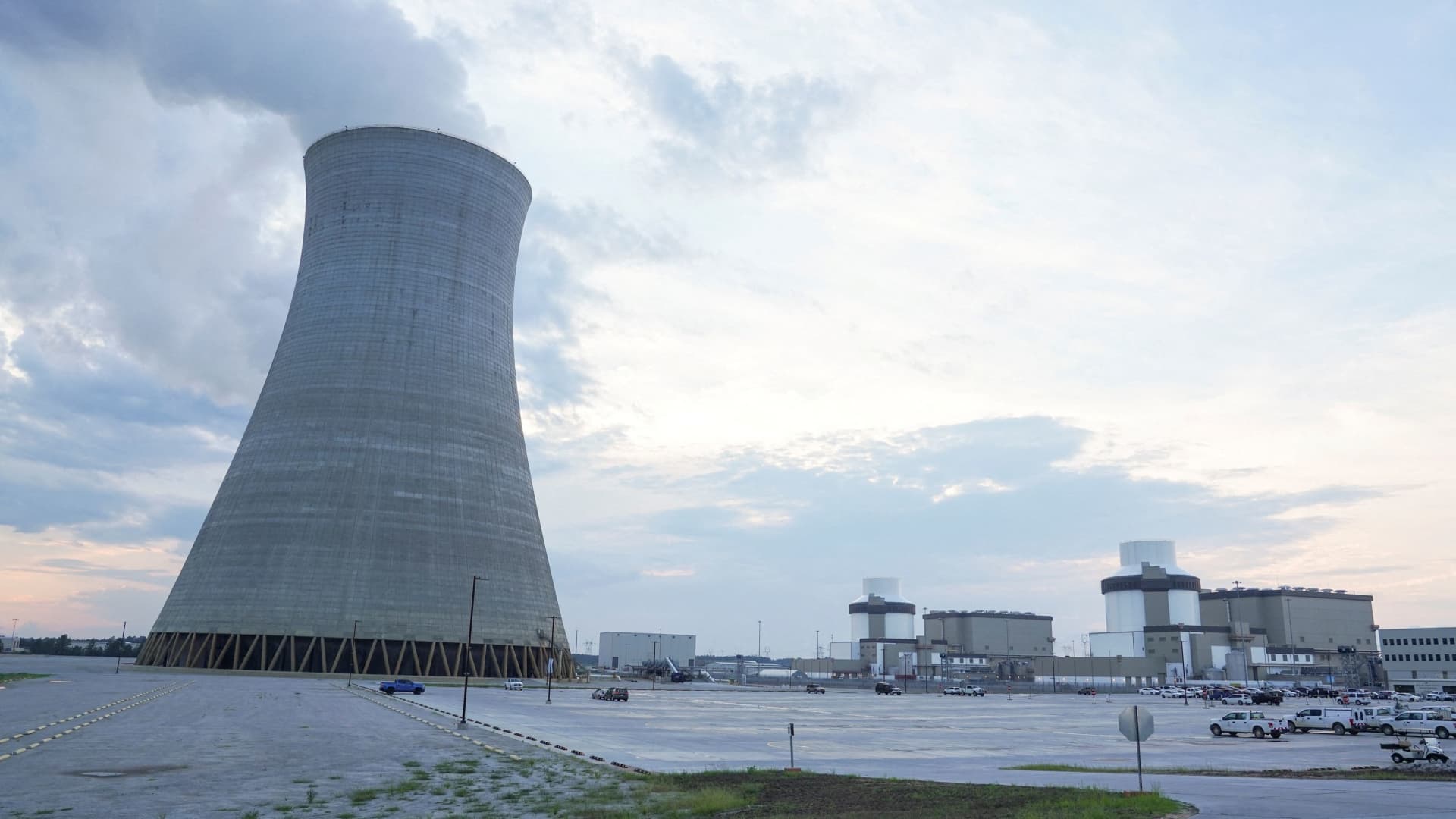
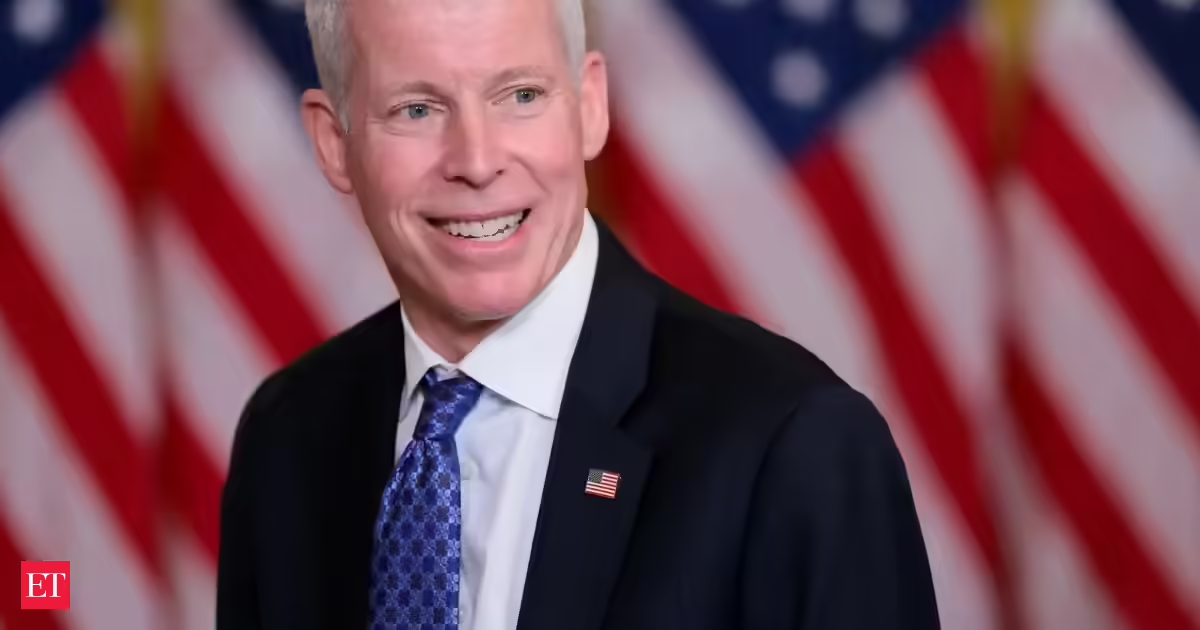
It marks the second-largest project taken on by the agency’s Office of Energy Dominance Financing since the loan office completely overhauled its portfolio and canceled nearly $30 billion in loans for clean energy projects finalized under the Biden administration. The new nuclear funding, which has been described as American Nuclear Supply Chain Loans, will specifically finance special-purpose vehicles backed by both utilities and energy companies that will lead the development of the new reactors.Each project must develop two large-scale reactors able to generate more than 1 gigawatt of electricity. For comparison, the city of San Francisco is estimated to require around 1 gigawatt of electricity during peak load. “Just over one year ago, President Trump directed the Energy Department and its agency partners to unleash the next American nuclear renaissance,” Energy Secretary Chris Wright said in a statement. “To accomplish that mission, these conditional loans will play an important role in reviving the supply chain needed for America to once again build large-scale commercial reactors. They will also help accelerate the timeline of building those large-scale reactors by up to three years, lowering construction costs and ensuring the United States is able to deliver on President Trump’s bold and ambitious energy addition agenda.”Nuclear giant Westinghouse is currently the only company to have licensed large-scale advanced commercial reactors operating in the United States. These reactors are better known as AP1000 units.The deal comes roughly eight months after Westinghouse also signed an $80 billion deal with the Commerce Department to build eight AP1000 power plants.As part of the new loan agreements, Westinghouse will partner with up to five utilities and energy companies to provide long-lead-time items needed to build a nuclear power plant. This includes items such as reactor pressure vessels, steam generators, and prefabricated structural modules, which typically require years of manufacturing.“All of this is very, very low risk to the American taxpayers,” Wright told reporters ahead of the announcement.“We are providing capital to help speed the development of projects with strong, well-capitalized players that have off-takers for these plants,” he added. “This is not a risky endeavor in any frame of the word, but it is a helpful endeavor to really launch the construction of large scale reactors in the United States.”Each project will be jointly owned by Westinghouse and the utility or energy company partner, the Department of Energy said. Wright clarified that the loans are not being directly supplied to Westinghouse but are instead meant to build up a domestic supply chain for future reactors.“These are loans used to get a supply chain going, so we can build these reactors faster and quickly, and they will be at multiple locations around the country,” he said.The agreements stipulate that the developers must both commit their project equity of $500 million each to access the loan. The administration did not reveal what companies Westinghouse plans to partner with, but said the nuclear reactor developer has signed letters of intent with seven possible partners. Final decisions on which specific utilities and energy companies will be selected, as well as where the projects will be built, have not yet been made.EDF director Greg Beard told reporters that the agency expects to be “sold out” of the capital for the initial five SPVs by the end of the year.Once under construction, Beard said it will probably take five or so years for the reactor projects to be completed and operational.“It’s really the mid 2030s by the time you see, you’ll see power when these plants come on,” he said.NUCLEAR DEVELOPERS RACE FOR TRUMP GOAL OF ‘CRITICALITY’ BEFORE JULY 4 DEADLINEOnce completed, the 10 reactors are expected to generate 1.1 gigawatts of power, with a combined output equivalent to the amount needed to power nearly 10 million households.The Trump administration has said that, while it is committed to financing the projects, the Department of Energy and involved companies must satisfy certain technical, legal, environmental, and financial conditions before the loans can be finalized.