November 13th, 2025
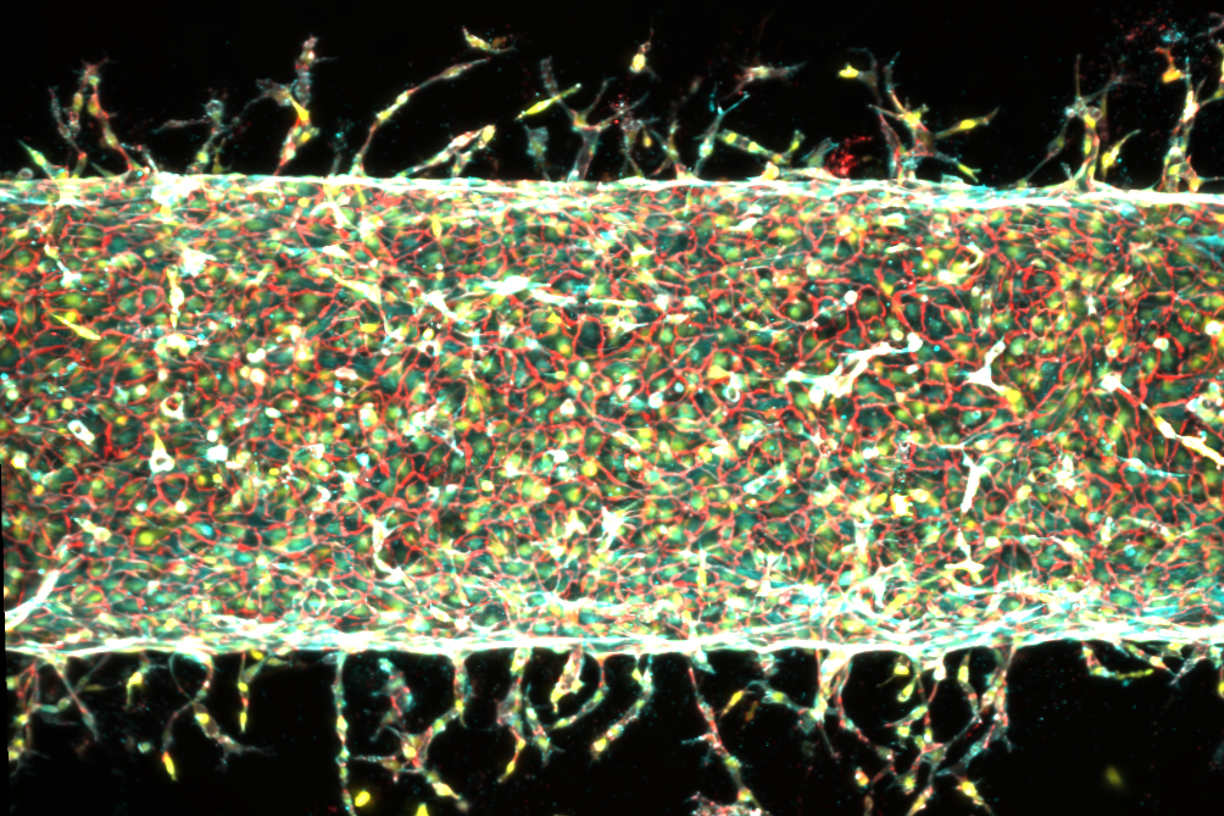
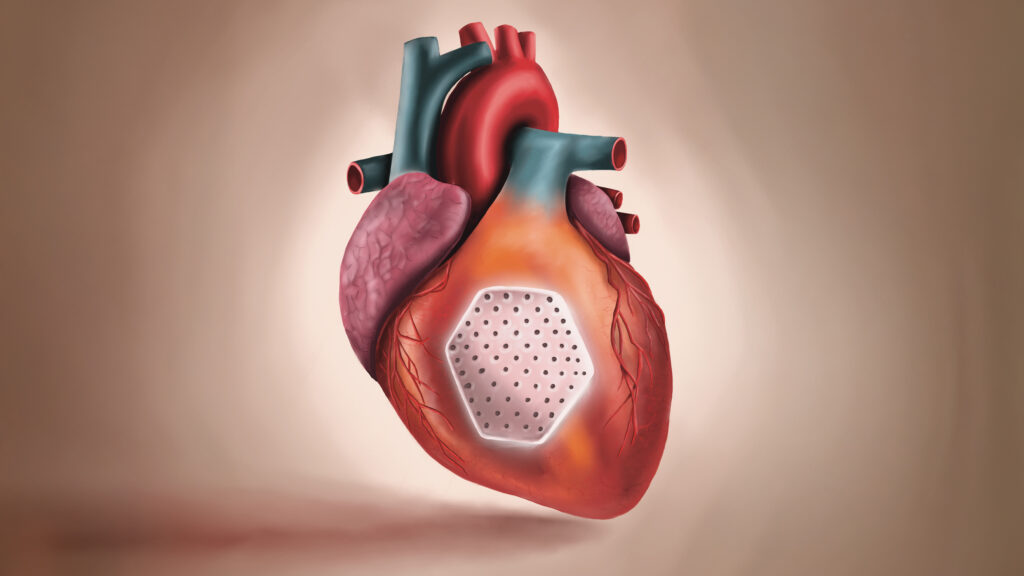
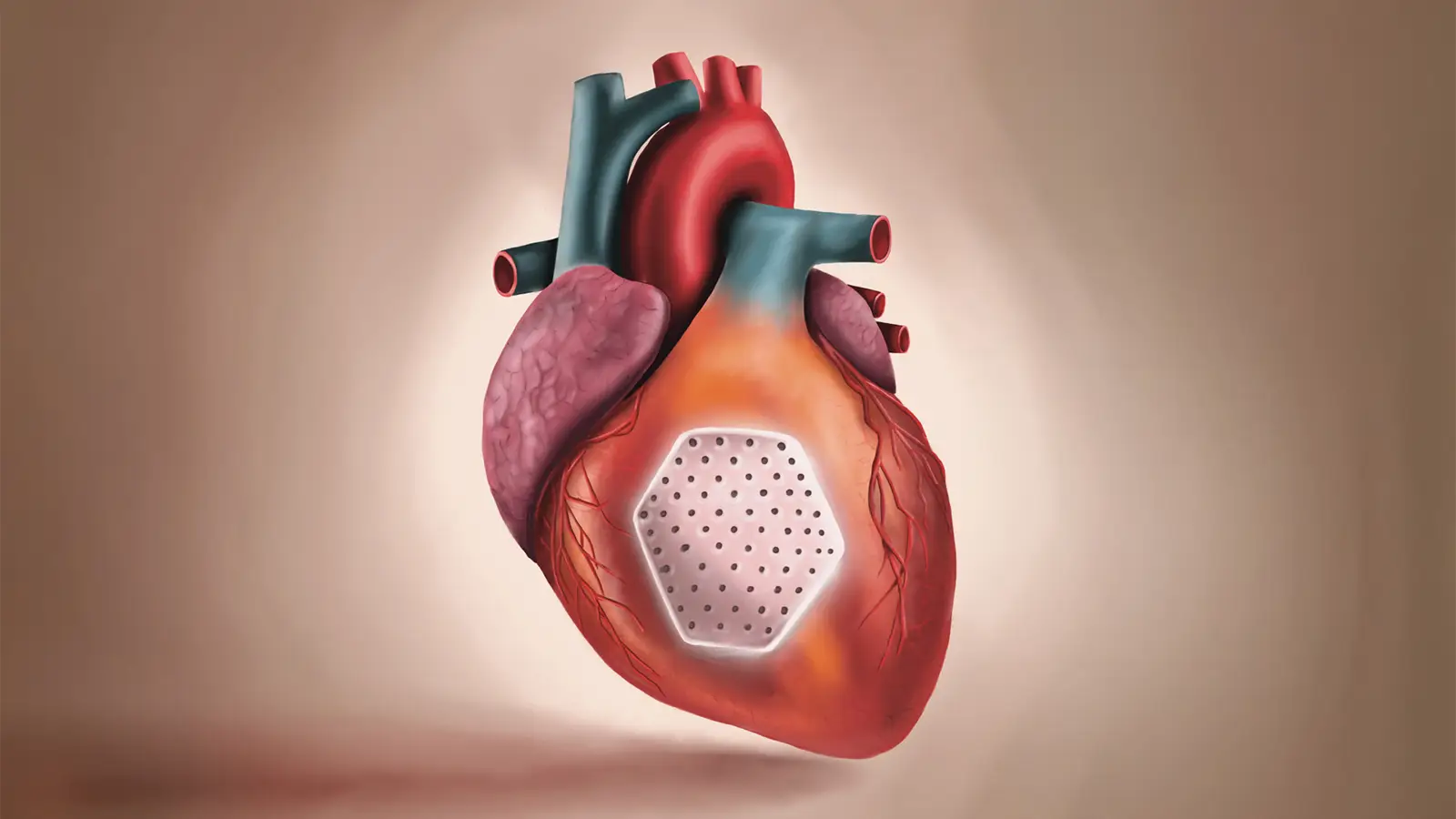
Thin sheets of engineered artificial tissue can be readily manufactured because they do not require a vasculature, perfusion of fluids is sufficient to support the cells. For some years now, researchers have developed the capability to manufacture thin heart tissue patches. A number of preclinical studies in various animal models have demonstrated that applying these patches to an injured heart promotes greater regeneration and restoration of function than normally takes place. Here, the technique is combined with a minimally invasive form of surgery as a proof of concept, and used in rats following heart attack to promote greater regeneration.
For years, scientists have been working on ways to replace damaged tissue with healthy heart cells derived from stem cells. Early efforts showed promise, but most required open-heart surgery - a procedure too risky for many patients already struggling with severe heart failure. Scientists have long hoped that stem cells could provide a way to rebuild what the body cannot. By reprogramming ordinary adult cells such as skin or blood cells into induced pluripotent stem cells (iPSCs), researchers can coax them into becoming replacement heart cells. But safely and effectively delivering engineered heart tissues made from these cells has remained a major challenge.