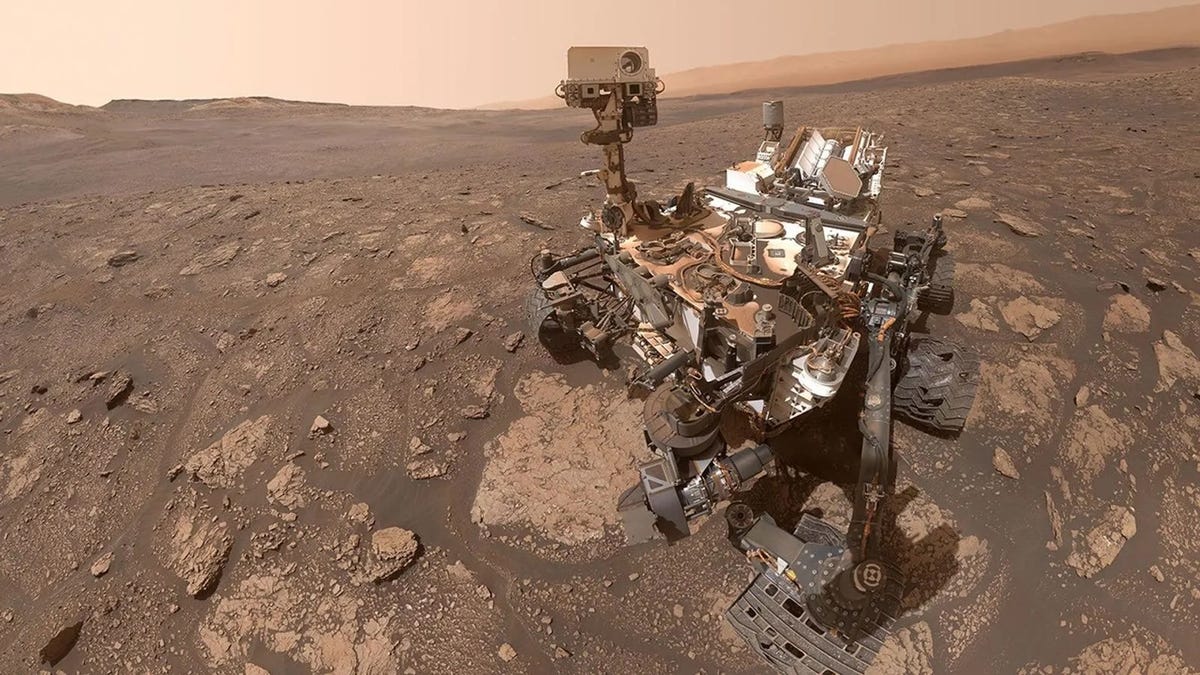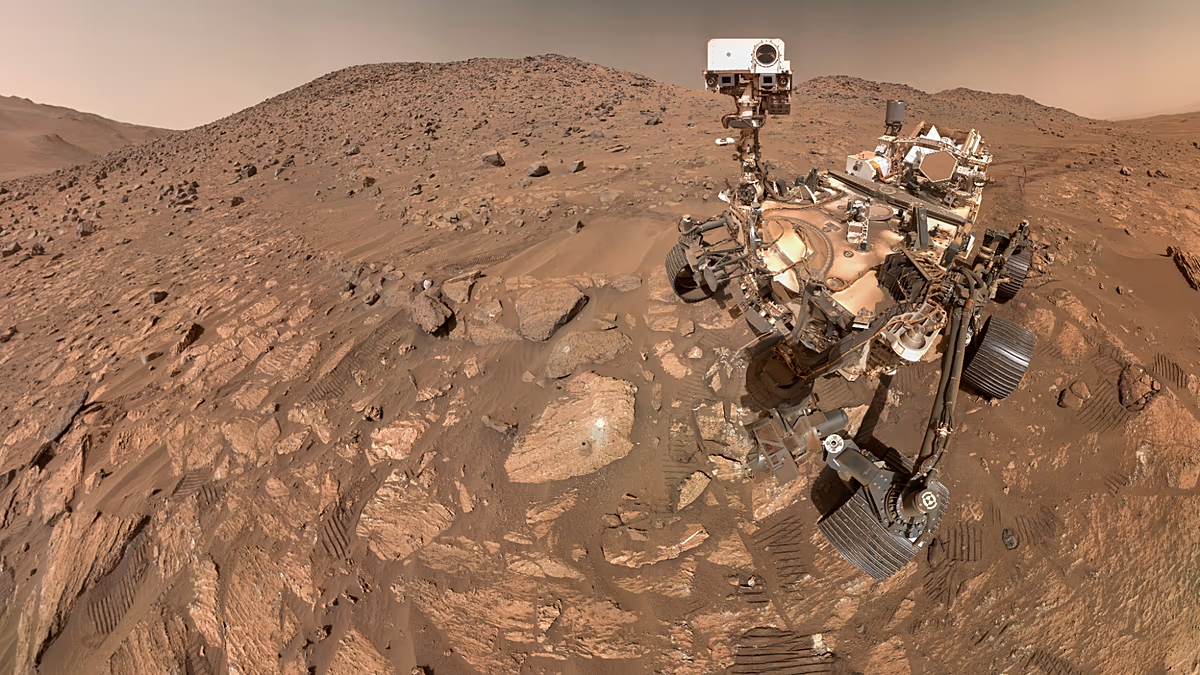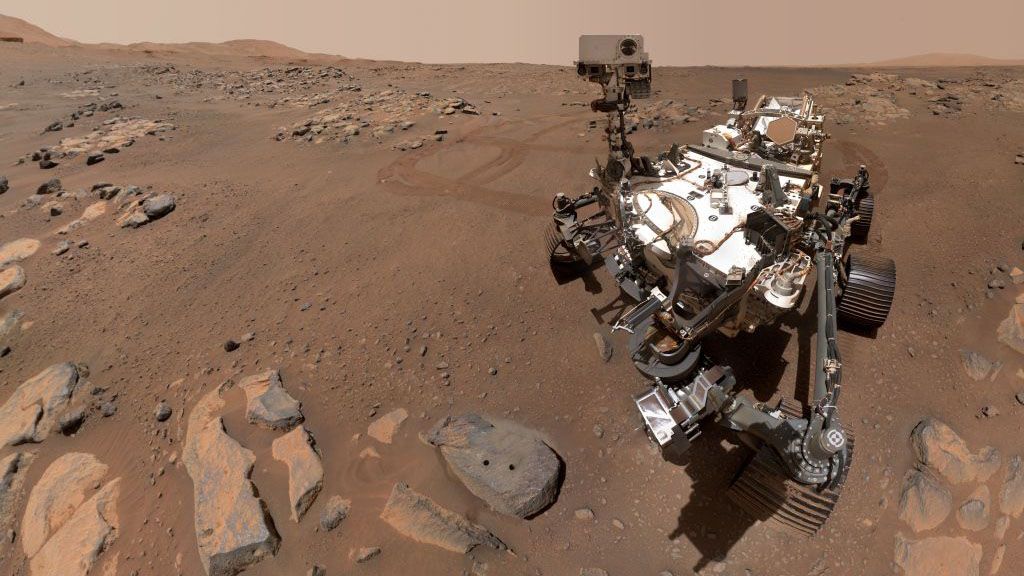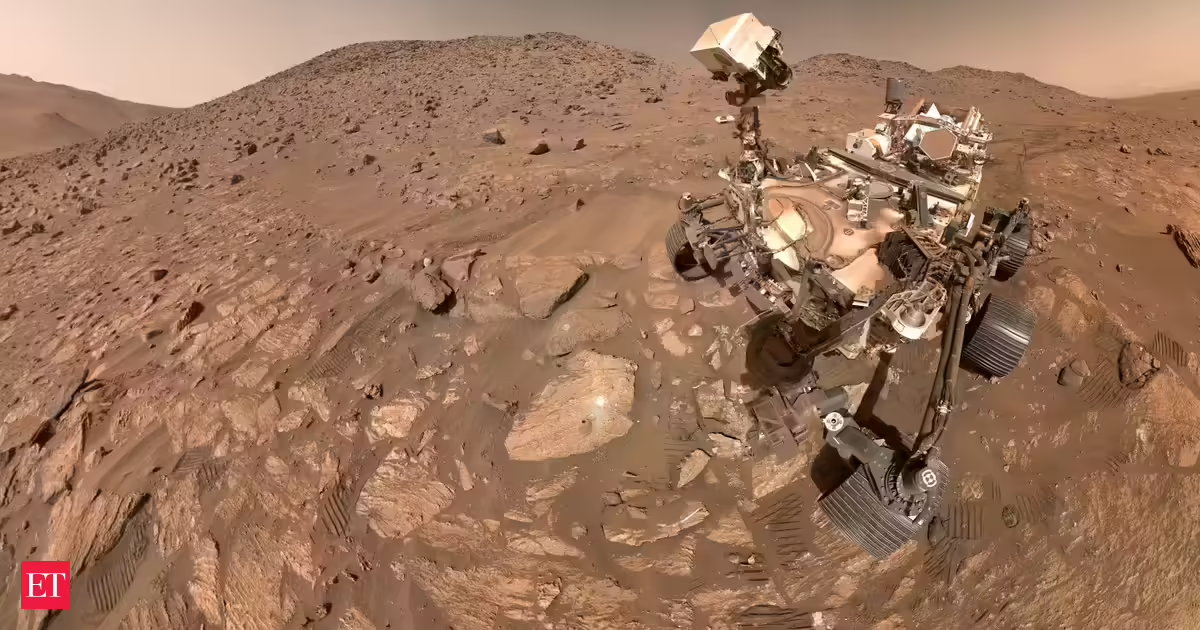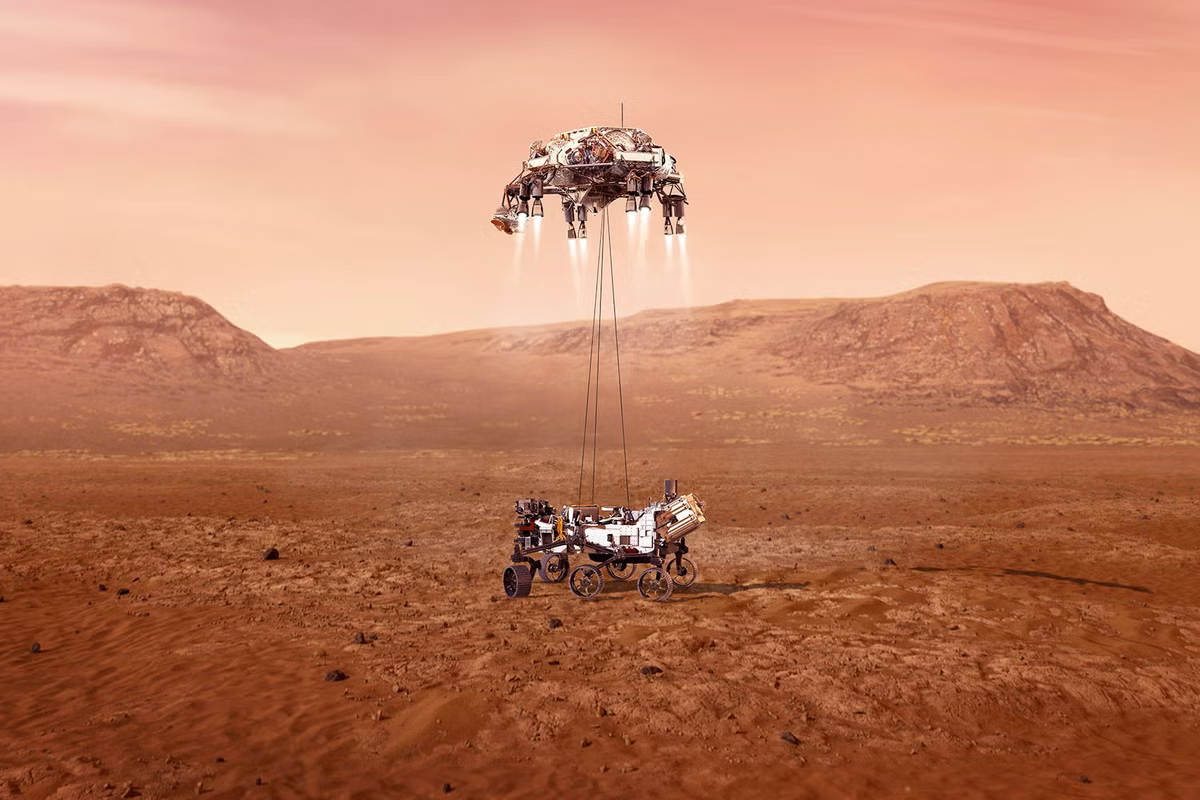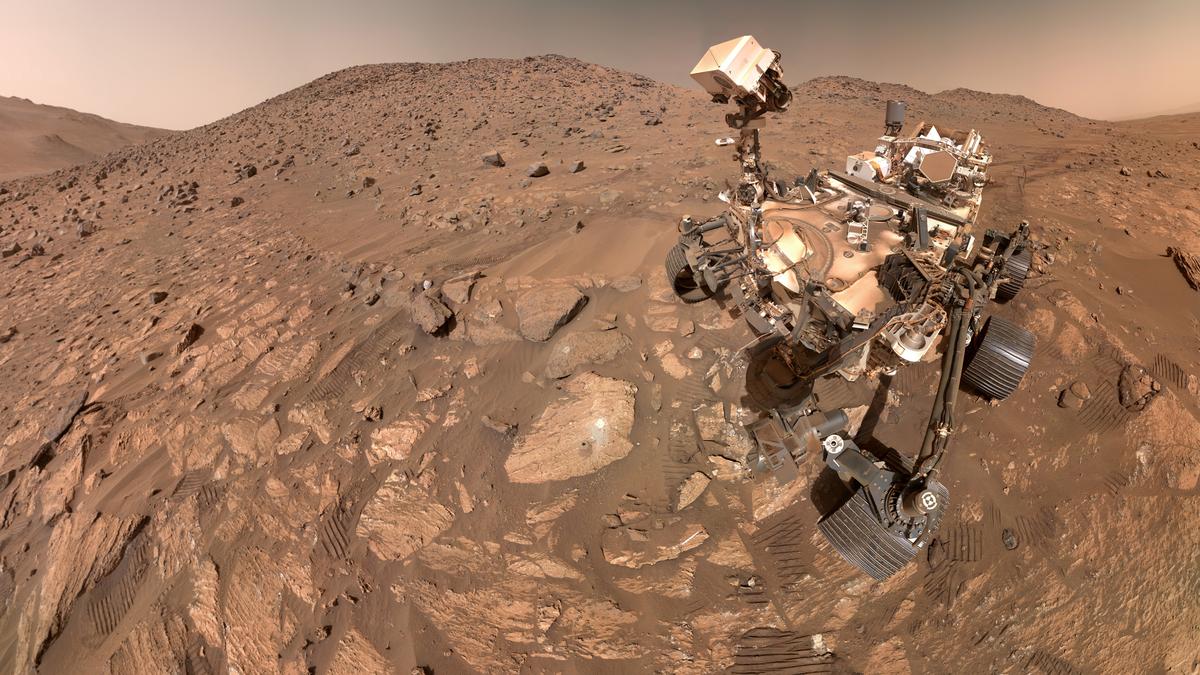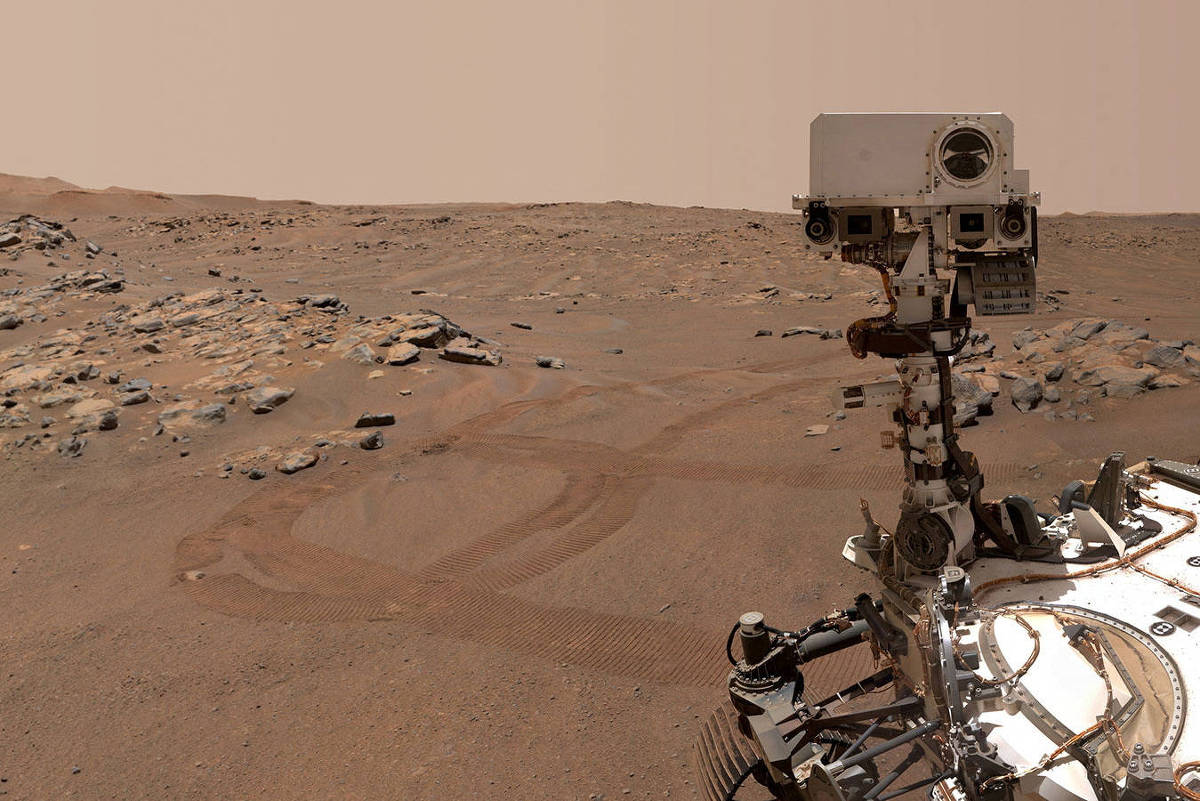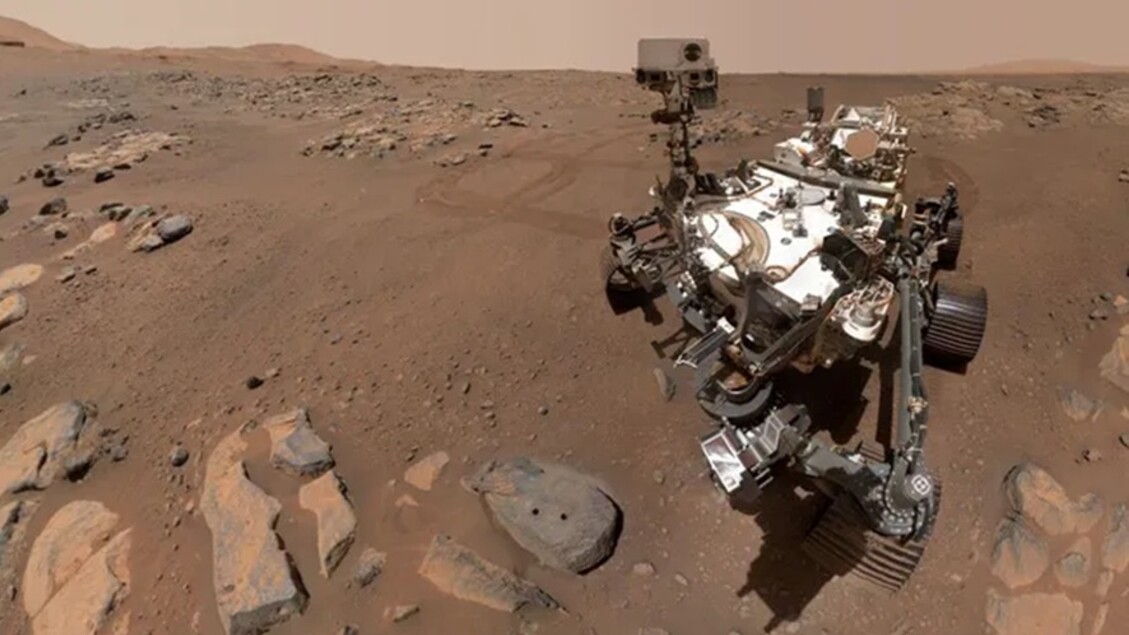
Mars was not always the cold, dry world we see today. Billions of years ago, scientists believe it may have been warm, wet, and wrapped in a much thicker atmosphere, creating conditions that could have supported simple microbial life. Even so, proving that life ever existed there remains one of the biggest challenges in planetary science.
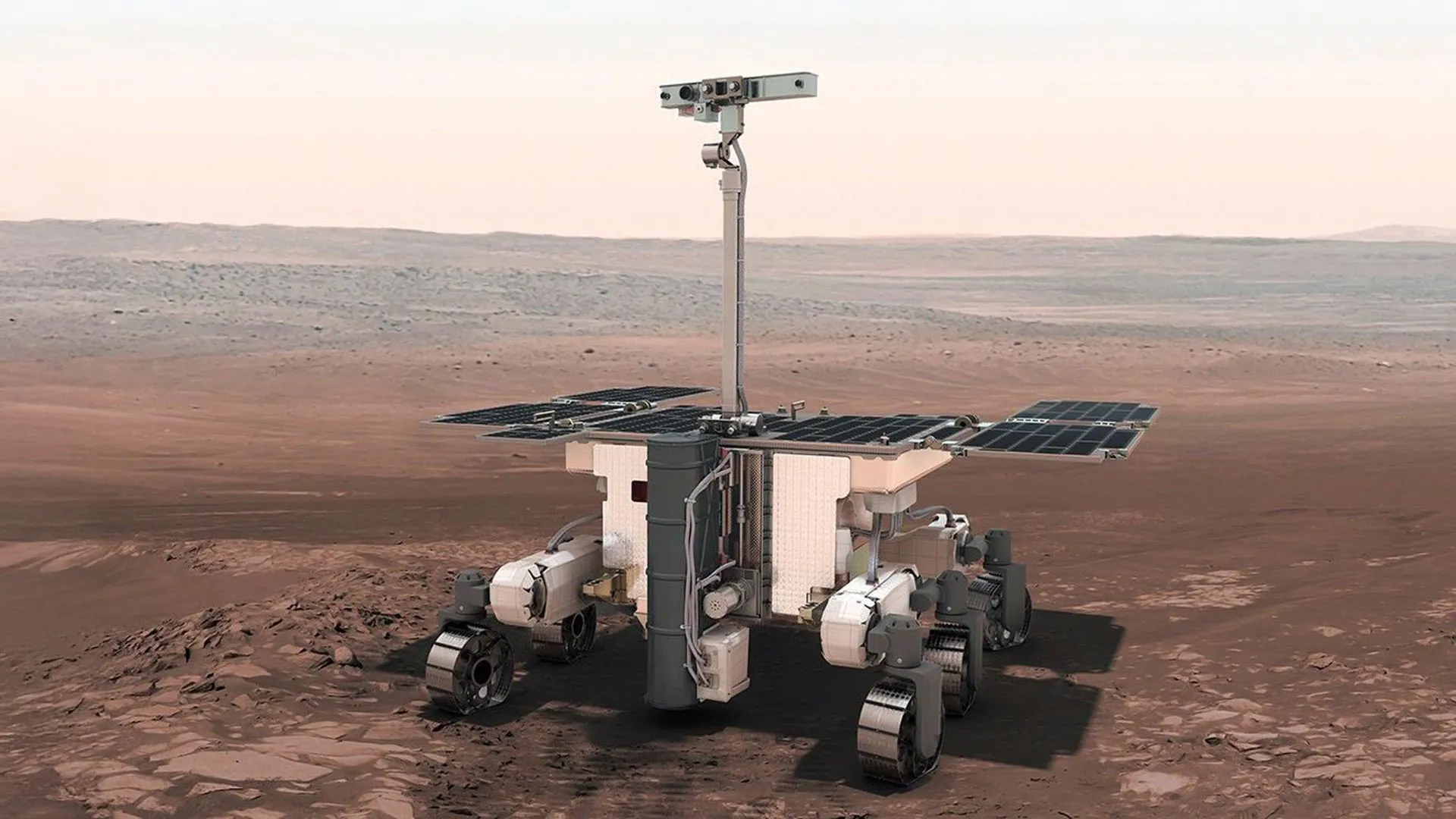
NASA's rovers have already detected organic molecules in Martian rocks, but those compounds alone cannot confirm that life was once present. Beginning in 2030, the European Space Agency's Rosalind Franklin rover is expected to join the search with specialized instruments designed to look for stronger chemical evidence. Now, researchers from the Max Planck Institute for Solar System Research (MPS), the University of Göttingen, and Côte d'Azur University in Nice (France) have put one of the rover's key detection methods through a demanding test.
Searching for Ancient Martian Biosignatures
Finding convincing evidence of ancient Martian life means telling apart organic molecules created by living organisms from those produced through ordinary chemistry. Researchers believe two hydrocarbons, pristane (C19H40) and phytane (C20H42), could help answer that question.