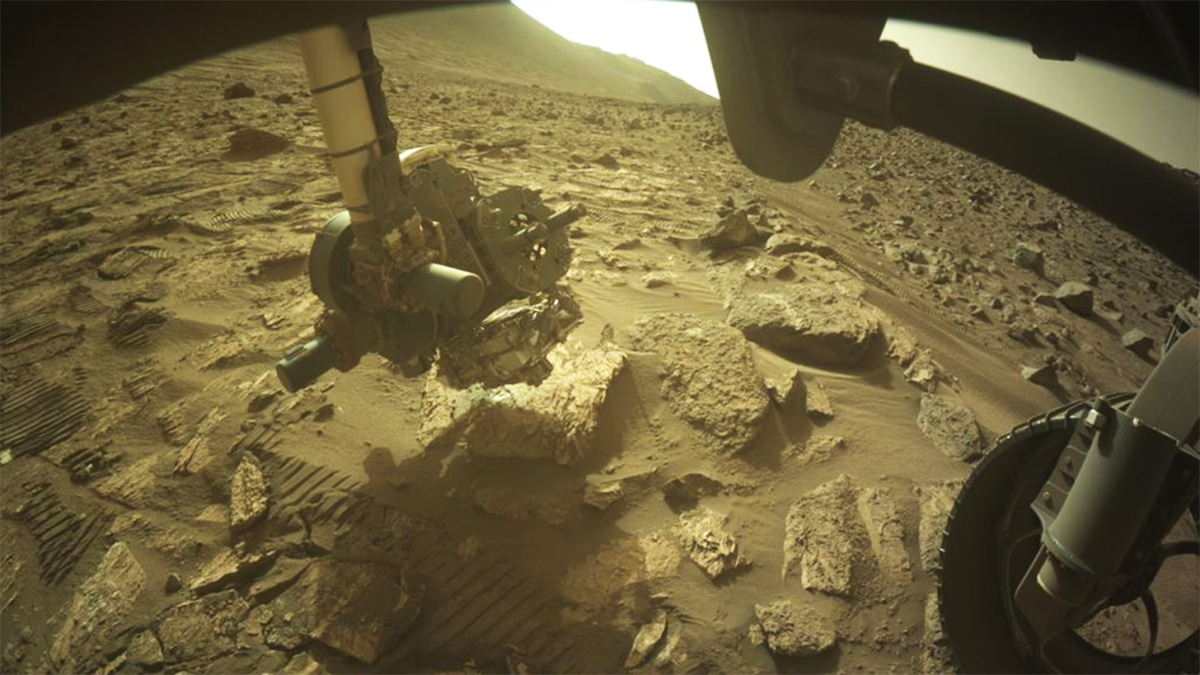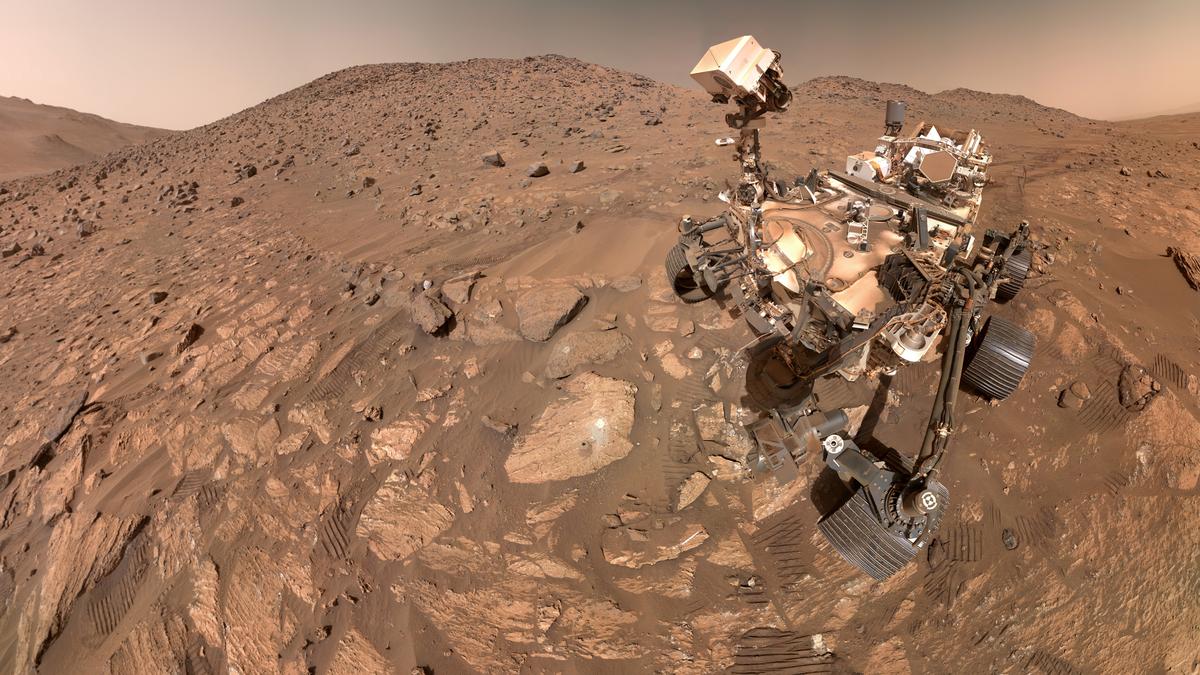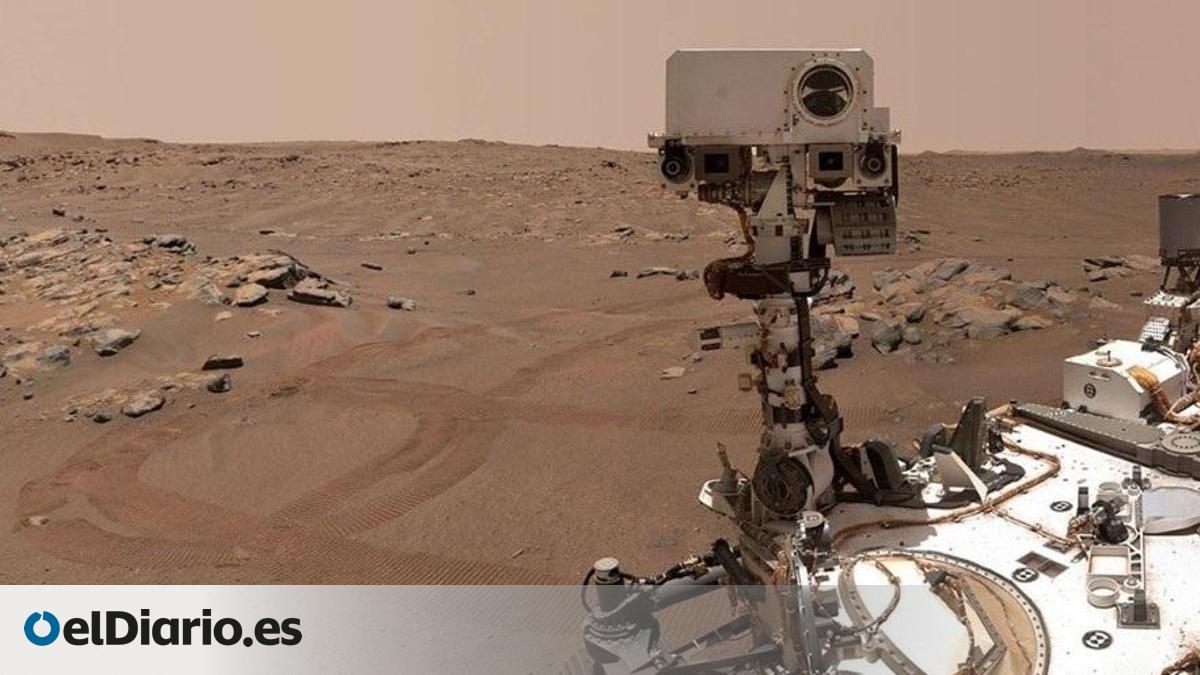
What if traces of life's building blocks were hiding in rocks that have sat untouched for billions of years? That possibility has come alive again after scientists detected complex organic matter across multiple locations in an ancient river valley on Mars. The discovery was made inside Jezero Crater, the site where NASA's Perseverance rover has been exploring since 2021. Researchers say the findings reveal that organic compounds are more widespread on Mars than previously known and may provide important clues about the planet's ancient environment.What researchers found on MarsThe study, led by Ashley E. Murphy and colleagues and published in Science Advances on June 24 analyzed rocks in Jezero Crater, a region believed to have once hosted a lake fed by rivers billions of years ago.Using Perseverance's SHERLOC instrument, scientists detected complex organic matter in several rock formations scattered across an ancient river channel. Rather than finding organic compounds in a single location, the team discovered them distributed throughout the area.This suggests that organic chemistry was not limited to one isolated environment but may have been common across parts of ancient Mars.What are organic molecules?Organic molecules are compounds that contain carbon and are considered the fundamental building blocks of life as we know it. However, scientists stress that finding organic matter does not mean they have found evidence of past life.Organic compounds can form through both biological and non-biological processes. Volcanoes, chemical reactions involving water and rocks, meteorite impacts, and living organisms can all produce them. The discovery therefore points to potentially habitable conditions rather than proving that life once existed on Mars.Why Jezero Crater mattersJezero Crater is one of the most important locations on Mars for astrobiology research. Scientists believe the crater contained a lake roughly 3.5 to 4 billion years ago. Rivers flowing into the lake deposited sediments, creating an environment that may have been capable of preserving chemical signatures for billions of years.On Earth, river deltas and lake sediments are excellent places for preserving organic material. Researchers selected Jezero as Perseverance's landing site partly because of its potential to hold evidence of ancient Martian chemistry.Why this discovery is importantOne of the study's biggest findings is that organic matter was found in multiple geological settings rather than a single rock sample. According to the researchers, this broad distribution suggests that organic compounds may have been preserved across different environments and through various geological processes.The researchers also noted that these organic-rich rocks lie more than 3,500 kilometers from similar organic detections previously made by NASA's Curiosity rover in Gale Crater. The findings suggest that organic compounds and potentially habitable environments may once have been widespread across ancient Mars, rather than limited to a single location. The team also found associations between organic matter and minerals that formed in water-rich conditions. This strengthens evidence that water once played a major role in shaping the Martian landscape and preserving chemical materials.Does this mean Mars once had life?Not yet. The researchers noted that the discovery does not provide direct evidence of ancient organisms. Instead, it shows that Mars possessed some of the chemical ingredients considered important for life.Determining whether any of these compounds have a biological origin will require more detailed analysis. Scientists hope future Mars Sample Return missions will eventually bring carefully selected Martian rock samples back to Earth, where laboratories can study them using instruments far more powerful than those available on a rover.What the study tells us about ancient MarsThe findings paint a picture of a planet that was once more chemically active and potentially more hospitable than the cold, dry world seen today.By discovering complex organic matter across an ancient river valley, researchers have added another piece to the puzzle of Mars' history. The study suggests that environments capable of preserving life's building blocks may have existed over large areas of the planet billions of years ago.
NASA's Perseverance discovers a rich cache of organic molecules on Mars, suggesting the building blocks of life were widespread on the ancient Red Planet
Life on Mars: Scientists have detected complex organic matter in an ancient river valley on Mars, specifically within Jezero Crater. This discovery, made by NASA's Perseverance rover, suggests that the building blocks of life were more widespread on the Red Planet billions of years ago than previously understood.
639 words~3 min read