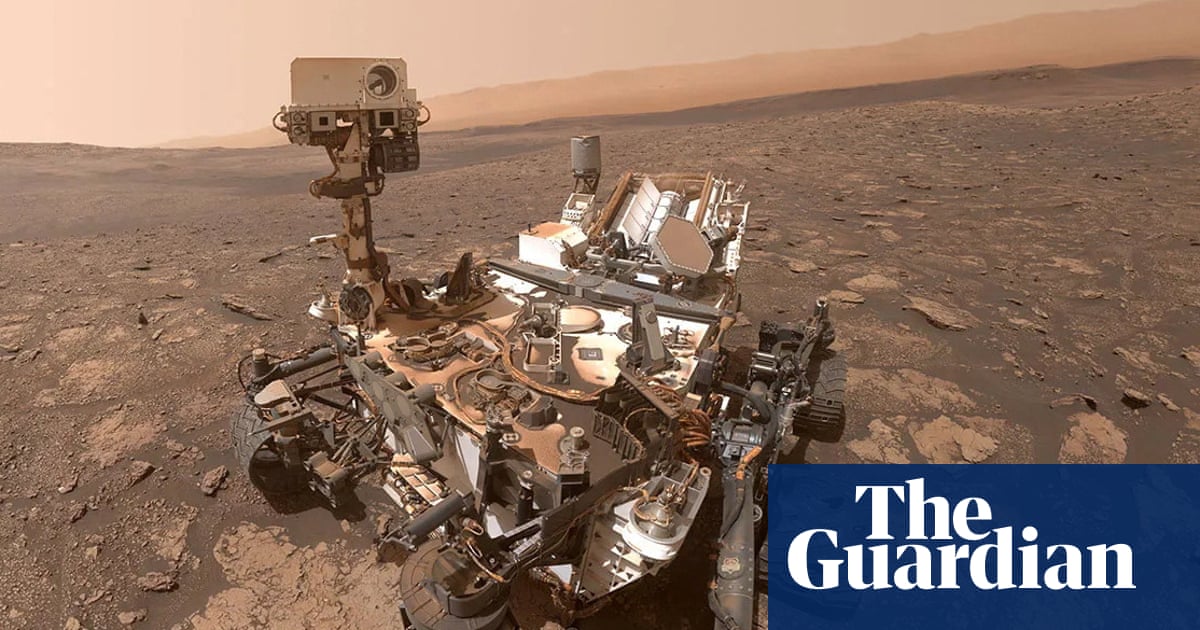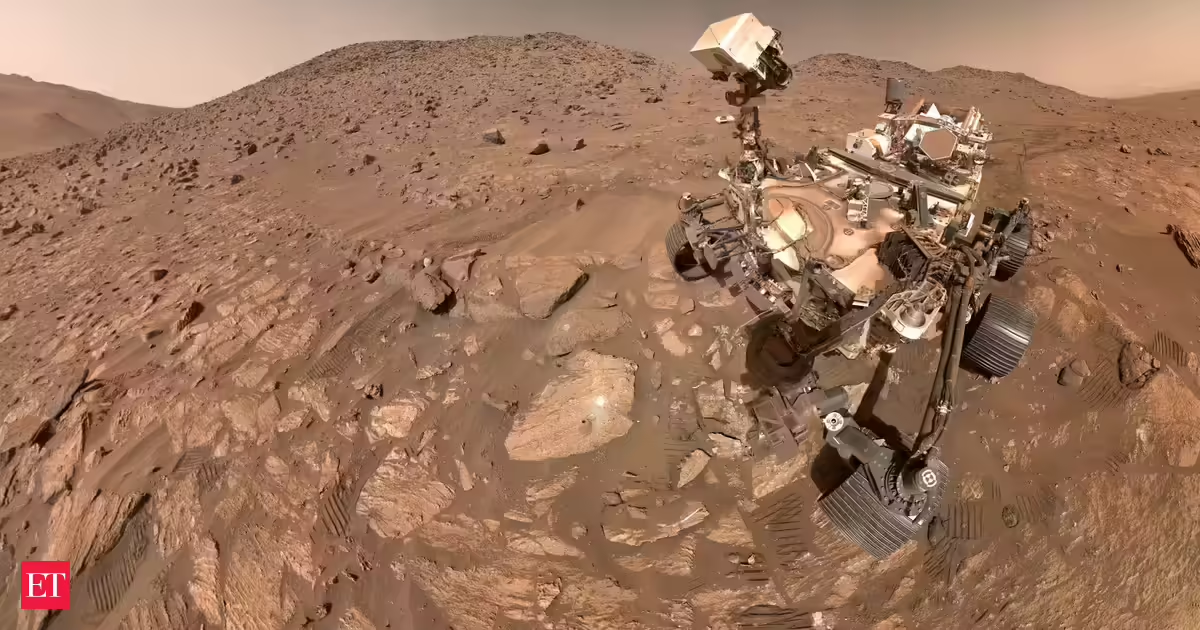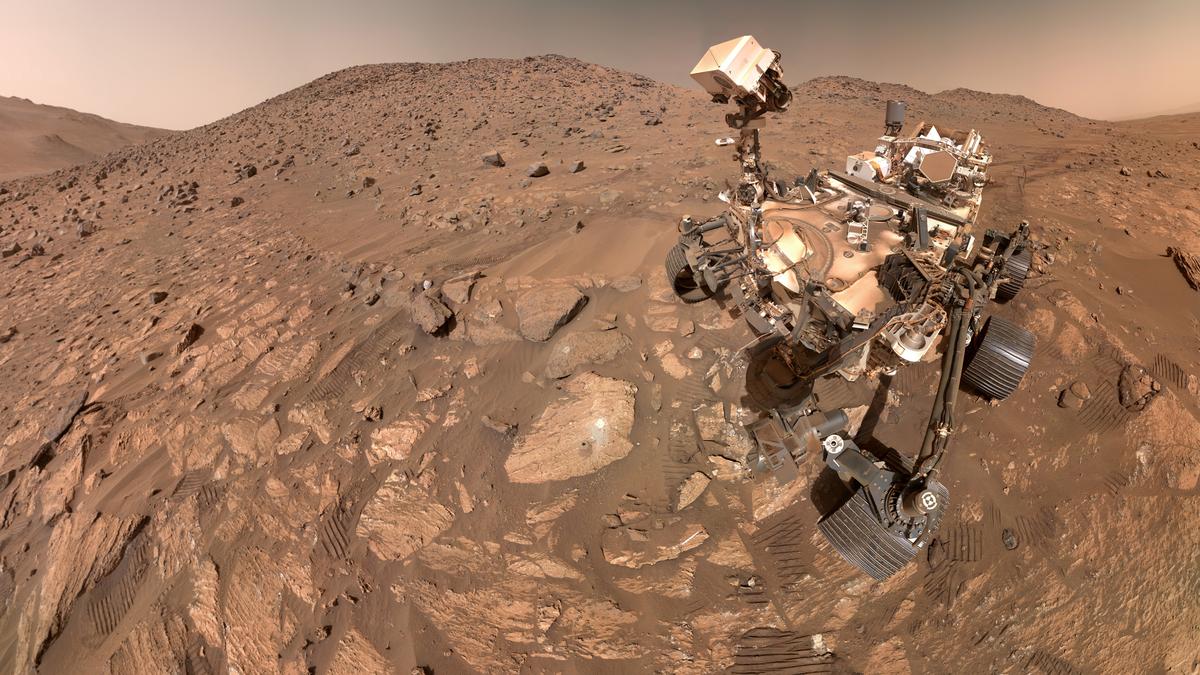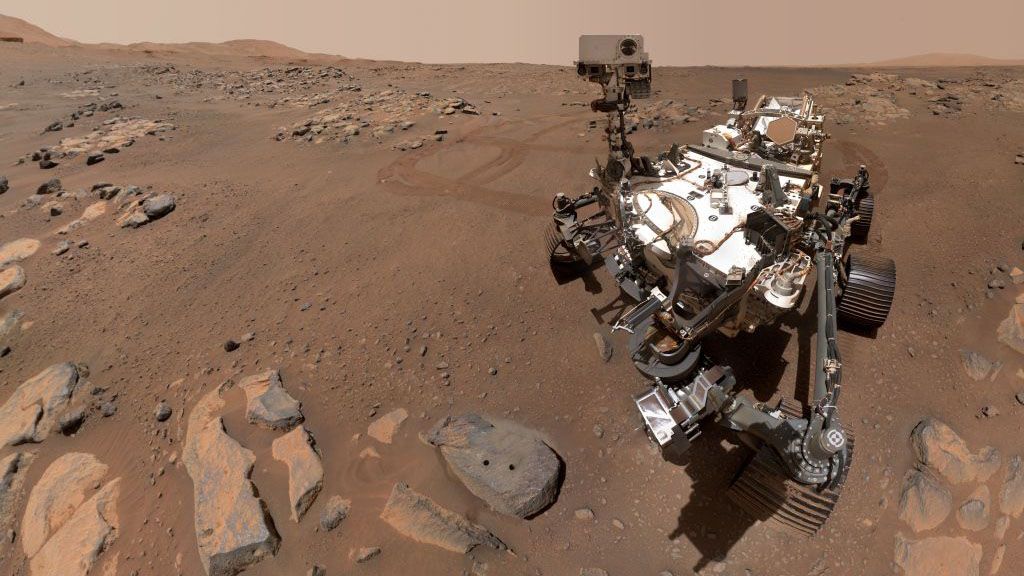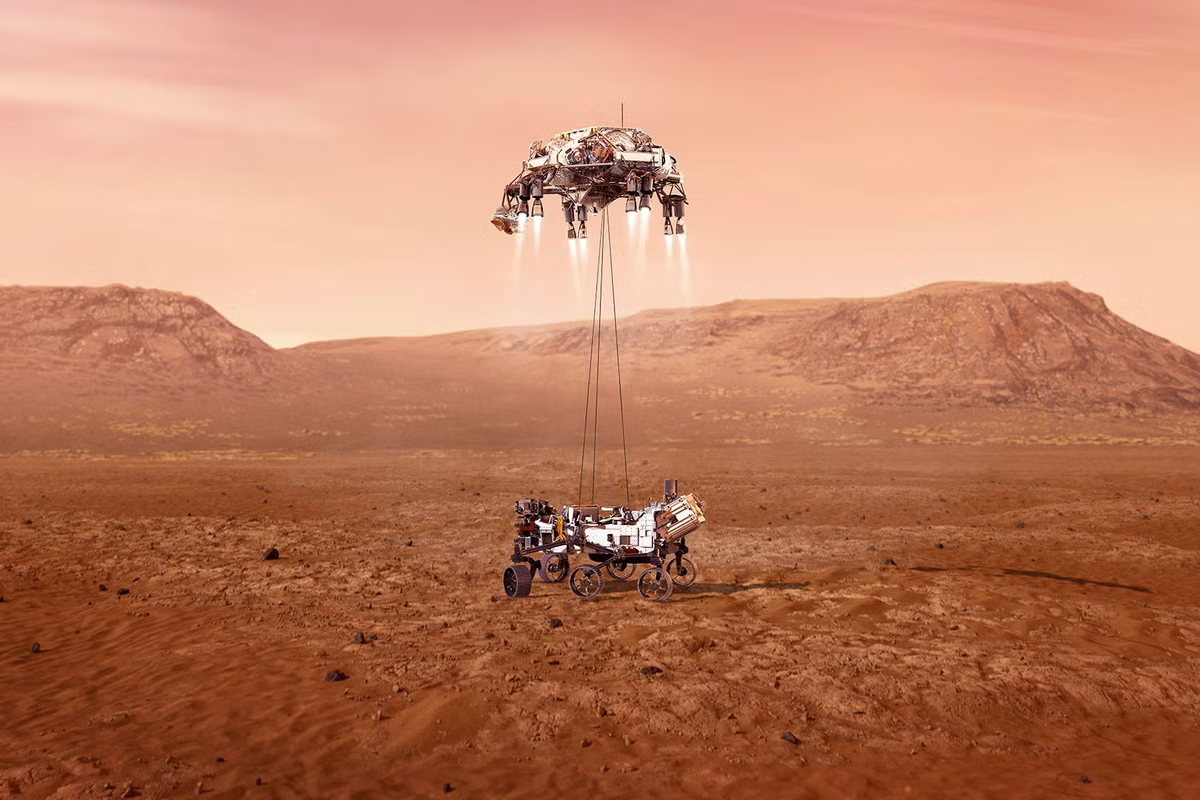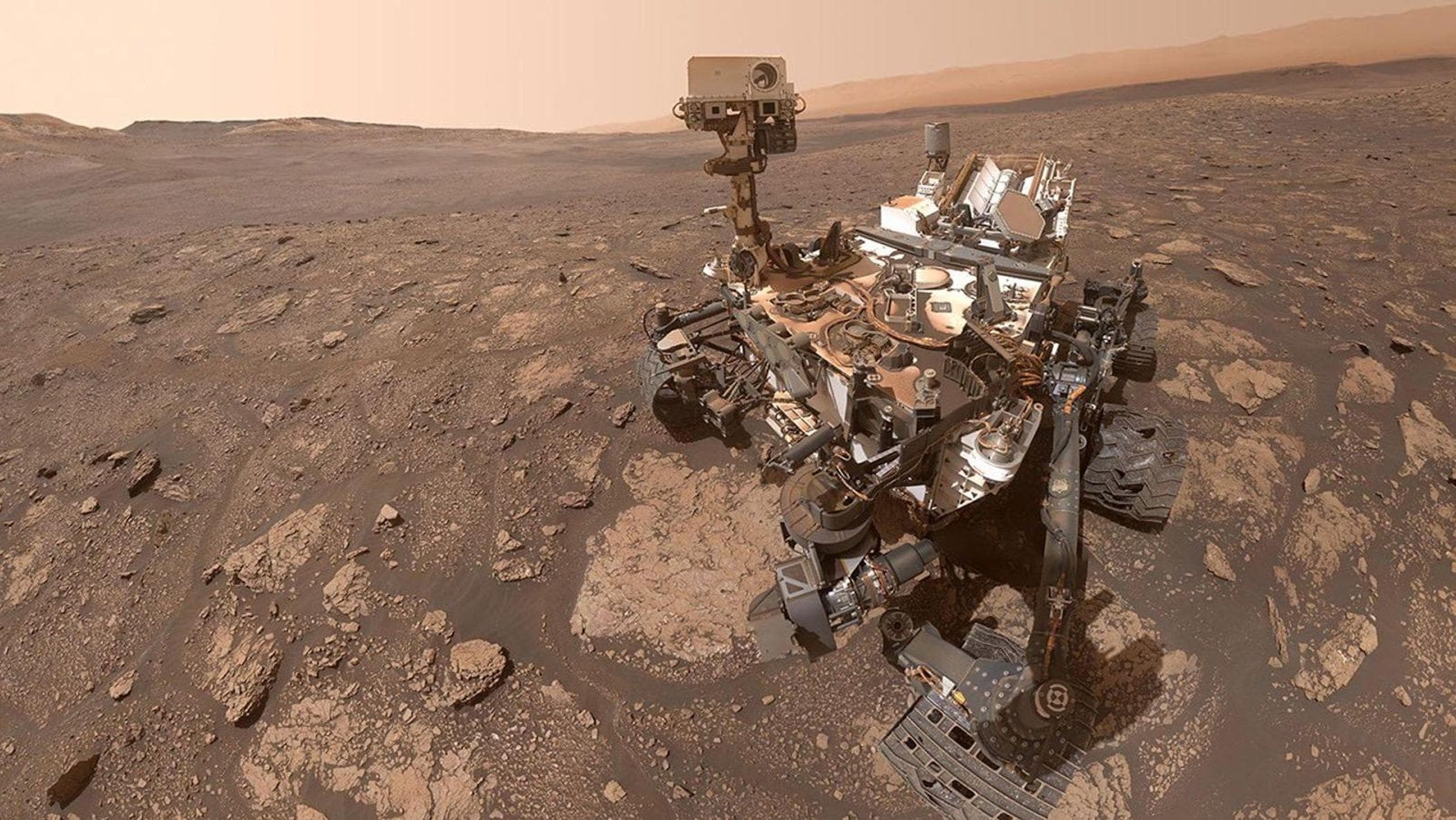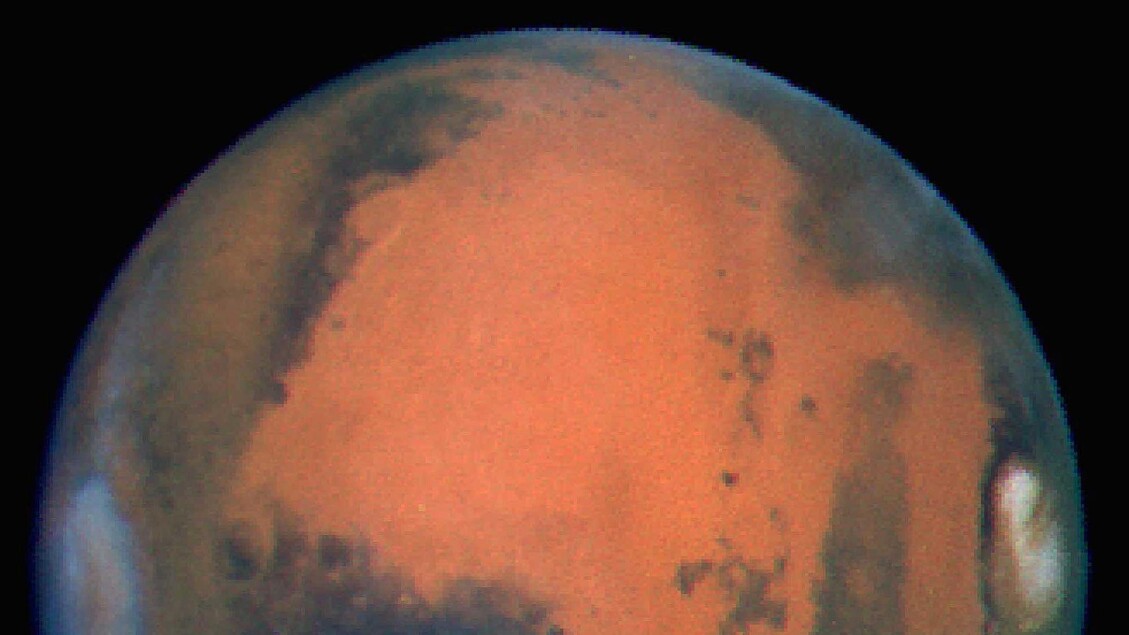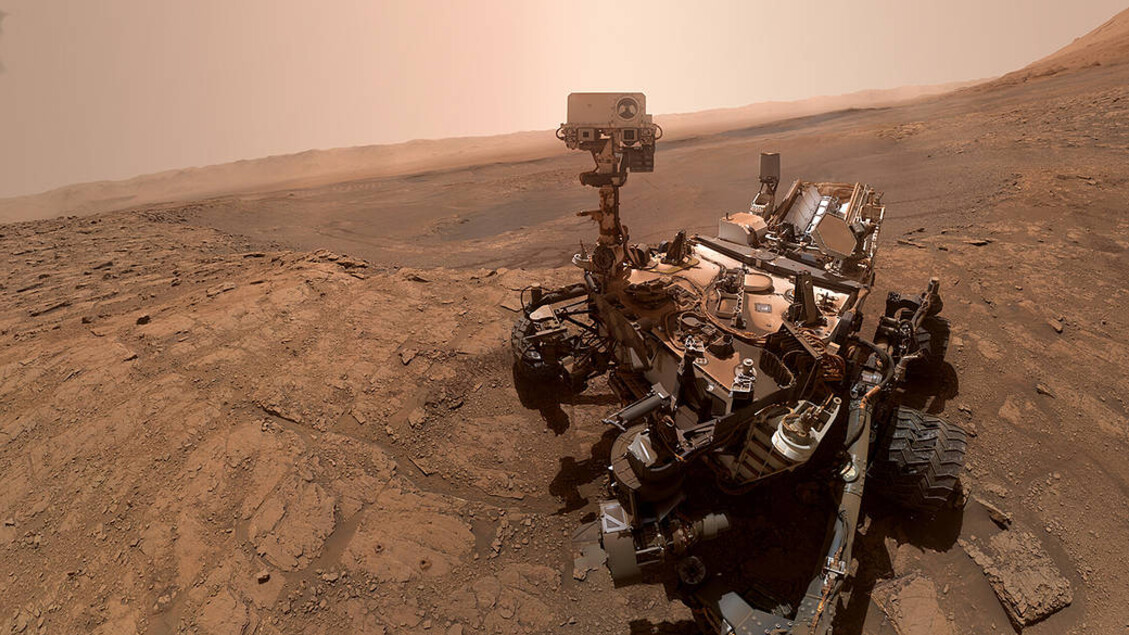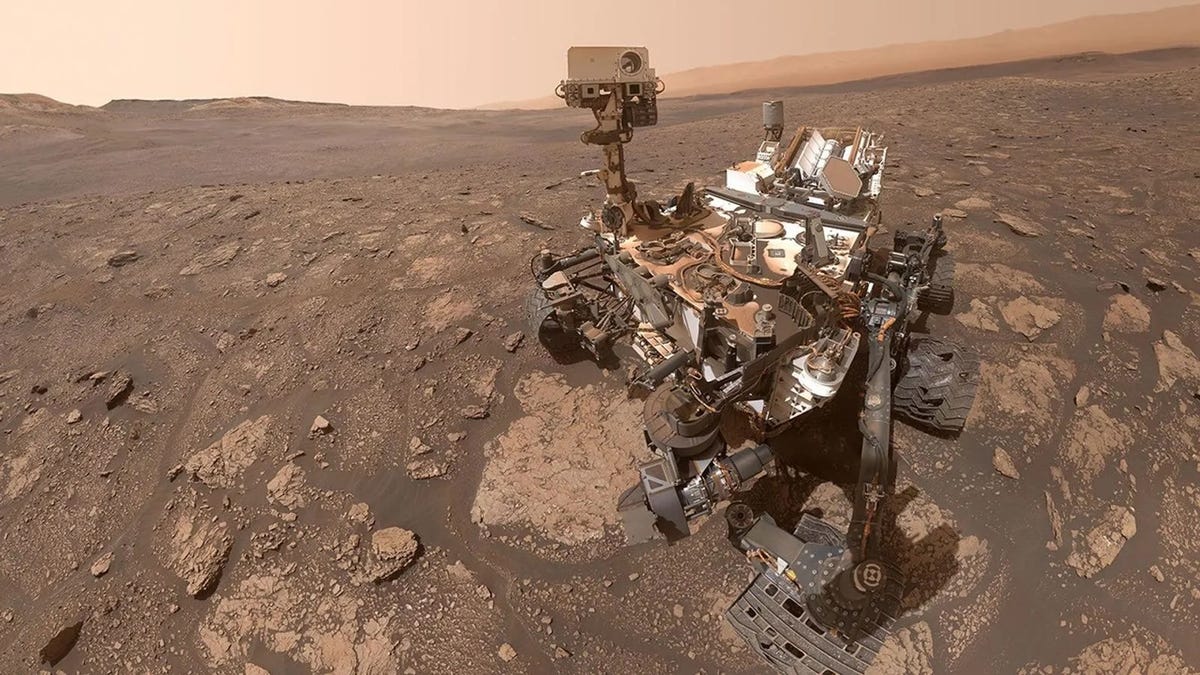
Finding life on Mars might be closer than we once thought, as NASA’s Curiosity rover has yielded promising data from the Red Planet.
According to a press release from NASA on April 21, scientists from NASA confirmed the presence of essential ingredients of life preserved in ancient Martian sandstones aged at about 3.5 billion years old.
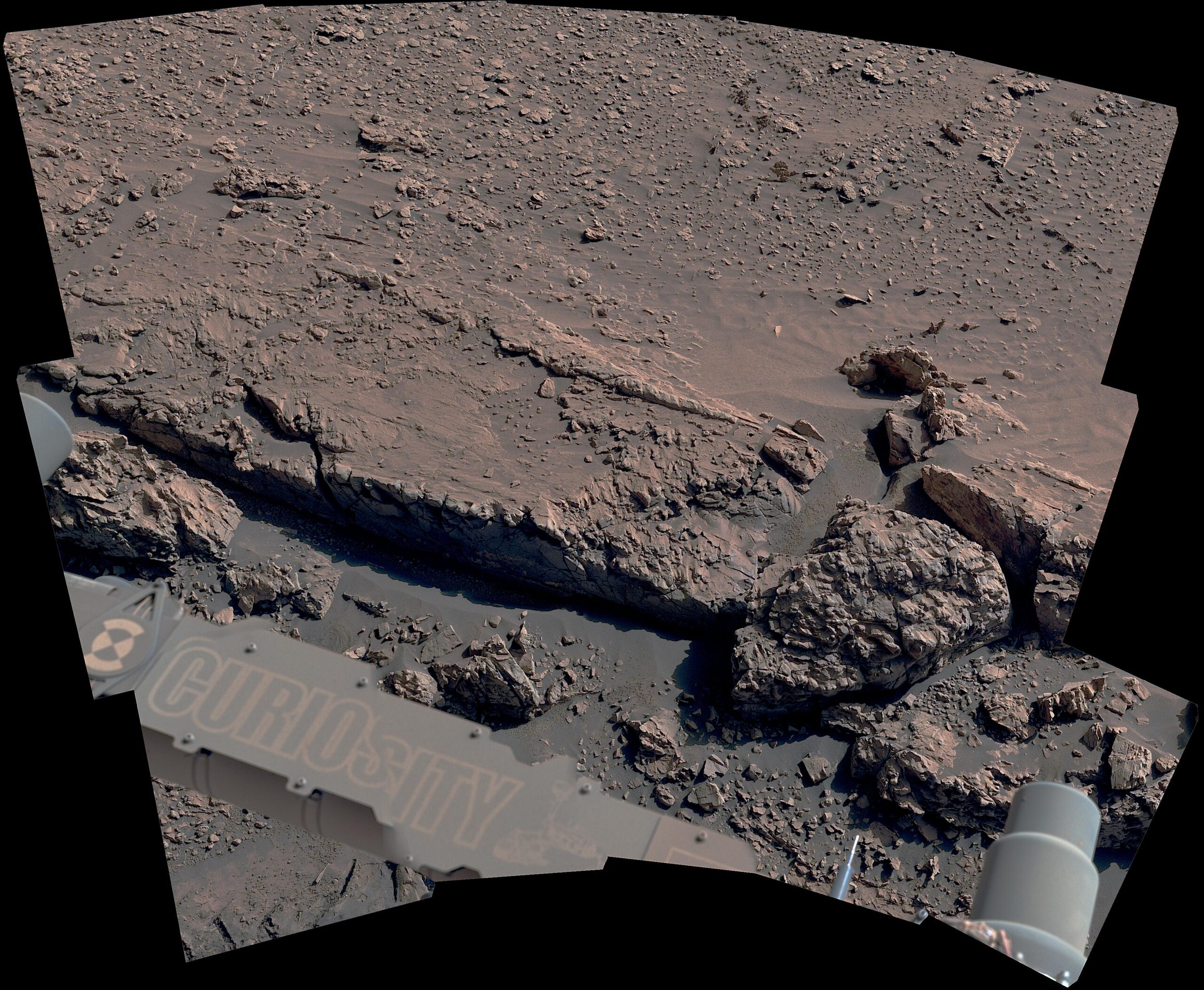
NASA says that the Curiosity rover collected clay-filled rocks from an area called Glen Torridon inside the planet's Gale Crater. Once collected, the rover’s Sample Analysis at Mars (SAM) mobile instrument suite analyzed the data.
“That detection is pretty profound because these structures can be chemical precursors to more complex nitrogen-bearing molecules,” Amy Williams, the paper’s lead author, said in NASA’s press release.
Officials say the molecules were identified using a first-of-its-kind wet chemistry experiment, which uses the chemical tetramethylammonium hydroxide (TMAH). According to NASA, the chemical allows the rover to break down “larger molecules that would be difficult to detect and identify otherwise.”