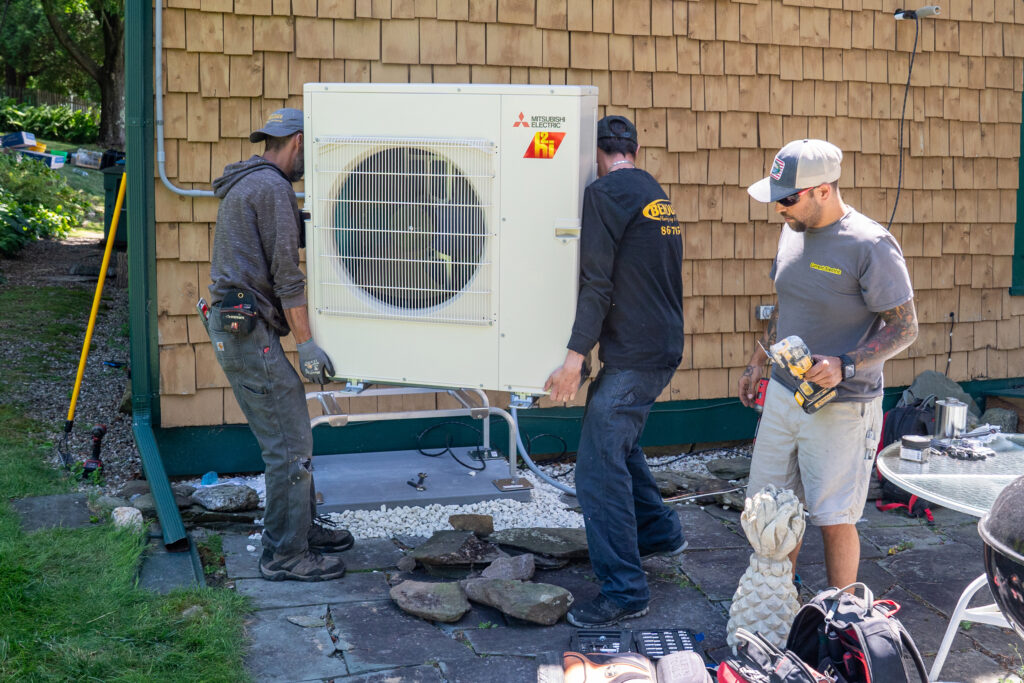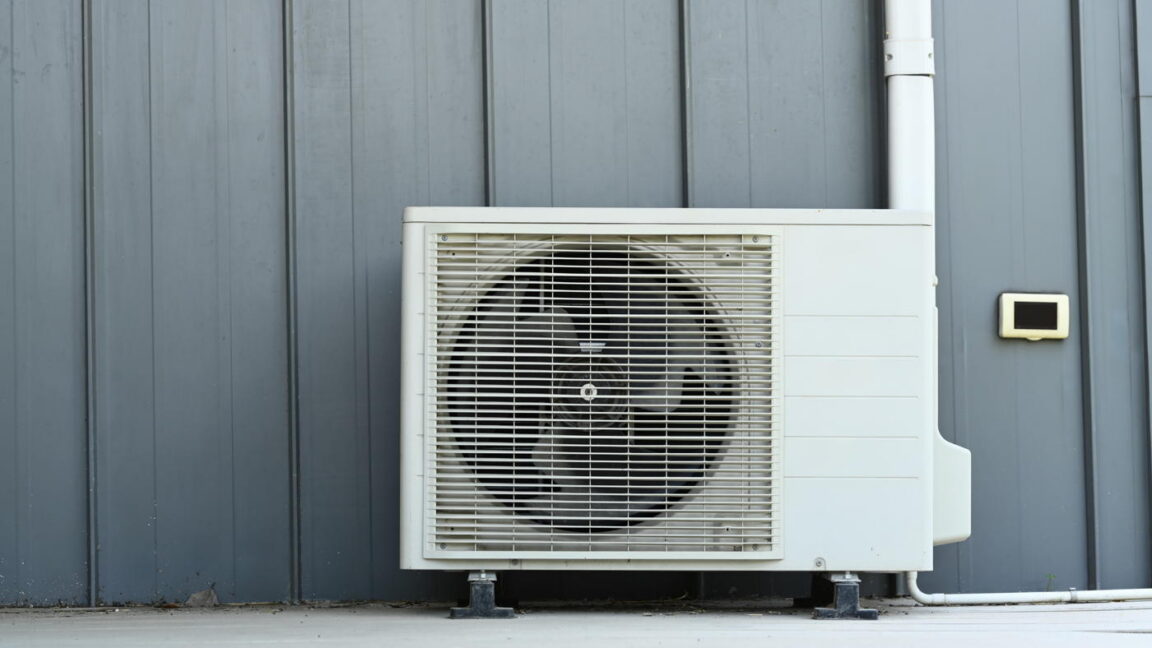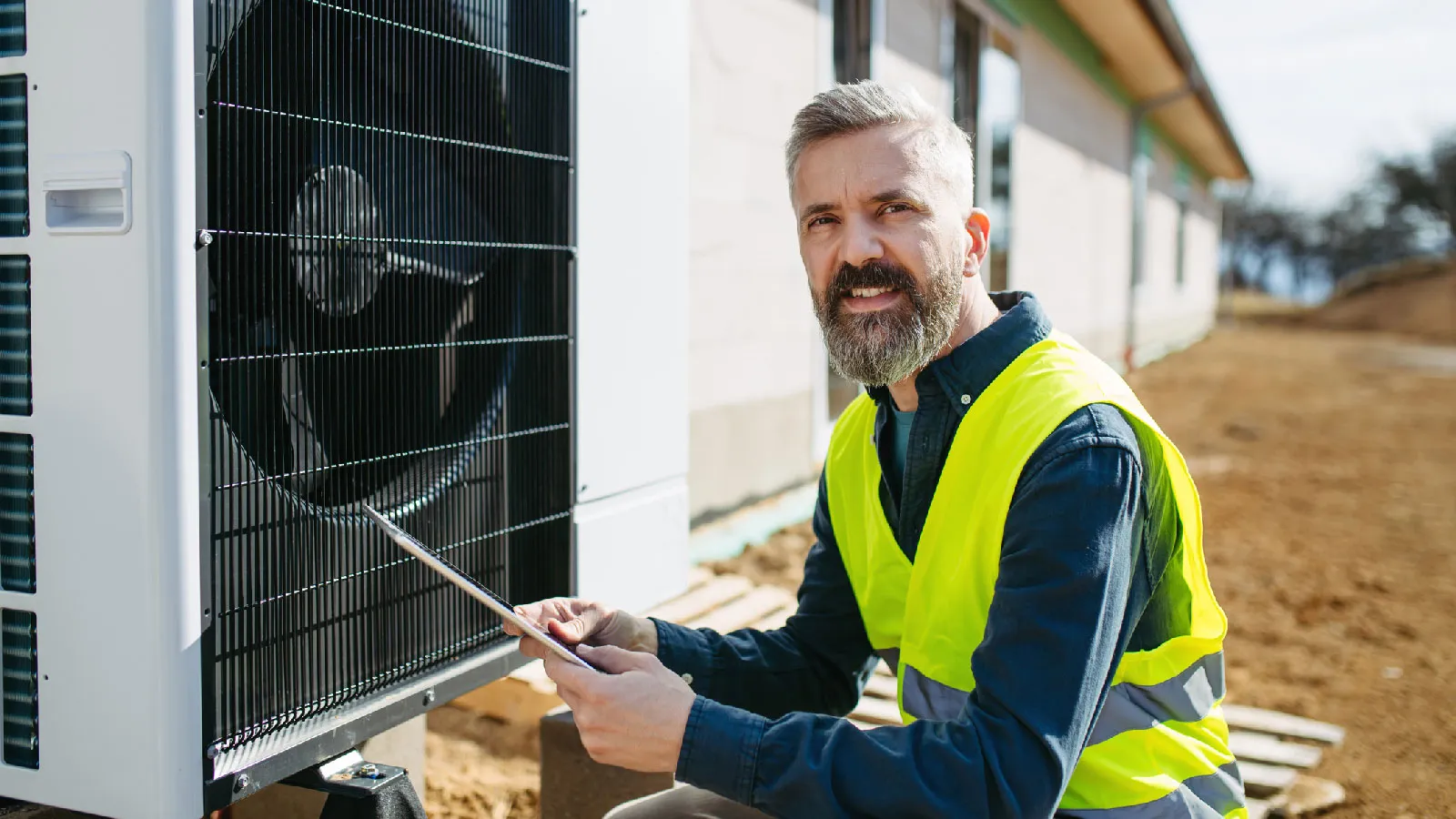
The program was North Carolina’s first effort to support the replacement of fossil-fueled appliances with those powered by electricity. This electrification process serves multiple goals.
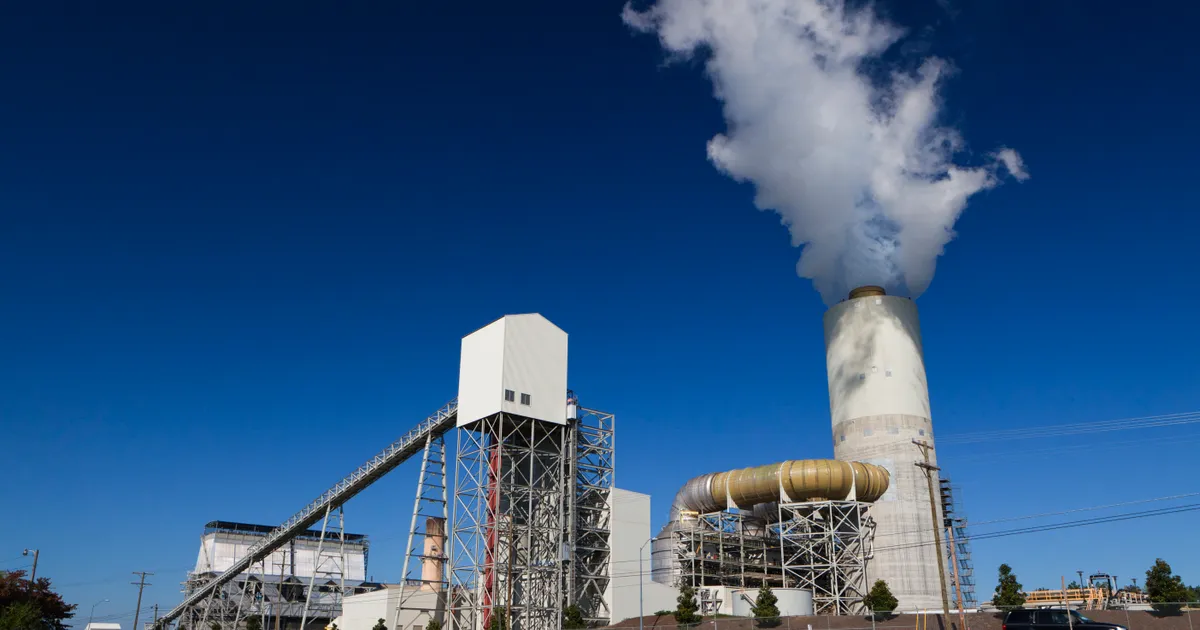
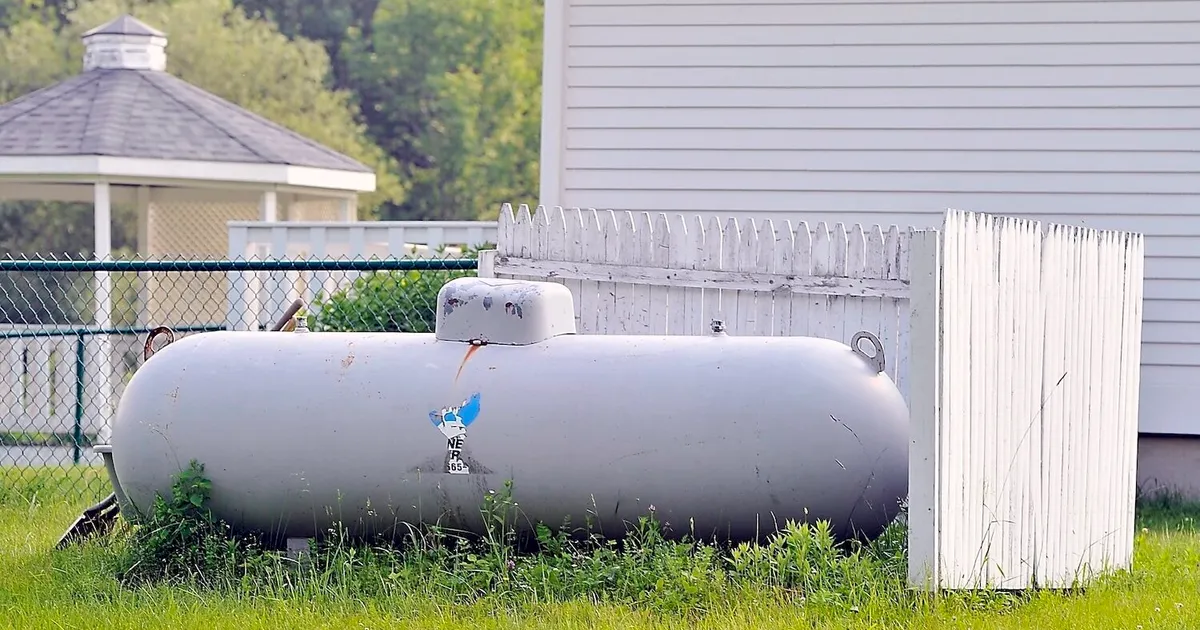
One is cutting carbon pollution. State officials estimate that household appliances that burn gas, propane, and other fuels account for nearly 5% of North Carolina’s net greenhouse gas pollution. Improving public health is another aim: The same devices produce smog- and soot-forming emissions that a growing body of evidence shows can get trapped indoors and far exceed levels deemed safe.
But above all, Energy Saver NC is designed to help Tar Heels save money.
Only low- and middle-income households qualify for the rebates. As of the first quarter of this year, nearly 150 such households have shaved an average of $880 off their yearly utility bills, according to program officials.
Emily Hurd, program director with Bright Spaces, the platform supporting the Electrify the Triad campaign in Greensboro, High Point, Winston-Salem, and surrounding counties, said some Energy NC participants are motivated by the desire to protect their health and to lower their carbon footprint. “But overwhelmingly,” she said, “it’s about cost savings.”