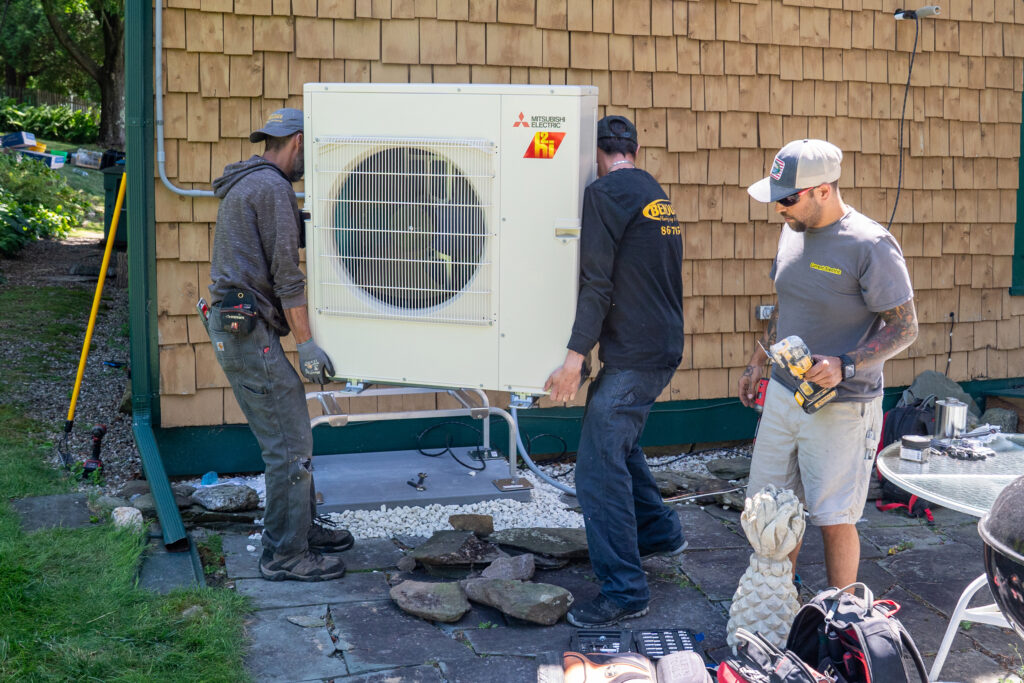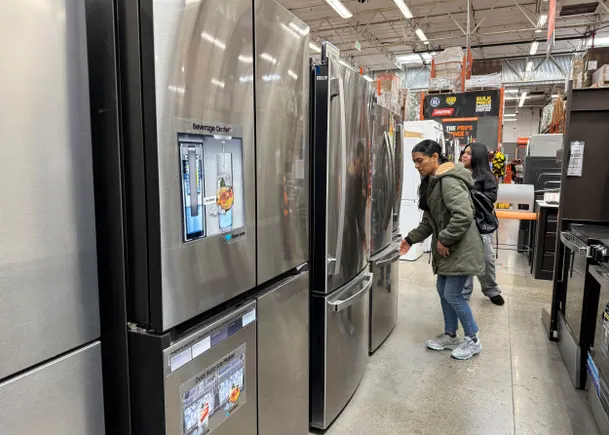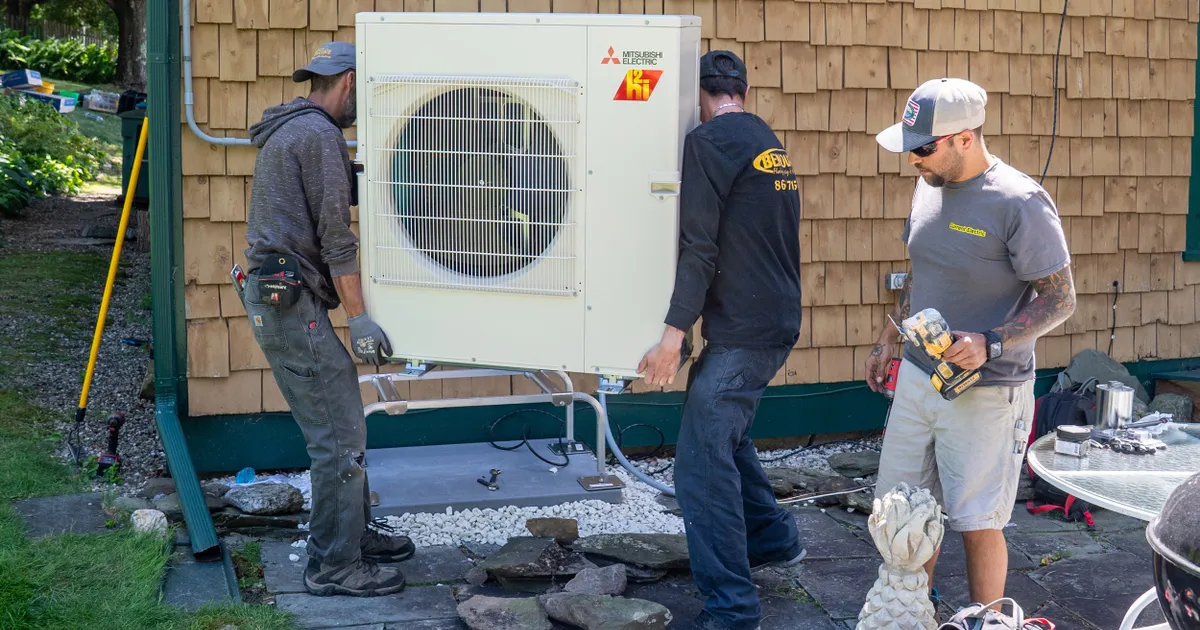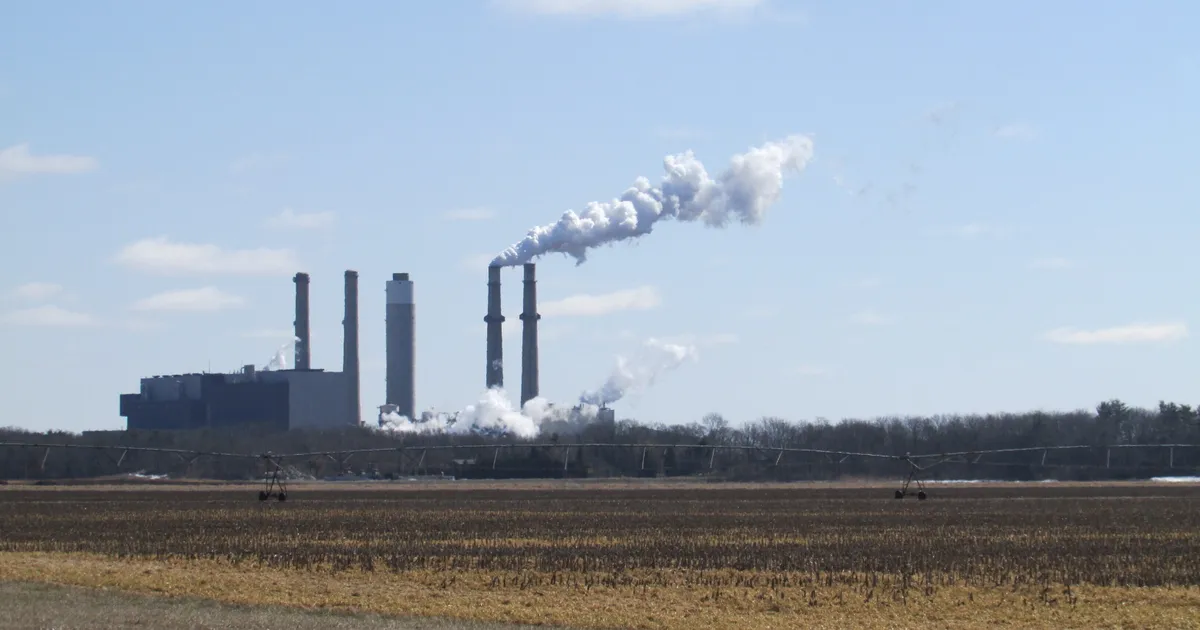
The guidance is “a fundamental departure” from the intent of the programs, said Sam Friesen, managing director for buildings at Fresh Energy, a Minnesota-based environmental advocacy group. He added that the changes will muddy the waters for consumers who were making plans under the old rules and now need to follow the new ones.
Robin Yochum, buildings program director for the Southwest Energy Efficiency Project, a regional nonprofit based in Colorado, said she is pleased to see this step to implement the programs but is concerned about limits on fuel shifting.
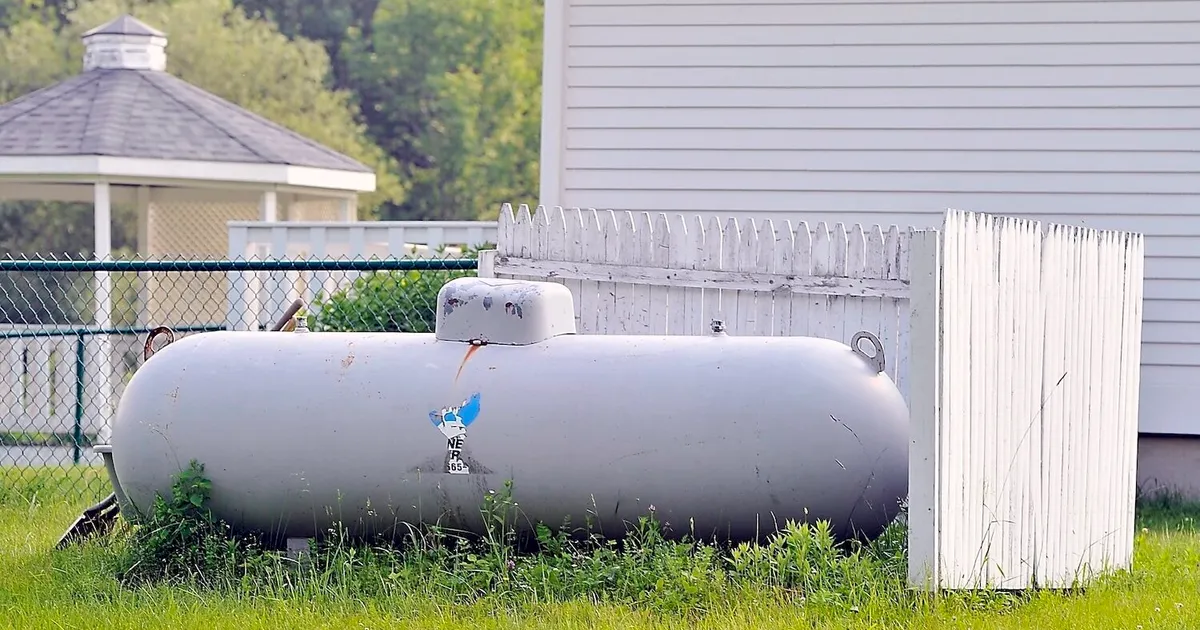
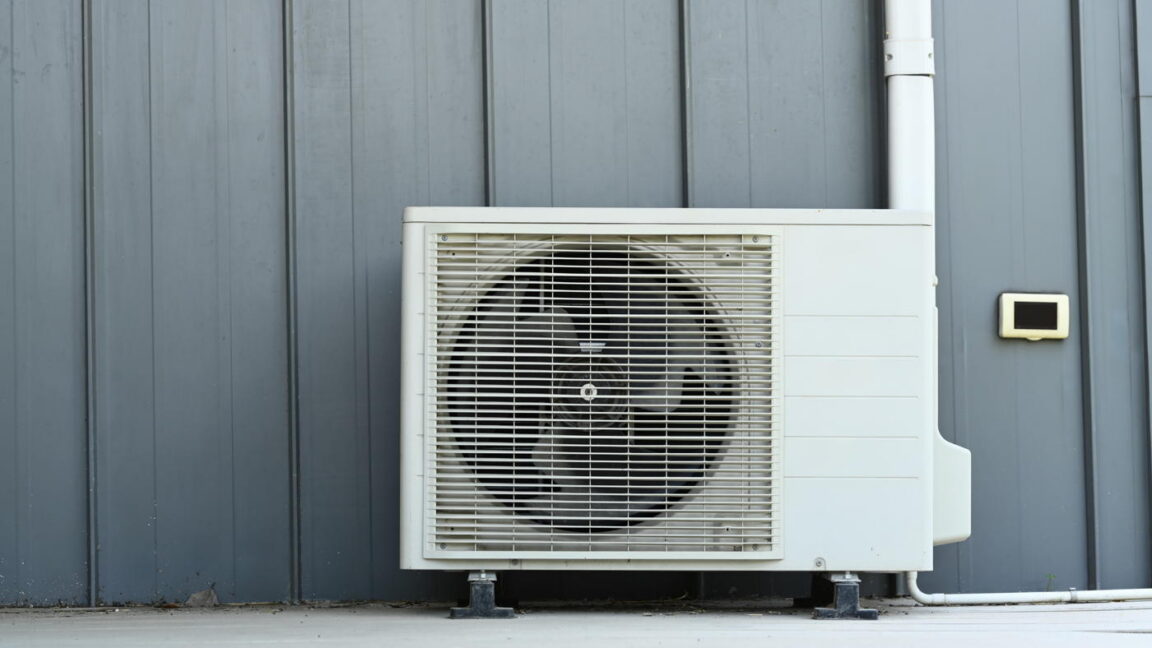
“While there are certainly many electrically heated homes that deserve efficiency upgrades, helping households transition from propane, fuel oil, and natural gas to highly efficient electric technologies was one of the most transformative aspects of the original program design,” she said in an email.
Asked for a response, a Department of Energy spokesperson had this comment: “The Department of Energy has released common-sense revisions to program guidance to align requirements more closely with statutory requirements, advance affordability, ensure good stewardship of taxpayer dollars, and empower grantees to tailor their programs to local contexts and residents’ needs.”