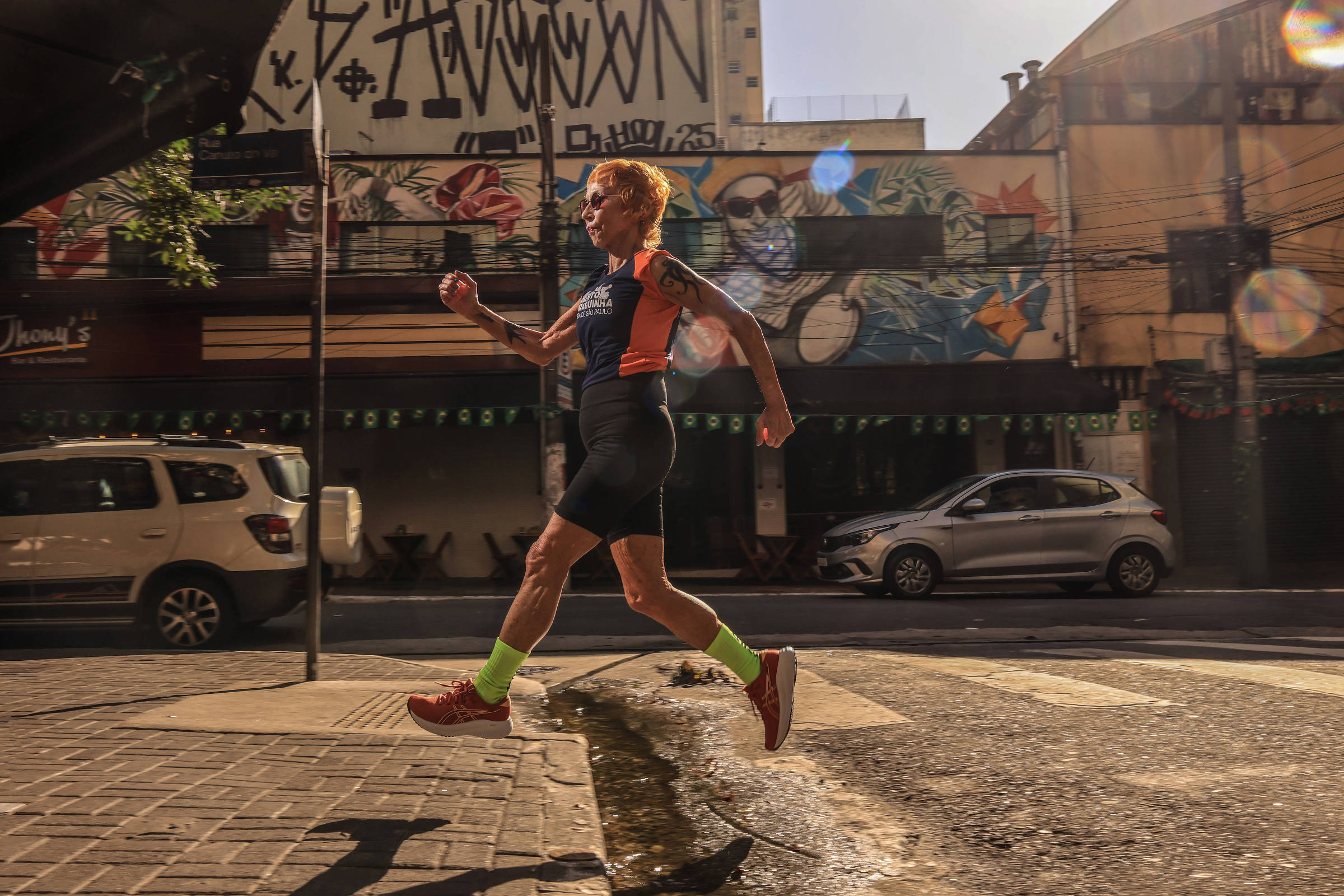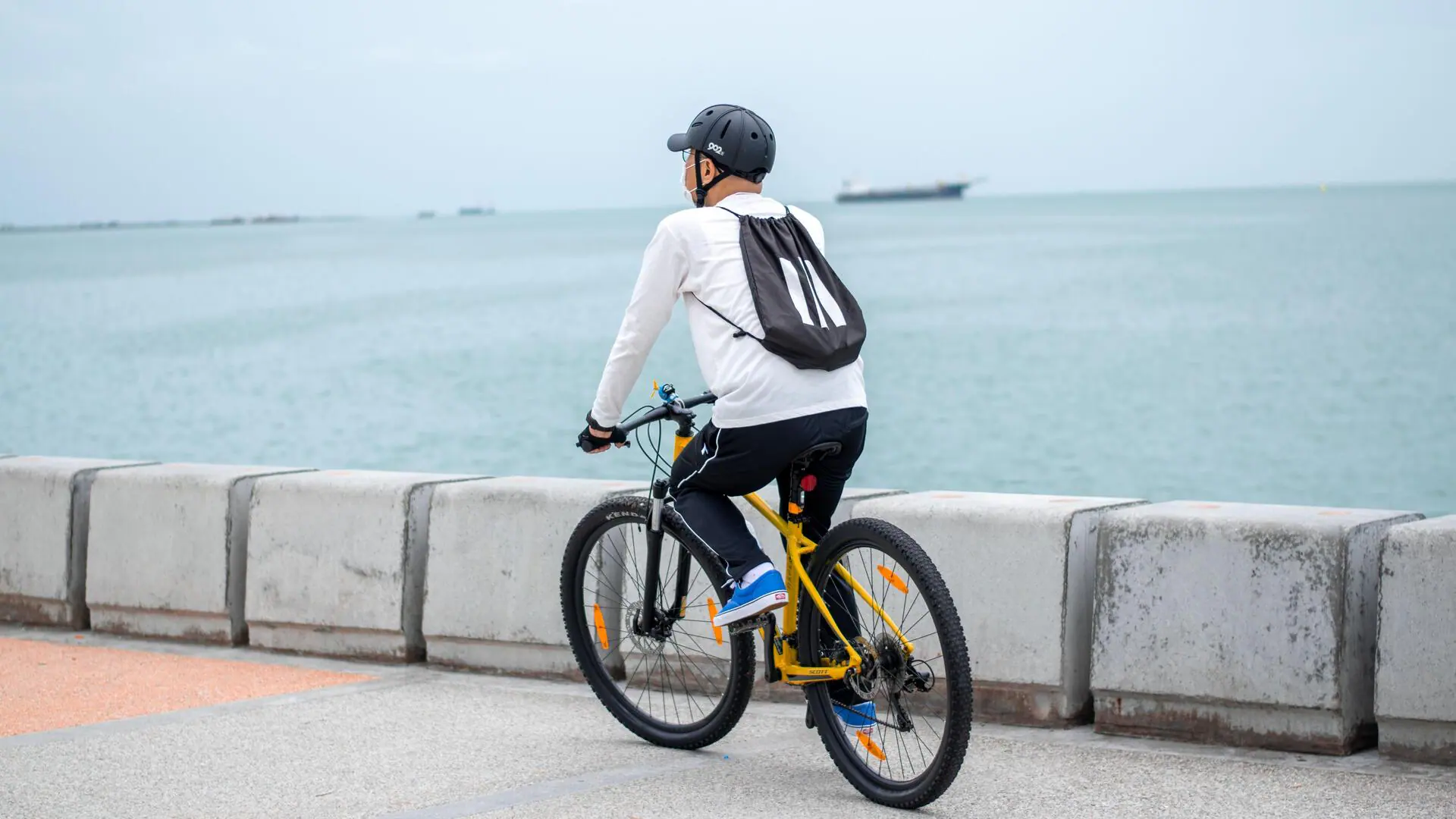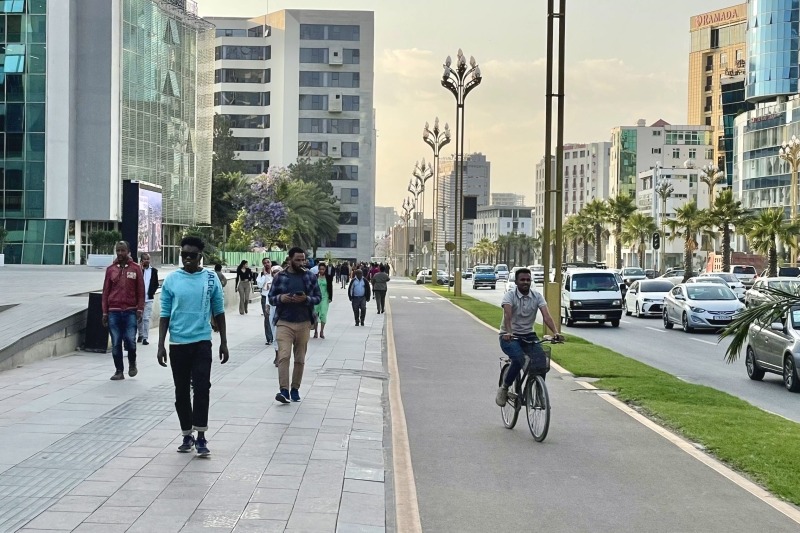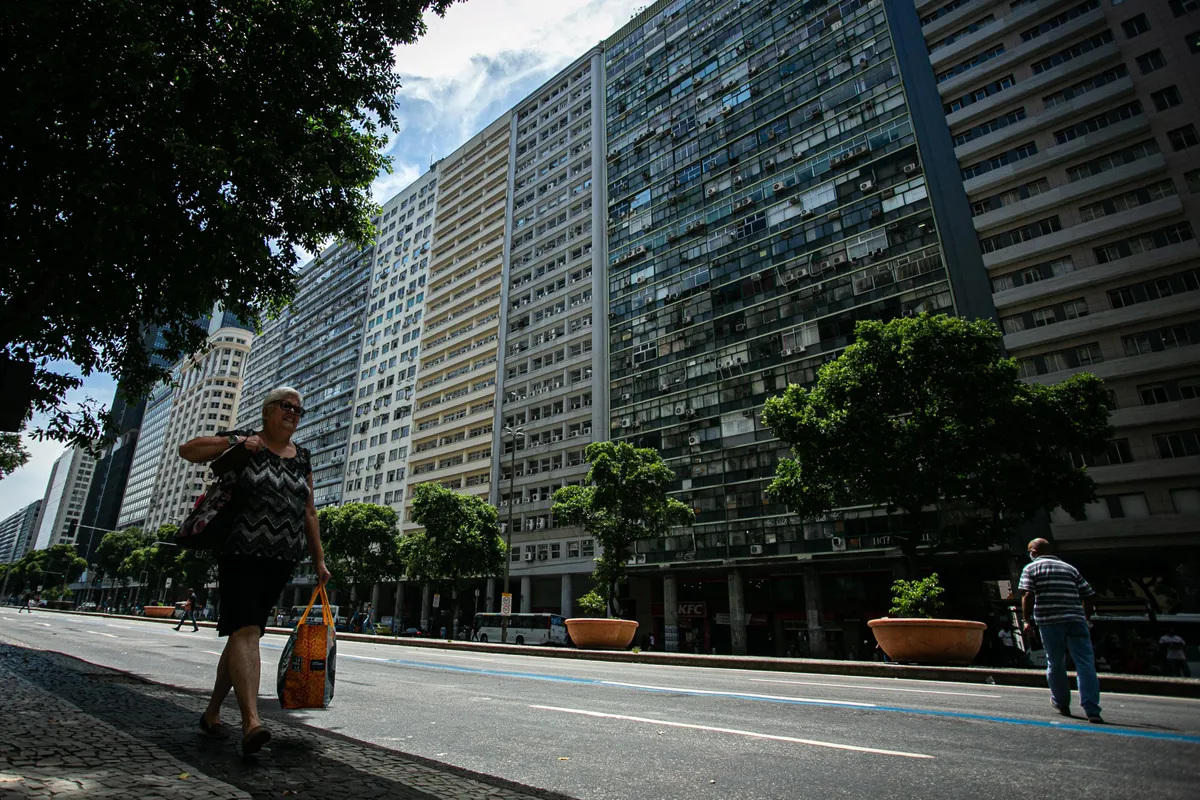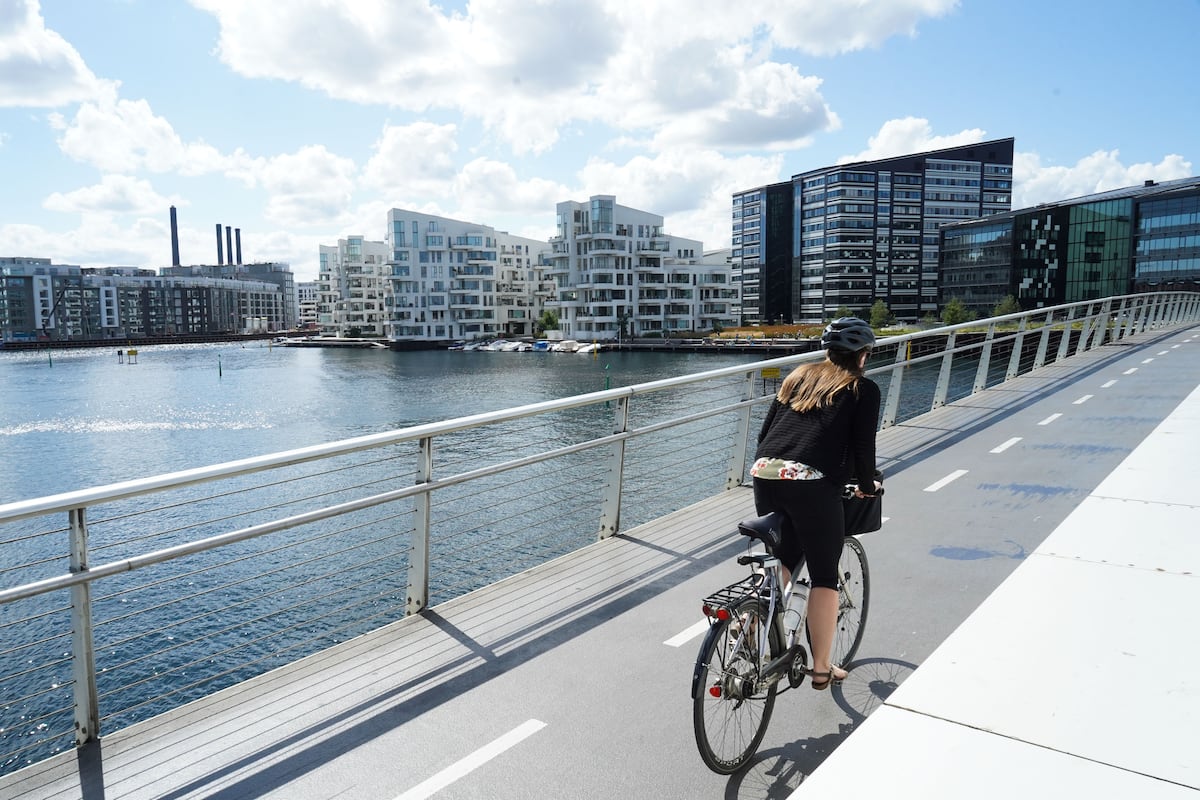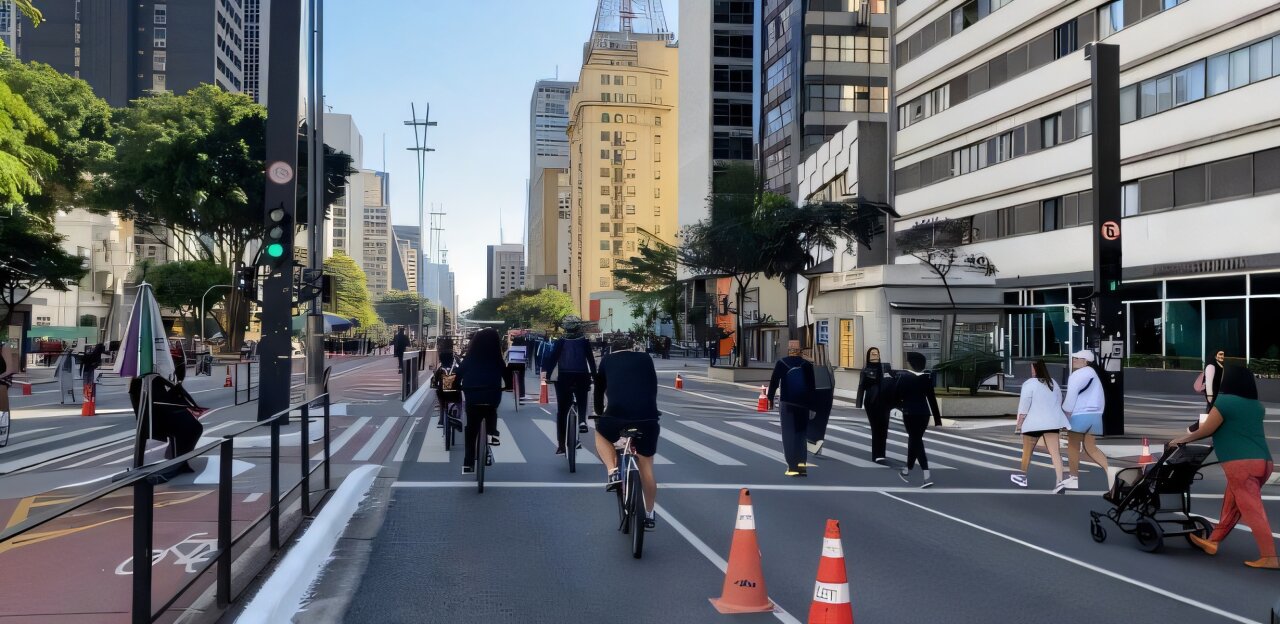
Several studies demonstrate the mental health benefits of exercise, including reduced rates of depression and anxiety, as well as improvements in psychological well-being and quality of life. Credit: Phelipe Janning / Agência FAPESP
According to a study that analyzed the behavior of 1,500 São Paulo residents between 2014 and 2024, the implementation of new bike lanes, parks and other public facilities in the Brazilian city has encouraged transportation-related physical activity and promoted public health benefits. The researchers found that the presence of bike lanes within 500 meters (about 550 yards) of residents' homes was a key factor in keeping them active and encouraging cycling. The study is published in the Journal of Transport & Health.
"We're observing a natural experiment in São Paulo. The increase in public spaces highlights how urban changes encourage active travel, such as cycling," Alex Florindo, a professor at the University of São Paulo's School of Arts, Sciences, and Humanities (EACH-USP) and the research coordinator, tells Agência FAPESP.
The period analyzed in the study was marked by a significant expansion of the city's bike lane network. According to city government data, São Paulo's bike lane network grew from 242 to 743 kilometers (150 to 462 miles) between 2014 and 2024, and the city gained 15 new municipal parks.