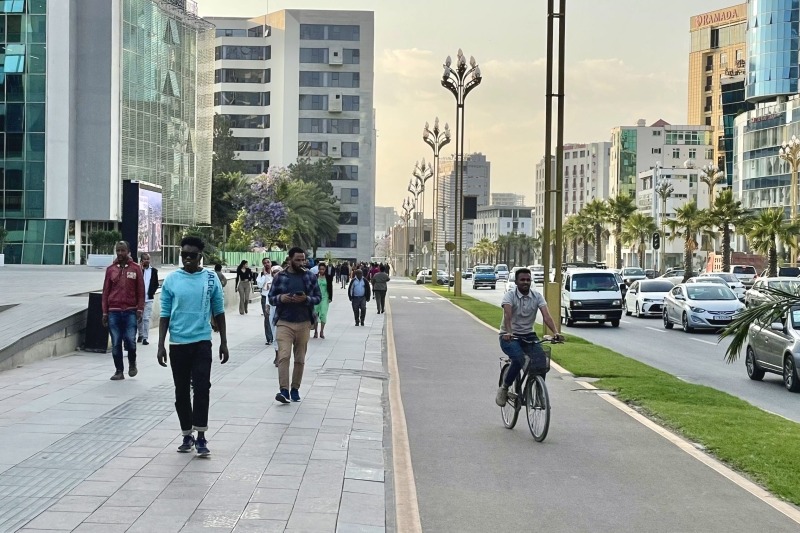
As green transformation of transport is gaining pace globally, environmentalists and industry stakeholders in Africa are advocating introducing dedicated cycling lanes in urban development planning as an affordable way to improve safety, reduce congestion and meet climate goals.
Transport experts say investments in protected cycling corridors and bike-friendly infrastructure could transform mobility in rapidly growing urban centers, reducing dependence on private vehicles and cutting harmful emissions.
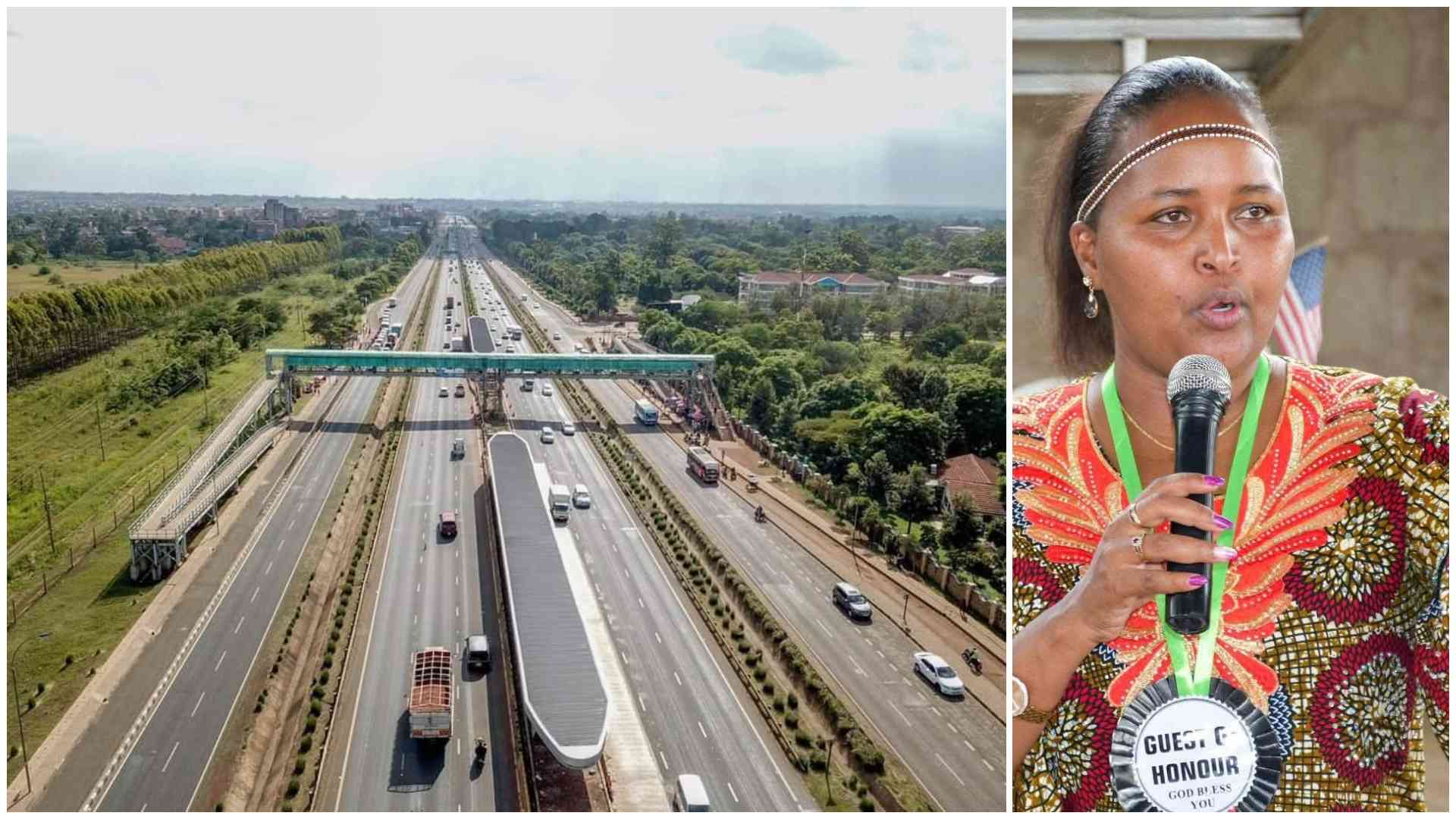
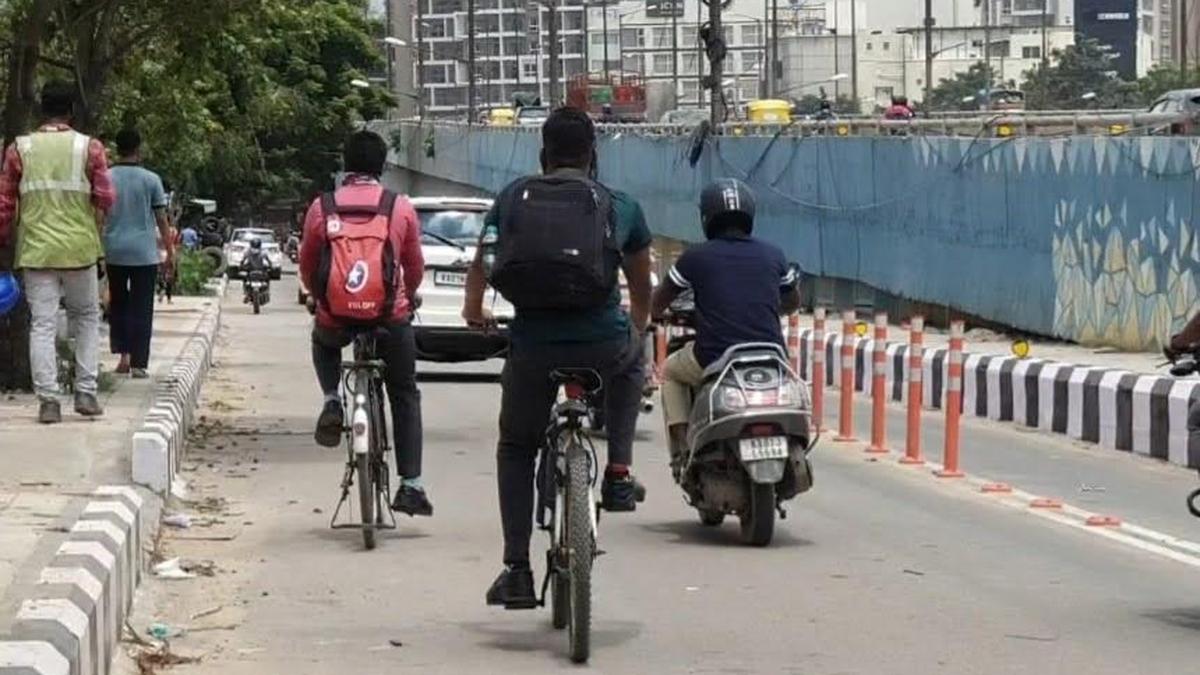
Dedicated cycling lanes are not a common sight in most African countries, and progress has been slowed by key challenges, including inadequate road space, unsafe mixed-traffic conditions and limited government funding for cycling infrastructure across the continent.
According to Maarten Fonteijn, Kenyan country manager for eBee, a pan-African e-mobility company, cycling offers a highly space-efficient, affordable, and zero-emission transport option.
"African cities cannot solve congestion by building more roads for cars alone. As populations and incomes grow, there is not enough urban space for everyone to commute by private vehicles," he said. "Dedicated cycling lanes help reduce congestion, improve road safety, lower transport costs, and cut emissions."