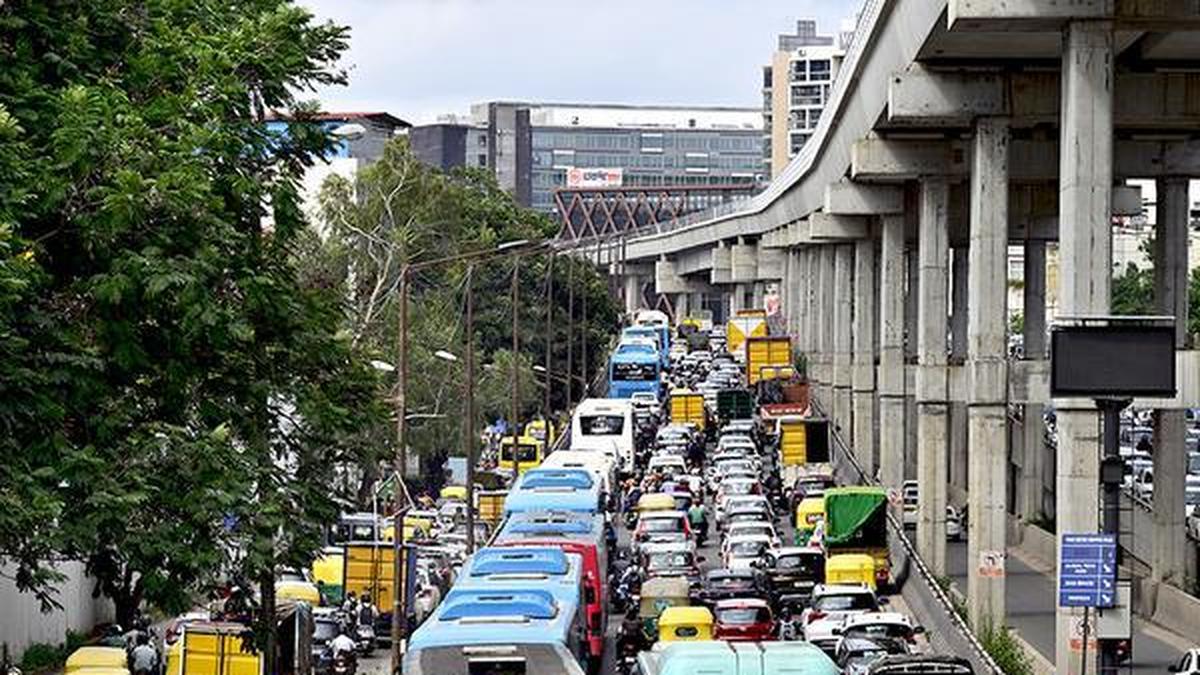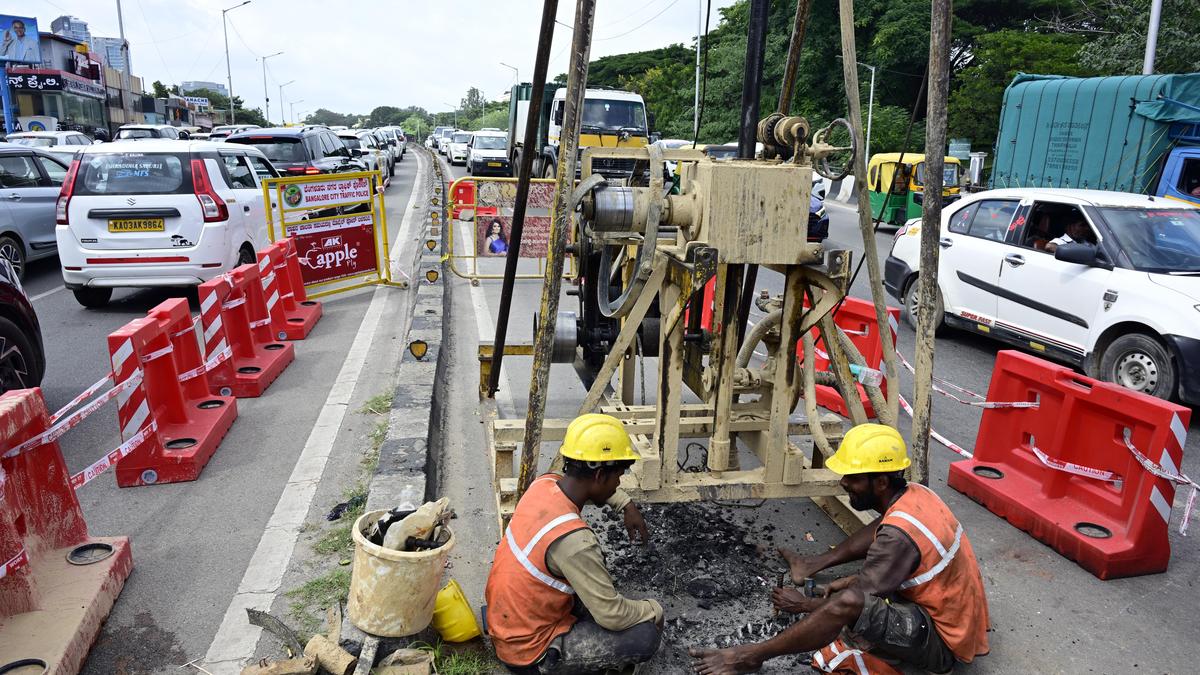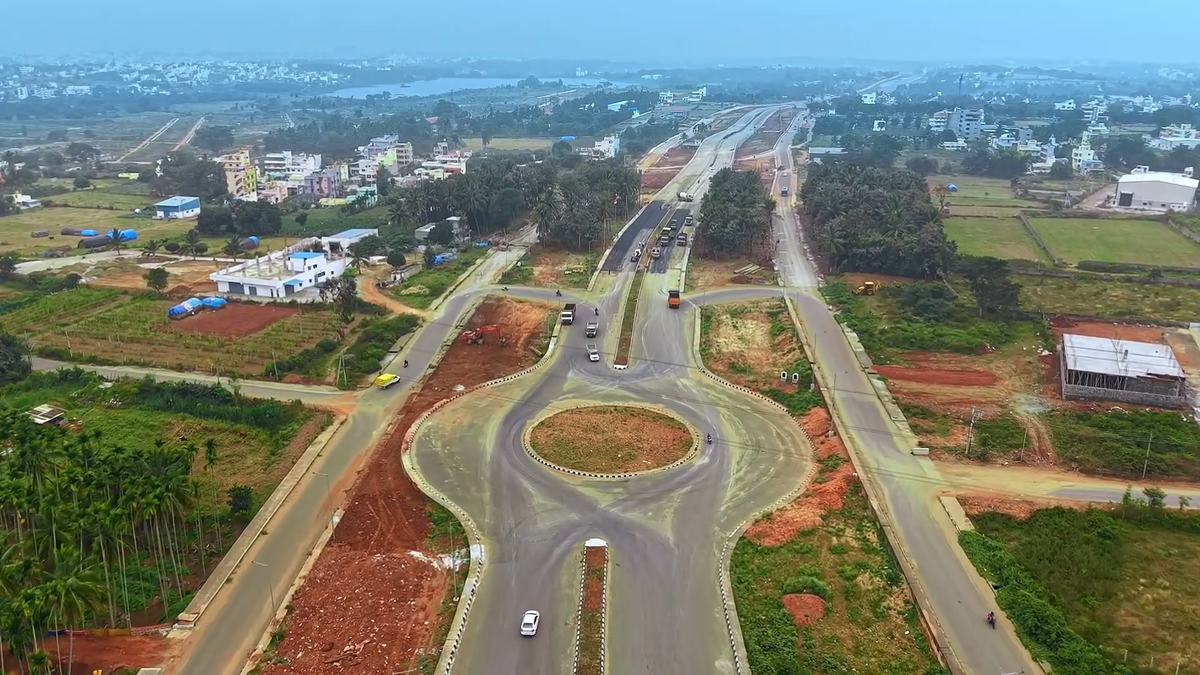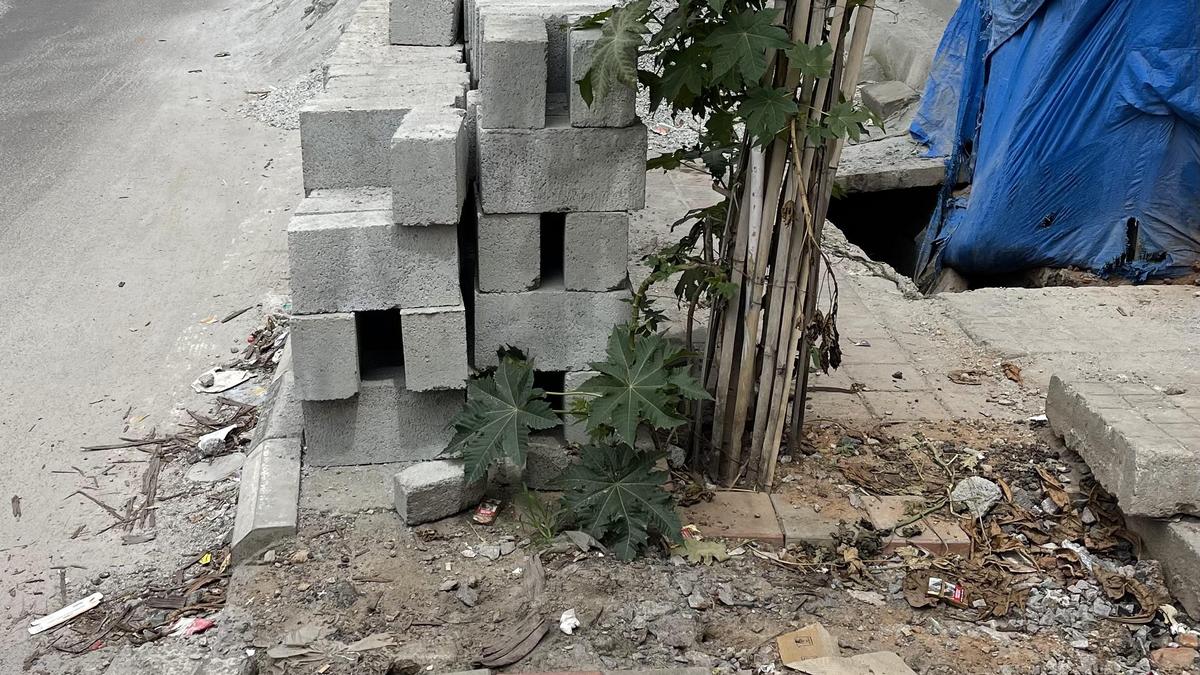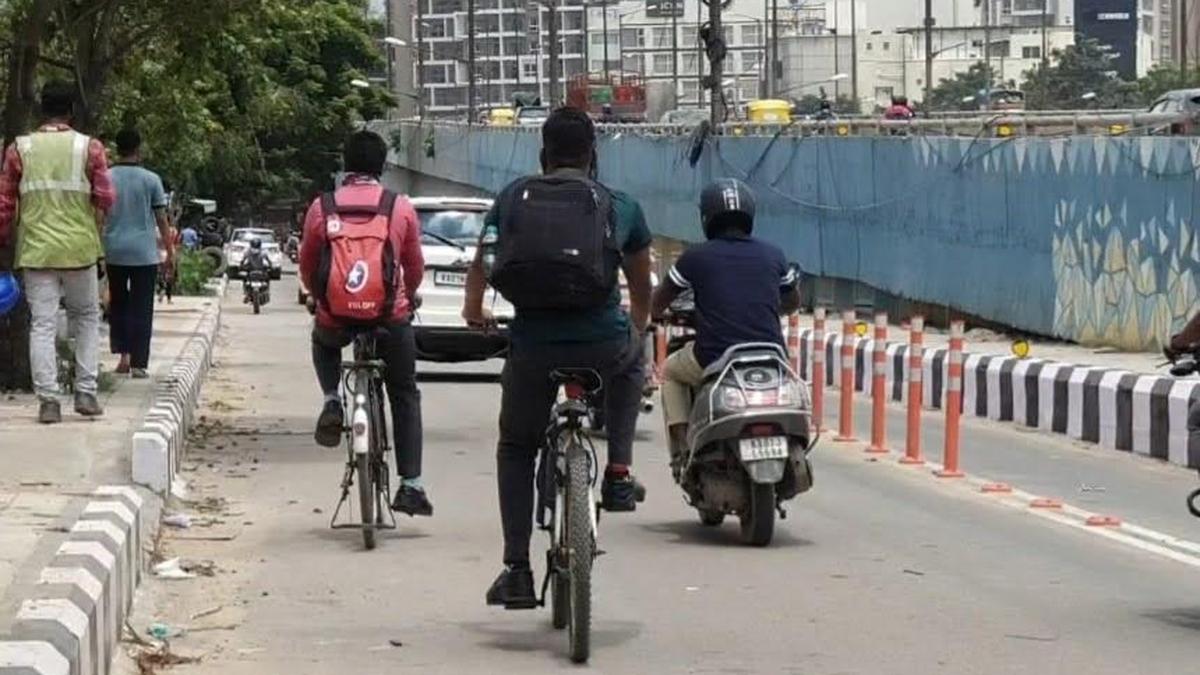
As yet another attempt at a ‘dedicated’ cycling lane takes its baby steps along the new Major Arterial Road (MAR) in Bengaluru, a much-recycled question rises again: Is this 10.3km lane too destined for failure? The last one along the Outer Ring Road (ORR) from Silk Board to K.R. Puram had vanished without a trace once work on the Blue Line of Namma Metro began.The Bengaluru Development Authority (BDA), which built the MAR linking Magadi Road and Mysuru Road, claims the new cycling lane offers a safe, reliable commute option for cyclists. Reason: It is completely separated from the motorway. But seasoned city cyclists do not share this optimism, wondering how this would address the serious lack of a cycling lane network in Bengaluru.Isolated, ‘bits and pieces’Cycling initiatives in the past have failed precisely because of such isolated, ‘bits and pieces’ lanes, as Bengaluru’s Bicycle Mayor Sathya Sankaran puts it. The key is to create a connected network that links residential areas to high-traffic hubs. “If you build 2km in Yelahanka, 10km in MAR, how do people get there and go? It has to form a nice network. Where there is no traffic, there is no point in doing these things,” he notes.To let cycling become a viable mode of transport, the infrastructure will have to shift from the ‘demonstration’ phase to a functional system. Mimicking the metro system, the city’s cycling infrastructure will have to transform as a completed system to see significant ridership, say mobility policy experts. While point-to-point lanes serve limited number of users, it mandates a city-wide network for cyclists to reach destinations safely on a daily basis.This is reiterated by former Directorate of Urban Land Transport (DULT) Commissioner Manjula V., who says successful urban transport mandates integrated designs that prioritises safety and connectivity over isolated pilot projects. She recalls how DULT hosted community cycle days and developed a comprehensive cycling master plan for local authorities to implement. But challenges remain such as public resistance from motorists, and destruction of physical bollards besides the lack of a connected network.Active Mobility BillThe Active Mobility Bill, aimed to make cycling lanes and safe junctions mandatory across all cities, could address these challenges. Sathya too emphasises the urgent need for the Bill to provide the necessary legal framework, capital, and planning authority responsible for the protection and expansion of cycling infrastructure.DULT’s cycling master plan had envisioned a network of 2,000-km, with 600-km to be ready by 2035, in Bengaluru. The plan’s focus was riveted on segregated cycle tracks linking major transit hubs, such as metro stations, with Public Bicycle Sharing (PBS) programmes. Currently, Bengaluru has merely 25-30-km of fragmented cycling lanes.In 2020, when DULT and the Bruhat Bengaluru Mahanagara Palike (BBMP) launched a 17-km bidirectional pop-up lane on ORR linking Silk Board and K.R. Puram, the cycling community rejoiced.“It used to be good. But now, with the lane disappearing after metro work, it is scary to ride on that road,” says Vijay Raghavendra, who cycles 25 km from his home at Rajarajeswari Nagar to his office in Manyata Tech Park.He has been cycling for years, braving the tough Bengaluru roads. “I am an experienced cyclist, and so, I can manage. But some people, keen to follow my path, started to ride and gave up soon. Due to the lack of a proper lane, they were scared to go near big vehicles. If the lane was retained, I could have inspired at least 30-40 people to cycle to office,” he says.ORR cycling lane to returnUnder the B-SMILE infrastructural facelift project, plans are now afoot to formally re-integrate dedicated cycle paths and pedestrian walkways along the ORR stretch. “It is likely to come back. I’ve told them to make it at a grade level, like on Raj Bhavan road. I gave my inputs and they said they have been included. But again, from there to where? It’s just end to end, one straight line. You have to be able to connect it to Whitefield, for instance, and make a network. Don’t do it in bits and pieces,” reiterates Sathya.The ORR lane had low usage even when it existed. But once it is networked with lanes in other adjoining areas, the usage is bound to rise substantially. The Personal2Public campaign by the World Resources Institute (WRI) India had unearthed a strong desire among ORR’s office commuters to switch to cycling if a safe, well-networked lane returns. Opening of the Blue Line along ORR is expected to further boost cycling as a last and first-mile connectivity option.A robust cycling network also mandates safe junctions and crossings, as Manjula points out. Traffic intersections are a primary failure point. Junctions have to be properly treated, and safe crossing mechanisms evolved to ensure that even high-quality lanes do not become disconnected and risky for cyclists.Beyond lanes, an enabling infrastructure ecosystem should include ‘end-of-trip’ facilities in both transit stations and in offices. DULT had helped install cycle parking in over 10 metro stations, and ‘pedal ports’ in areas served by Namma Metro. Cycle Parking was a key element of the Parking Action Plan submitted to the BBMP.Cycling beyond ORR and other arterial roads for four years, Vijay had perfected the skills required to negotiate the traffic and get to his office safely. “It is self-motivation that is required. I start early around 7.30 / 8 am, when the traffic is a bit okay. After reaching the office, I take a shower before starting work. I leave around 4.30 pm although the traffic is more that time. I am now used to this routine,” he explains.For cyclist Abhishek Choudhary, pedaling to office is an option only if the roads are safe. He elaborates, “I stay in Nagarabhavi. My workplace is in Whitefield. There are potholes everywhere. There is no point taking a longer route to my office. I now cycle only on weekends to the airport, since the route is the cleanest straight road in the city. Yes, a few colleagues come by cycle to office, but they stay close-by.” Hejje Gala: Positive signsHowever, the number of Bengalureans cycling to work is growing, even if the number is small. This is clear from the Hejje Gala Challenge launched jointly by the Greater Bengaluru Authority (GBA) in partnership with WRI India, Urban Morph, and Walkaluru.As Sathya puts it, “The challenge shows that people are picking up cycling. Most of the cycling was being done in the east and north of the city where there are a lot of tech parks and other offices. This means, office commuters are actually real, and our assumption that only poor people cycle is gone. Data shows that more and more people are willing to cycle to office, especially those living within a 5-km radius.”A city-wide initiative, Hejje Gala has employees from major technology and industrial hubs track their daily walking and cycling trips using mobility apps such as Altmo. The collected data is intended to help the government identify high-demand active transit corridors to boost footpath and cycling infrastructure.Currently, the Bengaluru East Corporation tops the leaderboard with 733 commutes from 41 companies.Failure of early pilot projects have led to a significant shift in the design and protection of cycling lanes. While the earlier approach was to install physical bollards on the roadway, the preferred option now is to integrate or segregate the lane along the footpath. So, instead of being carved out of existing motor vehicle space, the lane is to be built as part of a widened pedestrian / cycling zone. While bollards were used largely as a demonstration tactic, they faced extreme resistance from motorists and property owners. New lanes being planned could completely avoid use of bollards.A pragmatic infrastructural push should give more cyclists the confidence to pedal, and drive the emergence of a critical mass of active riders in the city. As Vijay puts it, an increase in numbers will pressurise the government to install more lanes and build a network of cycling lanes in the city. For a commute mode globally acknowledged as the most eco-friendly and healthy, this will pave an all-new path.
Are cycling lanes destined for failure in Bengaluru?
Explore the challenges and potential of Bengaluru's cycling lanes as infrastructure evolves from isolated projects to a connected network.
1,346 words~6 min read