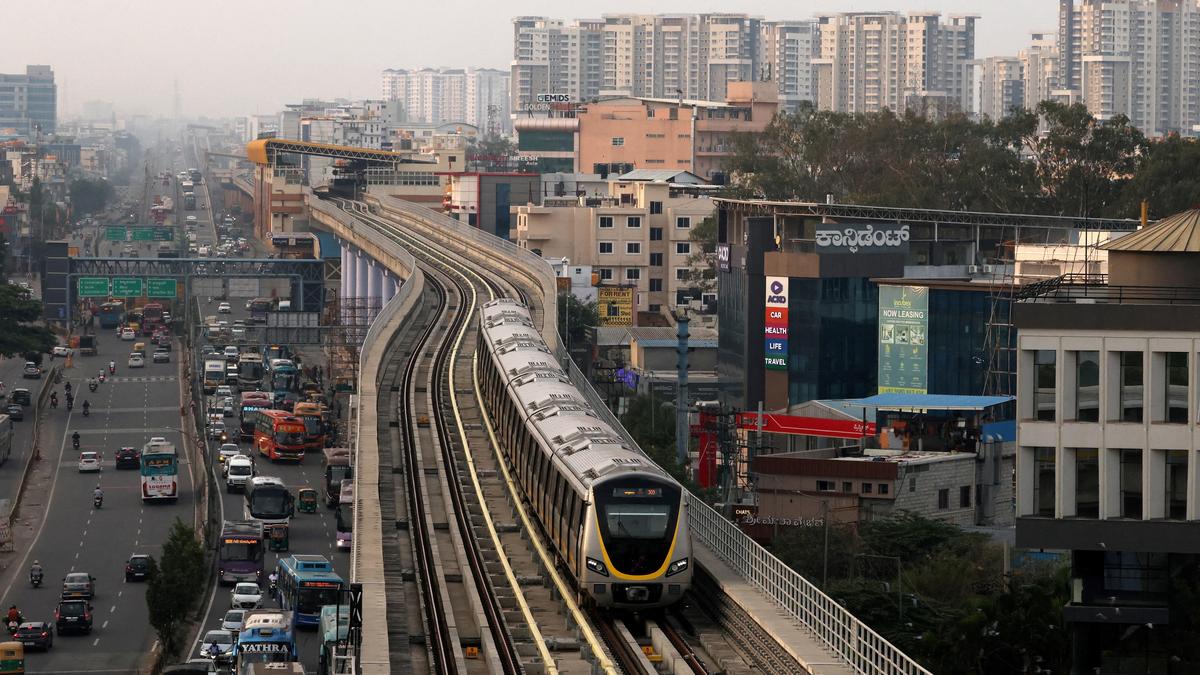
The year 2025 will be remembered as a defining phase for Bengaluru’s mobility sector, a year that finally delivered on some long-pending promises while confronting commuters with new challenges. From the long-awaited opening of the Yellow Line of Namma Metro to renewed momentum for the suburban rail project, and from improved KSRTC airport bus services to auto fare hikes and bike taxi bans that sparked debate, the city’s mobility saw both relief and resistance.
Yellow Line finally rolls out
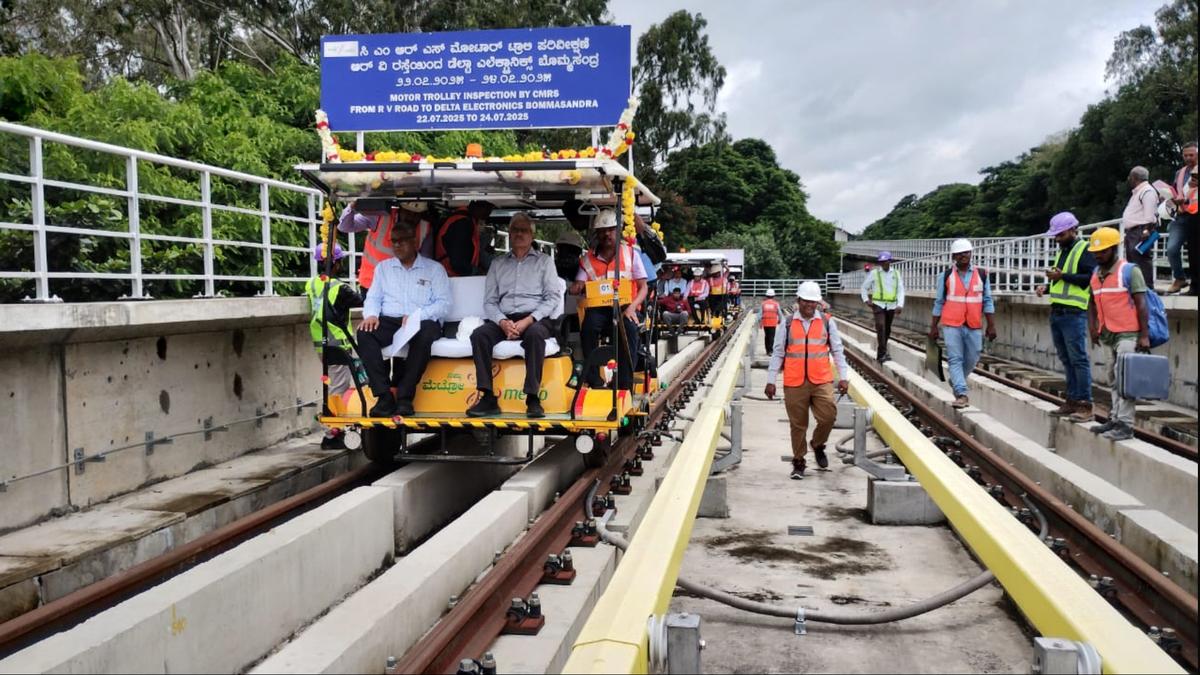
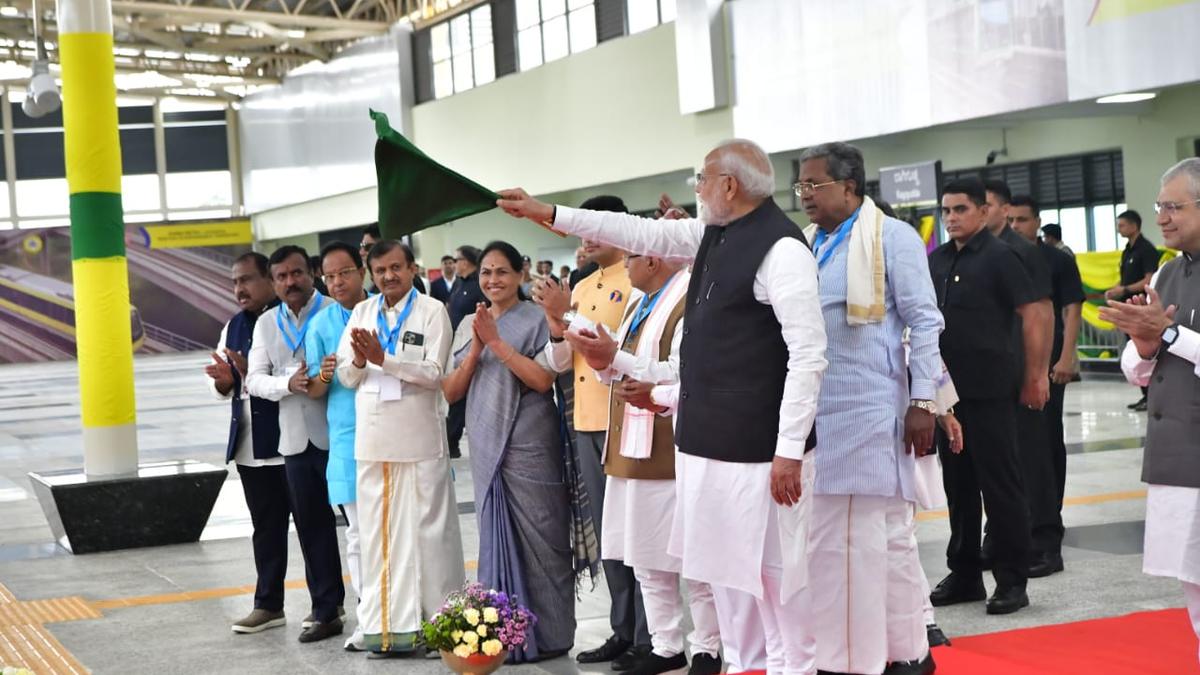
For lakhs of daily commuters, the biggest milestone came on August 10, when Prime Minister Narendra Modi inaugurated the 19.15-km Yellow Line of Namma Metro, connecting R.V. Road to Bommasandra. The corridor, crucial for linking south Bengaluru with Electronics City, ended years of anticipation and frustration.
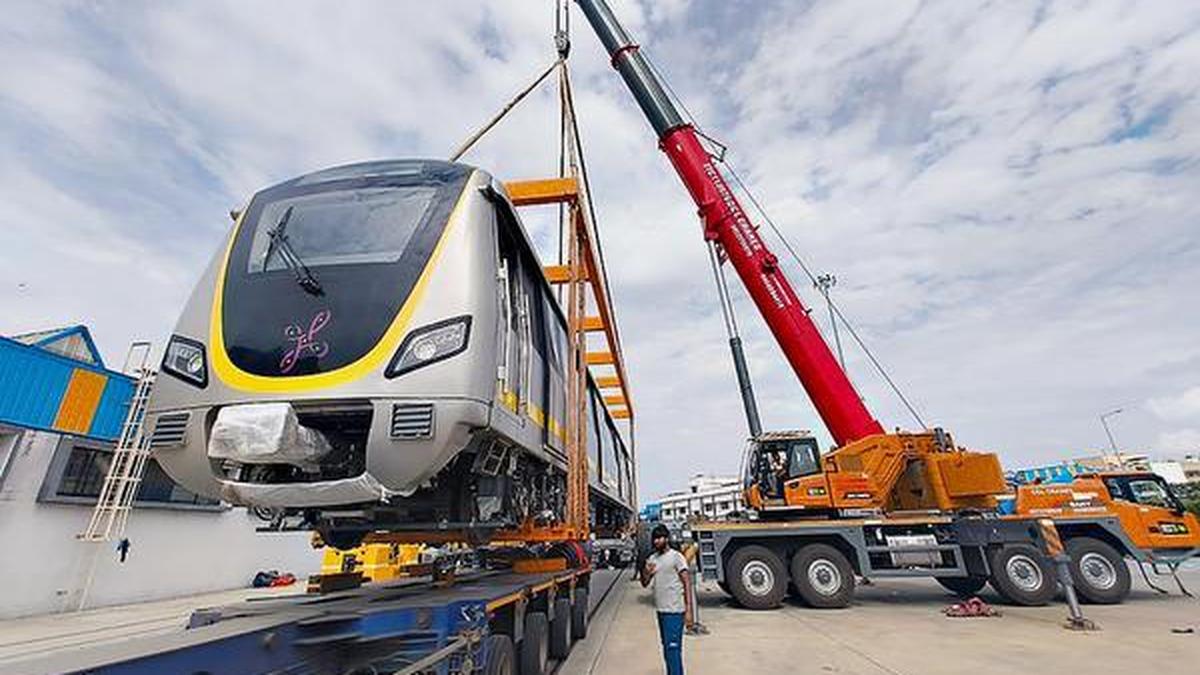
The Yellow Line had been beset by repeated delays since construction began in 2017. Originally planned for completion by December 2021 based on the 2011 Detailed Project Report prepared by the Delhi Metro Rail Corporation, the project ran into hurdles ranging from land acquisition issues and the COVID-19 pandemic to delays in rolling stock supply from Chinese manufacturer CRRC Nanjing.
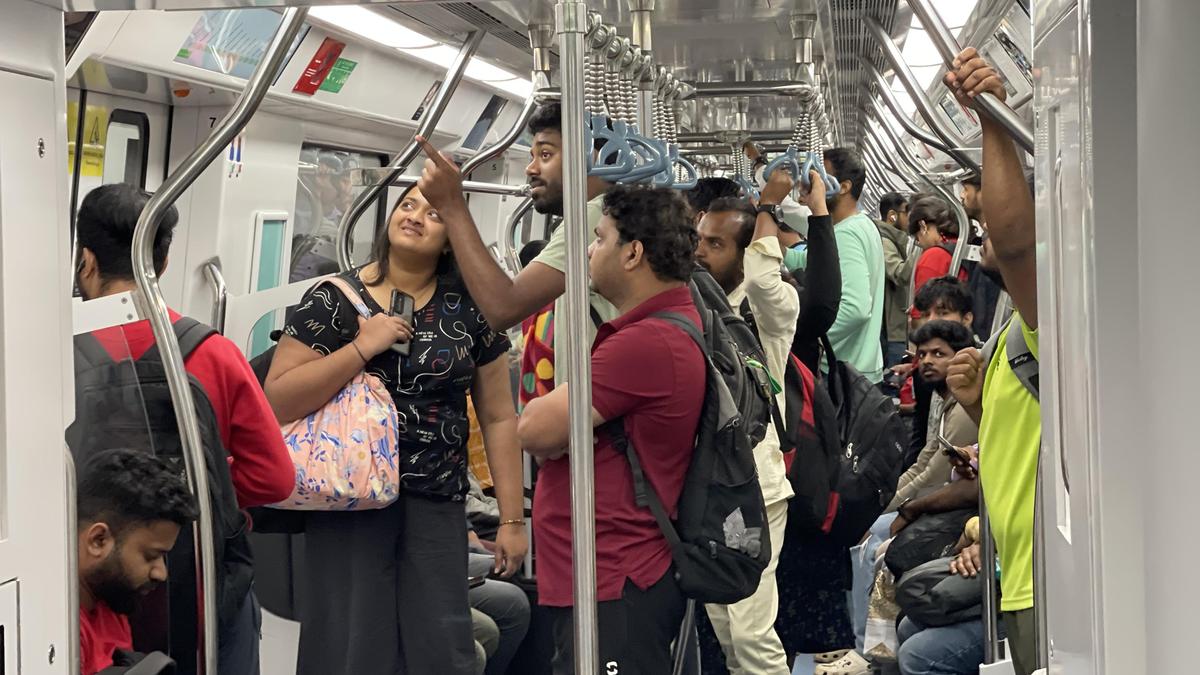
Despite opening with limited train services and longer headways, the response was overwhelming. The line recorded a staggering ridership of 10.48 lakh passengers on its first day, underlining the demand for a reliable metro network along the congested Silk Board–Electronics City corridor. However, as the months progressed, commuters continued to flag overcrowding, limited train availability and poor frequency.