CAIRO: He is the grandson of an influential Shiite cleric, born in Qom — the heart of religious studies in Iran — and raised in a traditional family that embraced the theocracy. But by his late 20s, he had stopped praying and given up on clerical rule. Now, he can barely discuss politics or religion with his siblings and father.
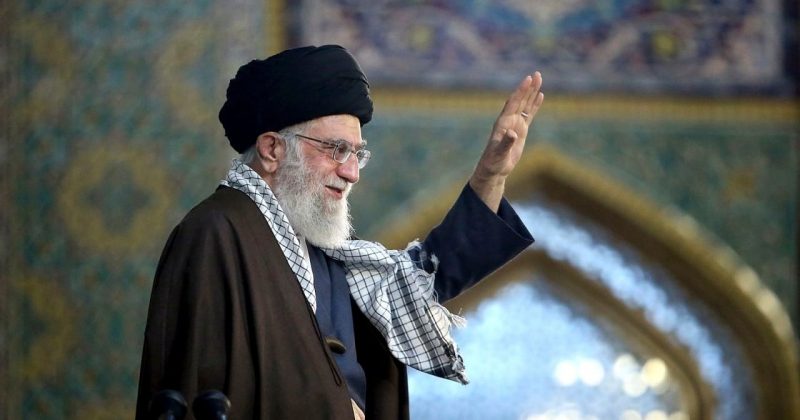
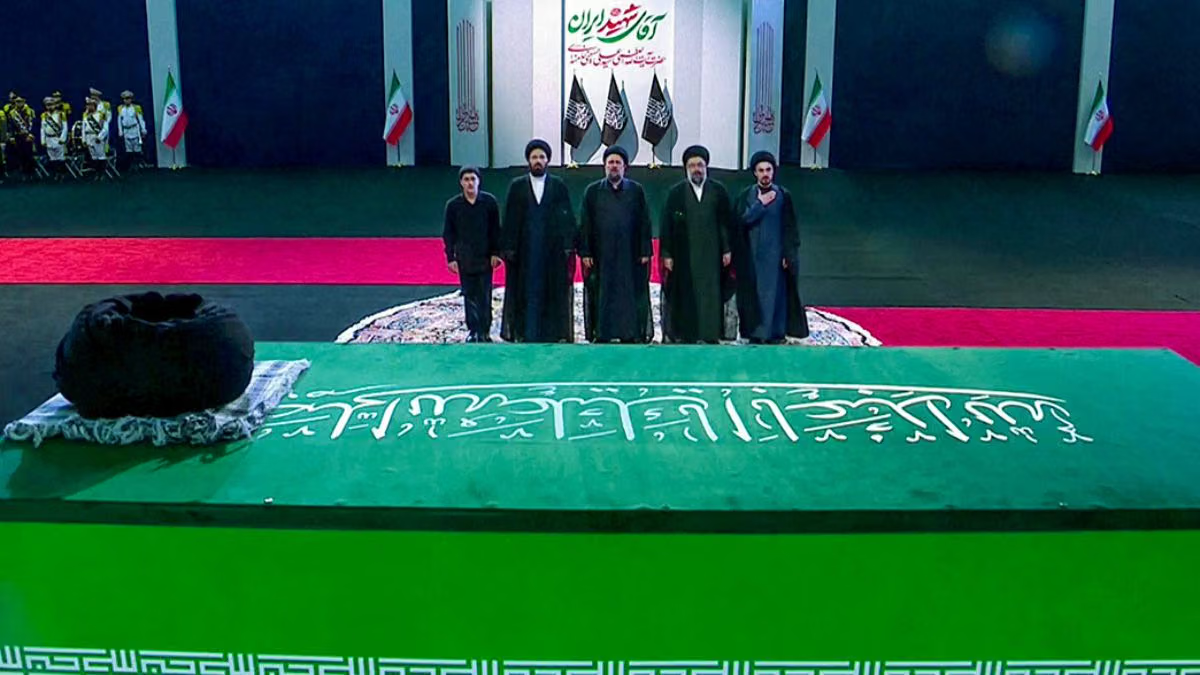
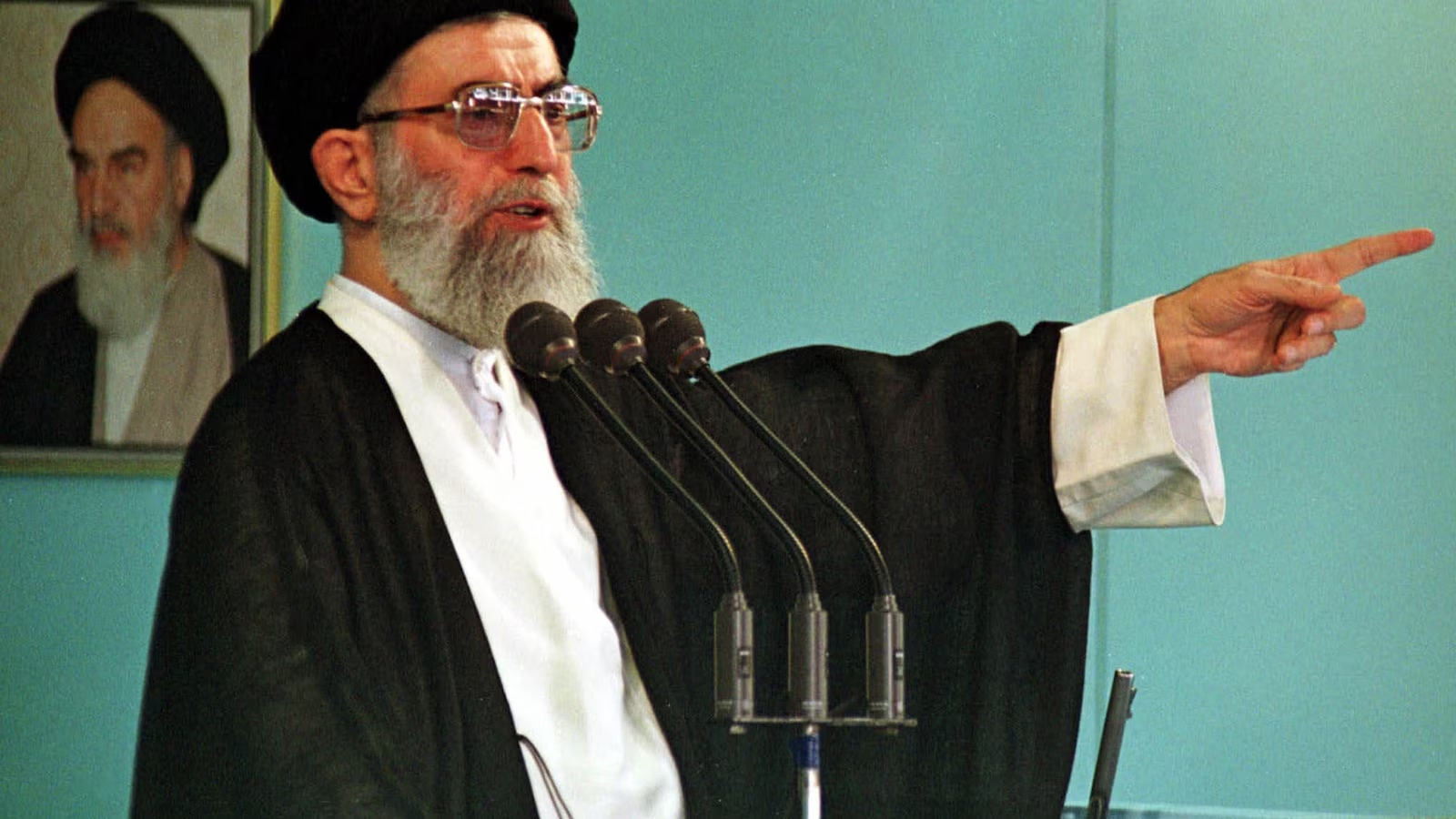
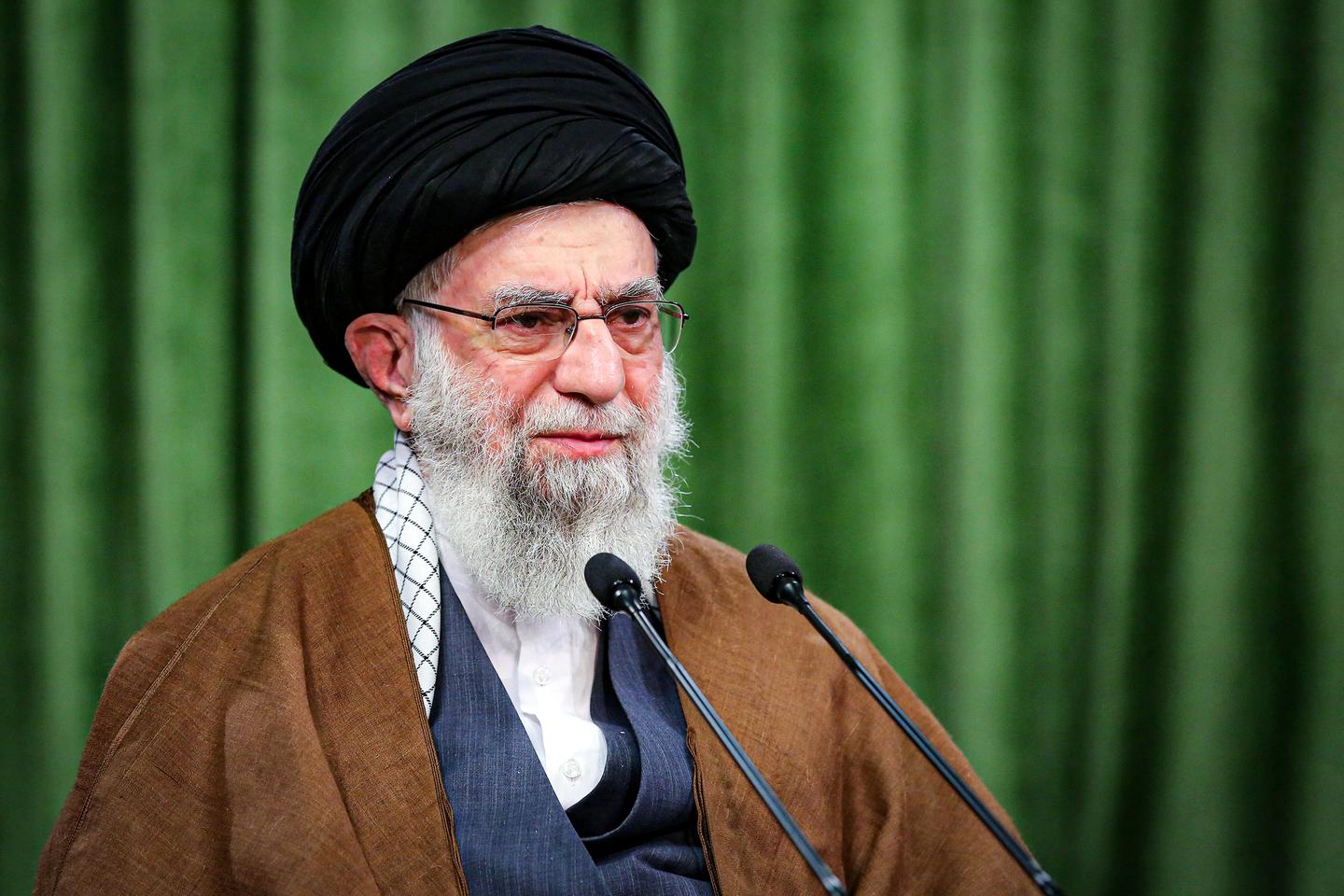
The tech worker, now in his mid-30s, says Iranian society is deeply divided, even among opponents of the Islamic Republic, and he blames one man — Ayatollah Ali Khamenei. The supreme leader who ruled Iran for over three decades will be laid to rest Thursday after being killed at the start of the war.
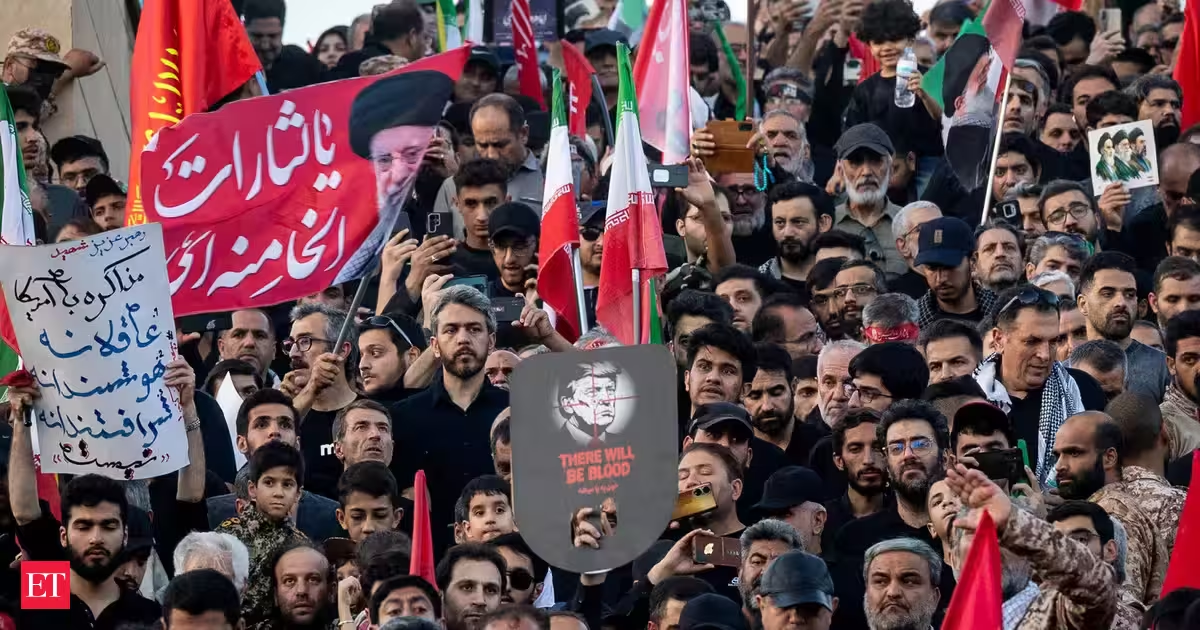
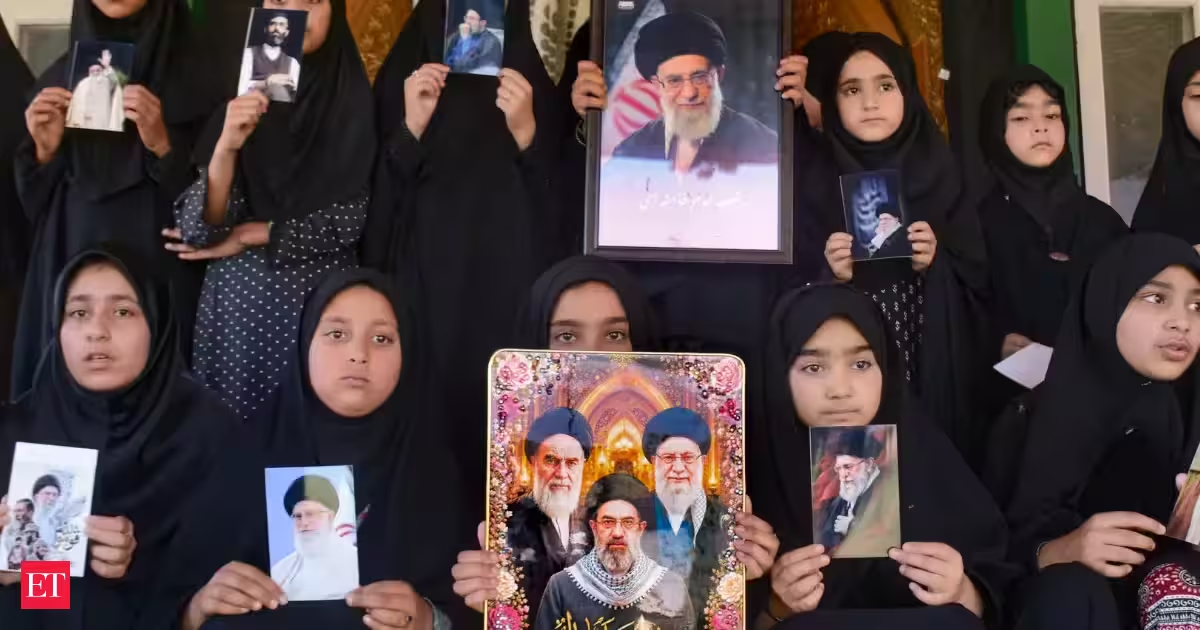
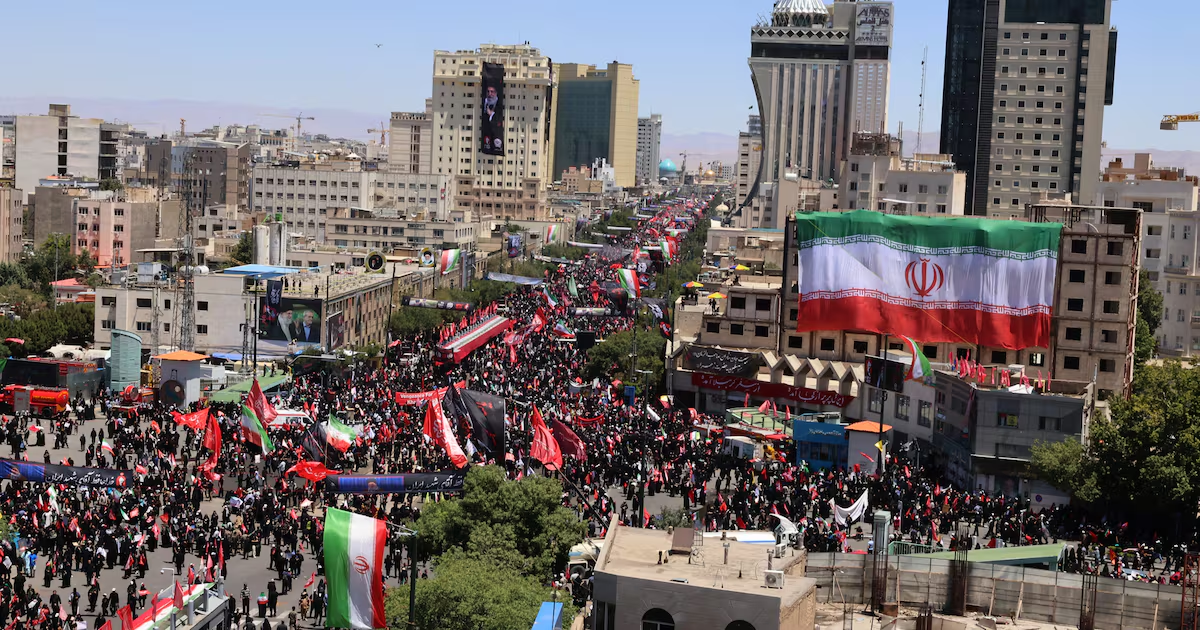
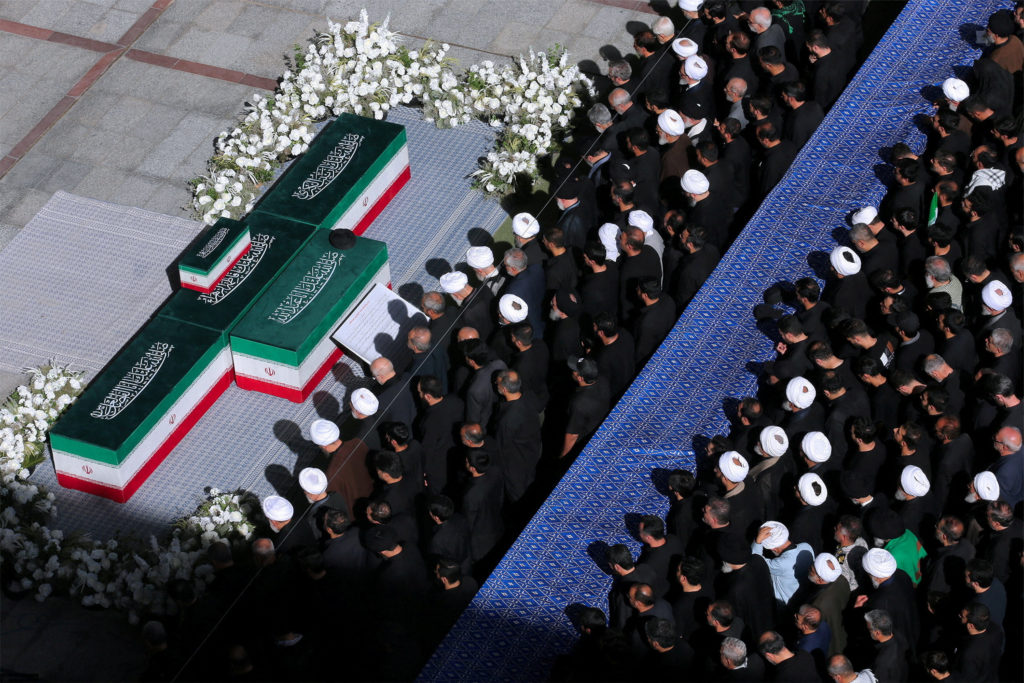
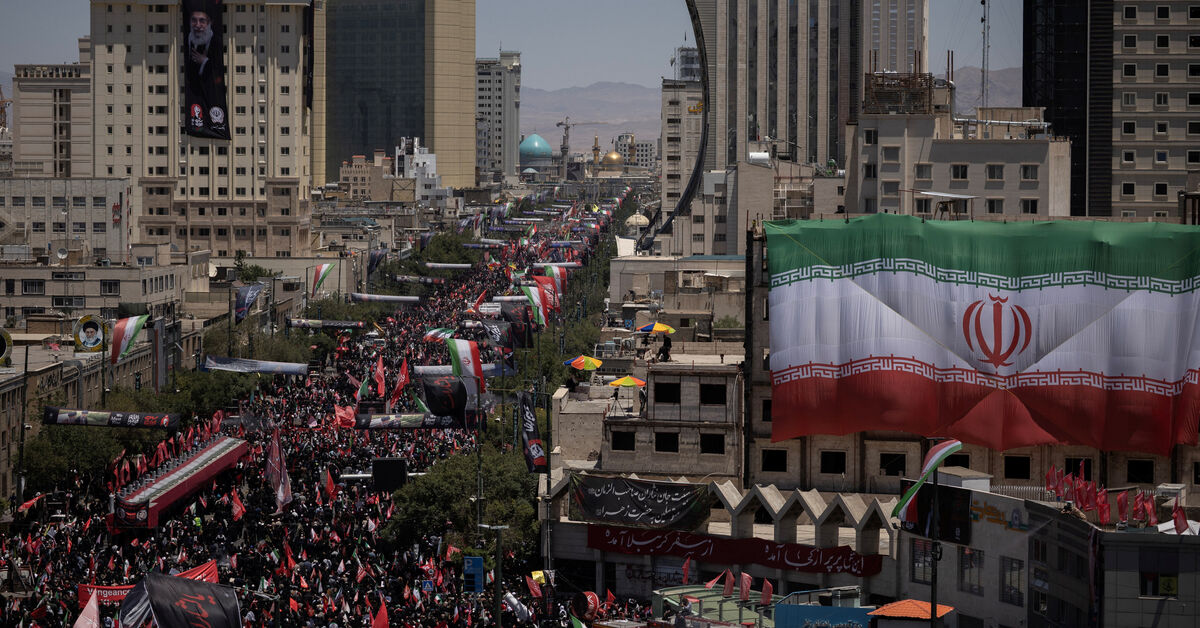
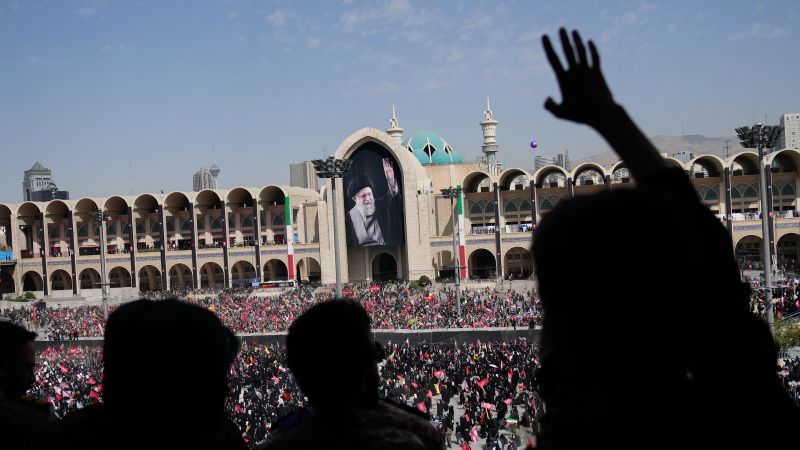
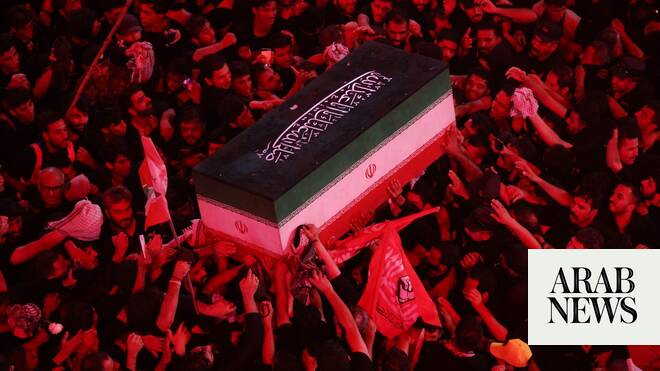
Processions of his coffin in Tehran and other cities brought out gigantic crowds of supporters in a show of strength by the hard-liners at the core of the Islamic Republic, who lionized him as a defender of clerical rule who had stood up to the West and Israel.
But underneath run deep veins of discontent that have grown over decades of bloody repression, international sanctions and economic mismanagement, and have widened since authorities killed thousands of anti-government protesters in January.
“A gap has opened up in homes across the country that is really remarkable,” said the tech worker by phone from Tehran, where he now lives. Like others interviewed by The Associated Press to discuss Khamenei’s rule, he spoke on condition of anonymity out of security fears.