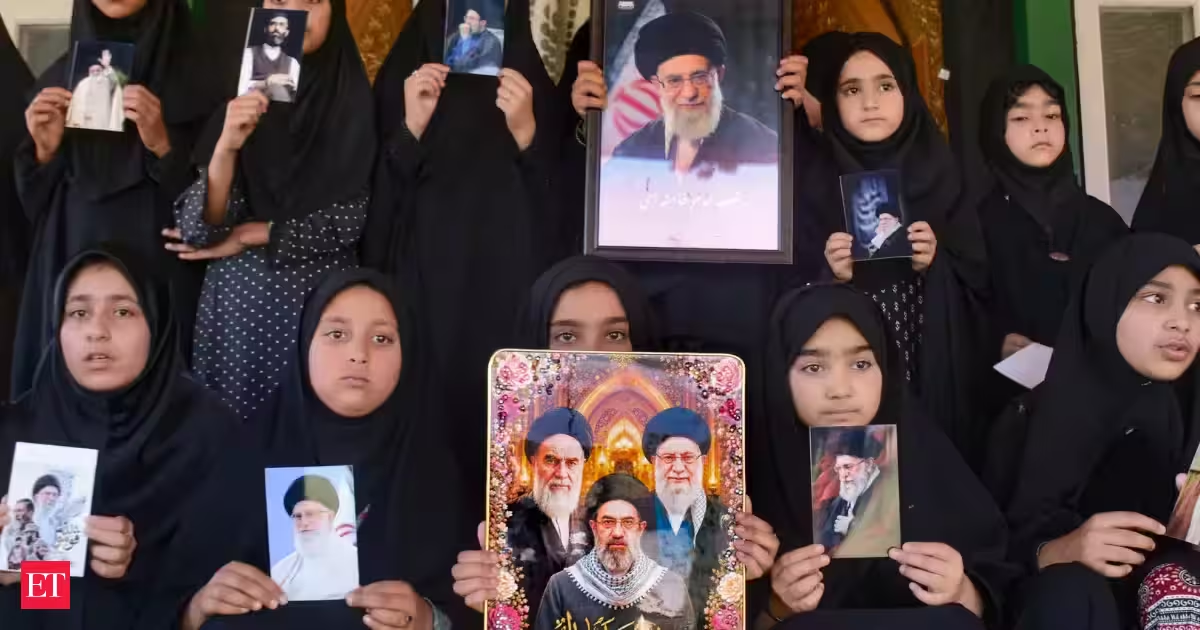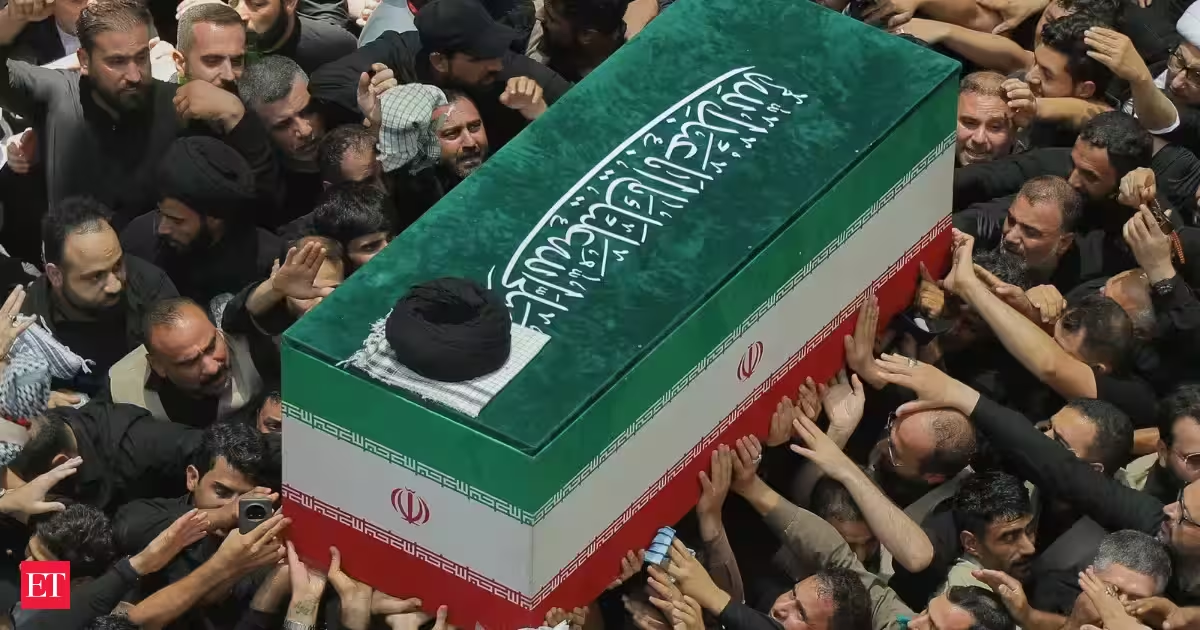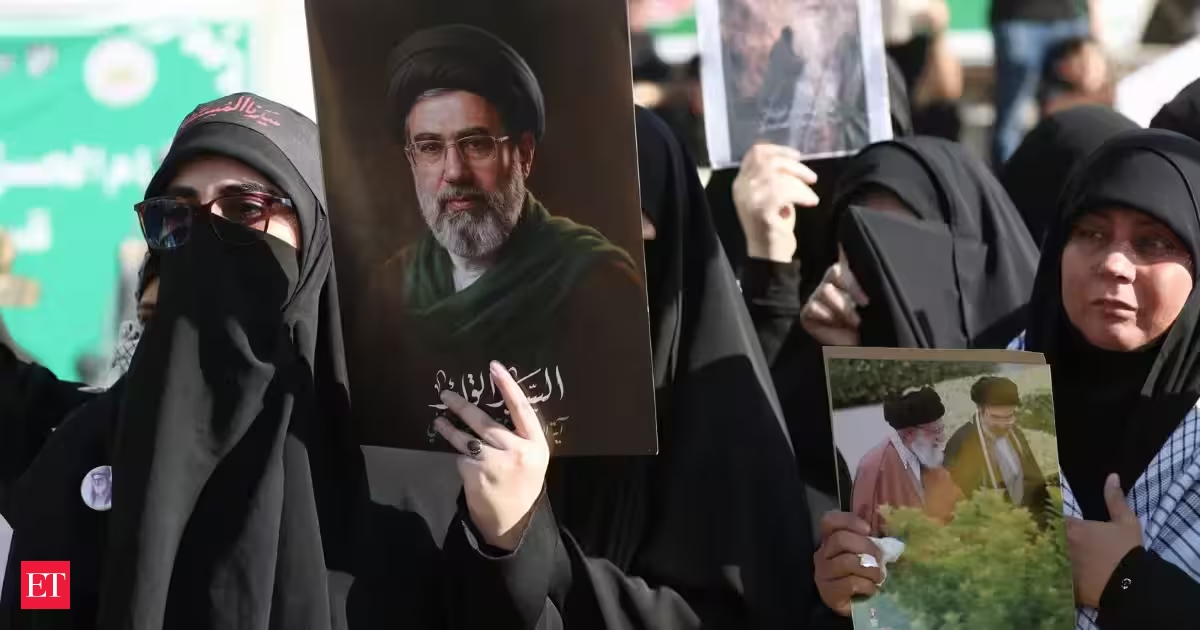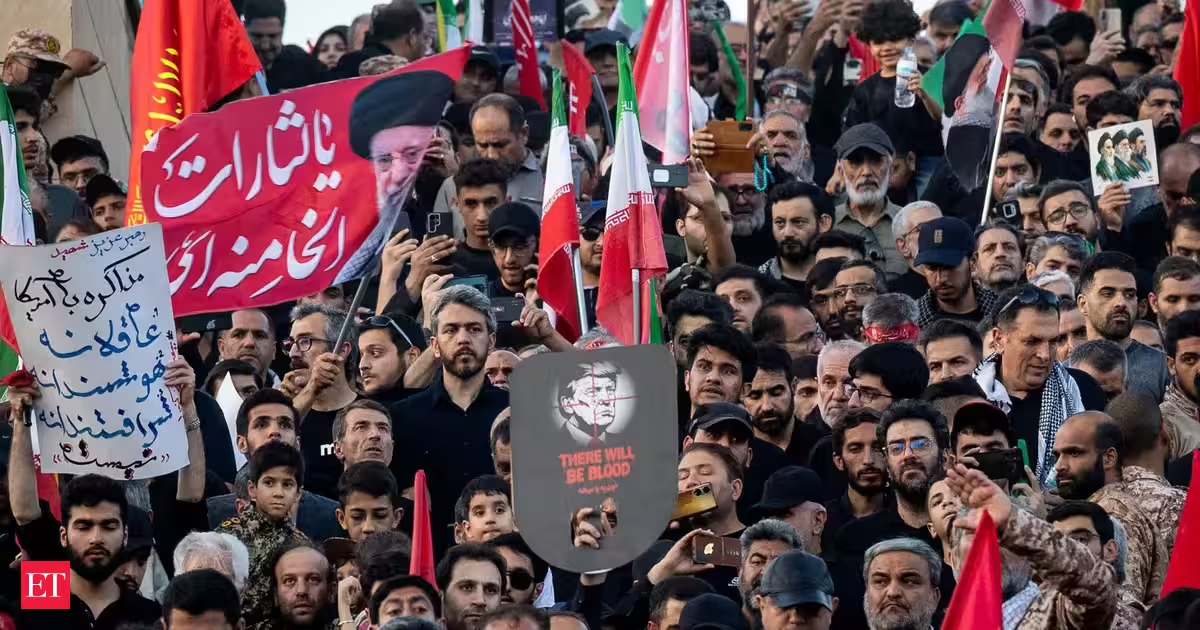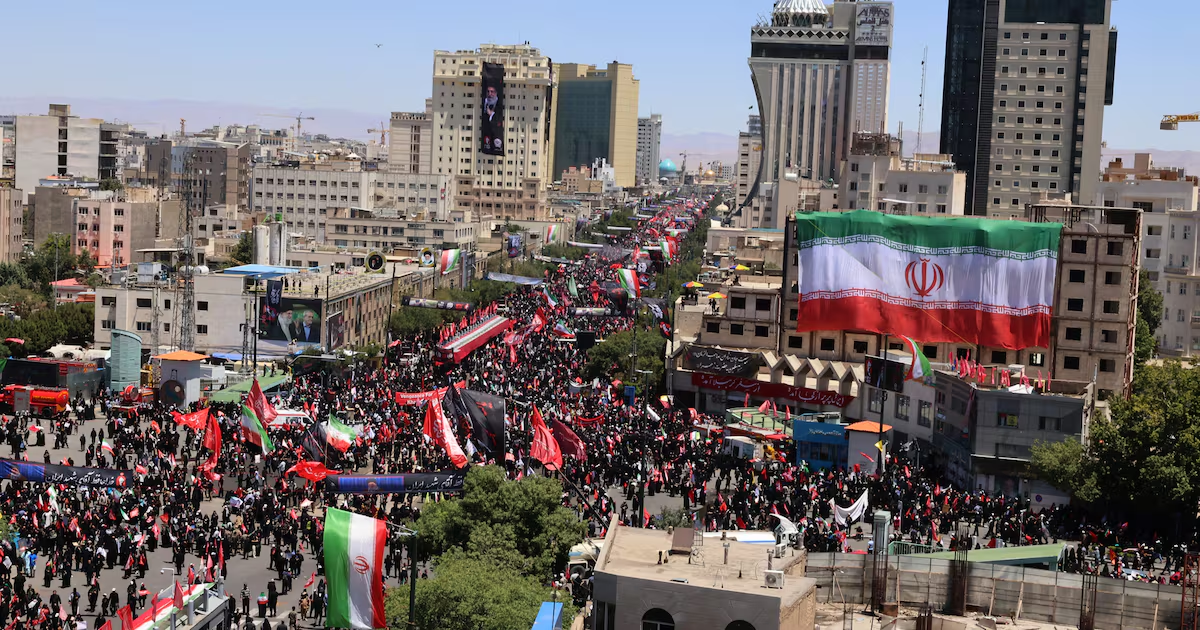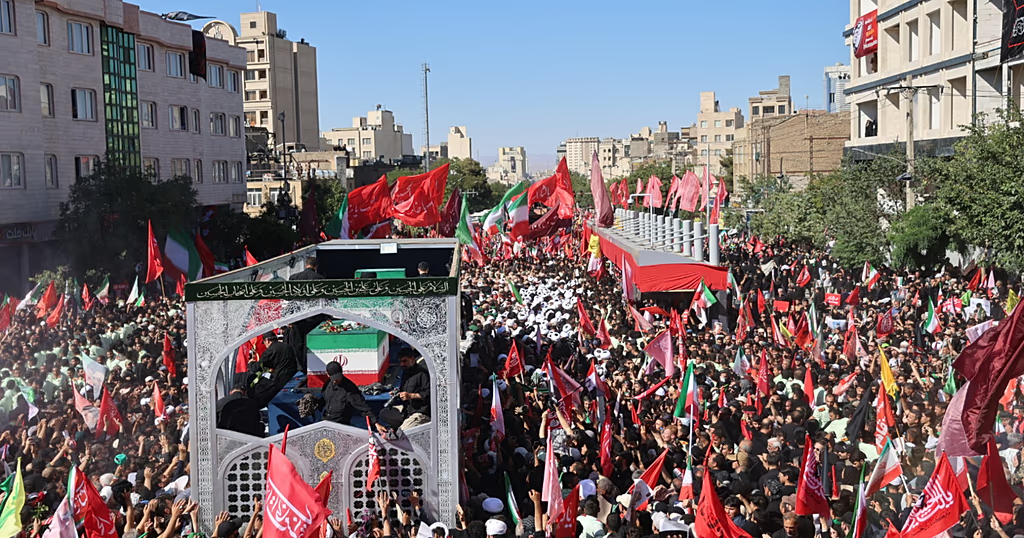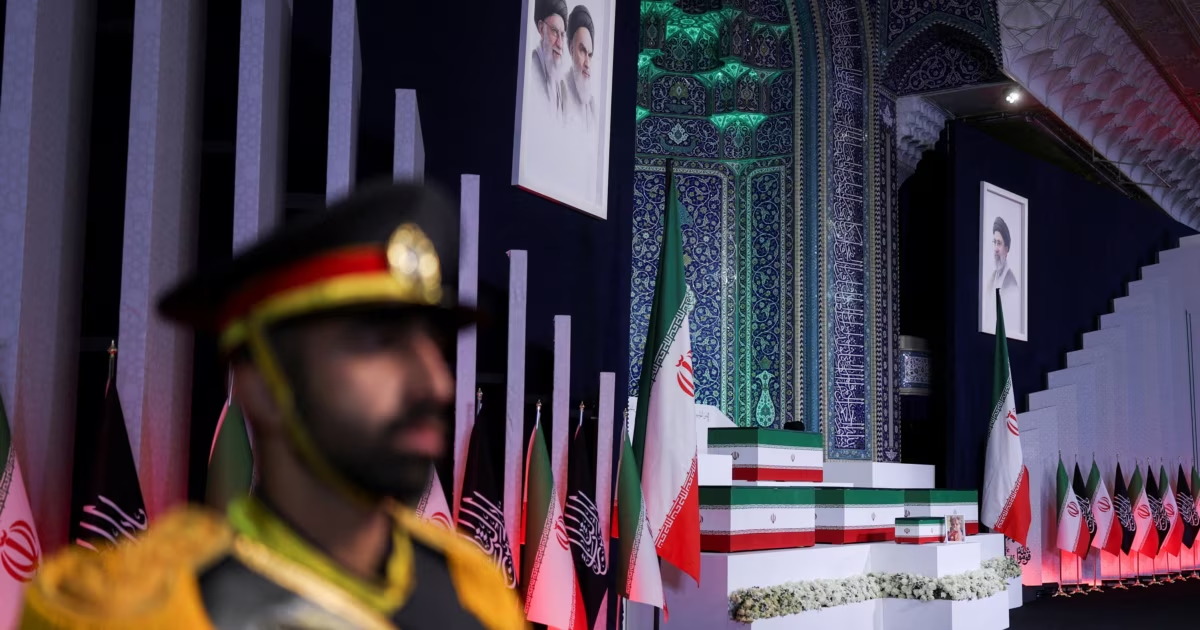
The casket of Ayatollah Ali Khamenei, the late Supreme Leader of the Islamic Republic, was placed before millions at the Tehran Grand Musalla, a striking image signaling the absolute end of his era and the dawn of a highly uncertain chapter. While regime loyalists pray for his path to continue under his son, Mojtaba Khamenei, believing the younger Khamenei will elevate his father’s core legacy of “preserving national sovereignty and independence in a turbulent region,” critics see a completely broken inheritance.
They point out that despite decades of anti-Western rhetoric, state officials have completely abandoned Khamenei’s central tenets, clearing the path to negotiate a deal with the very global powers responsible for his death.
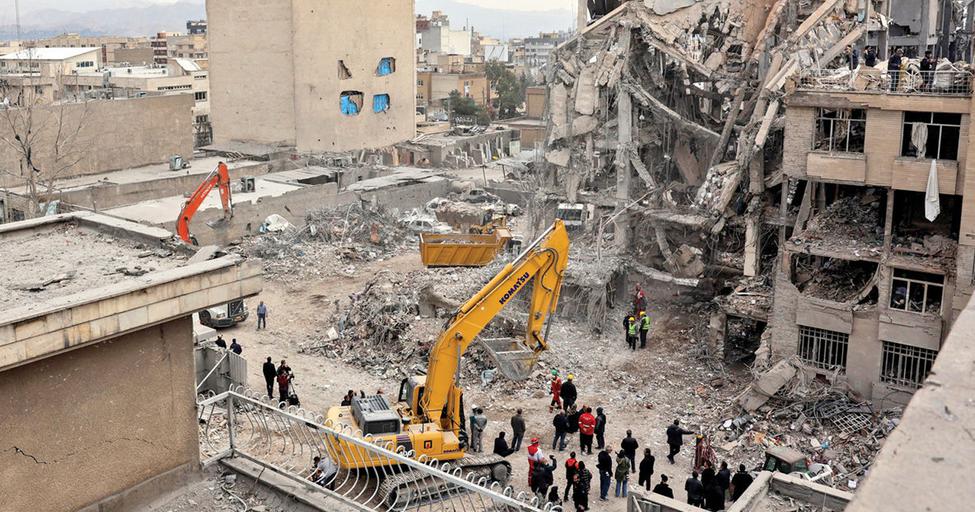
At the center of his legacy evaluation lies a strategy built entirely on conflict, animosity, and “resistance” against the West. Khamenei’s unyielding stance against the United States and Israel ultimately dragged Iran into direct military conflict twice, all while he explicitly maintained a policy of “no war, no negotiations.” Following a devastating 39-day war, his successors have been forced to accept an interim agreement with Washington. Khamenei engineered the Islamic Republic to ensure its absolute survival at all costs, yet its highly centralized power structure and parallel institutions left it uniquely brittle to internal decay and external shock. Ultimately, the system’s ongoing preservation under crushing external pressure and deep public disillusionment may stand as his most enduring, yet volatile, legacy.