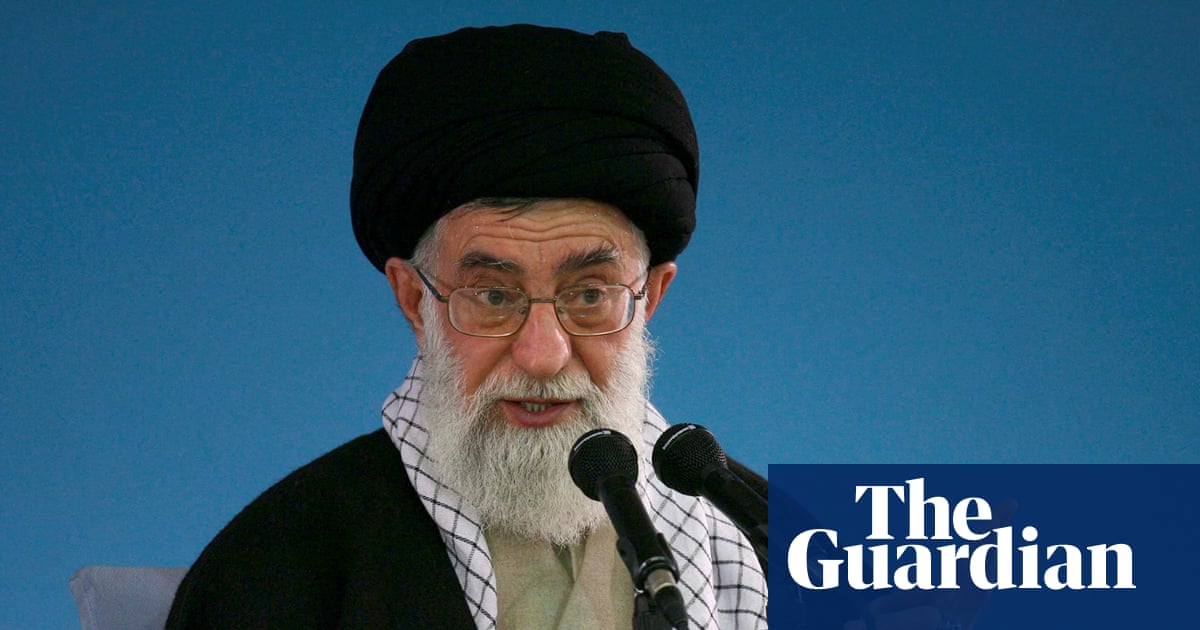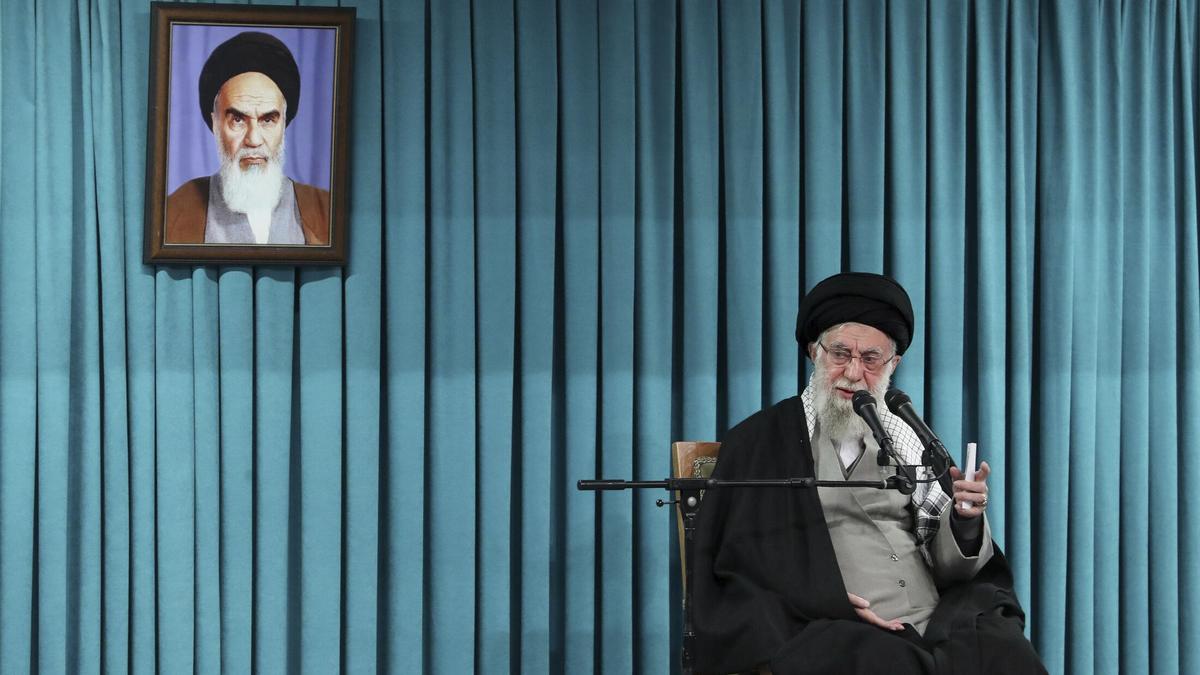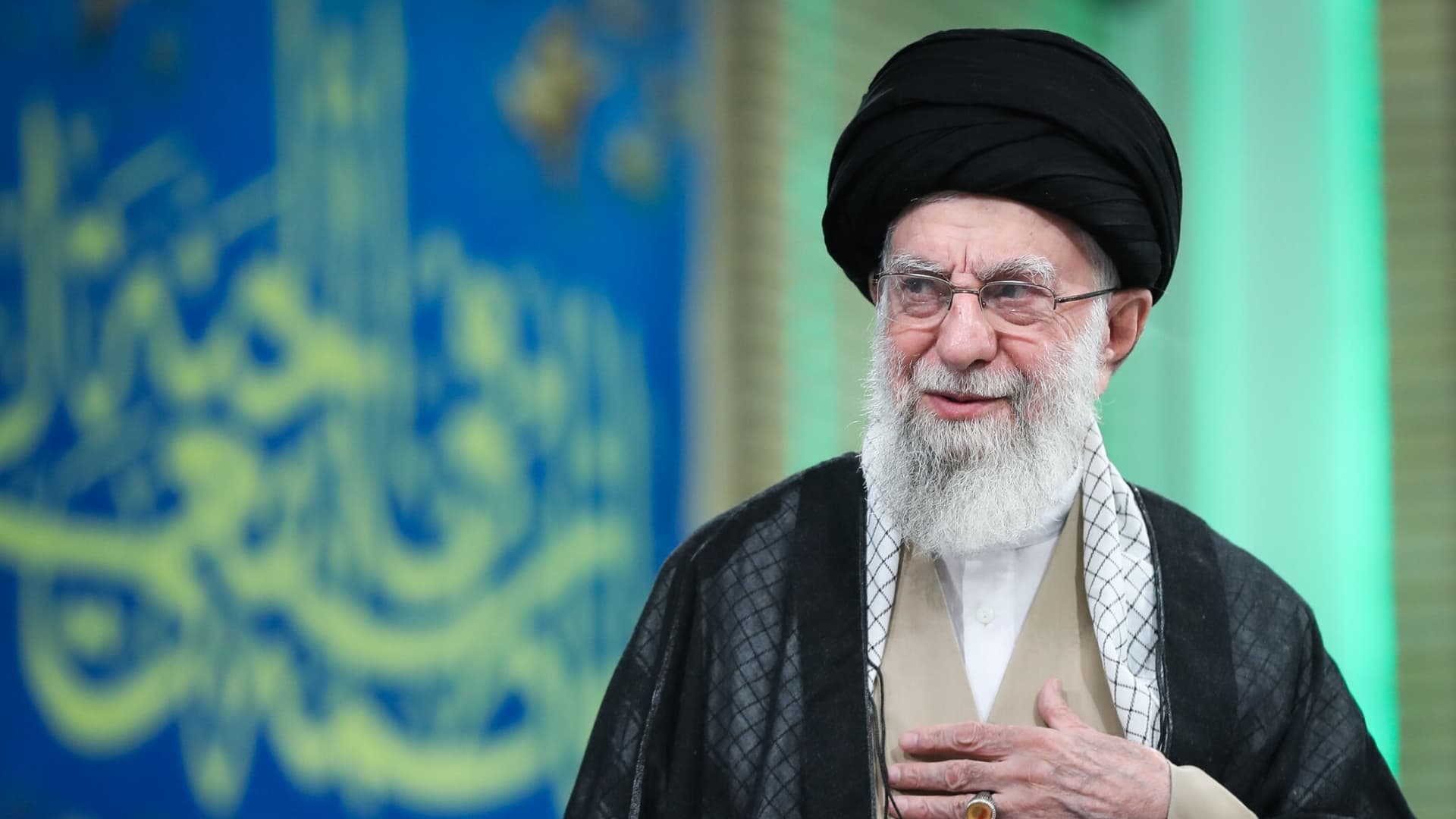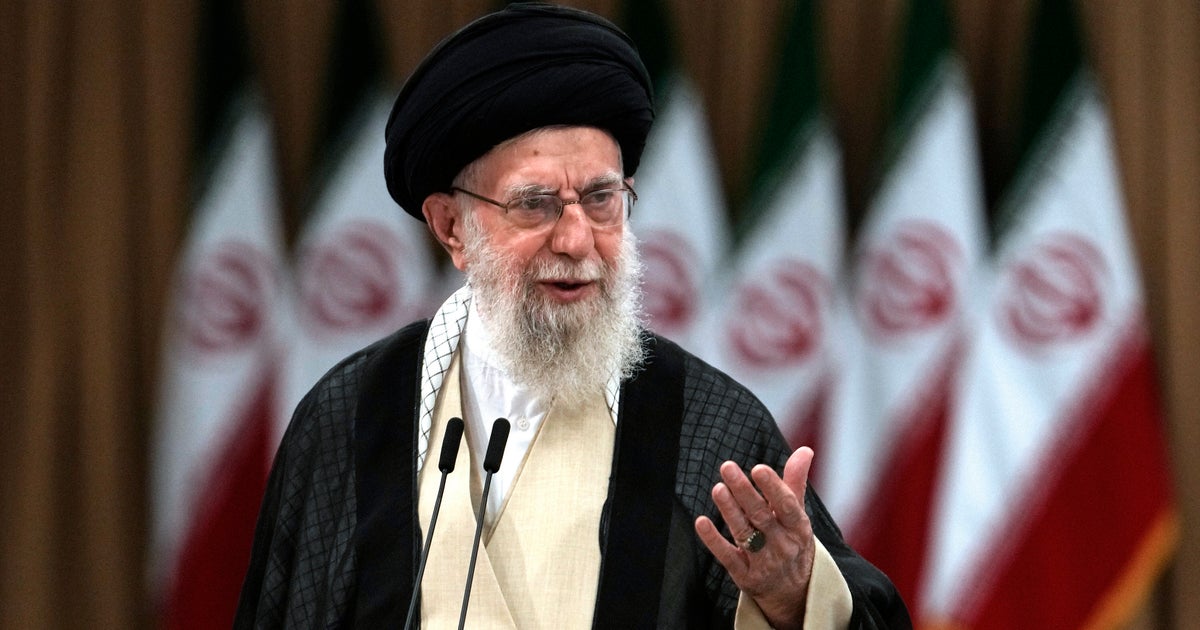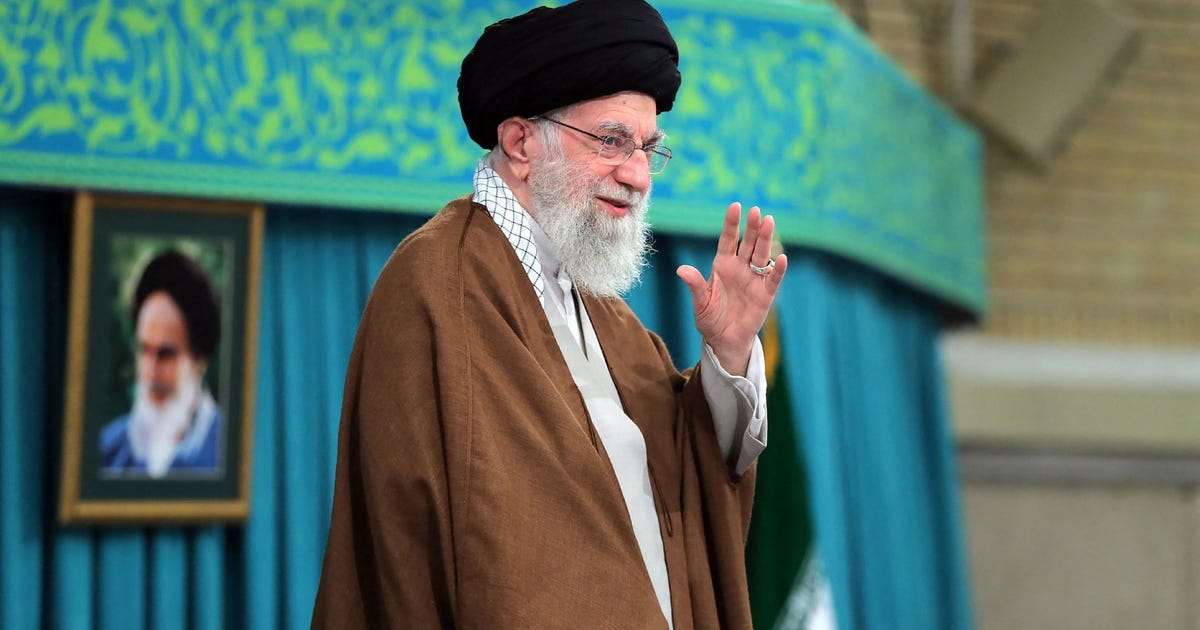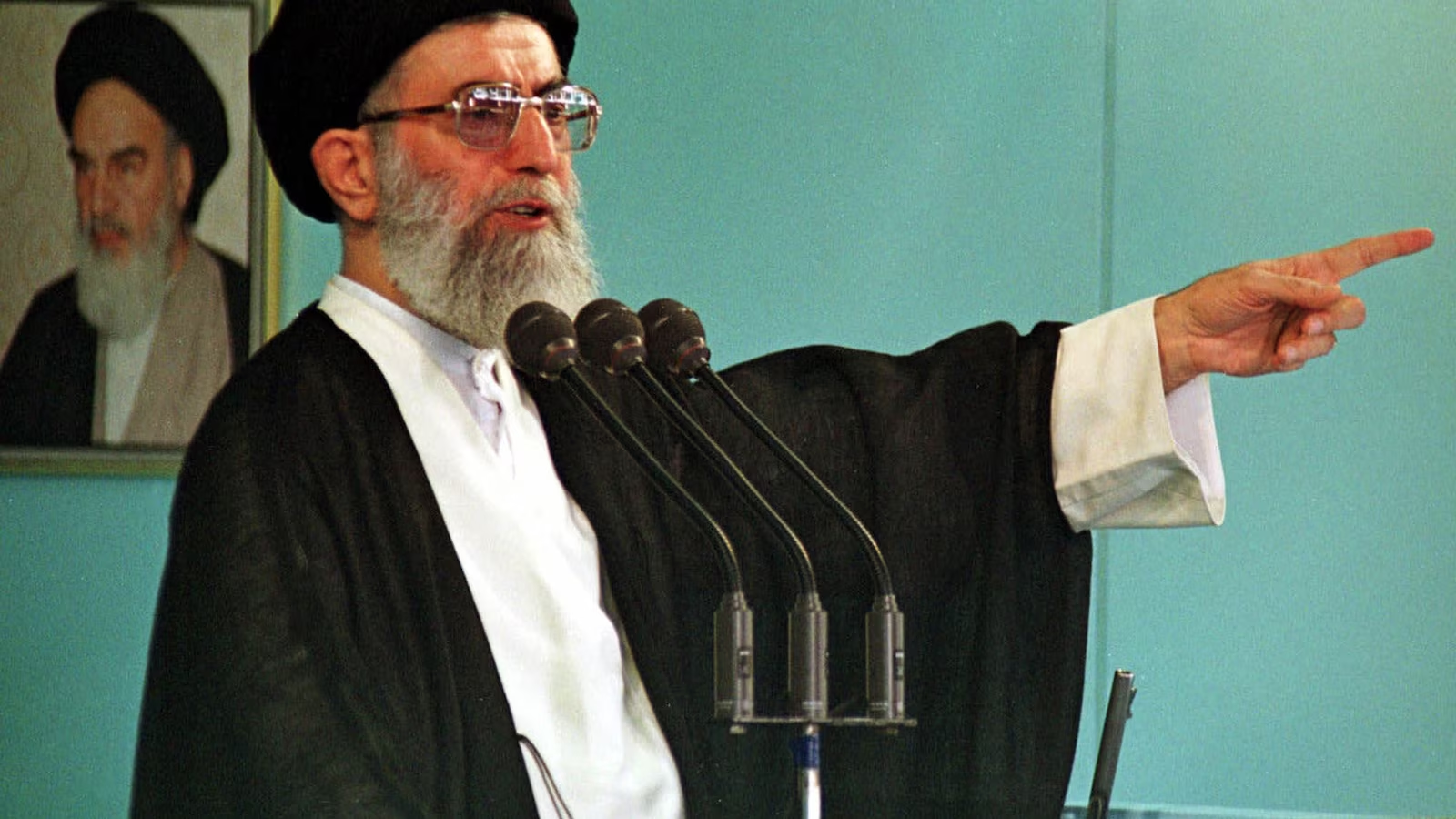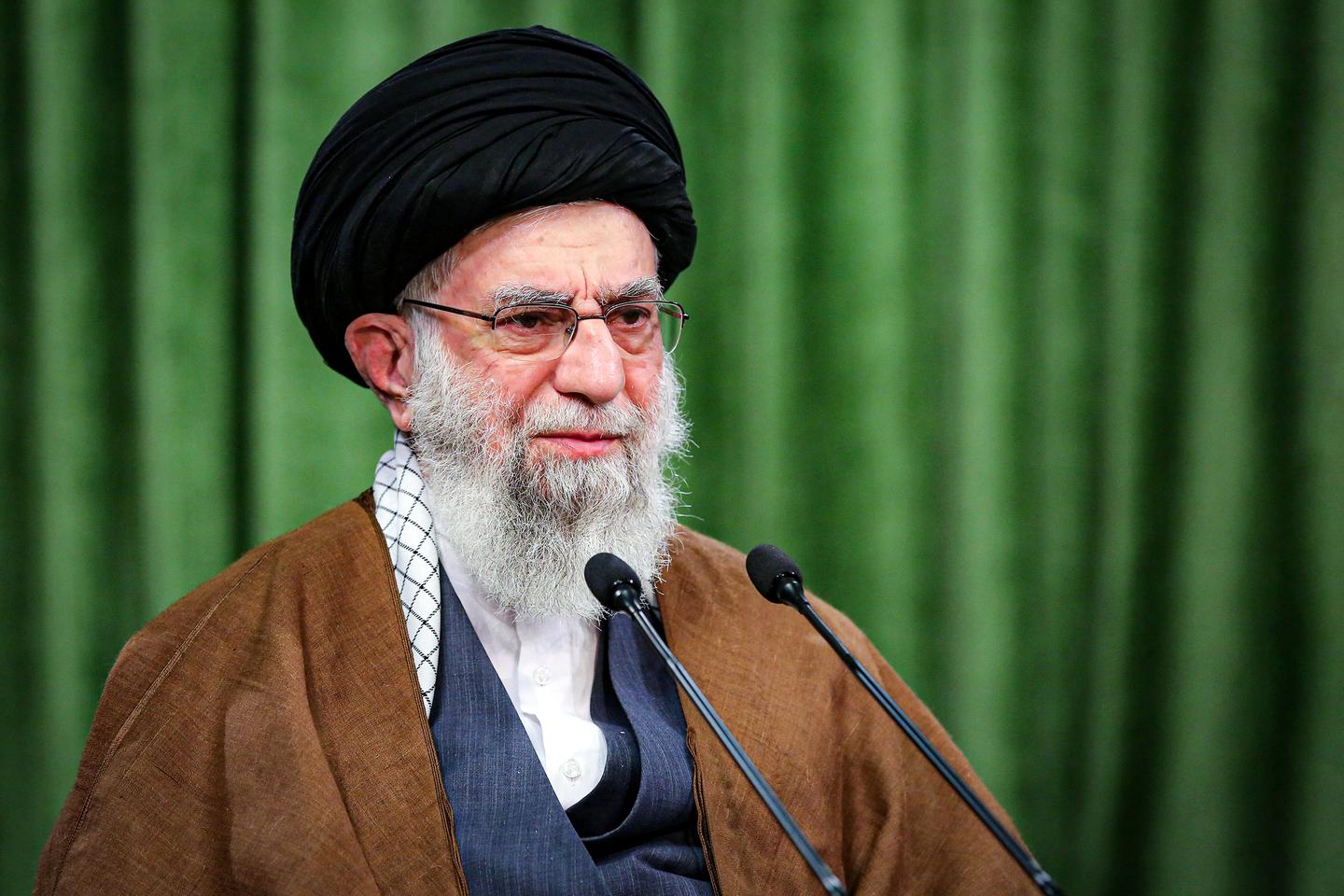
Ayatollah Ali Khamenei during a televised speech on November 3, 2020. - / AFP
In the heart of Iran's most secretive inner circles, Ayatollah Ali Khamenei pulled the strings, occasionally loosening his grip before calling for order or imposing a radical change of direction whenever he detected cracks in the foundations of the Islamic Republic. Khamenei was killed in a joint American-Israeli operation targeting Iran on February 28, at the age of 86. He served as the supreme leader of Iran – its highest authority and the guardian of its theocratic doctrine. Paranoid and unyielding, he put the very existence of the Iranian regime in jeopardy.
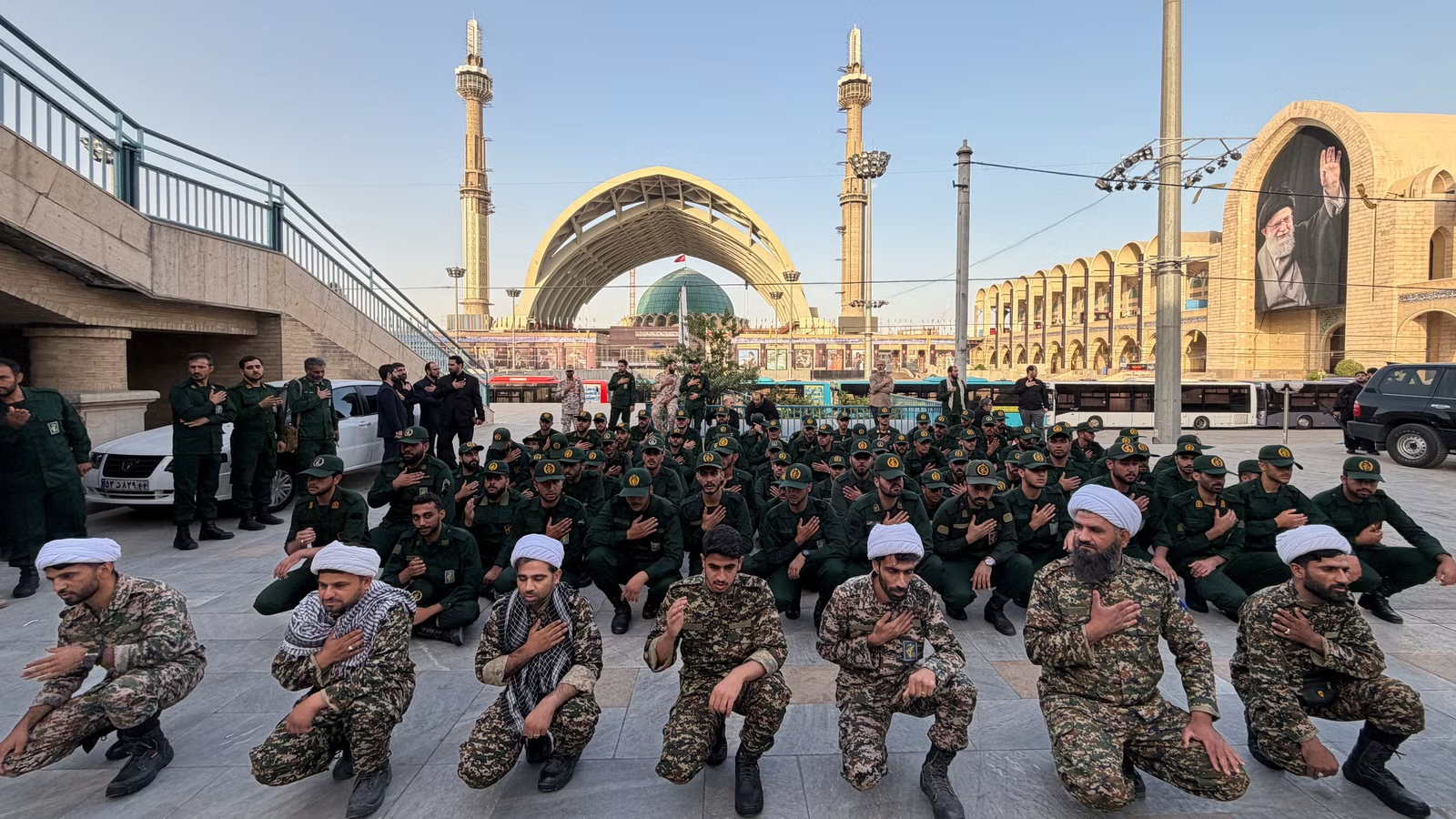
He defined the nation's political direction, adjusting the balance of power when necessary. Over the years, however, he chose an increasingly security-focused approach, relying on the armed forces, especially the Islamic Revolutionary Guard Corps.
That choice was reinforced by waves of protest, which became more frequent, more political and eventually targeted him directly. "During his reign, Ali Khamenei replaced his turban with a military helmet," summed up Ahmad Salamatian, a former Iranian MP now exiled in France.
You have 91.24% of this article left to read. The rest is for subscribers only.