Supreme leader of Iran who maintained theocratic rule at home and an anti-western axis of resistance in the Middle East
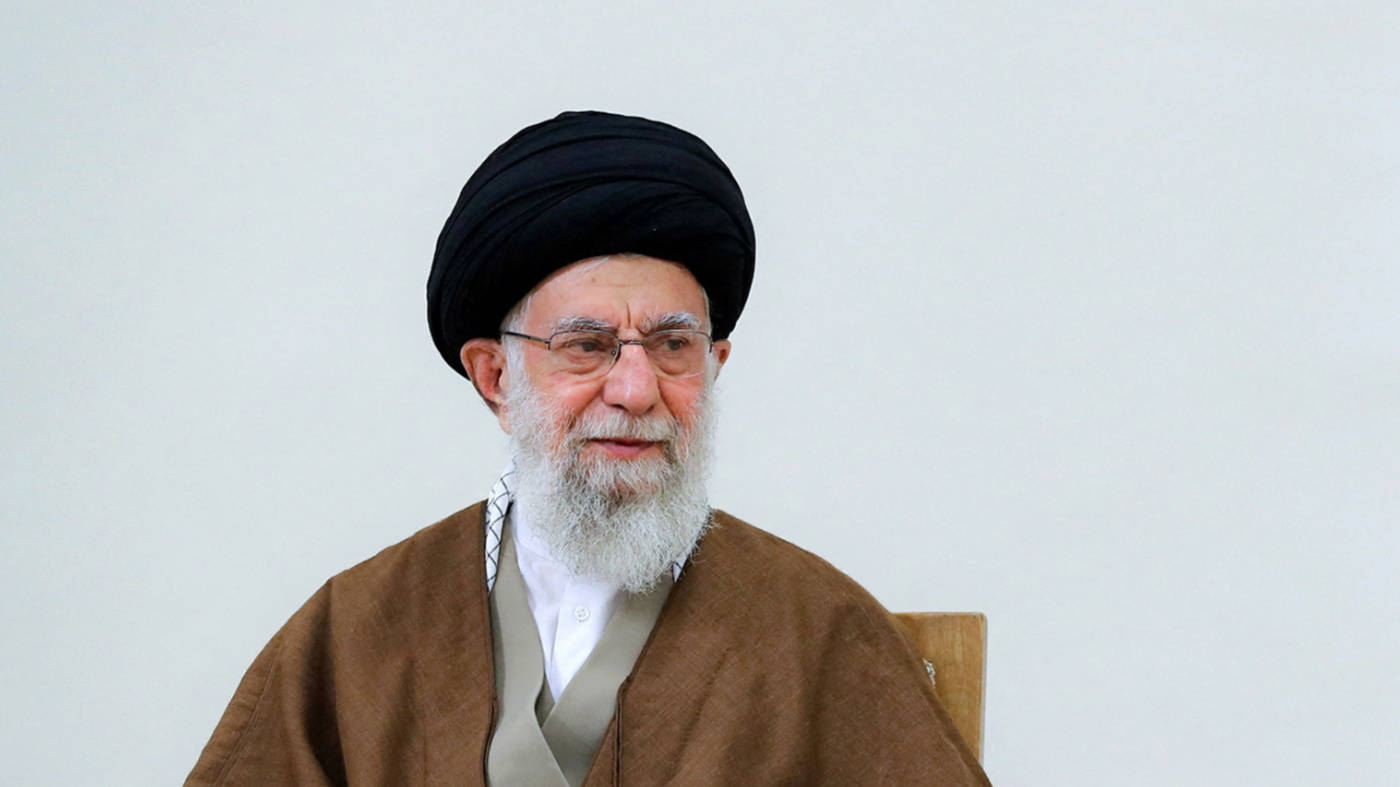
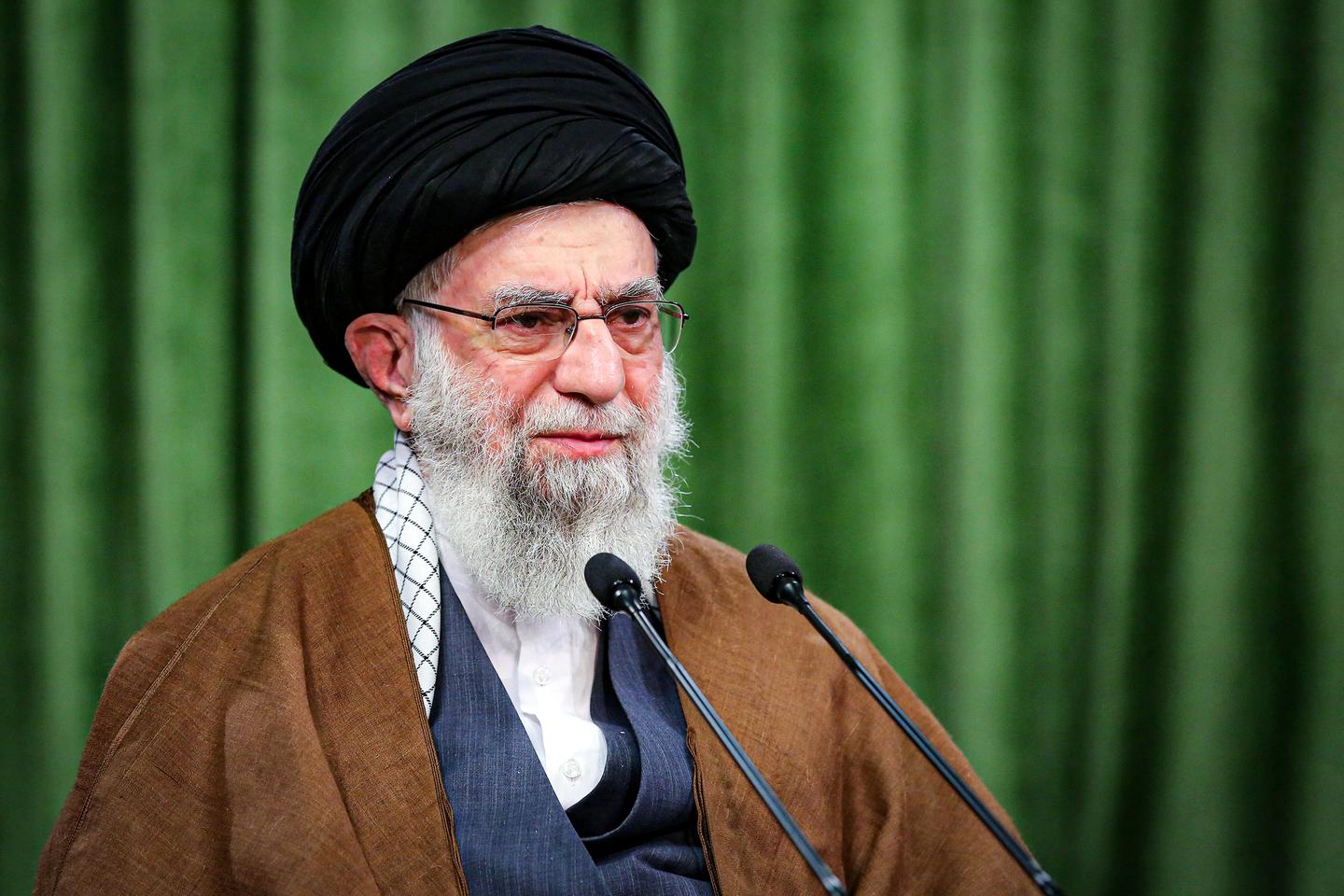
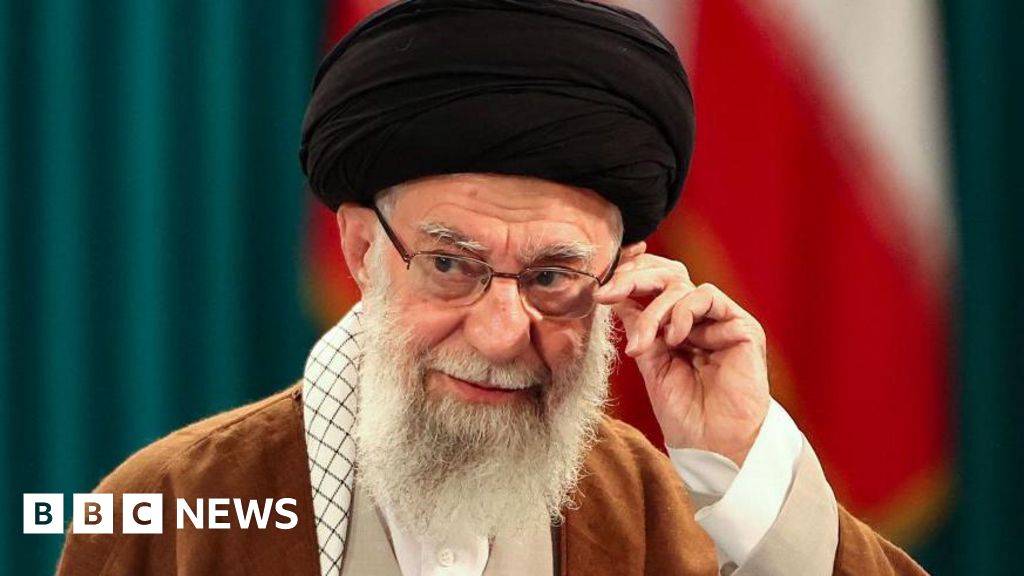
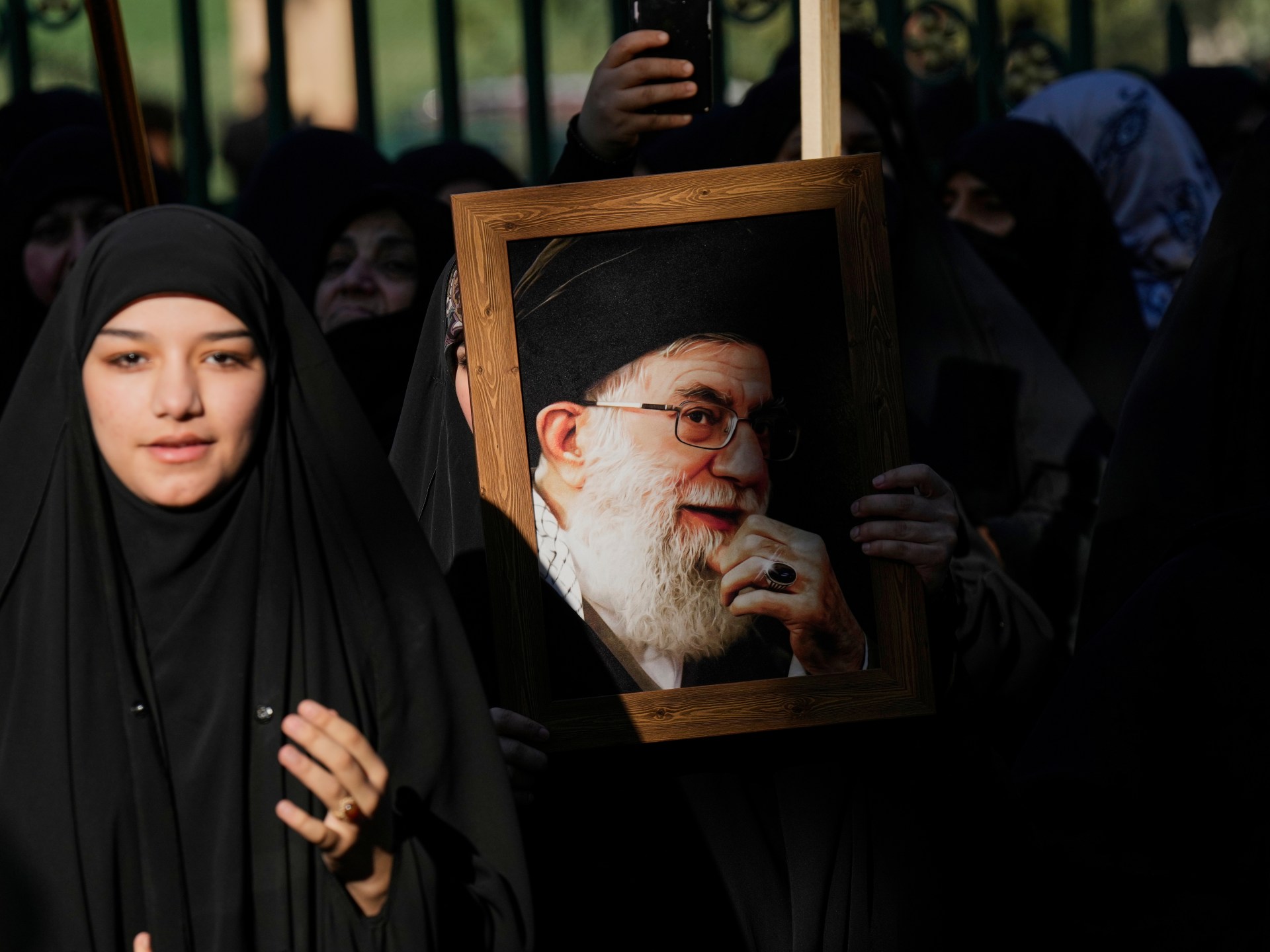
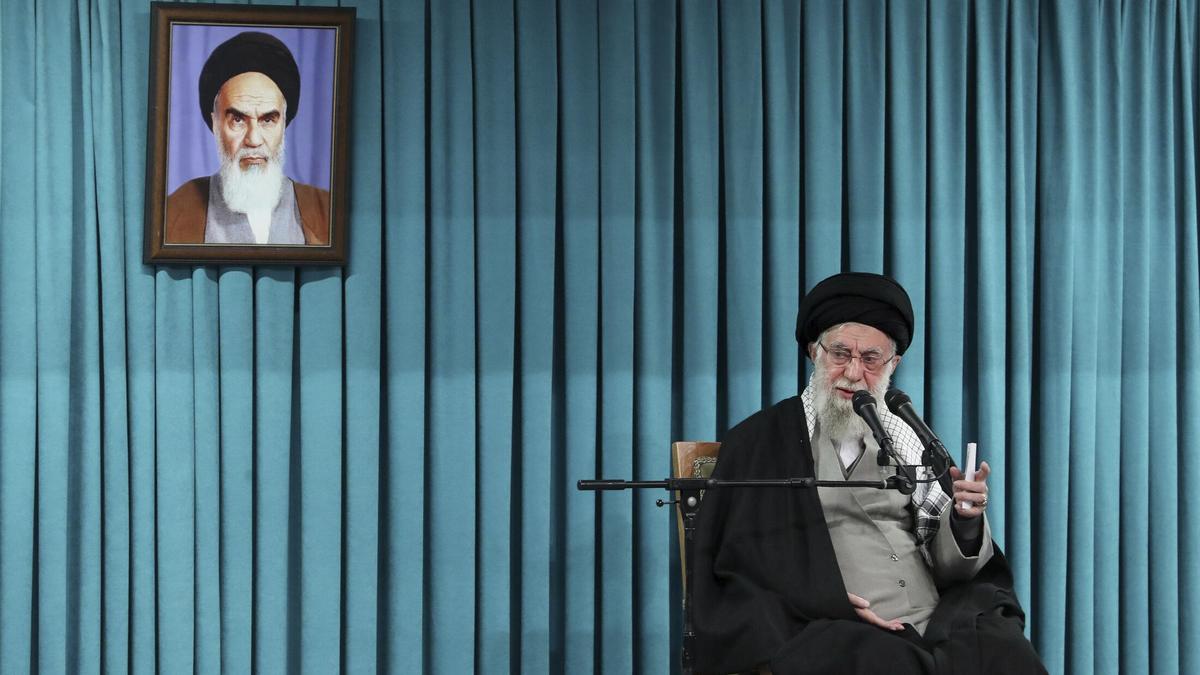
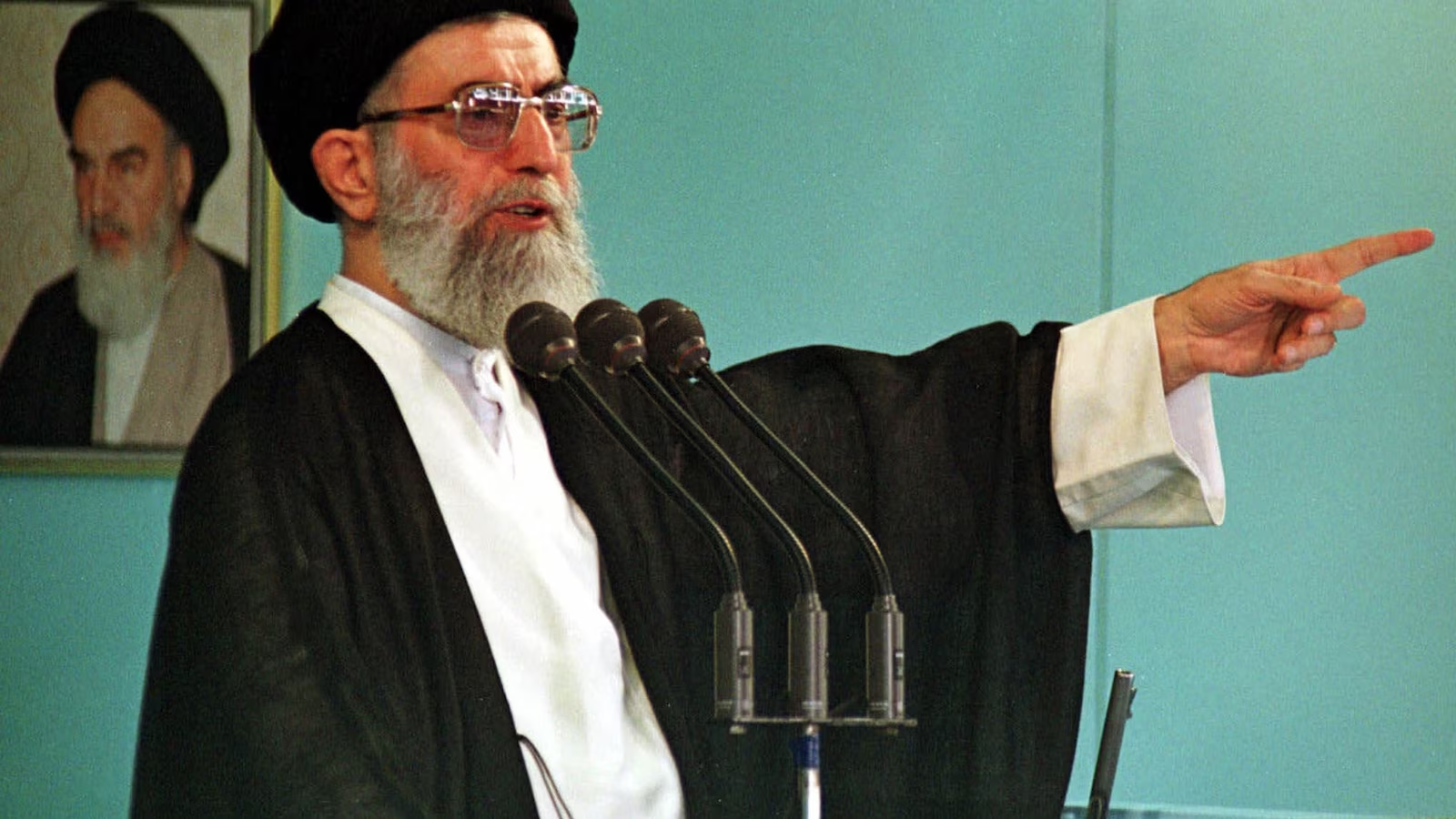
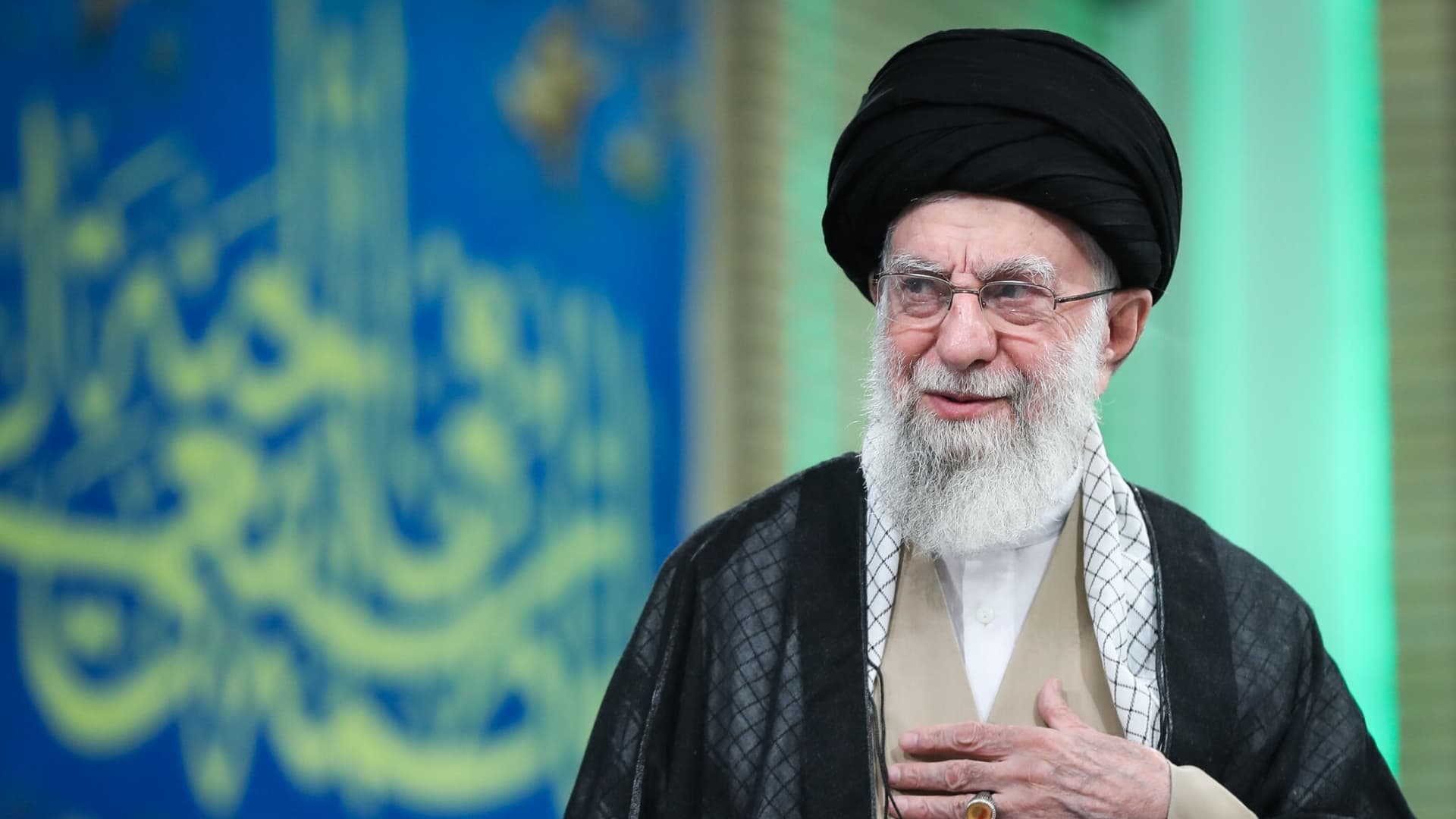
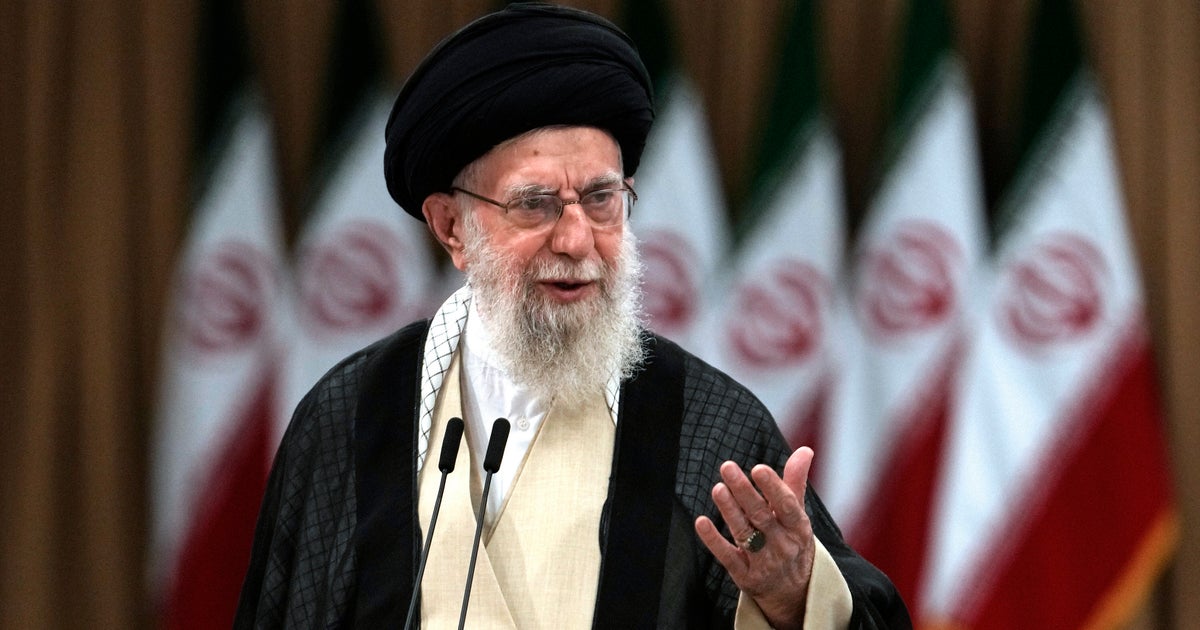
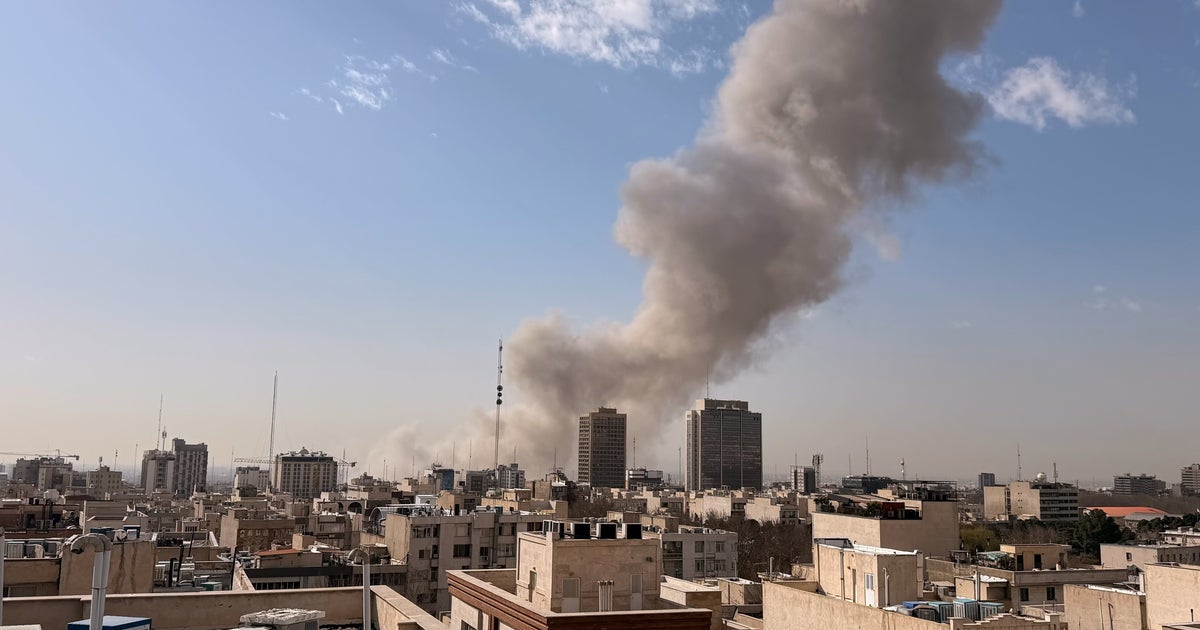
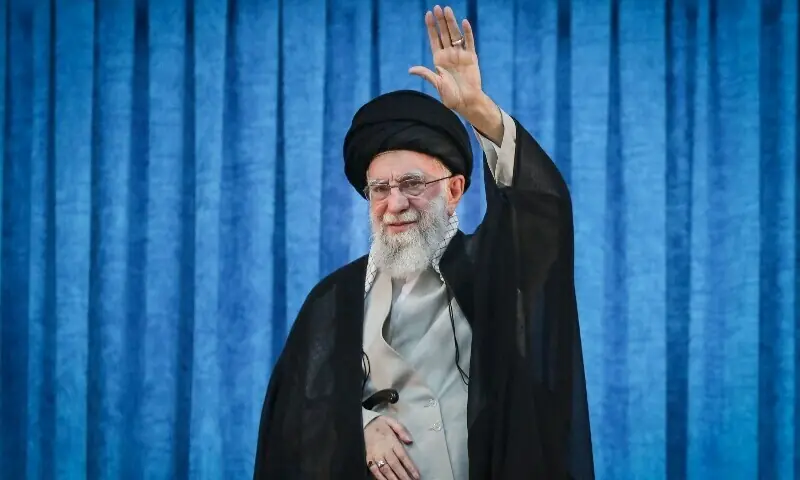
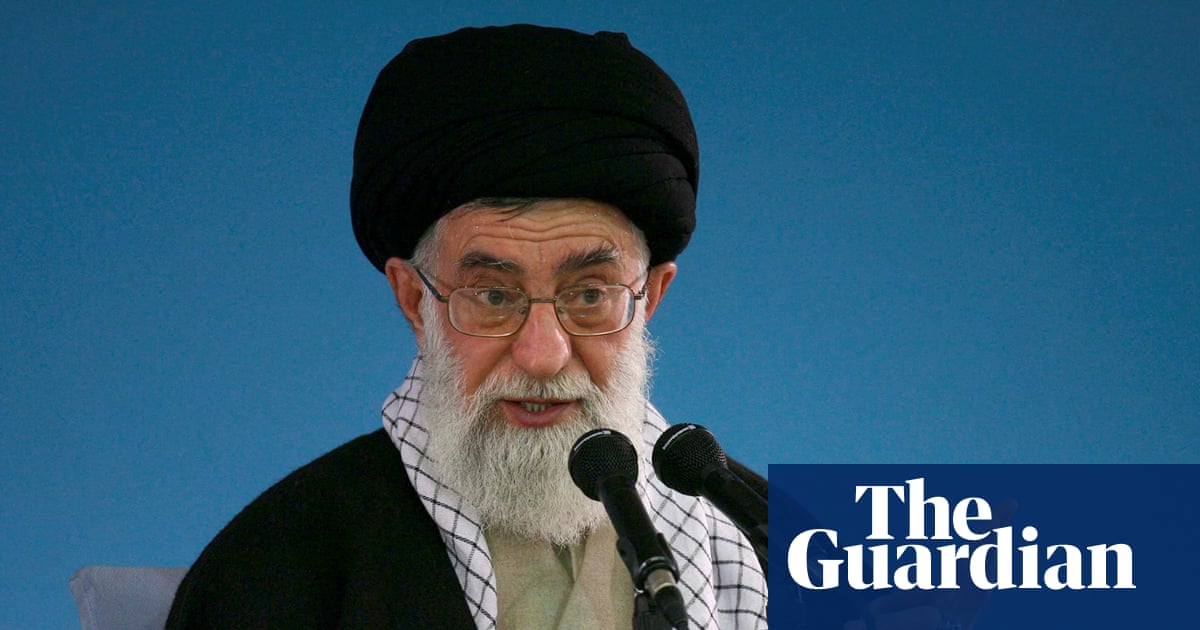
Ayatollah Ali Khamenei, the supreme leader of Iran, has died aged 86 in a large-scale air attack on the country by the US and Israel. He presided over a complex theocratic system that was enforced brutally at home, and sought to influence the exercise of power in other Middle Eastern countries.
Though the US and Israel attempted to destroy Iran’s nuclear enrichment programme with a bombing campaign in June 2025, it was not fully successful. The economy continued to deteriorate, and the following January the country’s people took to the streets against the Islamic Republic. An estimated 30,000 or more protesters were killed – the largest death toll in modern Iranian history.
US President Donald Trump considered discussions with Khameini’s diplomats about the nuclear issue and missile production to be too slow. In announcing the new attack, he called on Iranians to do what they could to take over the government once it was over.
Khamenei had come to ultimate power in 1989, by which point he was already the country’s president. Iran’s 88-strong assembly of experts – senior Shia clerics – chose him to succeed Ayatollah Ruhollah Khomeini, overthrower of the Shah in 1979 and founder of the Islamic Republic, as supreme leader of Iran.