In this article
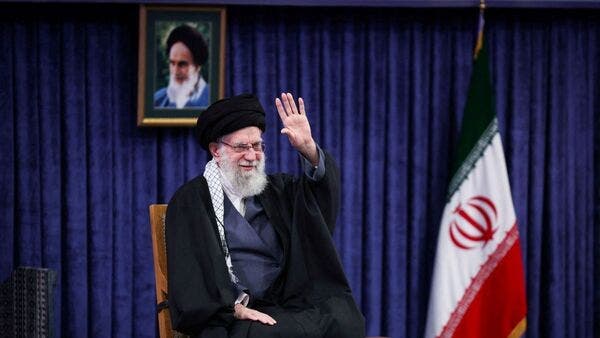
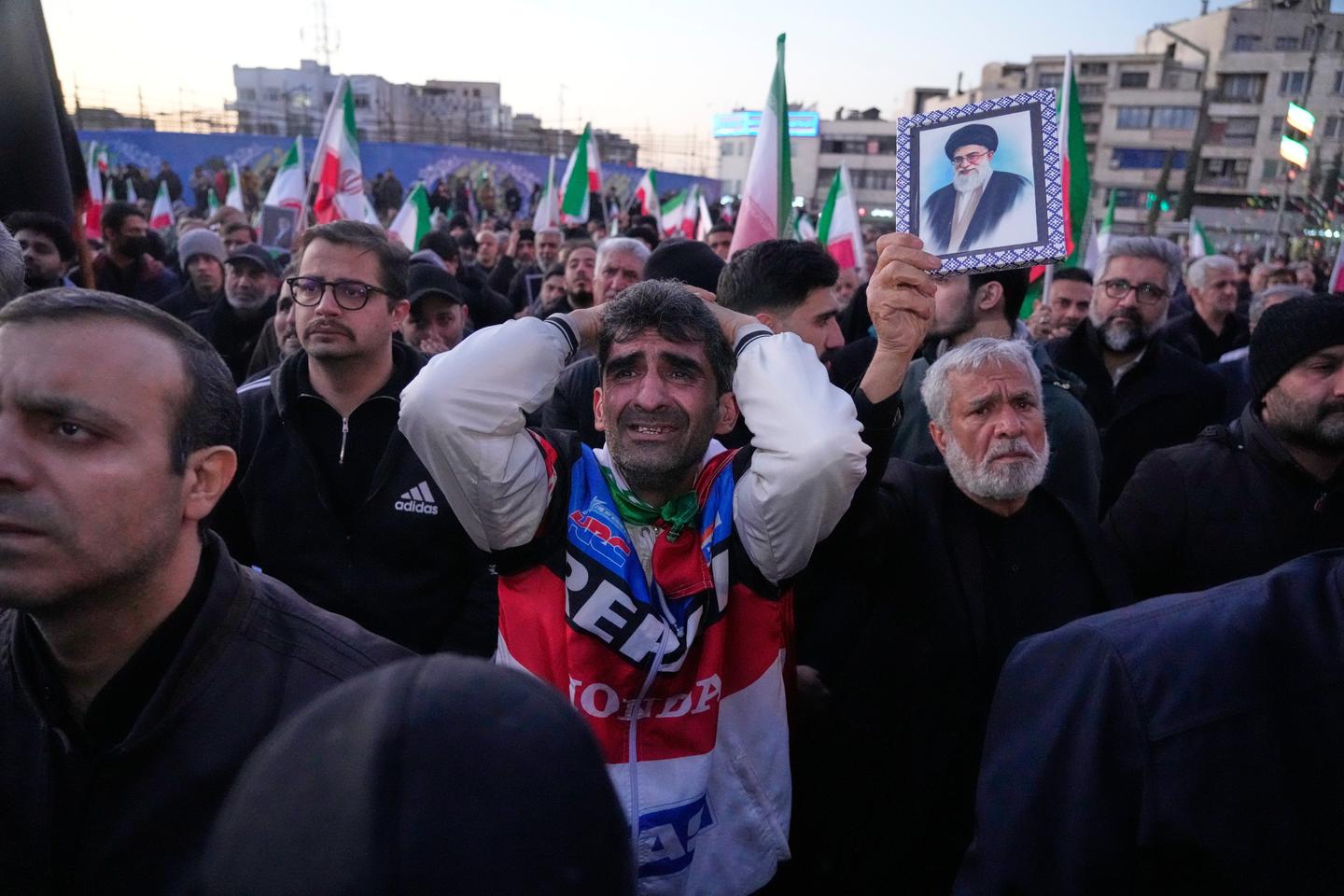
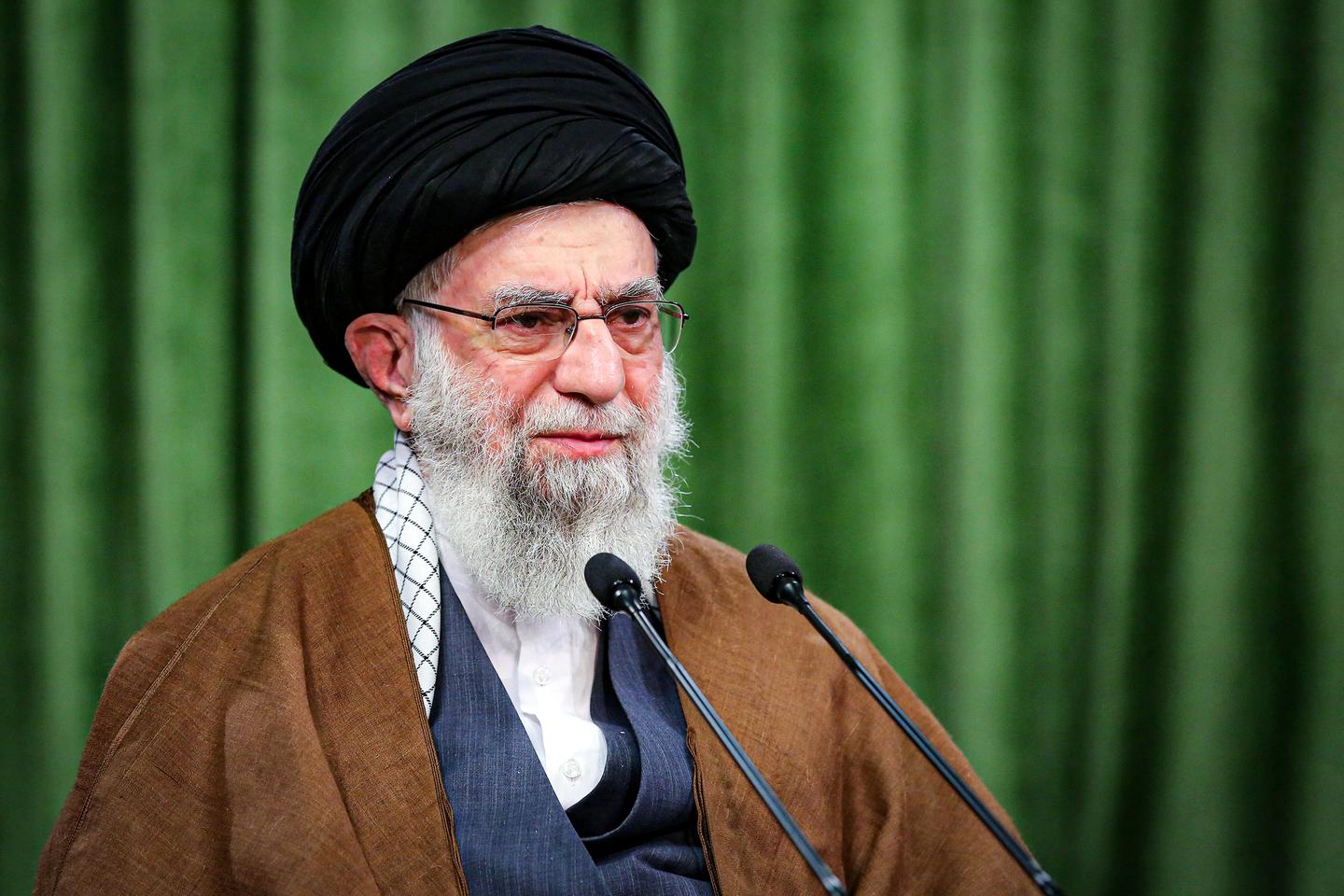
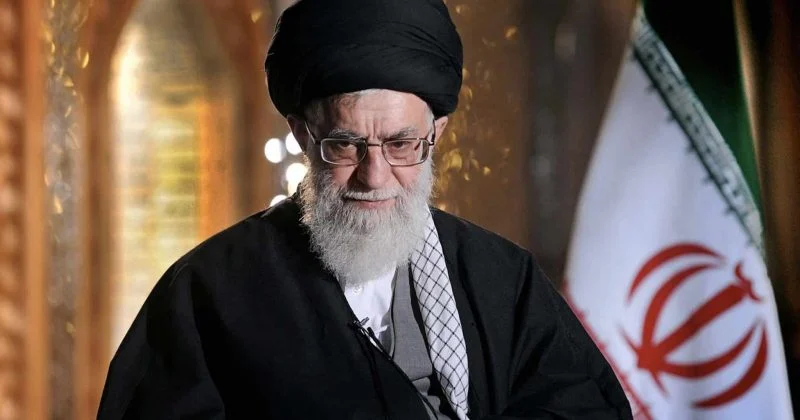
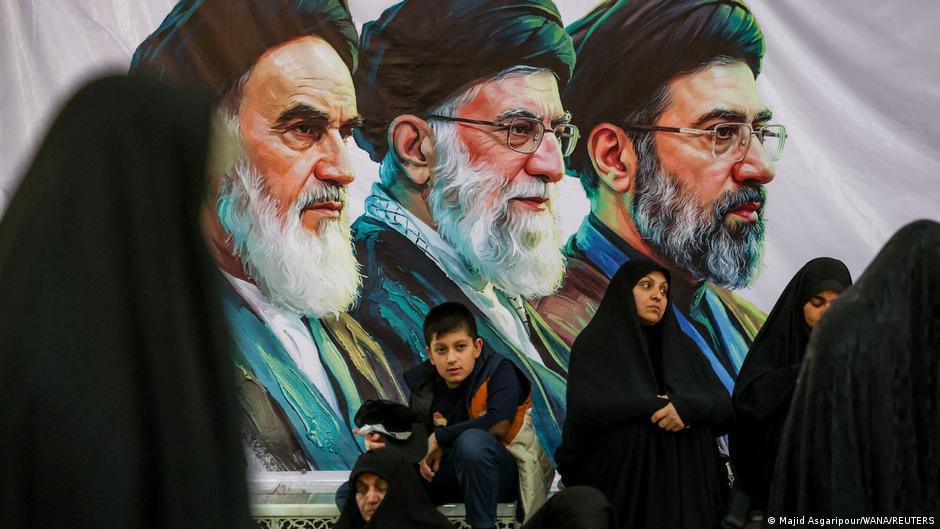
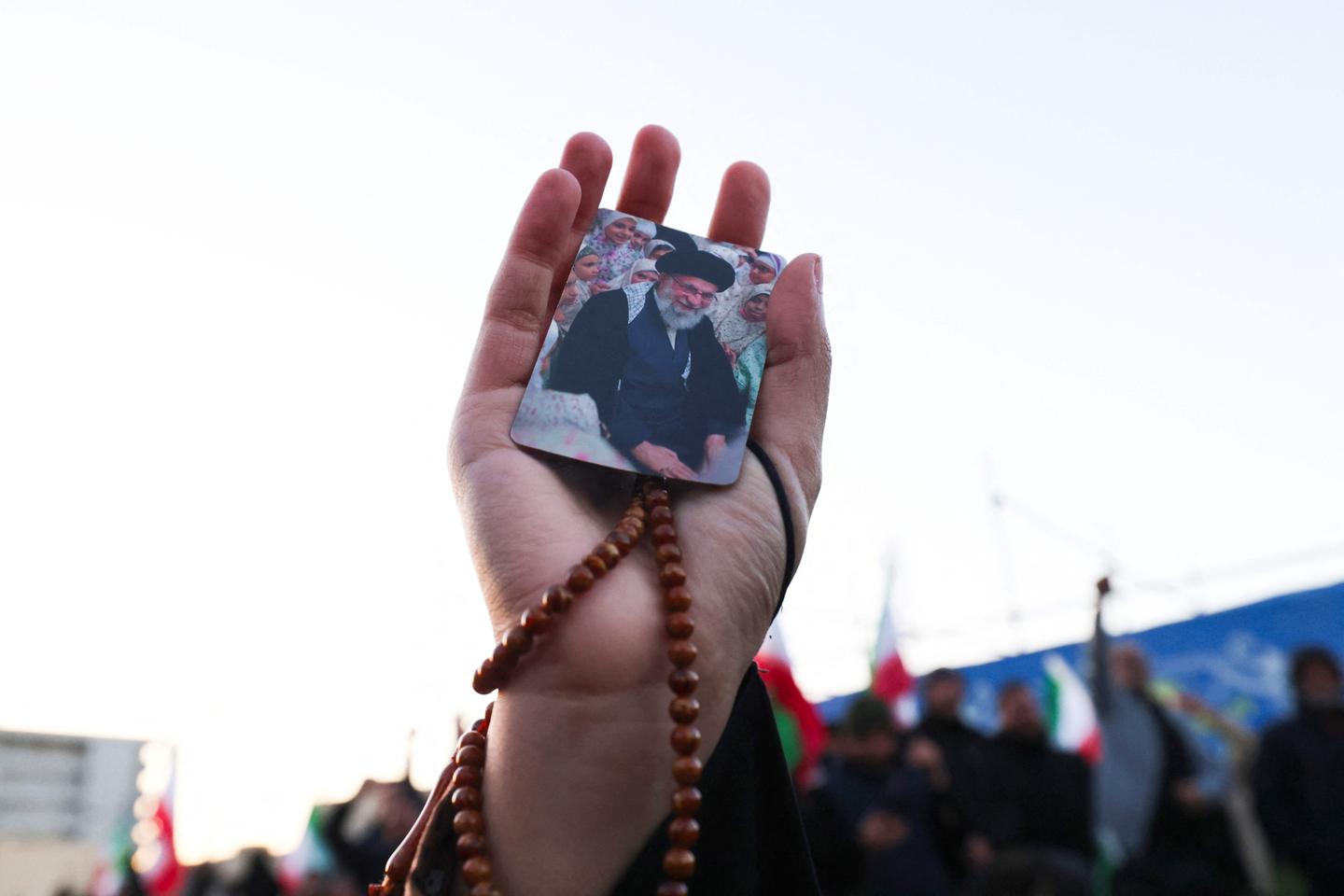
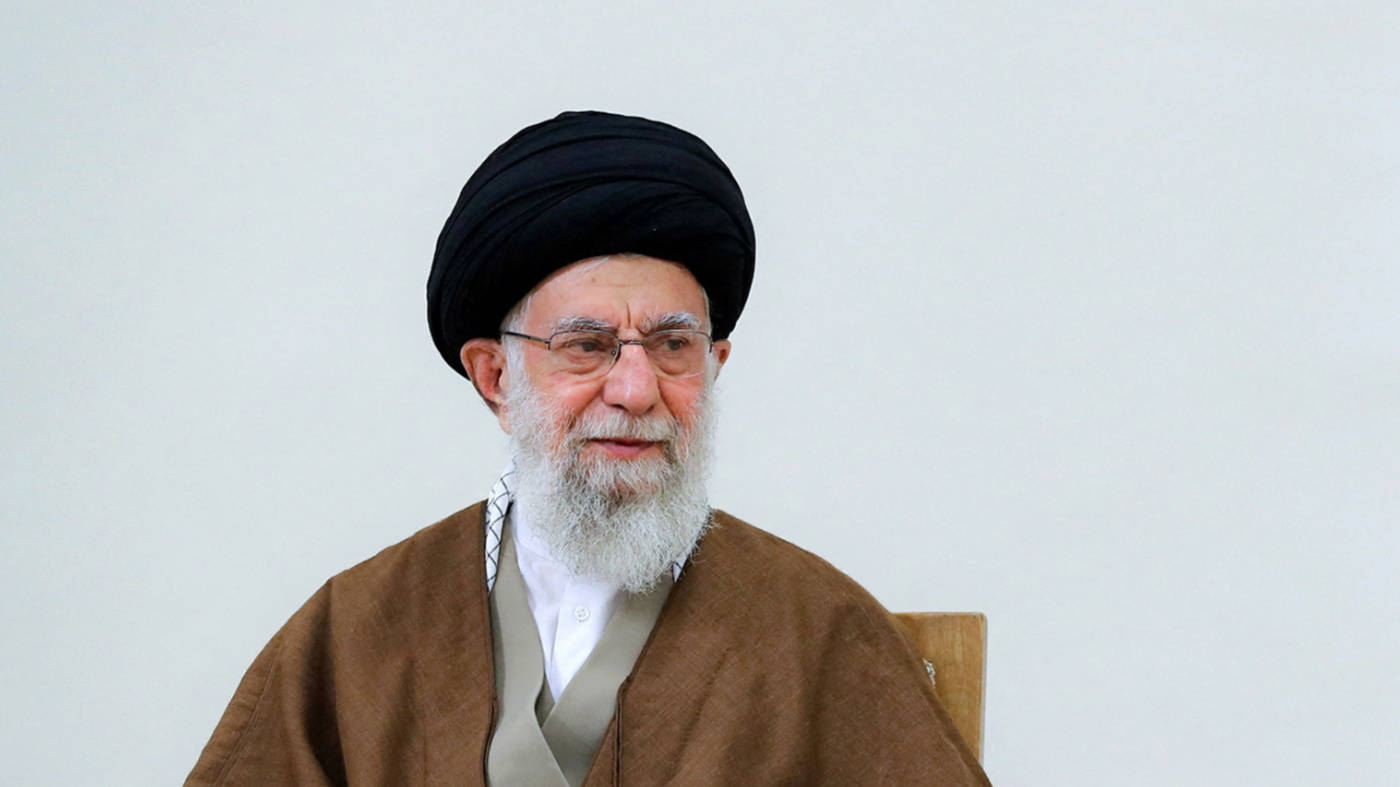
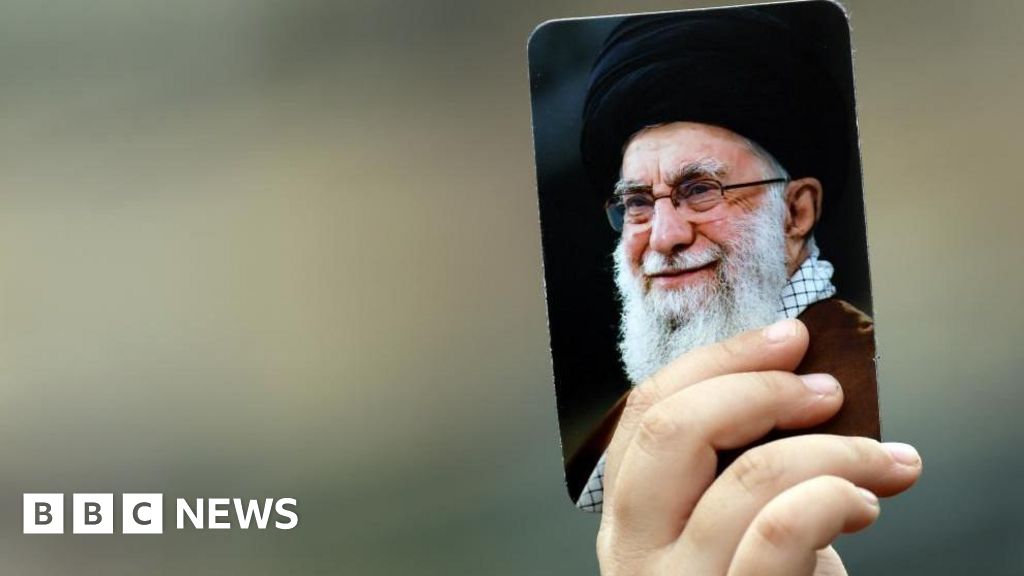
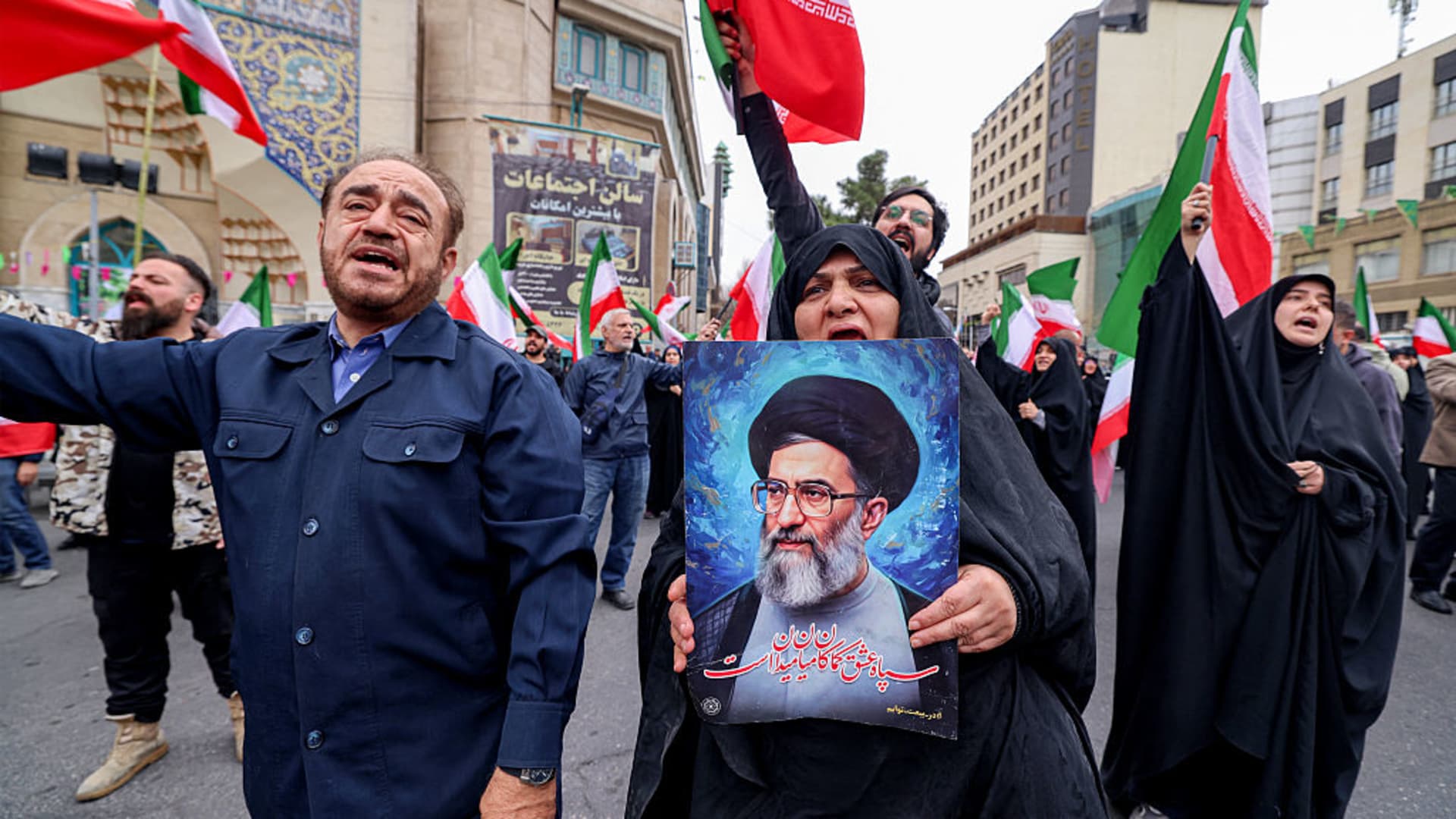
The death of Iran’s Supreme Leader Ayatollah Ali Khamenei sets in motion a formal succession process that could have significant implications for the country’s political stability, sanctions outlook and already strained economy.
Khamenei was killed in a joint military strike by Israel and the United States, Iranian state media confirmed. At the time of his death, Khamenei, 86, was at his office within his residence, Iran’s Fars News Agency said on Telegram.
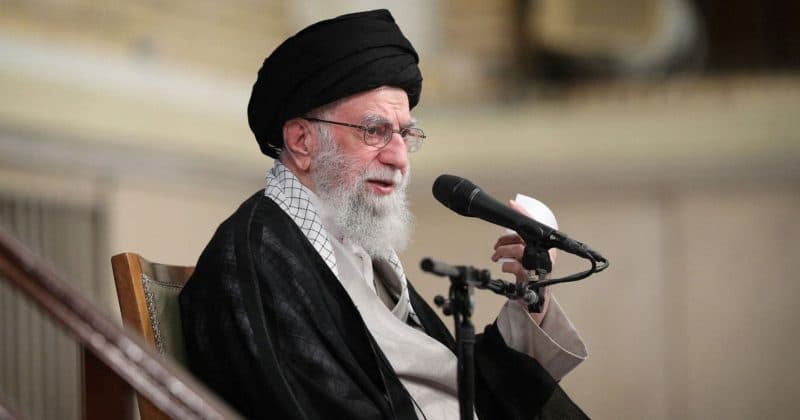
Khamenei assumed power following the death of Ayatollah Ruhollah Khomeini in 1989, inheriting a revolutionary state still consolidating itself after the Iran-Iraq war.
Khamenei was not seen as the obvious successor. He lacked the religious credentials required by the constitution at the time, Karim Sadjadpour, a policy analyst at the Carnegie Endowment for International Peace, noted in his study on Khamenei.