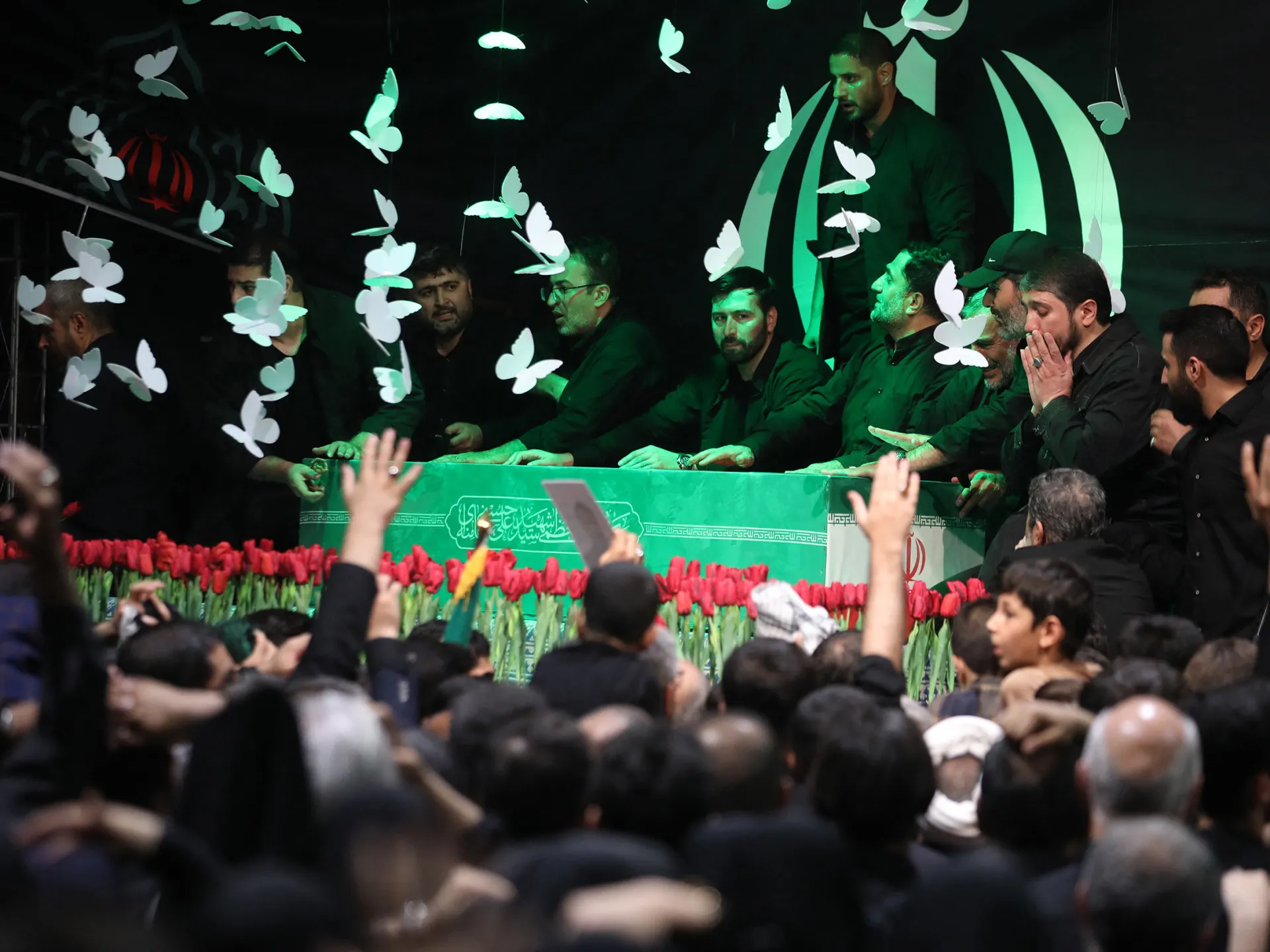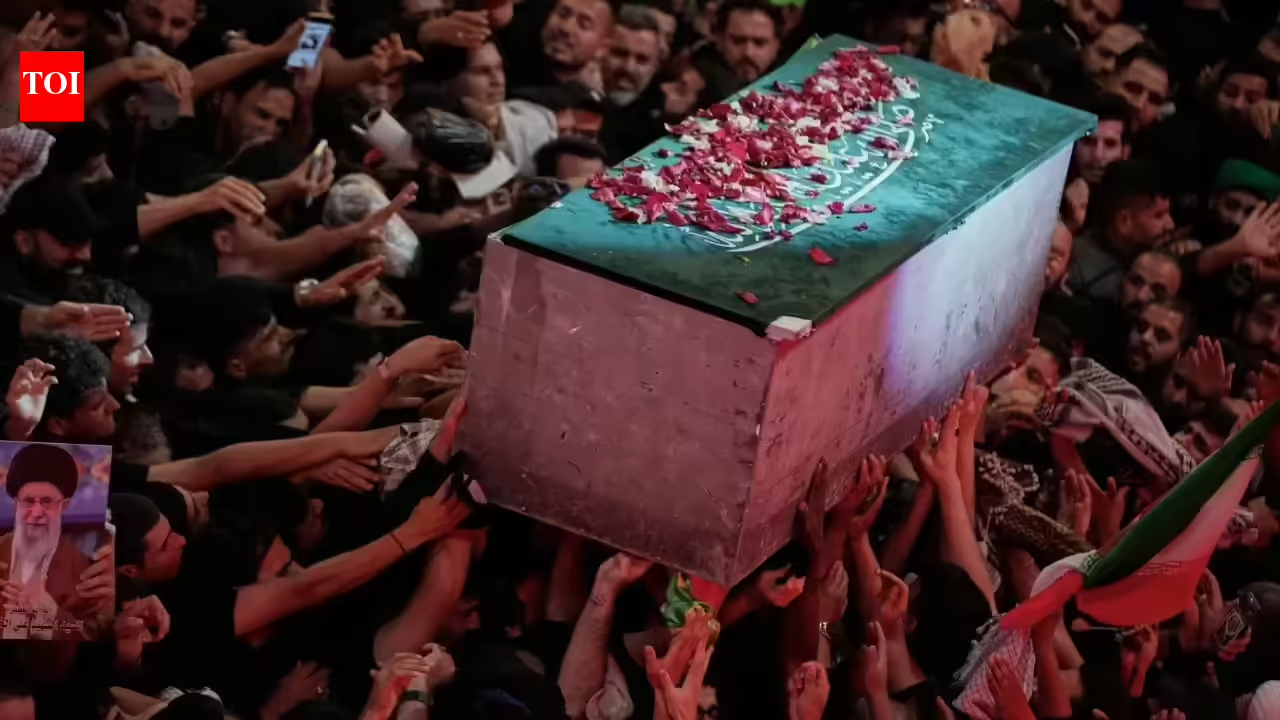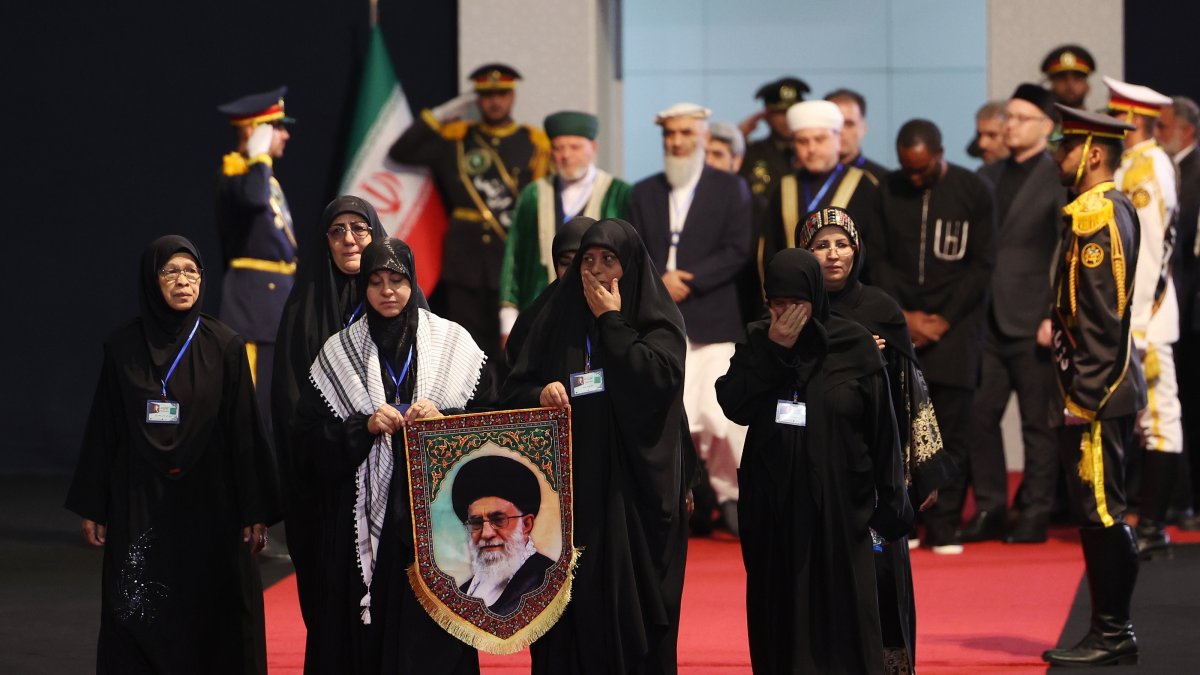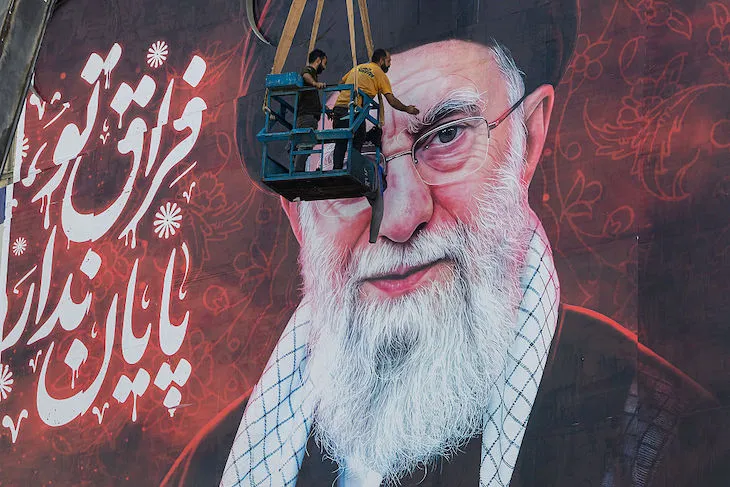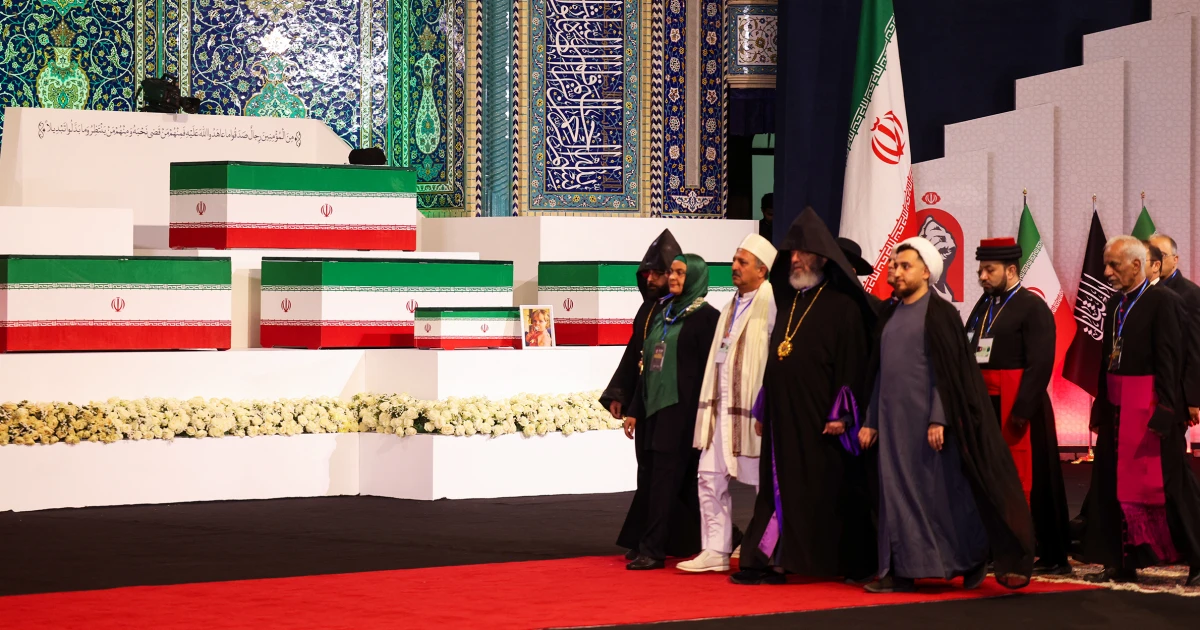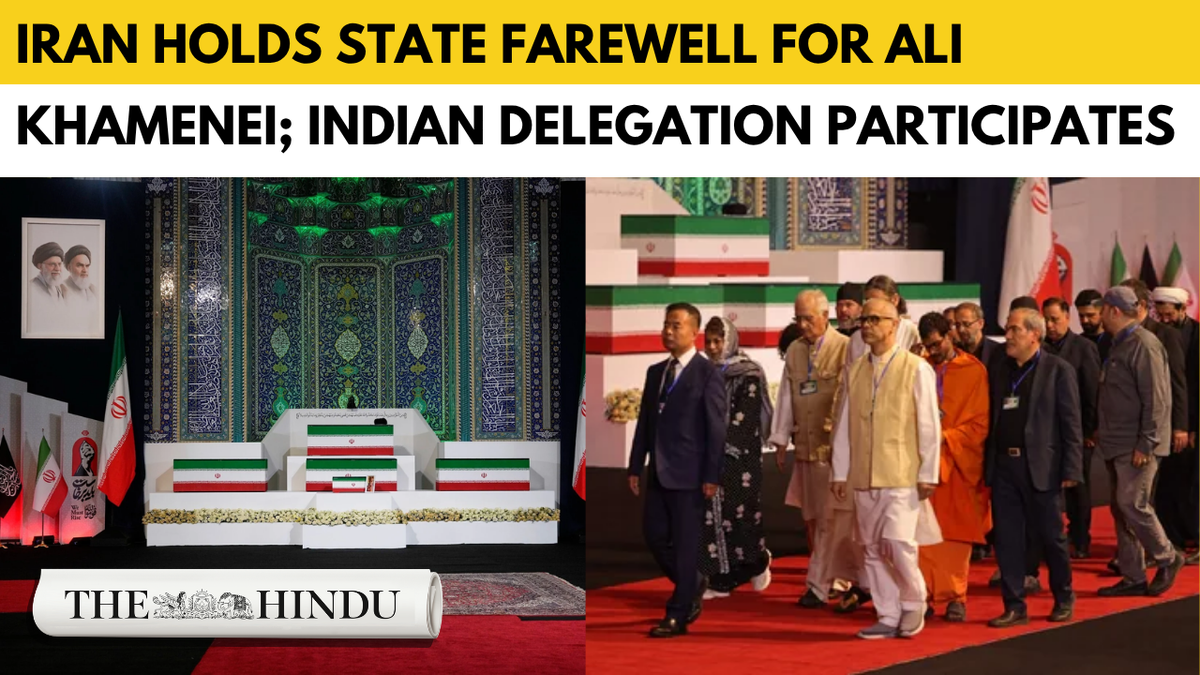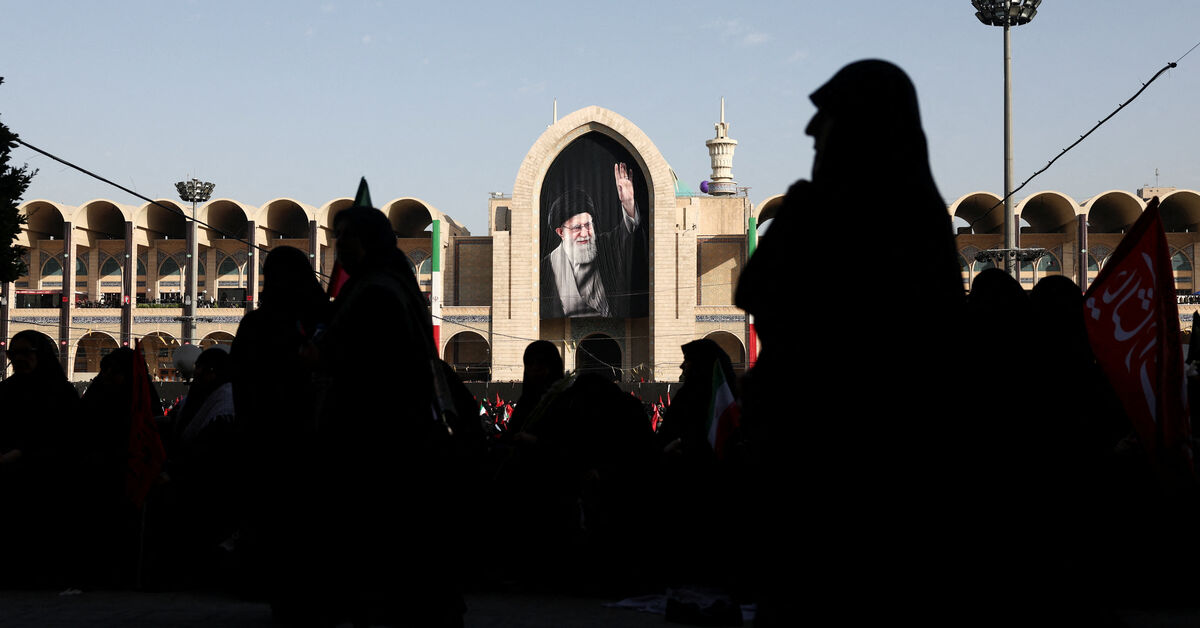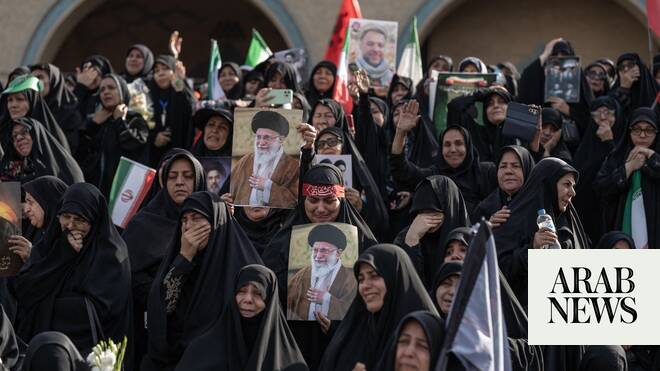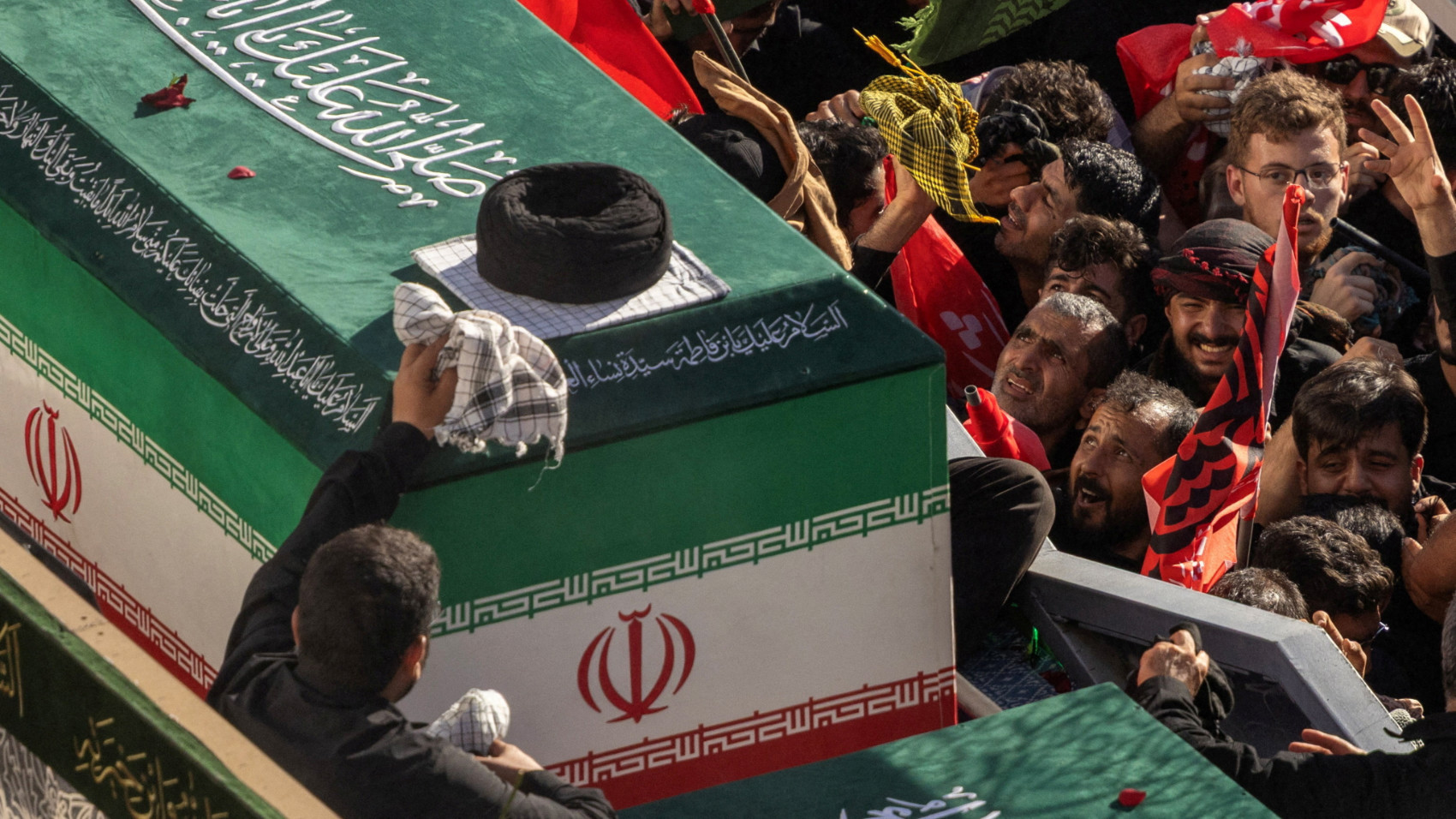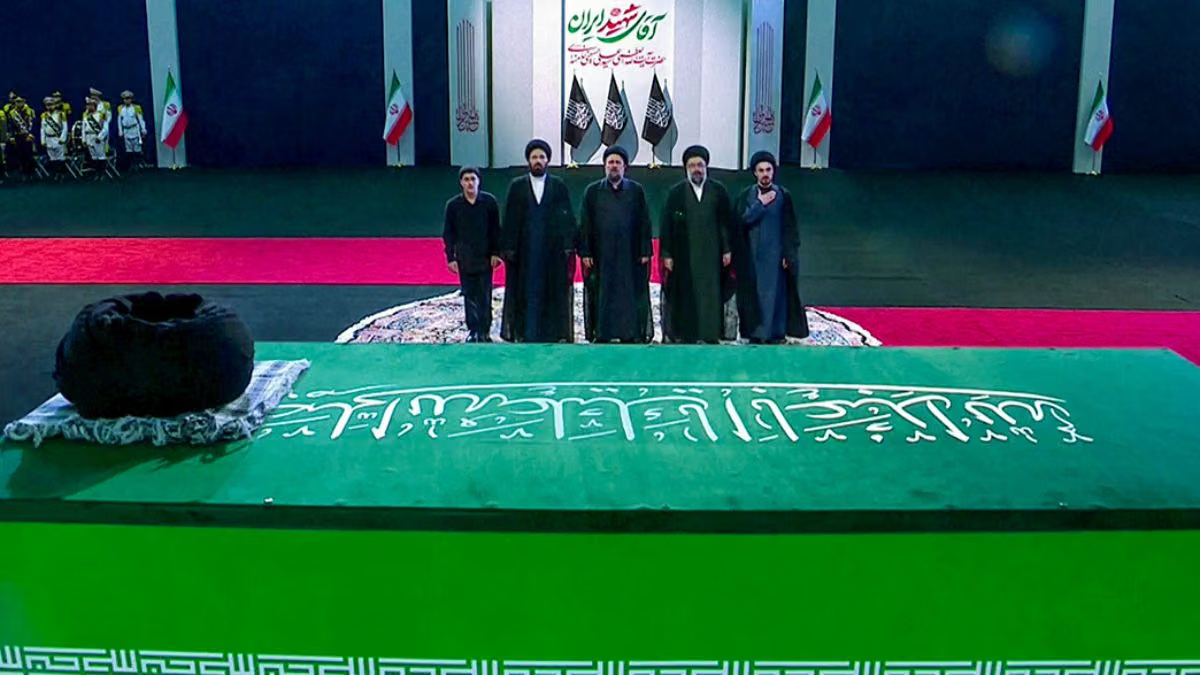
On 3 July, Iran began public commemorations in Tehran at the Imam Khomeini Mosalla Grand Mosque for its assassinated Supreme Leader Ayatollah Ali Khamenei. The 86-year-old was targeted in the first airstrike of the US-Israeli war against the Islamic Republic. The commemoration began with a powerful message of continuity for the Islamic Republic and Ummah, religious solidarity.
Official state delegations and representatives from around the world attended the funeral ceremony. It was the beginning of a six-day journey through Qom, Najaf, and Karbala ahead of his burial at the Imam Reza shrine in Mashhad on 9 July. But was it just a burial or something more?Saudi Arabia stood out
Saudi Arabia’s Deputy Foreign Minister Waleed Al-Khuraiji led a delegation to Tehran and attended the official memorial ceremony. The Saudi representation was cautious yet symbolically significant, marking a notable act of Saudi-Iranian diplomatic engagement amid continued regional tensions over authority and Western influence.
Iran and Saudi Arabia restored diplomatic relations in 2023, an agreement that affirmed sovereignty and non-interference. But more often than not, the two have been at odds.The presence of Saudi Arabia indicates that religious solidarity can still be a strong pull factor in regional unity.Saudi Arabia’s ‘unexpected’ presence at the funeral shows how the martyrdom of Ali Khamenei united the Ummah despite contemporary regional rivalries.It marked the de-escalation of the Iran-Saudi confrontation, along with public recognition of Iran’s political continuity, without endorsing Iran’s ideology.The presence of the Deputy Foreign Minister, rather than the Crown Prince, Mohammed bin Salman, was a balanced move to keep the diplomatic channel open, the Western alliance intact, and to maintain an autonomous regional authority capable of balancing among Iran, the Gulf, and the United States.At the funeral, Iran diplomatically shifted the attention of the Muslim community from being defensive to stability and expansion through the context of the Battle of Badr.The Quranic recitation of Surah Aal-e-Imran (3:13) during the tribute by the Saudi delegation, referring to the Battle of Badr, was interpreted as a reminder that military strength, strategic alliances, and numbers do not determine victory, but rather fighting in the cause of God.The choice of verse reads both as a definitive diplomatic message for fellow Muslims to distinguish themselves from external powers, particularly the US and Israel, and a reconciliatory assertion that security rests in faith and divine power.Symbolically, the recitation underlines Iran’s survival through faith, resistance, and divine support, and signals Islamic responsibility beyond sectarian rivalry and toward preserving diplomatic channels.