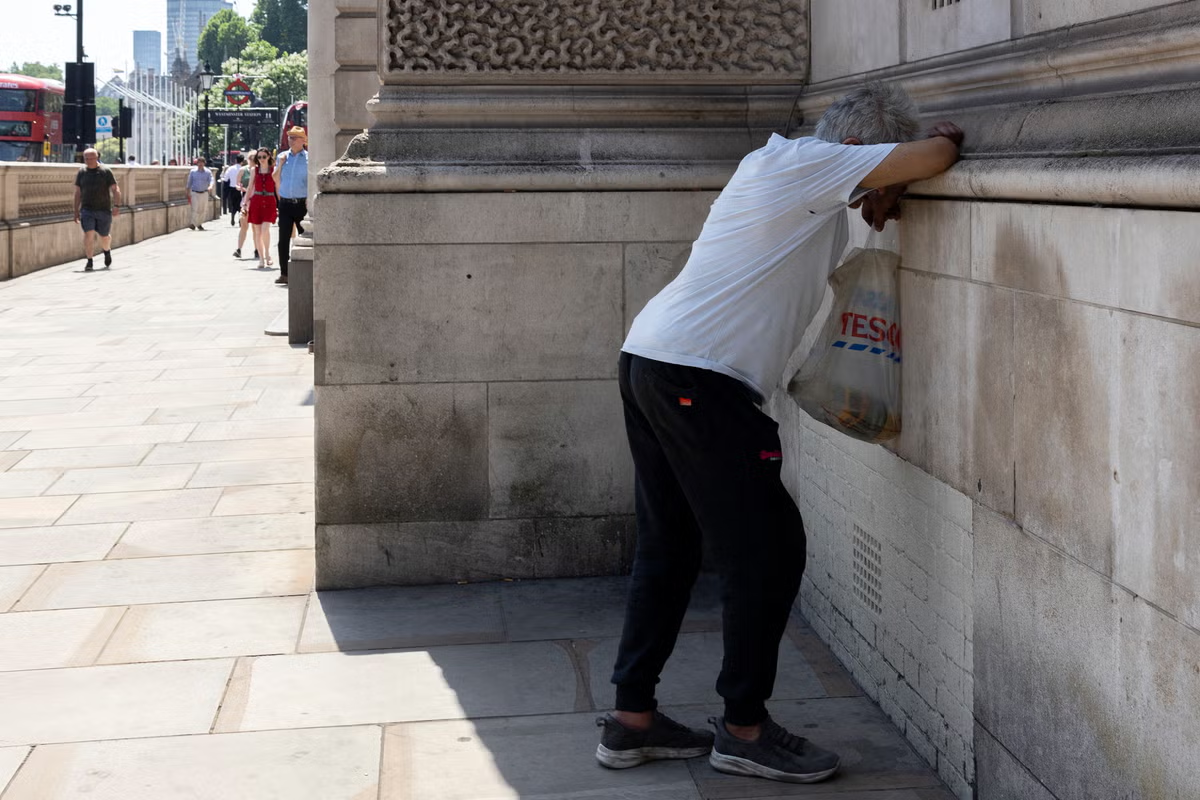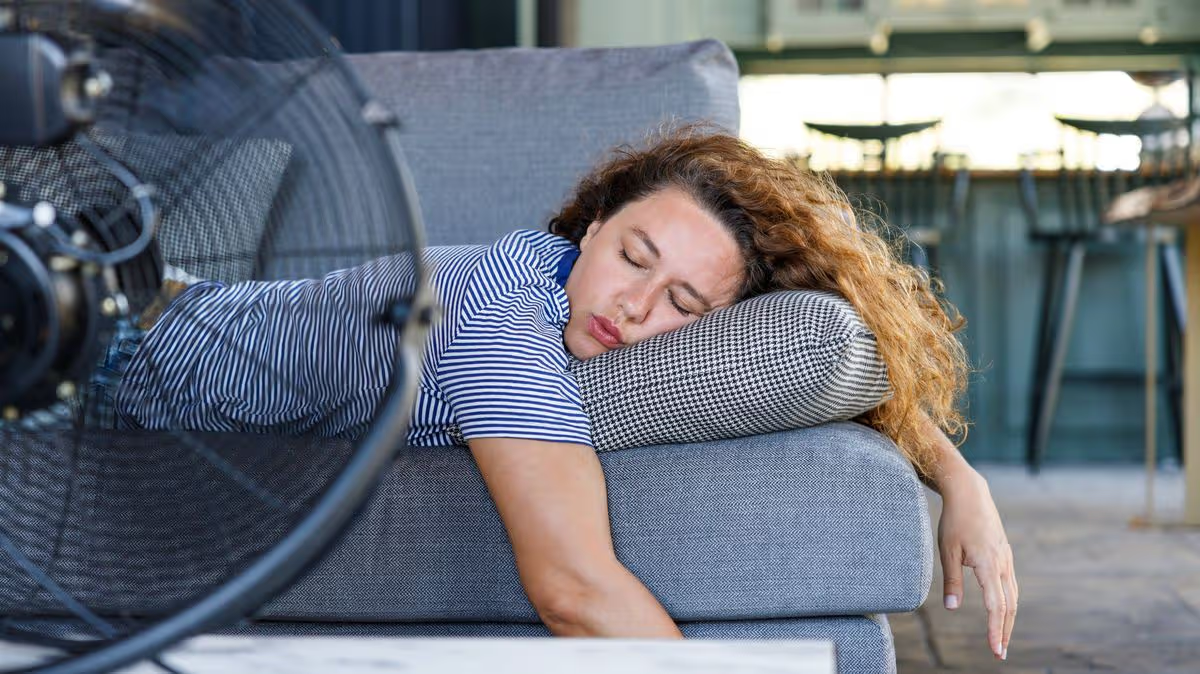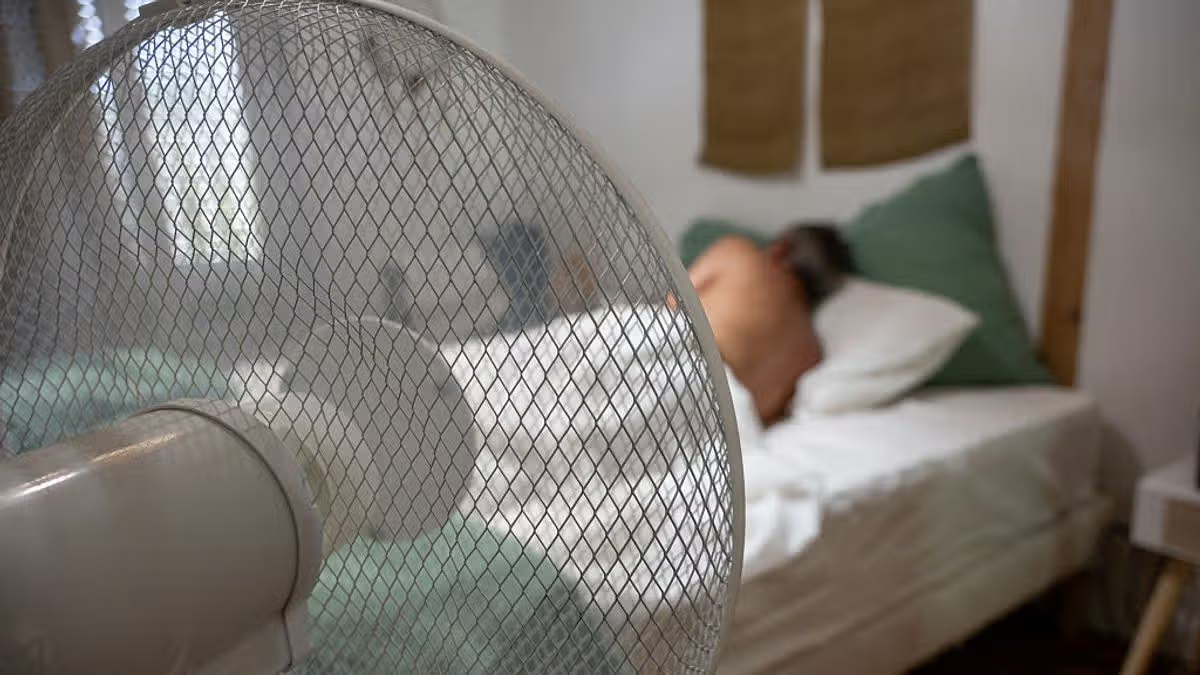
A doctor has shared simple ways to keep cool and sleep better as the UK braces for one of the longest-lasting heatwaves since 197607:11, 09 Jul 2026A GP has outlined some straightforward methods to stay cool as another scorching heatwave hits the UK - and highlighted how errors can actually worsen matters. Amber and yellow heat health alerts are active across England as Britain prepares for one of the most prolonged heatwaves since 1976.Temperatures could climb as high as 36C (97F) for parts of southern England this week. However, readings will vary considerably across the nation, from the mid-20s Celsius in the north to those mid-30s further south.The Midlands, eastern and southern England are under amber heat-health alerts by the UK Health Security Agency until 9pm on 12 July.As high pressure moves towards the end of the week, an easterly wind will strengthen. Consequently the centre of 30C will shift and temperatures will drop slightly in eastern parts of the UK, but many areas will continue experiencing heatwave conditions.The centre of the heat will then be further west, across central southern England particularly. South Wales could also experience highs of 33C on Friday.Many people will be questioning how to stay cool if they haven't got air conditioning in their homes - which most people in the UK don't have. Offering guidance, Dr Clare Rooms, GP and Insomnia Lead at Boots Online Doctor said many people would be considering how to get off.She explained: "Hot weather can make sleep more difficult, but there are simple ways to improve your chances of getting a good night's rest,. Our bodies naturally need to cool down by a couple of degrees to initiate and maintain sleep. When the surrounding temperature is too high, this process can be disrupted, making it harder to fall asleep and stay asleep."Many people opt for a cold shower - but Dr Rooms warned they could be making a significant error. She said: "Our bodies naturally need to cool down to fall asleep, so helping that process along can make a real difference during warmer weather. A cool - rather than ice-cold - shower before bed, a chilled pillowcase, or a cool damp cloth on pulse points such as the neck, wrists or forehead may help you feel more comfortable as you drift off."When the water is excessively cold, skin blood vessels constrict, preventing heat from escaping through the skin and slowing down the cooling process, medical professionals have warned.While numerous people attempt to block out the sun - she stressed the importance of making an adjustment later: "Try to stop heat building up in your bedroom during the day by keeping blinds or curtains closed, particularly in rooms that get direct sunlight. Then, once temperatures begin to cool in the evening, open windows to improve airflow before bed. Preparing the room in advance can make a noticeable difference to comfort overnight."Prevent heat retention during the night - Dr Rooms advised: "If you're struggling to sleep during warmer nights, try sleeping in a position that allows more airflow around the body rather than curling up tightly. Lightweight, breathable bedding, using a fan to encourage air circulation, and keeping your feet uncovered may also help release excess body heat and improve comfort overnight."Maintain hydration and watch your diet and alcohol intake: "Aim for six to eight glasses of water throughout the day to stay hydrated. Avoid heavy or spicy meals close to bedtime, as digestion can generate heat in the body. It's also worth limiting alcohol in the evening - while it may initially make you feel sleepy, it can disrupt sleep quality and contribute to dehydration, which may feel worse during hot weather.Article continues below"Most people will experience the occasional disrupted night's sleep during warmer weather, and a few poor nights caused by heat alone wouldn't usually be considered insomnia."Often, sleep improves once temperatures cool or routines return to normal. The key difference comes down to how long sleep problems last and the impact they have on daily life. Insomnia is a recognised sleep disorder involving difficulty falling asleep, staying asleep, or waking too early on a regular basis - typically at least three nights a week for three months or more - alongside daytime symptoms such as fatigue, poor concentration or irritability."If sleep problems continue beyond a temporary trigger, such as hot weather, or don't improve despite good sleep habits, it's important not to ignore them and to see your GP for advice."
GP warns heatwave cooling method 'makes blood vessels constrict'
A doctor has shared simple ways to keep cool and sleep better as the UK braces for one of the longest-lasting heatwaves since 1976
744 words~3 min read