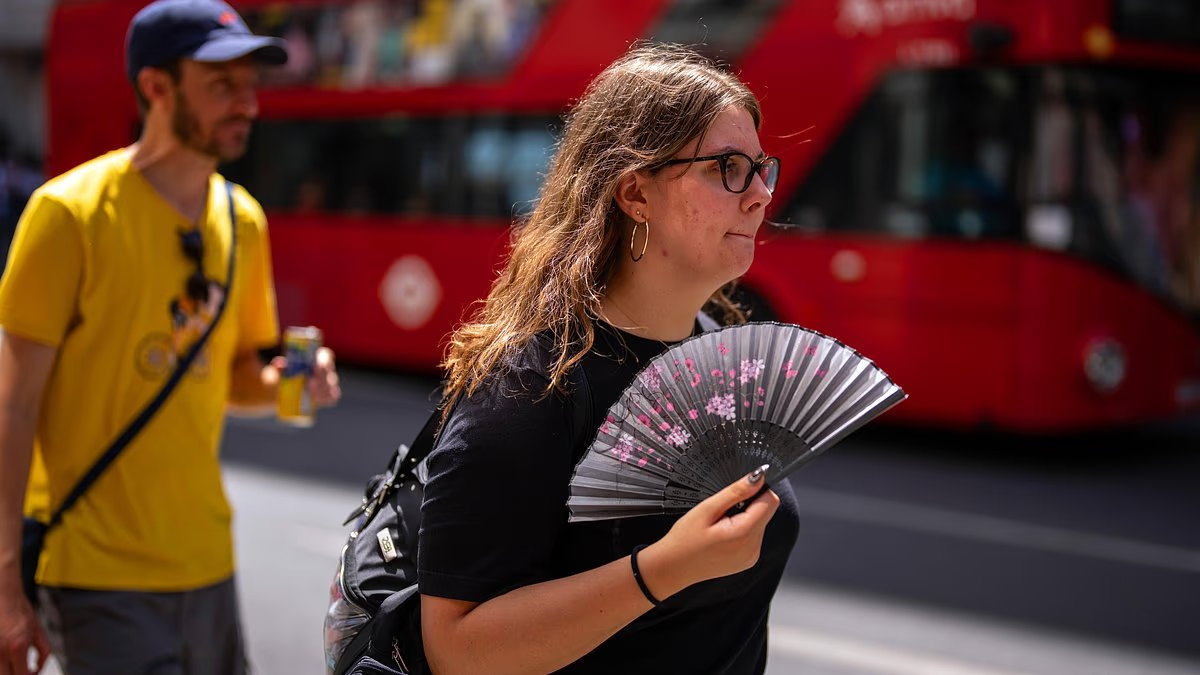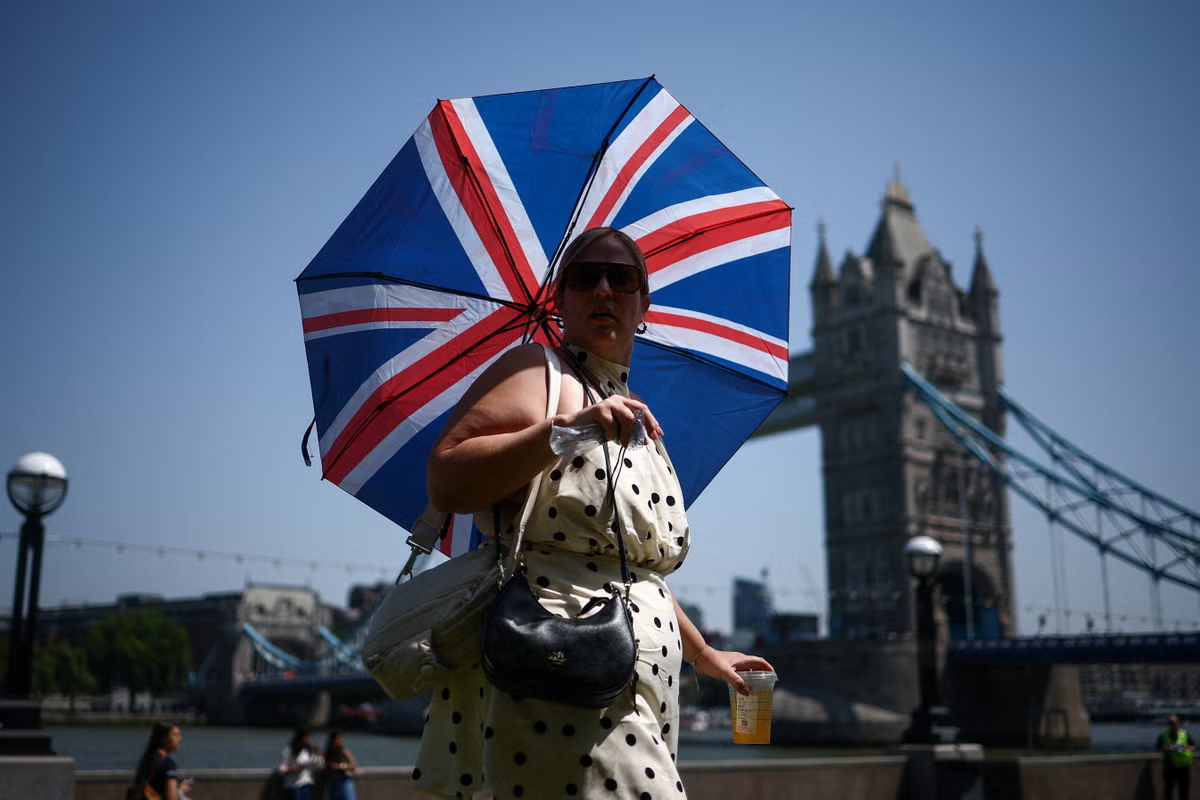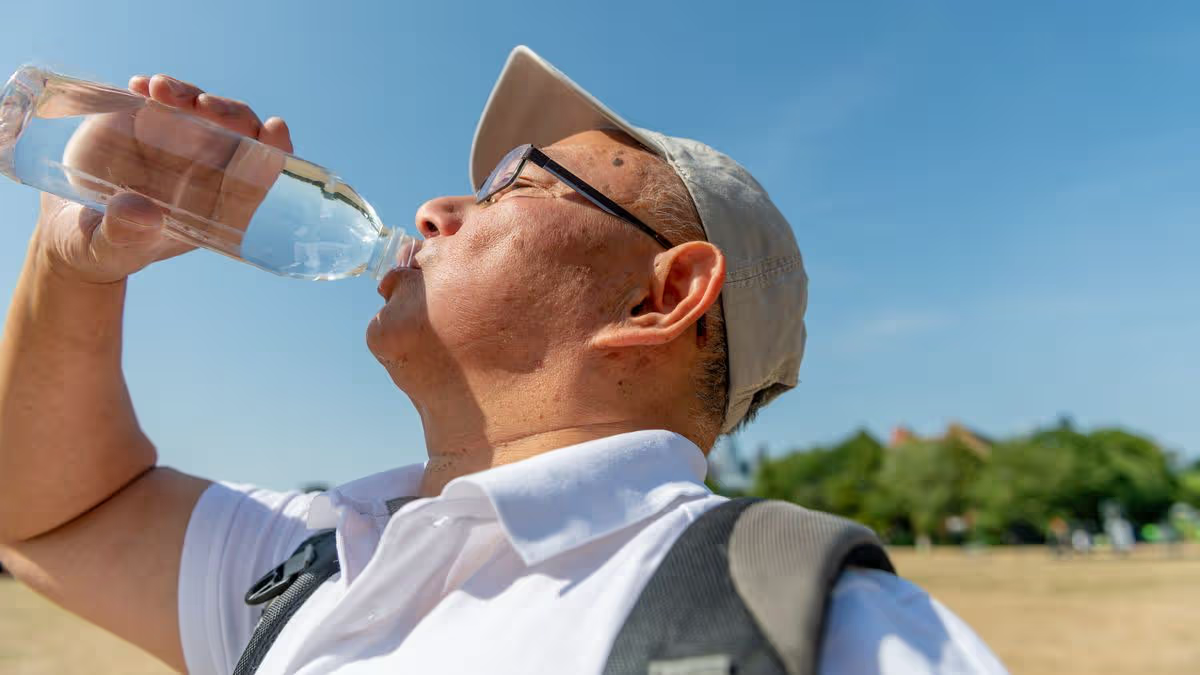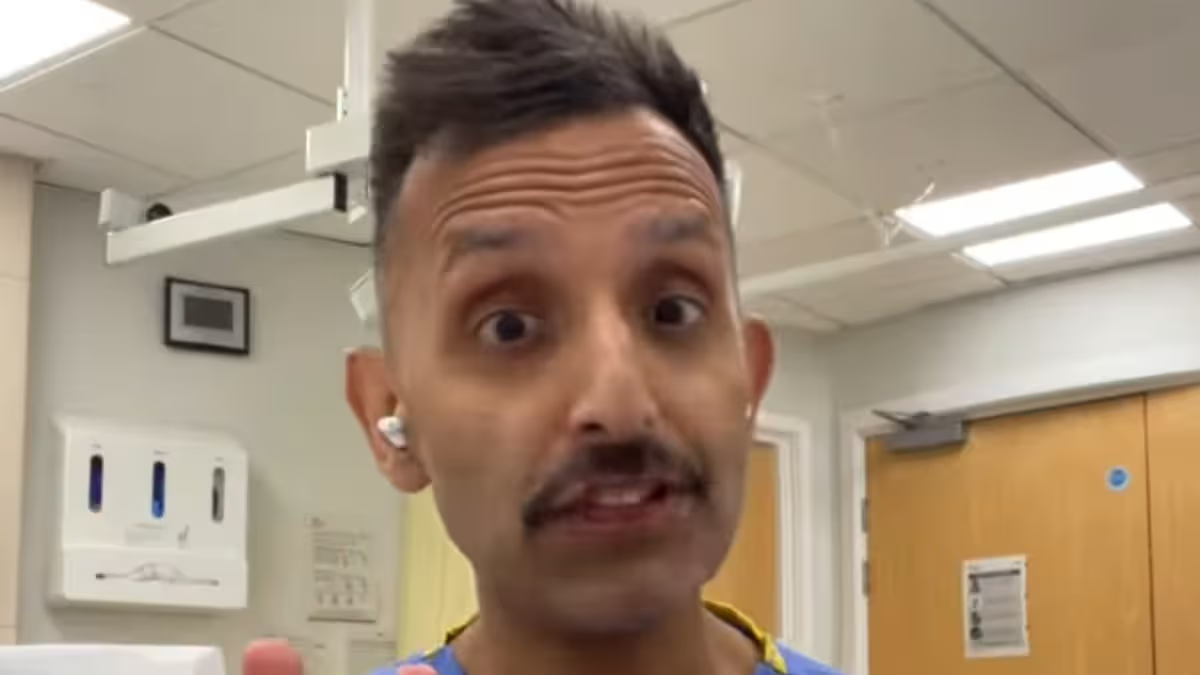
With the weather due to cool down, the danger might still be present07:58, 27 Jun 2026The extreme heat that has blasted most of the UK for the last few days is sooner or later due to start winding down. Yet people could still face a risk to their health if they don’t take action in the days following a heatwave, according to one GP.Dr Asiya Maula, private GP at The Health Suite, warned that in cooler weather, people might not realise that dehydration can still be a risk long after the heatwave has ended. She explained how the effects of prolonged hot weather can linger, often unbeknownst to patients, and cause further health issues, such as kidney stones.She said: “Heatwaves don’t always end when the temperature drops. Looking after your hydration in the days afterwards is just as important as staying cool during the hottest weather itself.“People often associate dehydration with collapsing in extreme heat, but what we frequently see is the aftermath. Patients can develop symptoms several days later because they haven’t fully replaced the fluids they lost during a heatwave.“The body doesn’t always bounce back immediately, particularly if someone has been busy outdoors, exercising, drinking alcohol or simply forgetting to stay hydrated over several hot days.”Common symptoms patients develop after heatwaves include:Persistent headachesFatigueDizzinessConstipationUrinary symptomsDr Maula continued: “Even mild dehydration can affect how you feel for several days. People often describe ongoing tiredness, poor concentration, headaches or feeling generally ‘run down’ without realising dehydration may still be contributing.“Not drinking enough can also make constipation worse and increase the risk of urinary tract infections or, in some people, kidney stones, particularly if fluid losses haven’t been adequately replaced.” Older adults, young children, pregnant women and people with long-term health conditions can be especially vulnerable to these issues.But it can affect everyone, as even healthy adults can feel the impact. However, it’s not quite as simple as drinking a lot of water as soon as the temperatures drop.Dr Maula explained that to properly recover, people need to be drinking fluids regularly in the days following a heatwave. She recommended water as the best choice but noted that milk, soups and water-filled foods like watermelon can be an easy way to up your intake while also adding some variety.She added: “If you’re still experiencing persistent dizziness, severe headaches, confusion, reduced urine output, ongoing vomiting or symptoms that aren’t improving after rehydrating, it’s important to seek medical advice.”Common symptoms of dehydration, according to the NHS:Article continues belowfeeling thirstyheadache and feeling light-headeddark yellow, strong-smelling peepeeing less often than usualfeeling dizzy or lightheadedfeeling tireda dry mouth, lips and tonguesunken eyes
GP warning as heatwave ‘danger’ can continue after temps drop
With the weather due to cool down, the danger might still be present
435 words~2 min read