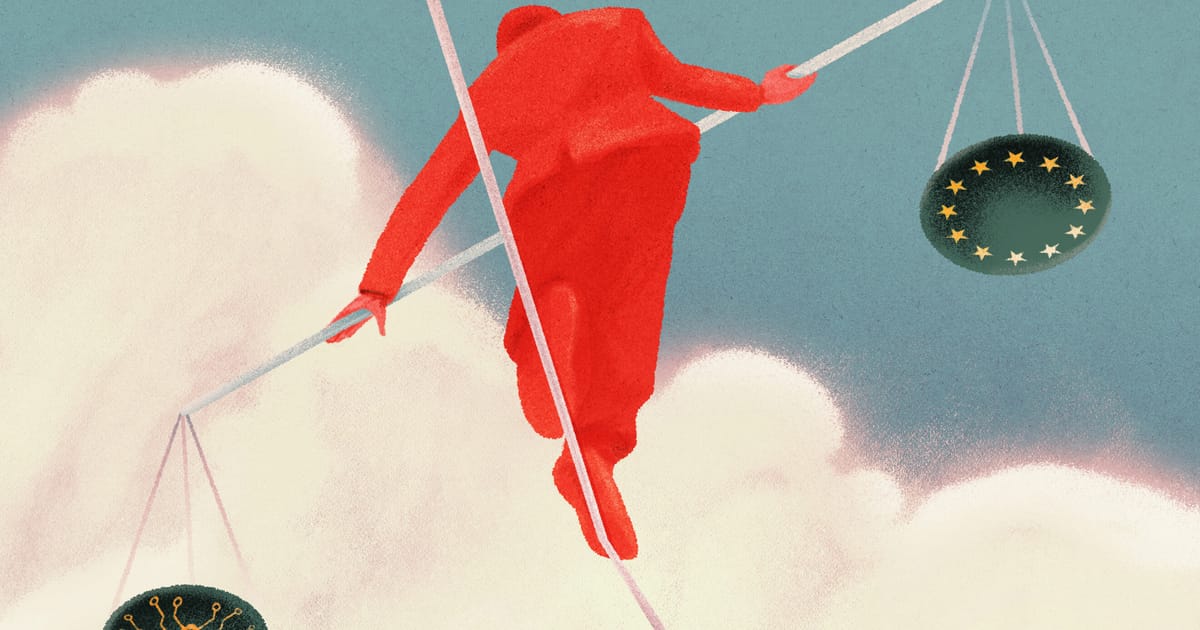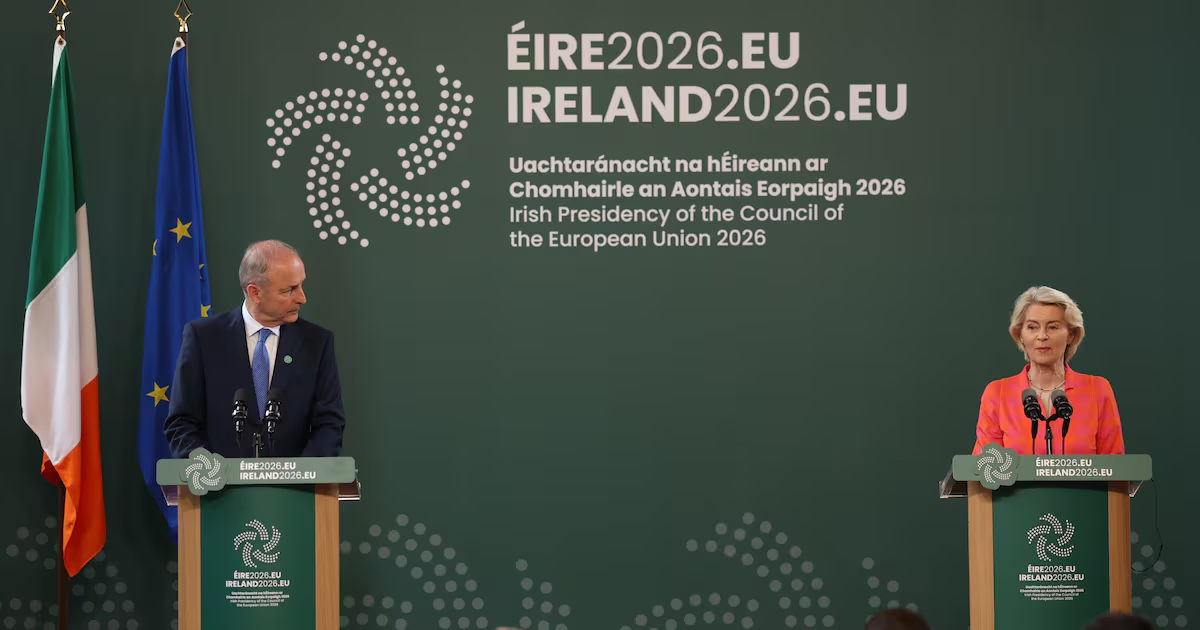
The Government should recuse itself from negotiating legislation that touches on digital policy and corporate tax in Brussels during its Council of the EU presidency, given its “questionable track record” and cosy relationship with tech multinationals, a group of 50 academics has said. In an open letter they have questioned the Government’s ability to act as an honest broker when chairing EU debates about tech or fiscal policy, in the six-month role brokering compromises between the 27 member states. The academics criticised a failure by Irish authorities to effectively enforce the EU’s data protection rules and a “troubling” history of helping multinational companies shift their tax profits. The letter, published on Thursday, was signed by both Irish and international academics, including professors in Oxford, Harvard Sciences Po, London School of Economics, University College Dublin and Trinity College Dublin. The Government holds the rotating presidency of the Council of the European Union until the end of the year, which means Irish Ministers and diplomats will chair policy discussions involving their 26 counterparts in Brussels. The prominent academics called for the Government to “recuse itself from any role” overseeing negotiations about tech and fiscal policy for the duration of its EU presidency term.Among those who put their name to the letter were Alberto Alemanno, professor in European law in HEC Paris; Aidan Regan in University College Dublin; Barry O’Sullivan from University College Cork; and a leading artificial intelligence researcher in Trinity College Dublin, Abeba Birhane; as well as Johnny Ryan, a prominent digital privacy campaigner and adjunct full professor in UCD who also works for the Irish Council for Civil Liberties. Ireland’s time shepherding the Council of the EU agenda overlaps with work to simplify aspects of the bloc’s digital regulations.Other European governments have long been wary of Ireland’s relationship with tech multinationals, due to the large number of online giants with European headquarters in the State. Responding to questions earlier this week, Taoiseach Micheál Martin said Ireland would be an “honest broker” in all debates, including those featuring tech policy. The Data Protection Commission (DPC) had handed down “substantial fines” to tech companies in recent years for breaching the EU’s strict General Data Protection Regulation (GDPR) rules, Martin said. Fine Gael MEP Regina Doherty said the criticism made by the academics was an “outrageous” attempt to “cast doubt on Ireland’s integrity” and commitment to serve as a neutral dealmaker in the EU role. Complaints about the slow pace of fines issued to tech giants by the DPC was an “entirely different issue”, which she said was beyond the control or influence of the Government.There was “not an ounce of evidence” to suggest Ireland would be beholden to tech multinationals in any EU-level discussions, she said. The open letter signed by 50 academics pointed to the previous sweetheart tax deal iPhone-maker Apple enjoyed in the Republic. There was “good reason to believe that Ireland continues to facilitate tax arbitrage by multinational corporations,” the letter said. “Ireland’s reliance upon giant non-EU firms creates insurmountable conflicts of interest, as evidenced by the country’s track record in the area of data regulation and taxation,” the academics wrote. The group suggested Lithuania, who is due to take over the EU presidency after Ireland in January, step in early to chair talks concerning tech and fiscal policy in the meantime. The academics who signed the open letter included professors from Goethe University Frankfurt; Copenhagen Business School; Columbia University; King’s College London; University of Amsterdam; Imperial College London; and Georgetown Law among others.
Government should not chair EU debates on tech policy, academics say
Open letter criticises State’s ‘questionable track record’ on digital policy and corporate tax
585 words~3 min read