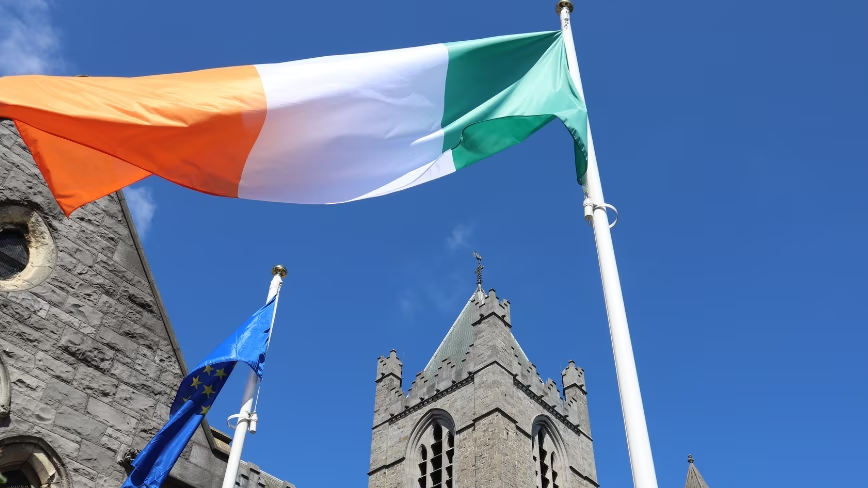
TL;DRIreland takes over the EU Council presidency on 1 July with a tech-heavy legislative agenda, but its economy depends on the very companies those rules target. Two firms, understood to be Apple and Microsoft, paid 40 per cent of all Irish corporate tax in 2024.
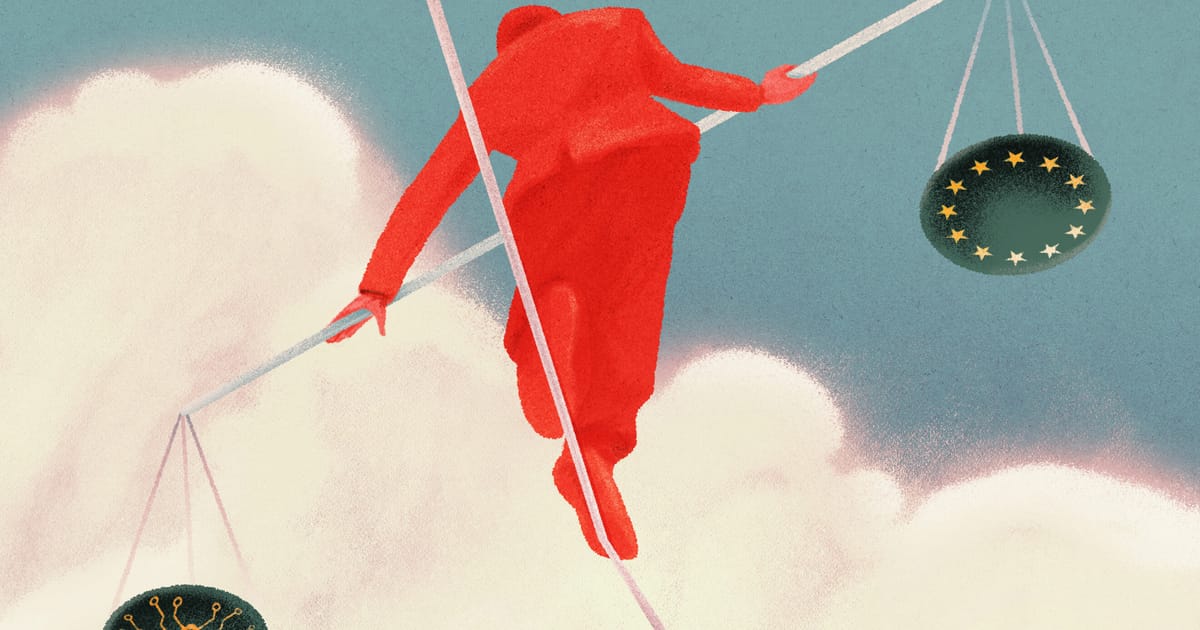
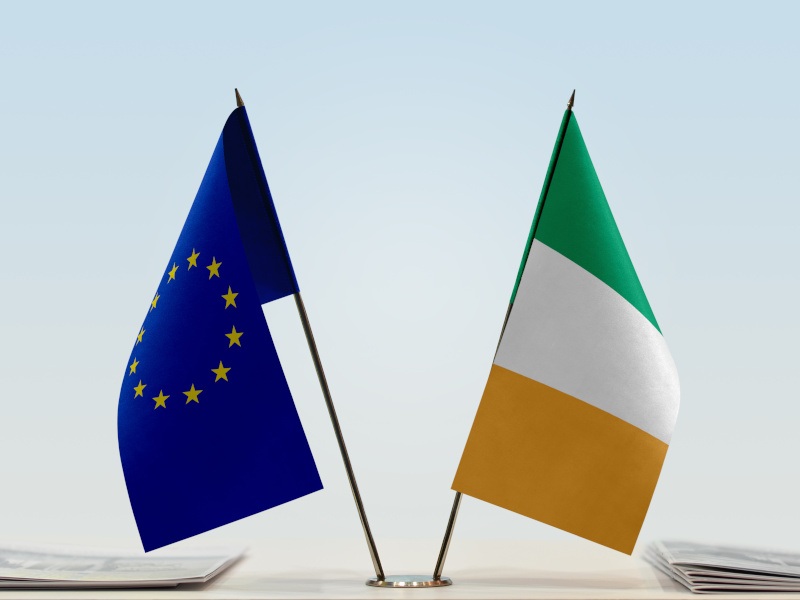
Ireland takes over the rotating presidency of the Council of the EU on 1 July, inheriting a legislative agenda that includes proposals to curb Europe’s reliance on American tech, simplify the bloc’s digital rulebook, decide whether to ban children from social media, and overhaul telecom regulations. The country holding the presidency is supposed to act as an honest broker, finding common ground among 27 member states rather than advancing its own interests.
That role is complicated when the broker’s economy runs on the companies being regulated. Sixteen of the world’s 20 largest tech firms reportedly operate hubs in Ireland, and more than 100,000 people work in the sector.
The tax question
Ireland’s fiscal watchdog, the Irish Fiscal Advisory Council, warned earlier this year that just two companies, understood to be Apple and Microsoft, paid almost 40 per cent of all corporate tax in Ireland in 2024. That amounted to roughly €11 billion, with a third firm, understood to be Eli Lilly, bringing the share to 46 per cent.