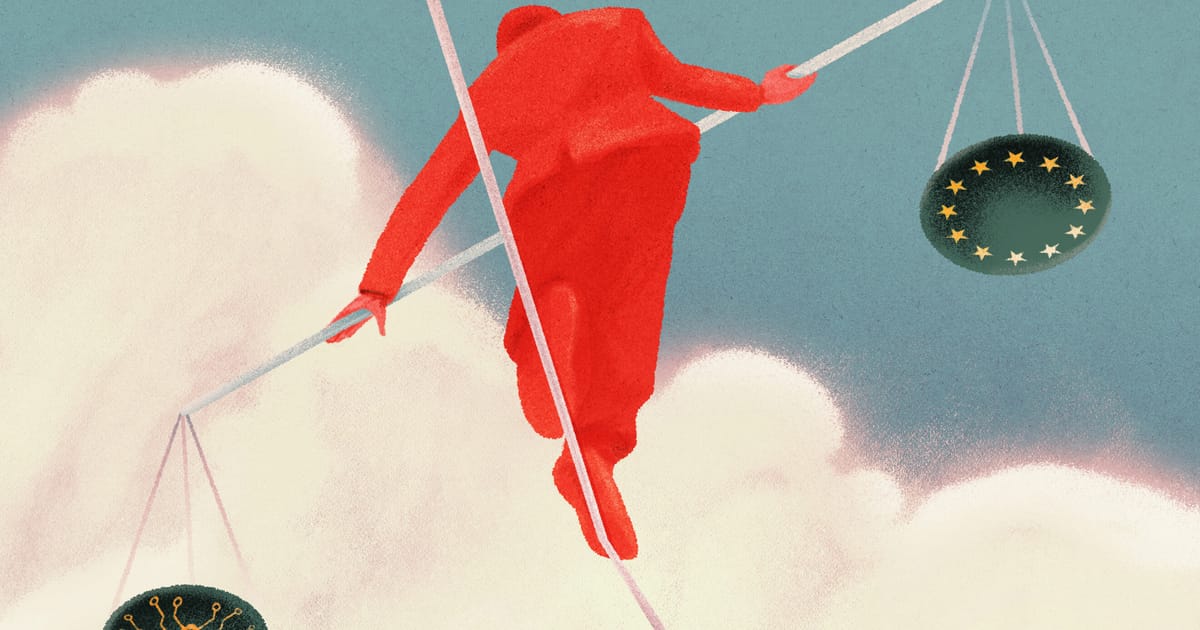
As Ireland gets ready to engineer compromises between EU countries on tricky tech files in the latter half of this year, the very loud, trumpeting elephant in the room will be the country’s close relationship with U.S. tech giants.
Sixteen of the world’s top 20 tech companies operate hubs in Ireland and more than 100,000 people are employed in the tech sector. Ireland’s fiscal watchdog warned earlier this year that just two tech firms — not named but understood to be Apple and Microsoft — paid almost 40 percent of all corporate tax in Ireland in 2024, adding up to €11 billion.
“It’s widely acknowledged, including by the Irish Fiscal Advisory Council, that Ireland is too reliant on Big Tech firms,” said liberal Member of the European Parliament Michael McNamara, who was the lead lawmaker on a package to roll back AI rules, and a key figure in another plan to streamline data and privacy laws.
“Ireland needs to be clear-eyed about the pressures that will come during the Presidency,” from major tech companies with headquarters in Dublin, he said.
Ireland’s to-do list once it assumes the rotating presidency of the Council of the EU on July 1 will likely include work on a tech sovereignty package to untangle Europe’s reliance on foreign tech; separate proposals that could squeeze U.S. firms out of European satellite airwaves and critical supply chains; slashing red tape to simplify tech rules; if and how to ban kids from social media; making the online world fairer for consumers; and a facelift for telecom rules.