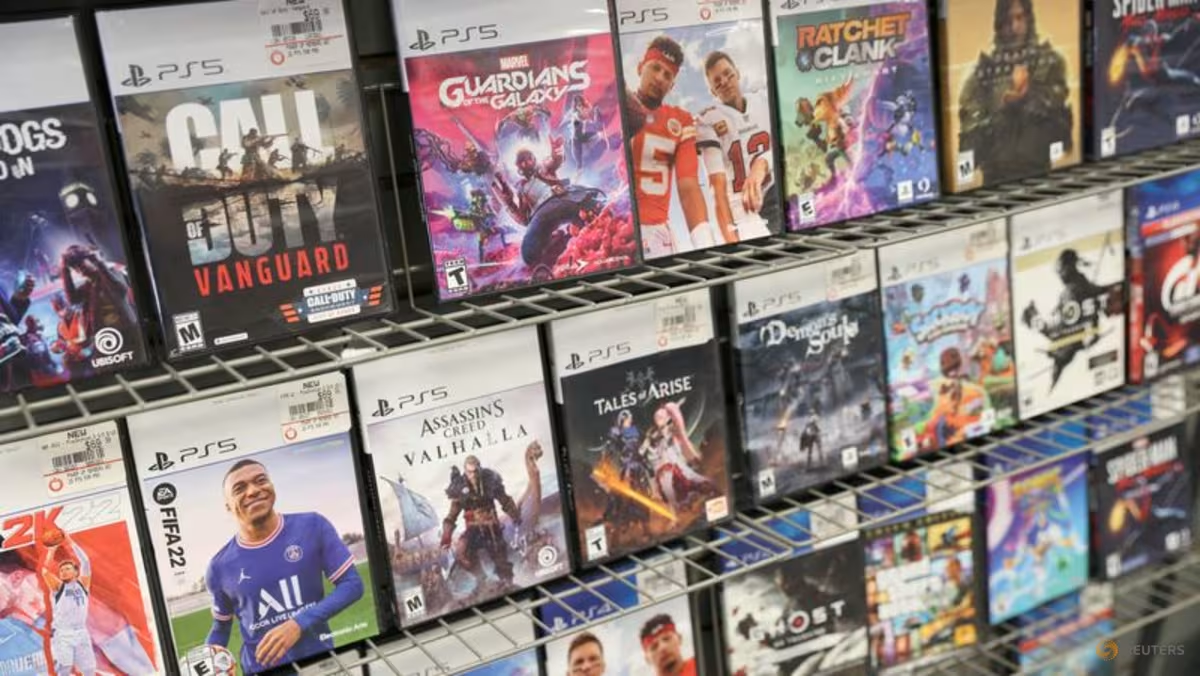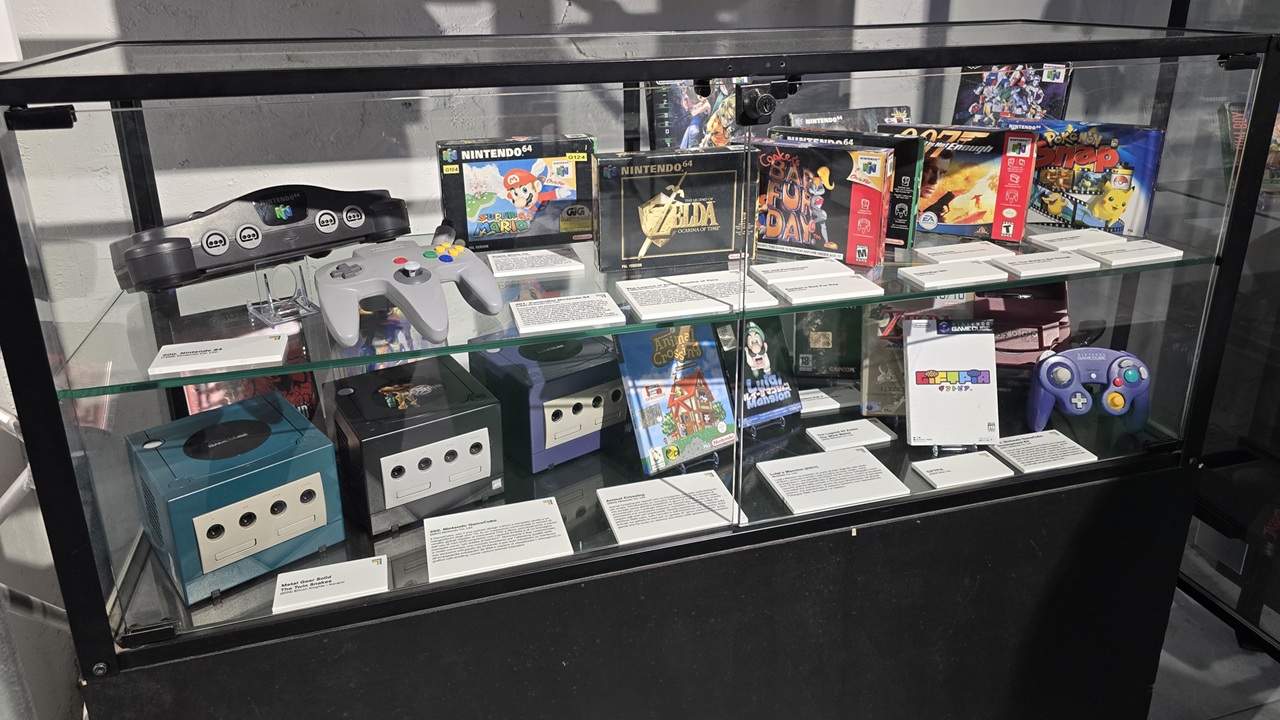
In the distant past of 1983, Sony secured a landmark ruling at the US supreme court. The court held that if a device is sold for a legitimate purpose and has a substantial non-infringing use, the manufacturer couldn’t be held liable for potential copyright infringement by users.This ruling is why most of the world could freely record off their televisions on to video cassettes without the maker trying to stop them. For Sony, this was a huge win – although one that wouldn’t work out. The company’s Betamax tapes lost the war to VHS.Fast forward to 2026, and Sony has taken the opposite stance. Whereas buying a tape gave you ownership of what was on it, Sony now wants to end that certainty of sale. The consumer tech giant plans to end physical disc releases for its PlayStation line by the end of next year, while the support for games on its PlayStation 3 (PS3) and Vita line is being discontinued at the same time.The old Sony made media access and ownership easier because it suited them. The Sony of today is trying to make media merely something that we access, not own. This is why the Stop Killing Games initiative matters far beyond video games. It is a last line in defence of the concept of consumer ownership of media. The initiative’s core goal is to make sure that games users have paid for cannot become functionally dead at a later date simply because of a decision by a corporate entity.It’s not so much about preserving old games as it is whether the concept of buying is still true in the digital economy. Think about when you make a purchase online. You click “buy”, your money goes to the seller and the game, movie or whatever appears on your device. Before the digital age in the media world, you owned the thing you bought. It wasn’t a lease.Support may be provided on what we buy now, it may enable purchases for additional material online, but, to the consumer, the core tenet of ownership appears no different from that of the VHS tape they once bought. With support dropping for older systems, particularly video games, that concept is being tested. This is normally the point in a column where I bring in the European Union as the one player fighting the cause of the consumer. Unfortunately, it’s dropping the ball. The European Commission has said that it cannot legally oblige game producers to keep games playable after commercial support ends.This gets to the heart of the problem. Stop Killing Games does not want Sony to maintain commercial support forever; it wants to ensure that the right to keep playing is not dependent on that commercial support. Think of all those services that popped up, often in pharmacies, to convert VHS tapes to DVD. These weren’t provided by VHS manufacturers but were independently created. That’s what the initiative wants – to enable others to take over the responsibility once the commercial support stops.[ Game over? Video gamers take fight to Brussels over developers cutting supportsOpens in new window ]Games are the canary in the coal mine. Think of the movies you bought rather than rented through Sky Store. Think of Office365, for goodness sake. The global games market alone, valued at over €165 billion last year, should be enough to scare you but the impact goes far wider.Games are first. Films, television and even books are next. Then the slope loses all grip. There’s already an alarming example involving books, when a change to Amazon’s Kindle in 2009 led to, of all books, George Orwell’s 1984 and Animal Farm being removed en masse because of licensing issues.It was restored, eventually, to those who asked, but that should have been the moment we had this long-overdue conversation. The first wave of losses outside the gaming sector is due in September, again due to a licensing issue. If you bought either of the first two Paddington movies, Terminator 2: Judgment Day, or any other of the 551 titles Studiocanal previously made available on PlayStation Store, then those will all disappear come the autumn.That means digital products people thought they owned have turned out to just be on extended leases. There was no reason for consumers to believe that was the case at the time of purchase. Upfront clarity is what is missing from games producers and, really, all providers of digital products. It doesn’t matter if that’s a movie or a word processor, there’s an expectation that the seller will leave no doubt in the mind of the buyer.As it stands, providers have not exactly embraced such a transparent model. The Entertainment Software Association (ESA), the main trade body for games companies, has argued that private servers for games are illegal and constitute piracy. This claim, to the US senate last week, was no doubt a surprise to the hundreds of millions of people who rely on such servers to play games legally. These servers are essentially voluntary infrastructure that backs up what is produced by commercial providers to keep the whole show going.That is where the European Commission has at least indicated some support for gamers. It expects clarity on what should be done when games reach their end-of-life stage commercially. You shouldn’t need a copyright lawyer just to keep watching a movie you bought or play a game you purchased. When you walked into Xtra-vision back in the day, you knew the difference between renting and buying.If buying doesn’t mean owning any more, the very least a consumer deserves is to know that before they make a purchase. That’s the ludicrously low bar these giants of entertainment are failing to clear.
Sony’s PS3 closure raises a big question: who actually owns the games you buy?
Consumers buying a range of digital media are discovering that continued access is far from certain
950 words~4 min read