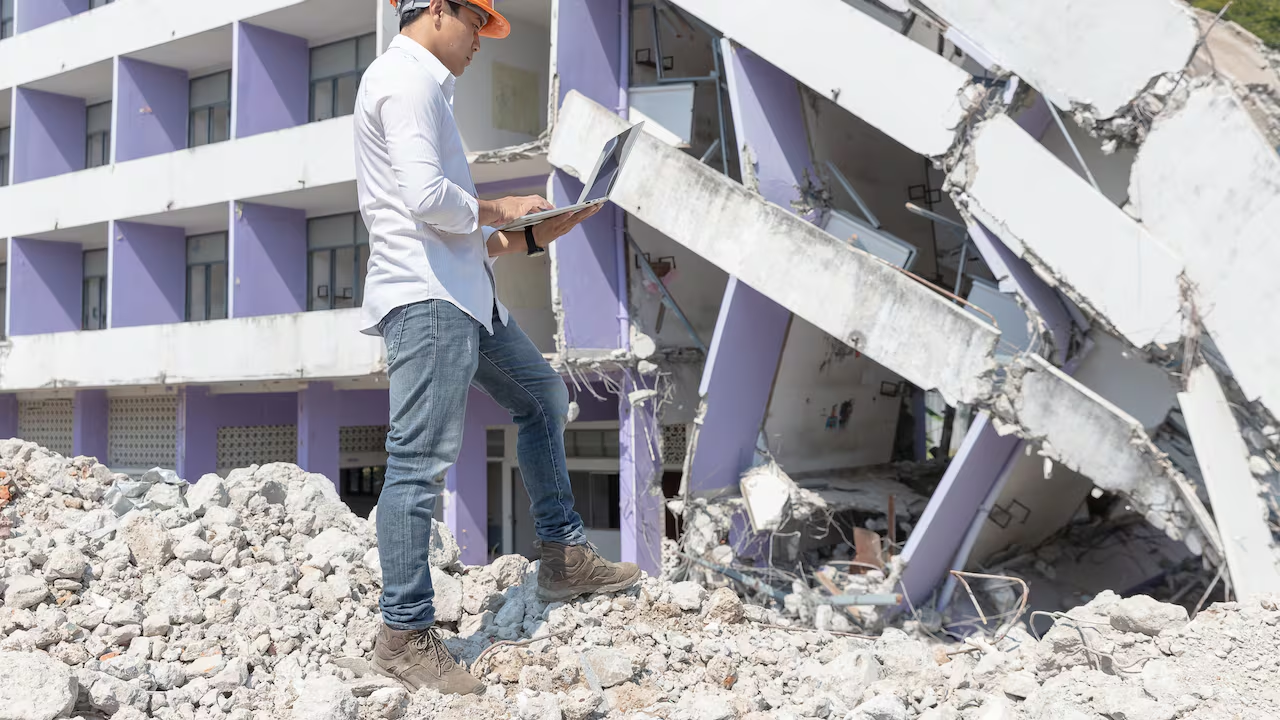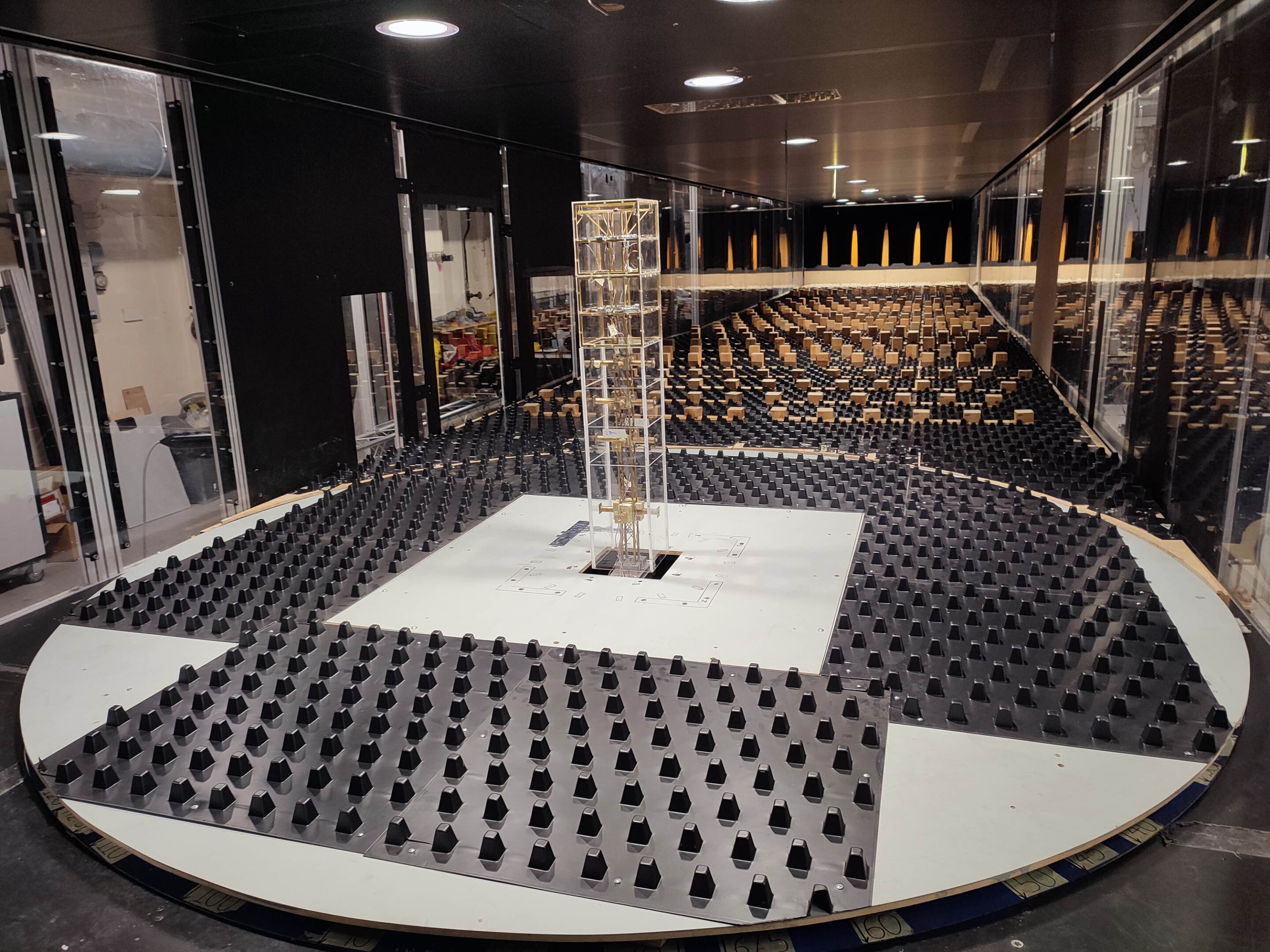
Engineers have been working for centuries to protect buildings, bridges and other structures from damage caused by severe weather and natural hazards, but one of the best methods may begin with sand, according to a newly published study.
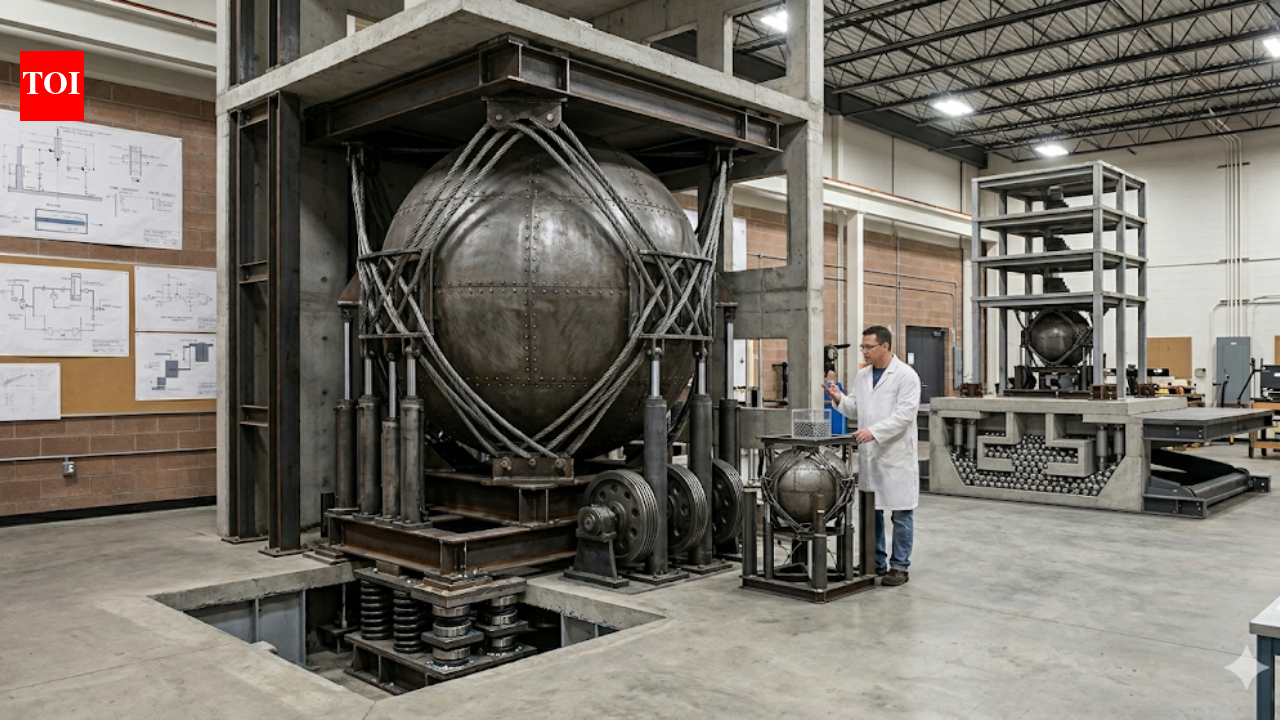
Many high-rise buildings, bridges and other structures use dampers to mitigate vibrations and absorb vibration energy, reducing the amount of stress placed on the structure's beams and columns. These devices help increase a building's life span, but traditional liquid-based dampers are costly and difficult to replace.
The new study, published in the ASCE Journal of Structural Engineering, shows that pressurized sand dampers perform better under extreme temperatures and provide a cheaper, more environmentally friendly option for construction.
"The damper is an energy dissipation device that you use every day," said Liang Cao, incoming University of Mississippi assistant professor of civil engineering. "Every vehicle you drive has dampers to try to reduce vibrations. As civil engineers, we took that concept and applied it to modern structures, but typical dampers are oil-based or really complex mechanisms, and that makes it expensive to build.
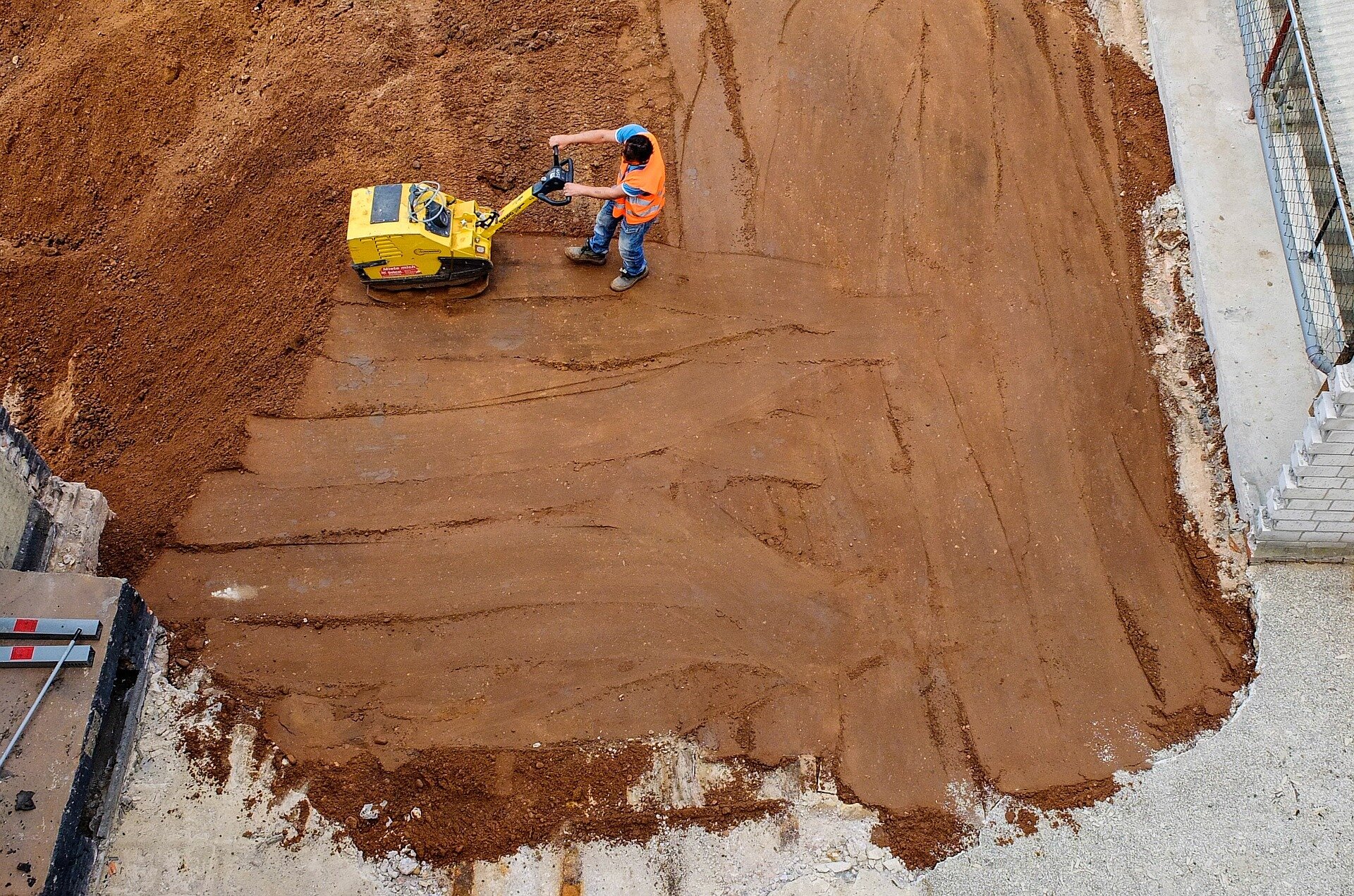
"That's where the sand damper comes in. Sand is inexpensive, easy to maintain and environmentally friendly."