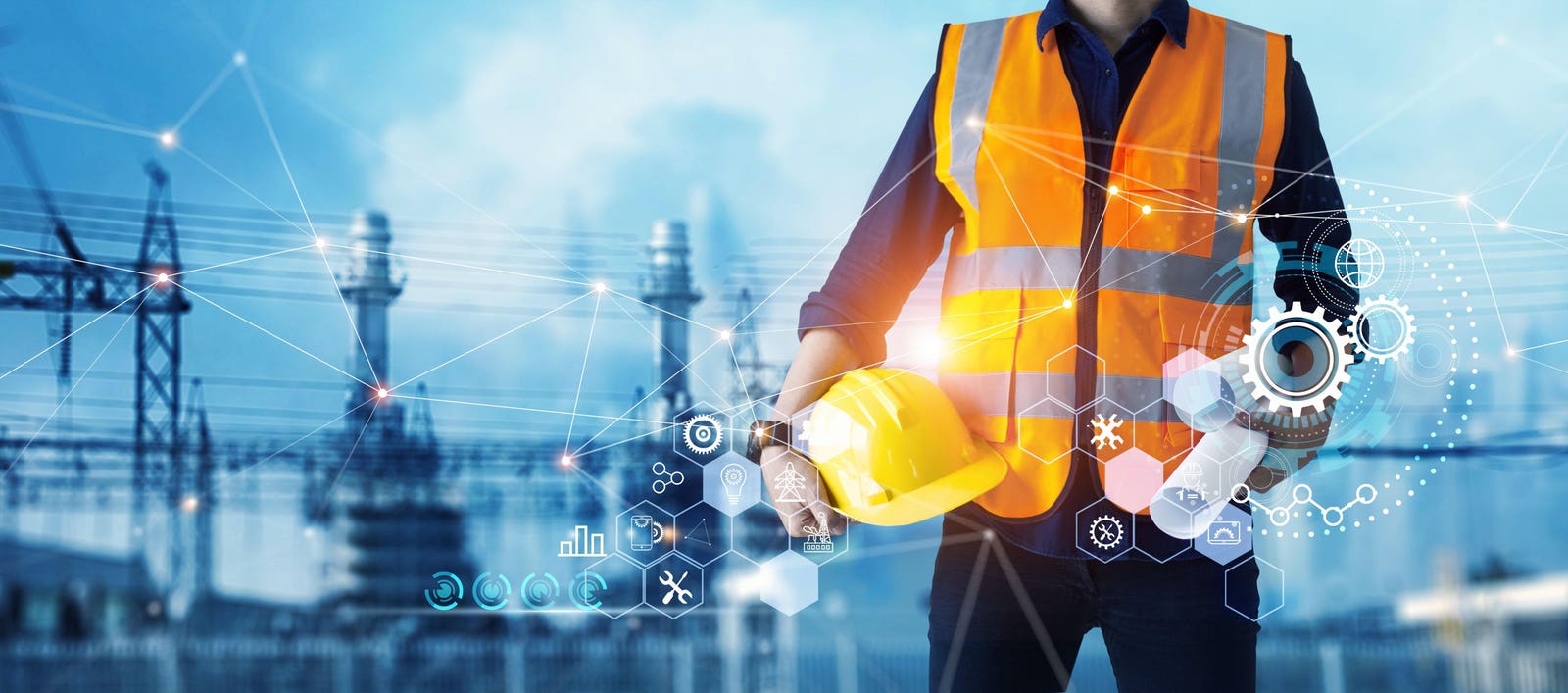
One of the most dangerous assumptions emerging in contemporary engineering environments is the belief that increasingly sophisticated simulation capability can compensate for diminishing exposure to physical systems operating under real conditions.
After decades spent across industrial facilities, energy infrastructure, defense manufacturing environments, thermal systems, hydraulic platforms, heavy production lines, and mission-critical installations, one conclusion becomes unavoidable:
Most infrastructure failures do not originate from insufficient theoretical knowledge; they originate from insufficient operational understanding.
Modern engineers are graduating with remarkable proficiency in computational fluid dynamics, finite element analysis, transient thermal modeling, SCADA integration, PLC architectures, digital twin environments, predictive analytics, and AI-assisted optimization systems. Yet many of these same engineers have never participated in a live Tier III or Tier IV commissioning sequence, managed thermal instability during partial rack loading, diagnosed harmonic propagation under synchronization transfer conditions, or experienced how operational behavior alters system performance during abnormal states.