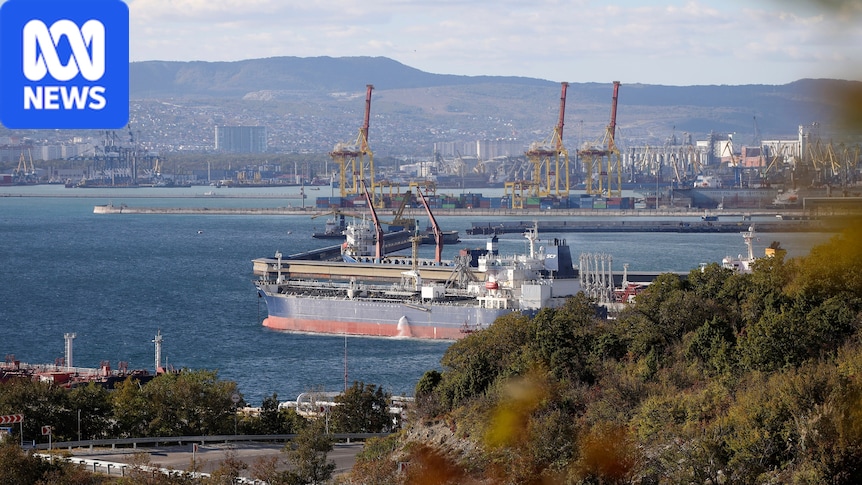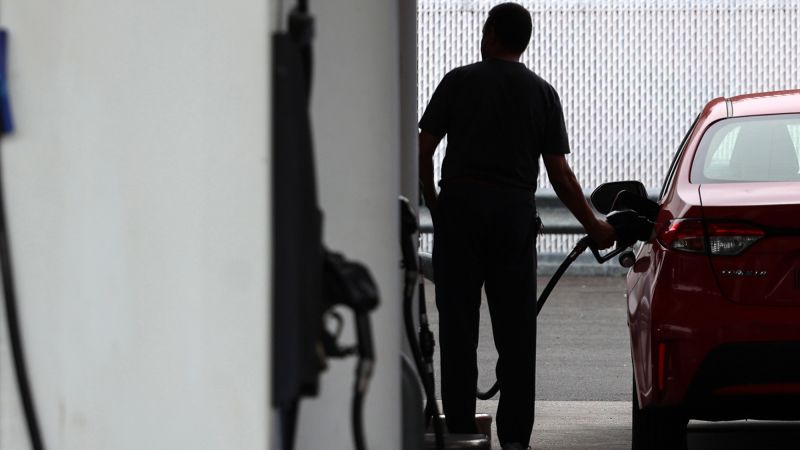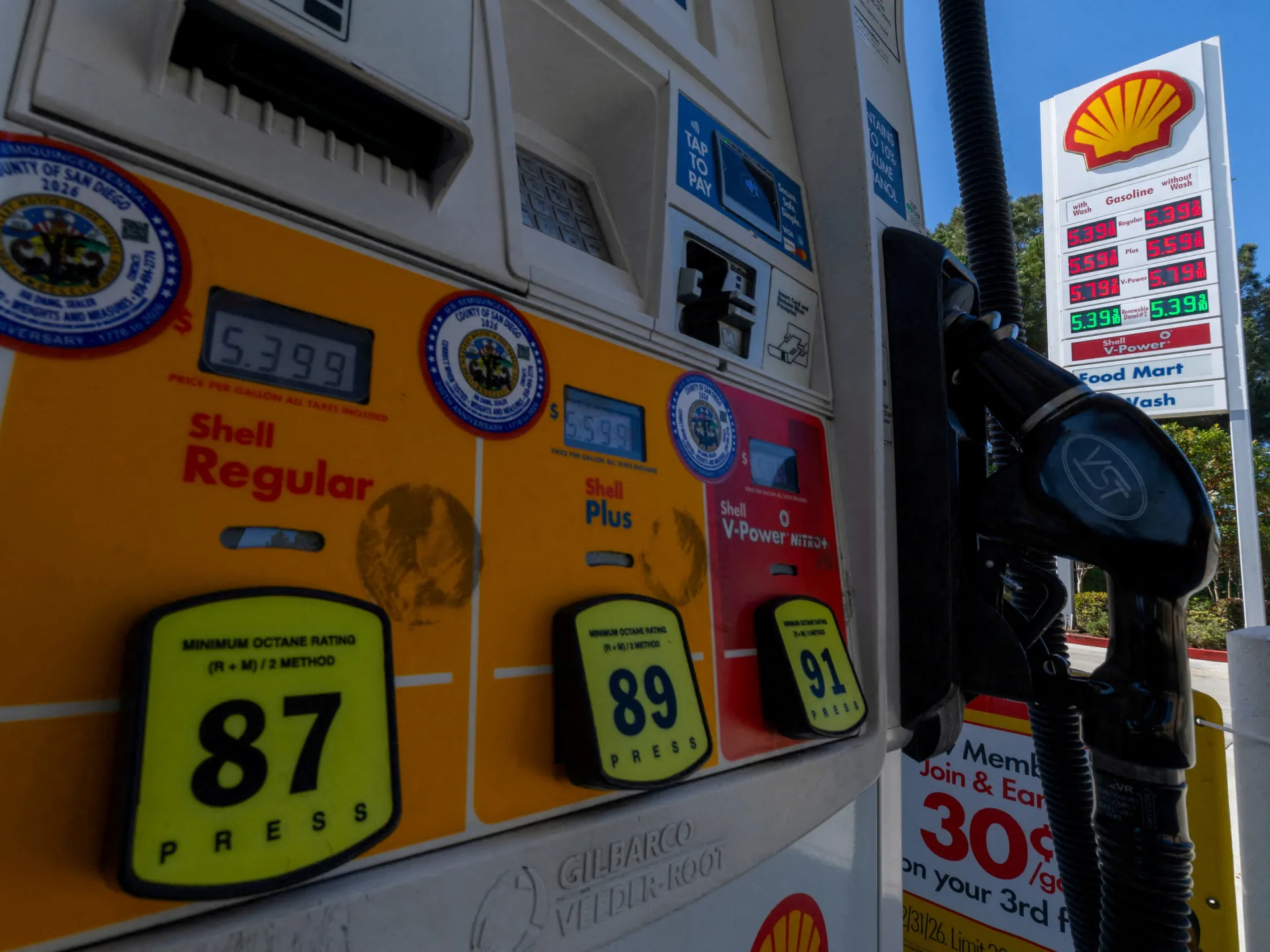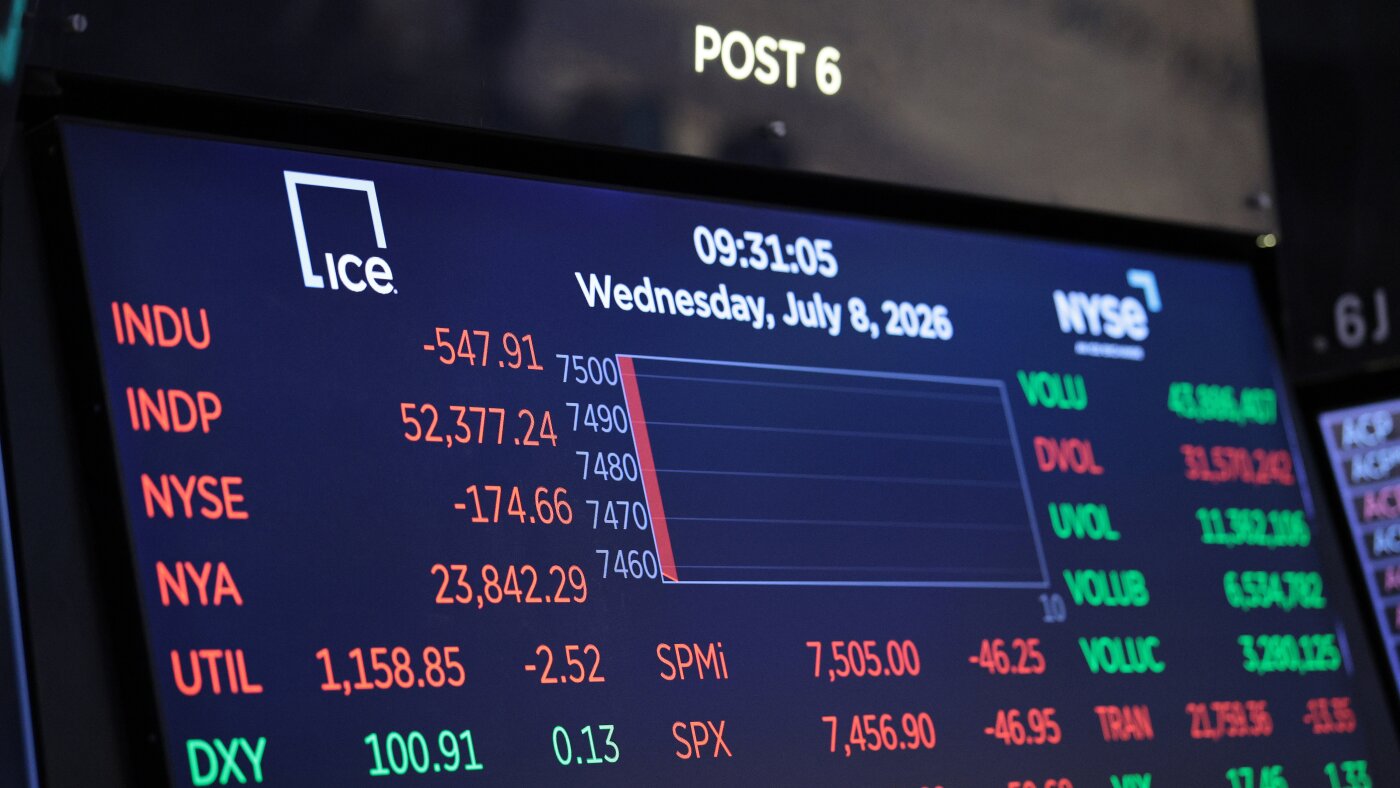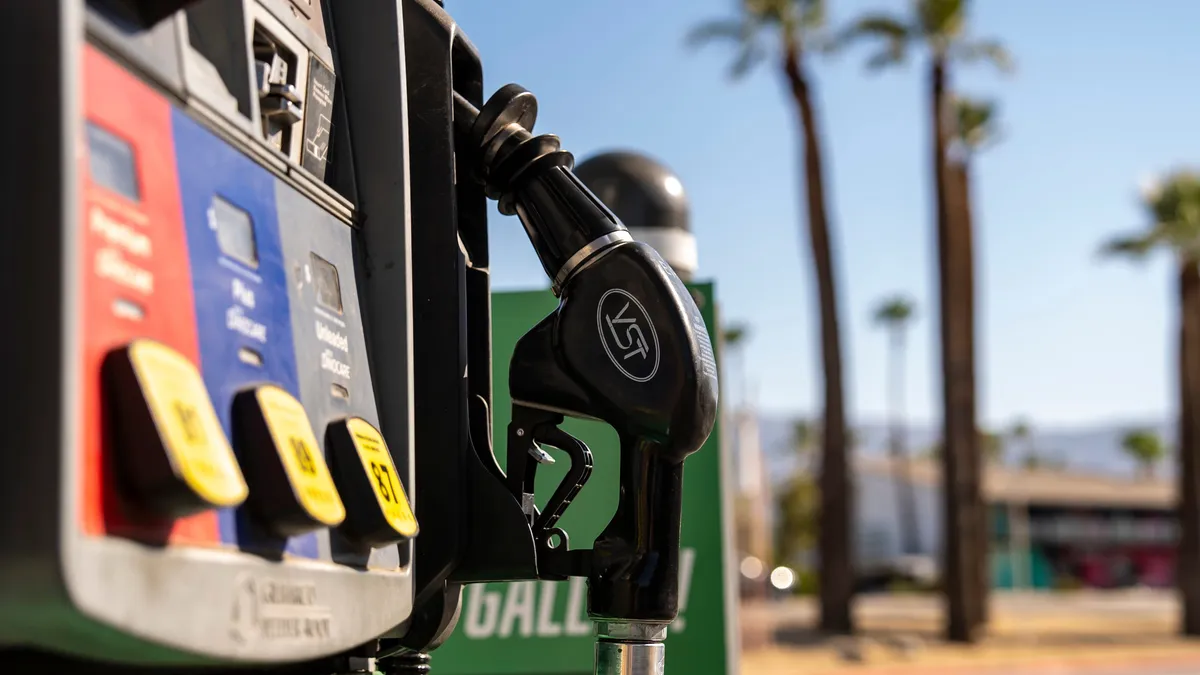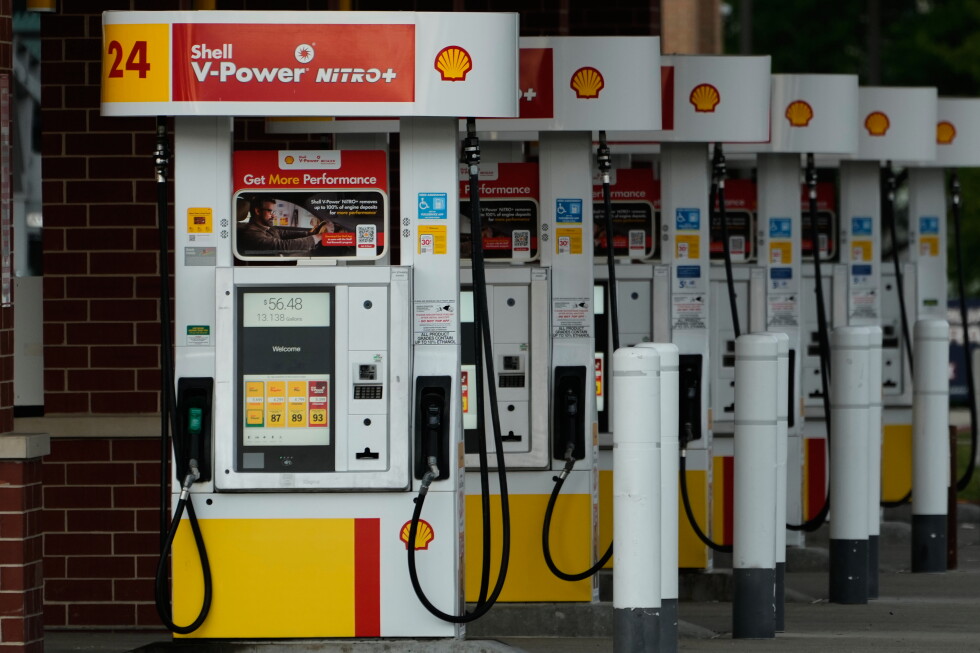
NEW YORK (AP) — The potential unraveling of a fragile truce between Iran and the United States renewed anxiety Wednesday over whether fuel prices would go back up if sustained fighting kept oil tankers from traveling through the Persian Gulf. Oil prices rose to their highest point in weeks after President Donald Trump declared the U.S. ceasefire with Iran over, responding to Iranian attacks on commercial ships in the Strait of Hormuz and on American military sites in other Gulf nations. Costlier crude oil could lead to costlier gas station fill-ups as drivers in many countries were getting a break from elevated prices brought on by the war.“Tanker traffic through the Strait of Hormuz has essentially stopped, which tells you more about risk perception right now than any statement from Washington or Tehran,” said Jorge Leon, head of geopolitical analysis at Rystad Energy, in an email. “Oil markets reacted quickly to the renewed geopolitical risk.” U.S. gasoline prices increased slightly Wednesday to an average of $3.80 for a gallon of regular, up from $3.79 the day before, but still well below the month-ago average of $4.16, according to motor club federation AAA.
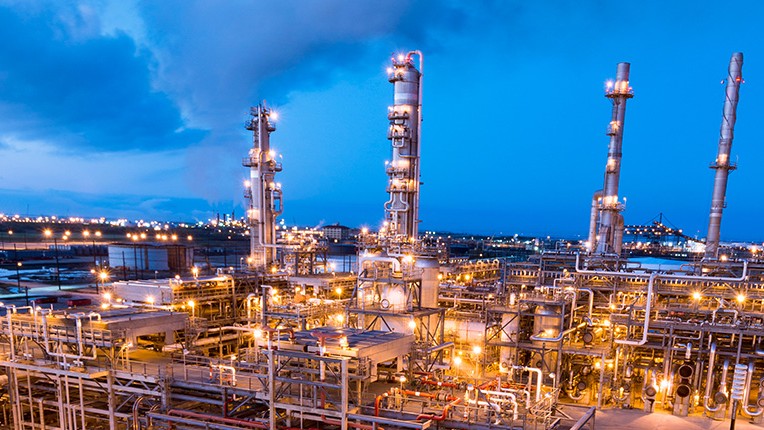
Crude oil makes up the bulk of the price of gasoline, so when oil prices rise, gasoline eventually follows. But it can take weeks for consumers to feel the full impacts. That’s because refiners make gasoline with oil purchased in advance. The finished product then has to travel through a system of pipelines and trucks to reach gas station pumps.