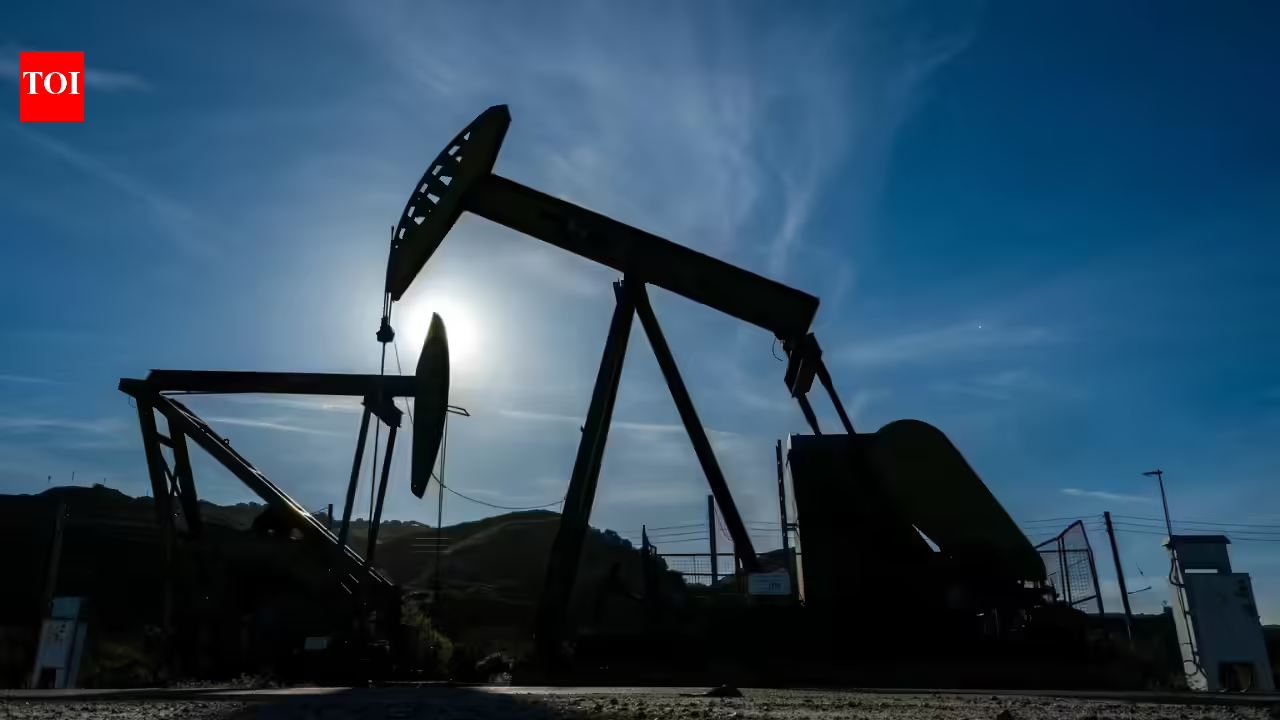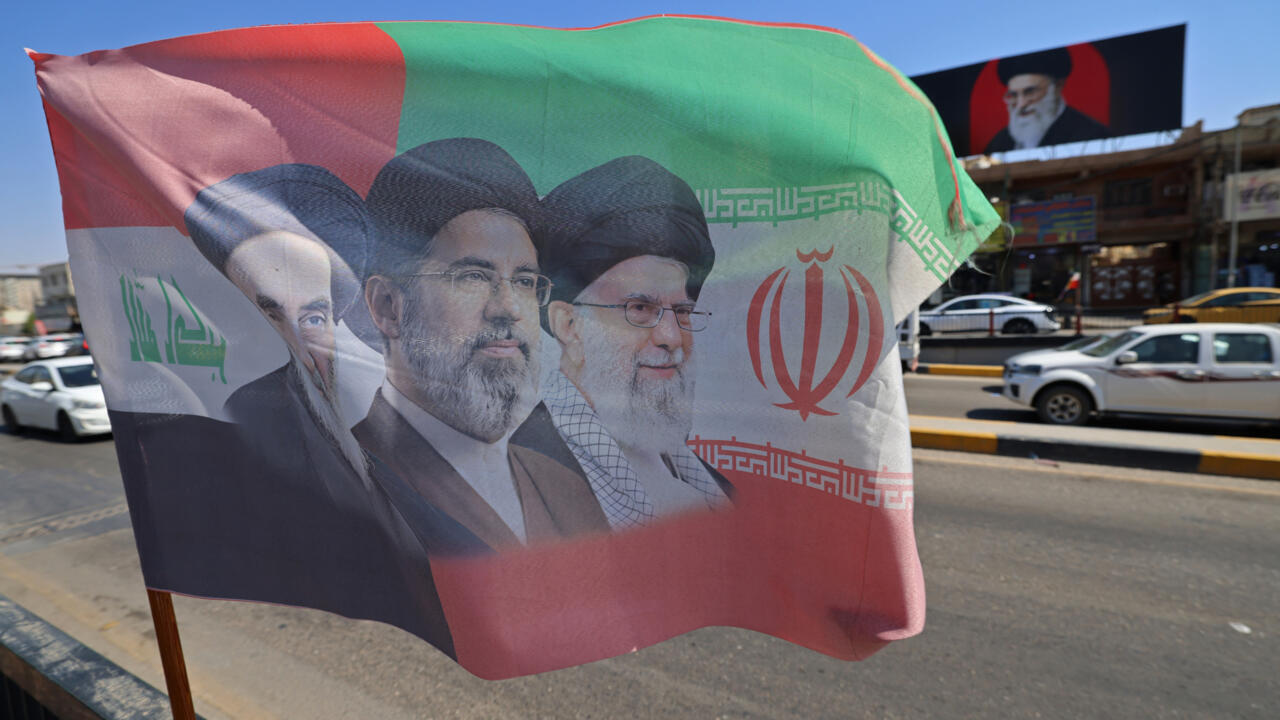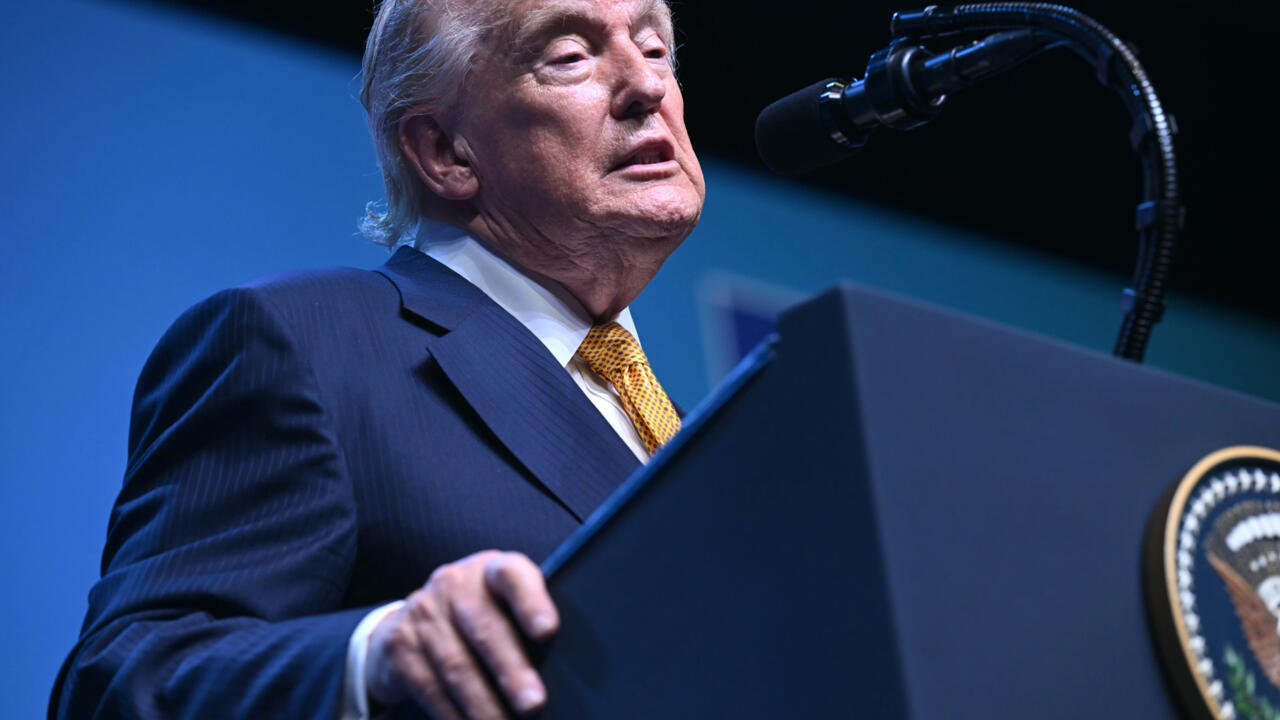
Oil prices jumped sharply on Wednesday after fresh tensions between the US and Iran raised fears that global oil supplies could be affected. The latest rise came after the US carried out military strikes on Iran, increasing worries that the conflict could become bigger. The fighting has put pressure on the fragile ceasefire between the US and Iran that had earlier helped calm global oil markets.Oil prices surge after fresh US-Iran tensions (Pexel/Representative image) (Pexel)Brent crude, the global oil benchmark, rose by more than 3% on Wednesday after falling to pre-war levels earlier. Brent crude futures for September reached $76.48 per barrel by 06:30 GMT, the highest level since June 23. According to CNBC, Brent crude later climbed even higher, rising nearly 6% to around $78.55 per barrel.US crude oil WTI also jumped nearly 6% and traded around $74.50 per barrel. Oil prices usually rise when there are fears that supply could be disrupted, especially in the Middle East, which produces a large share of the world's oil.What triggered the latest rise?The US launched attacks on Iran after three commercial ships were attacked while passing through the Strait of Hormuz. The US accused Iran of targeting the commercial vessels. Qatar and Saudi Arabia also blamed Iran for the attacks.The US Central Command said it launched "a series of powerful strikes" to make Iran pay a heavy price for attacking commercial ships carrying innocent civilians. Iran has not directly admitted responsibility for attacking the ships, as noted by Al Jazeera. However, Iran has repeatedly warned ships against using routes through the Strait of Hormuz that it has not approved.Trump says ceasefire is overUS President Donald Trump said he believes the ceasefire with Iran is over. "To me, I think it's over," he stated, during a press conference at the NATO summit in Ankara, Turkey, according to CNBC. He also said he no longer wanted to negotiate with Iran and called further peace talks "a waste of time."Sanctions on Iranian oil returnThe US also cancelled a temporary waiver that had allowed Iran to continue selling its oil for 60 days. The waiver had been introduced last month as part of wider talks between Washington and Tehran. The US Treasury Department said Iranian oil transactions will no longer be allowed after July 17, according to an Al Jazeera report. The new order also stopped any new oil purchases or loading after Tuesday. A US official told CNBC that Iran would only receive such benefits if it showed “good behavior.”Also read: Why did Bitcoin fall below $63,000? US-Iran tensions and Fed rate fears explainedIran reacts stronglyIran's Deputy Foreign Minister Kazem Gharibabadi called the US decision a "blatant violation" of the Memorandum of Understanding (MoU) signed on June 17. He said Iran would take "decisive actions" to protect its interests and national security, as stated by Al Jazeera.Iran's Foreign Ministry also called the US military strikes a "gross violation" of the peace agreement reached last month. Iran warned that its armed forces would defend the country's sovereignty and security against any American military aggression.Why the Strait of Hormuz mattersThe Strait of Hormuz is one of the world's most important oil shipping routes. Millions of barrels of oil pass through it every day. The ceasefire reached last month had reopened the Strait for normal commercial shipping after months of disruption. Now, fresh attacks have once again raised concerns about safe passage through the waterway. The US-led Joint Maritime Information Center raised its threat level for ships using the Strait to "severe", as per CNBC report. The agency warned that more hostile action by Iran was likely.Experts explain the risksTony Sycamore, market analyst at IG Australia, said the agreement between the US and Iran was always vague about who controls the Strait of Hormuz, via Al Jazeera. He said both countries have never fully agreed on whether the Strait is an international waterway or partly Iran's territorial waters.Sycamore said it is still unclear whether the latest US strikes will end the conflict or lead to more Iranian actions. He added that markets are likely to remain nervous and oil prices may stay supported for now.Saul Kavonic, Head of Energy Research at MST Financial, told Al Jazeera, oil prices are likely to remain high because the situation in the Strait remains dangerous. Kavonic believes Iran wants to strengthen its control over the Strait in the coming weeks. He warned that this could reduce shipping through the Strait to less than half of normal pre-war levels for several months. He also said periodic clashes between Iran and the US could continue during this period.Andrew Jackson, strategist at Ortus Advisors, said Iran may not rush into a deal because its bargaining power over the US is increasing ahead of the US midterm elections, via CNBC. He also noted that higher oil prices could keep inflation high and make it harder for the US Federal Reserve to cut interest rates. The US 10-year Treasury yield also moved higher as investors reacted to the renewed tensions.Impact on stock marketsAsian stock markets showed mixed performance after the latest developments. Stock markets in Tokyo and Seoul fell sharply because of investor worries. Meanwhile, markets in Taipei and Hong Kong ended higher despite the geopolitical tensions.Therefore, the renewed US-Iran conflict has once again shaken global oil markets after a short period of calm. Military strikes, attacks on commercial ships, fresh sanctions on Iranian oil and uncertainty over the Strait of Hormuz have all pushed oil prices sharply higher. Experts say markets will closely watch whether the conflict cools down or grows further, as any disruption in oil supplies could keep crude prices elevated for a longer period.
Why oil prices are surging? Impact on stock markets explained as Trump says Iran ceasefire is ‘over’
Oil prices surge after fresh US-Iran tensions, military strikes and Strait of Hormuz risks raise fears of supply disruptions, pushing crude prices higher.
942 words~4 min read