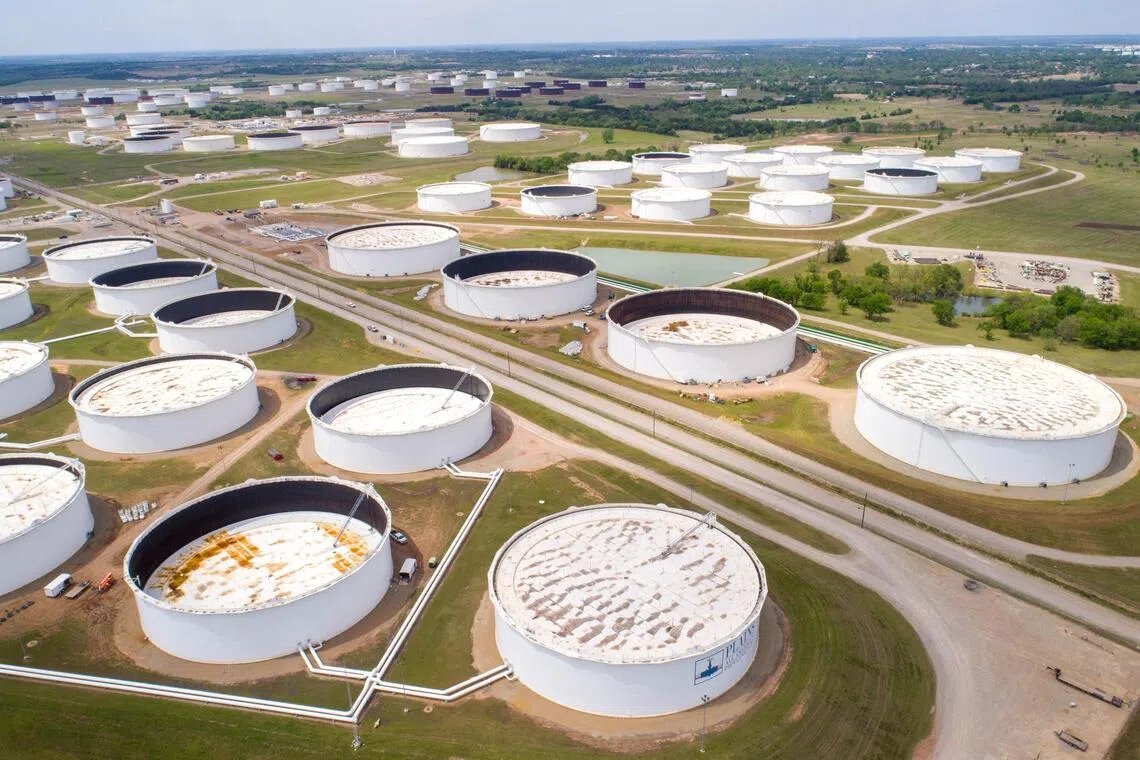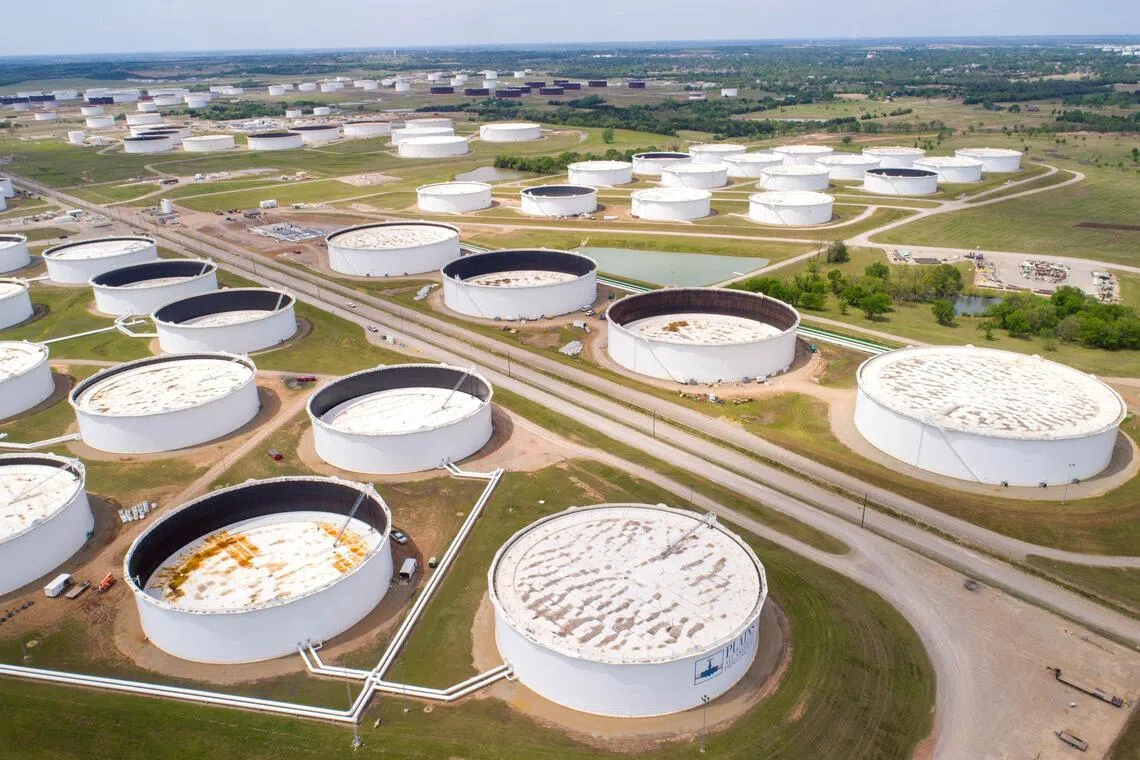
Follow our live coverage here.SINGAPORE - Oil jumped on June 11 after the US started new strikes on Iran, with the Islamic Republic responding by announcing a halt to all vessels through the Strait of Hormuz, putting further strain on a fragile ceasefire.West Texas Intermediate (WTI), the US oil benchmark, surged 4 per cent to trade above US$93 a barrel before paring some gains after President Donald Trump told Fox News the bombing would stop shortly following direct talks with Iranian officials.At 8.30am Singapore time, WTI was up 2.3 per cent at US$95.19. Brent crude, the global oil benchmark, rose 2.6 per cent to US$92.38.The United States launched strikes after Trump accused Tehran of dragging out talks on an interim peace deal.Iran said Hormuz has been completely closed, according to Press TV, which also reported the Islamic Revolutionary Guard Corps struck two vessels in the strait that were attempting passage. Tehran has allowed some ships to cross since the war started via a mixture of tolls and government agreements. However, the US military said on X that commercial ships are continuing to transit Hormuz.The fresh US attacks follow strikes on June 9 in retaliation for the downing of an American helicopter off Oman. Renewed hostilities threatens to extend the near-total closure of the Strait, which has choked off supplies of crude, fuels and natural gas since the start of the war in late February.“The next few days will be critical in determining whether diplomacy can reassert itself or whether the conflict moves into a more sustained escalation cycle,” said Jorge Leon, the head of geopolitical analysis at consultant Rystad Energy. “Oil price volatility is likely to remain elevated until there is clearer evidence” for the ceasefire holding, he added.US Central Command said it began “additional self-defense strikes” that are in response to Iran’s “unwarranted and continued aggression.” In response to the American strikes on June 9 over the downing of the helicopter, Iran retaliated with attacks on US military facilities in Bahrain, Jordan and Kuwait.Late on June 10 in the US, Trump posted on social media that the US military had supported the passage of “more than 200 commercial ships” through the Strait of Hormuz, resulting in “more than 100 million barrels of oil” making it to market. He went on to claim the US controls the strait, “not Iran.”There has been a trickle of oil flows exiting the Persian Gulf under the cover of darkness, and physical markets are showing some signs of ample supply. Still, the disruption to Middle East shipments has driven energy prices higher, including retail US gasoline, and raised concerns about slowing economic growth. Separately, US government data on June 10 showed US crude inventories fell by 7.2 million barrels last week, extending declines for a seventh week. Supplies at Cushing, Oklahoma, also dropped slightly. BLOOMBERG
Oil prices surge amid Iran strikes
Oil prices have surged after fresh US strikes on Iran, threatening a fragile truce and prolonging the Middle East conflict. Read more at straitstimes.com. Read more at straitstimes.com.
471 words~2 min read