Show Caption
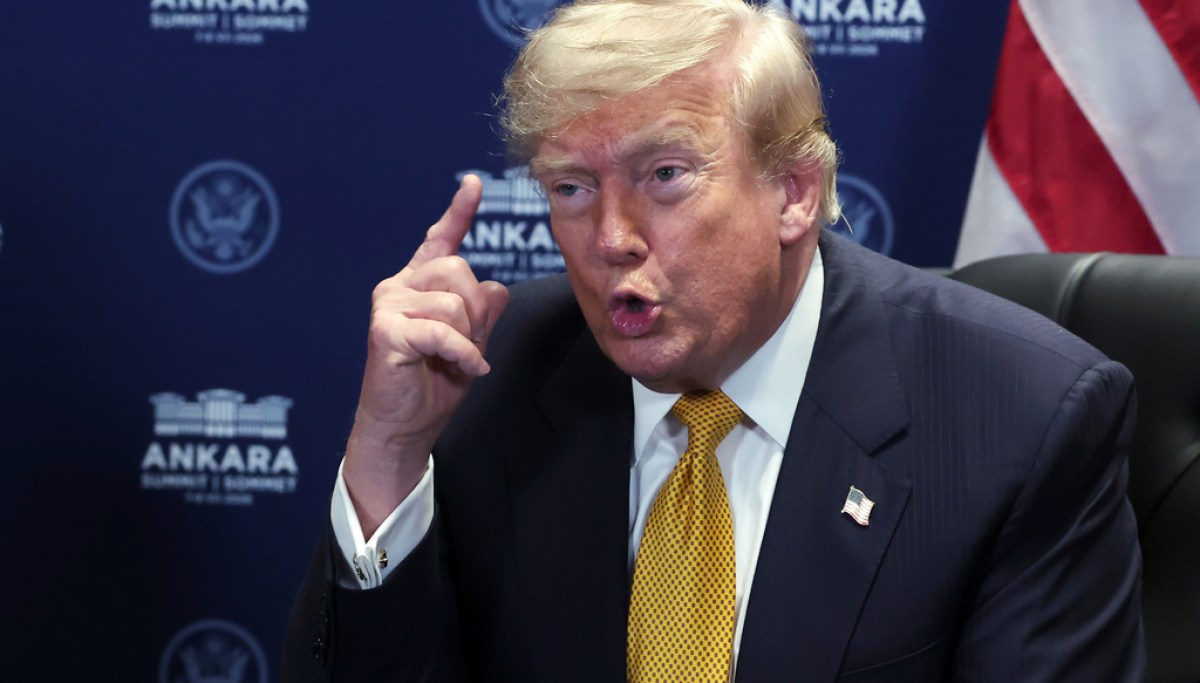
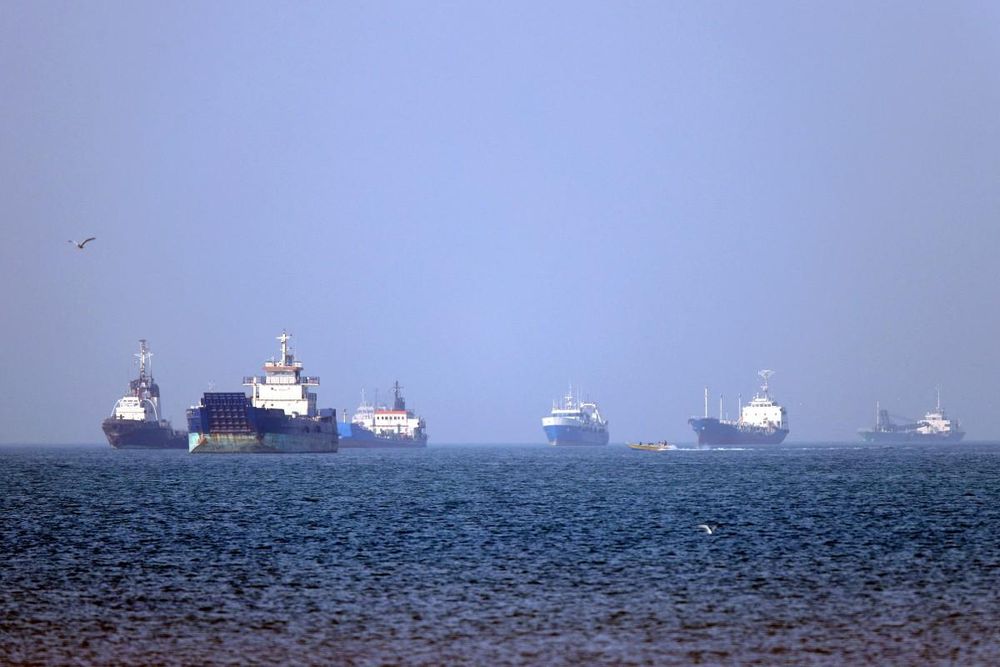
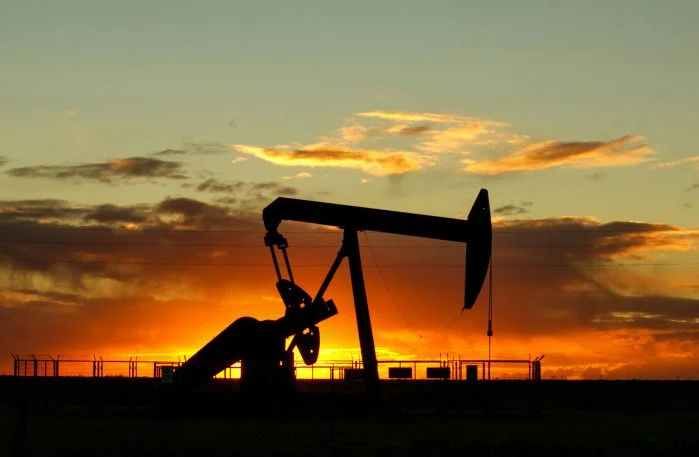
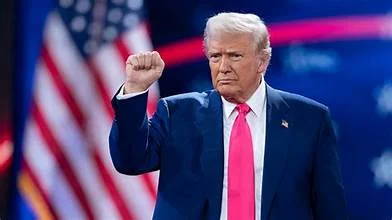
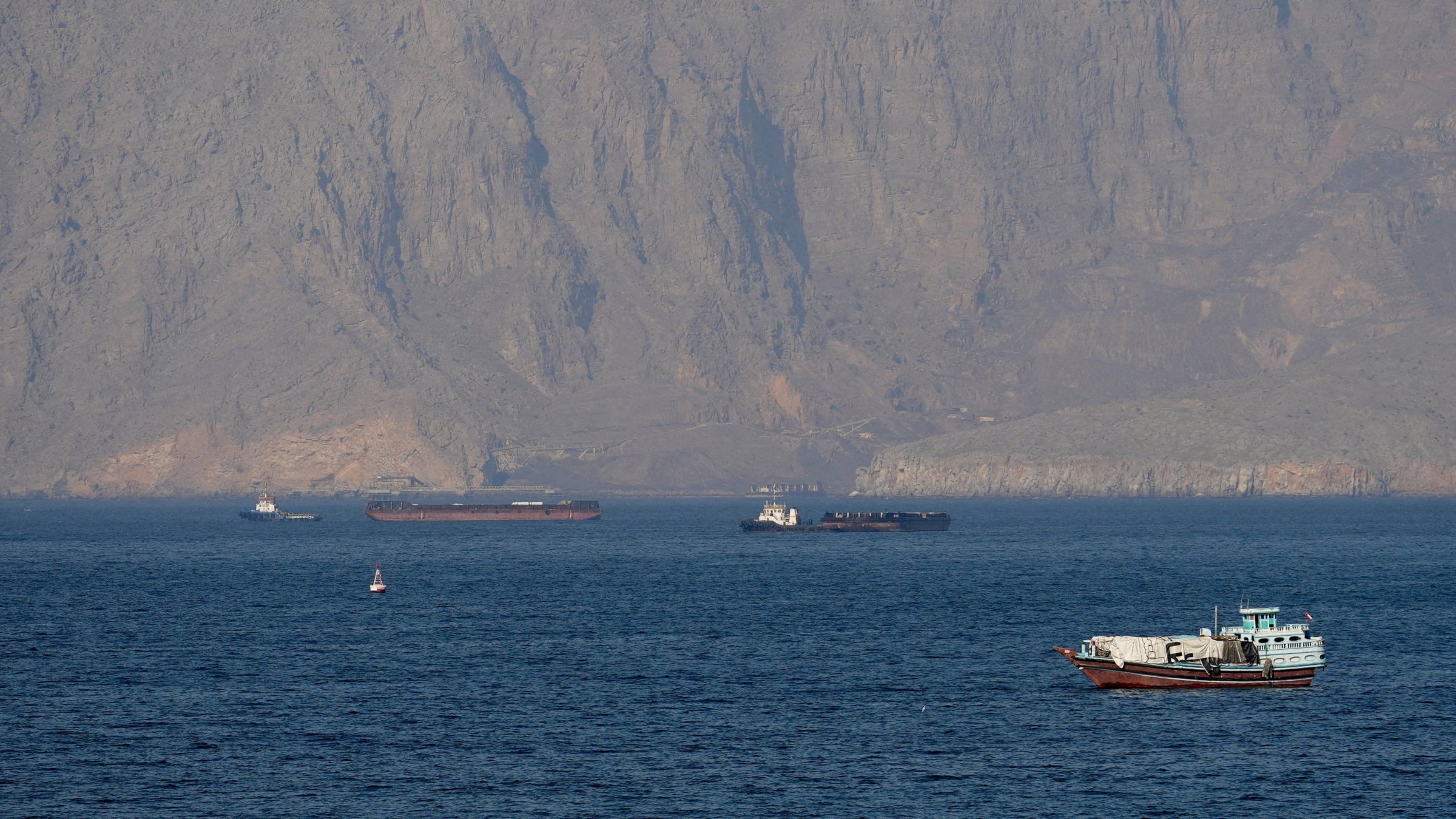
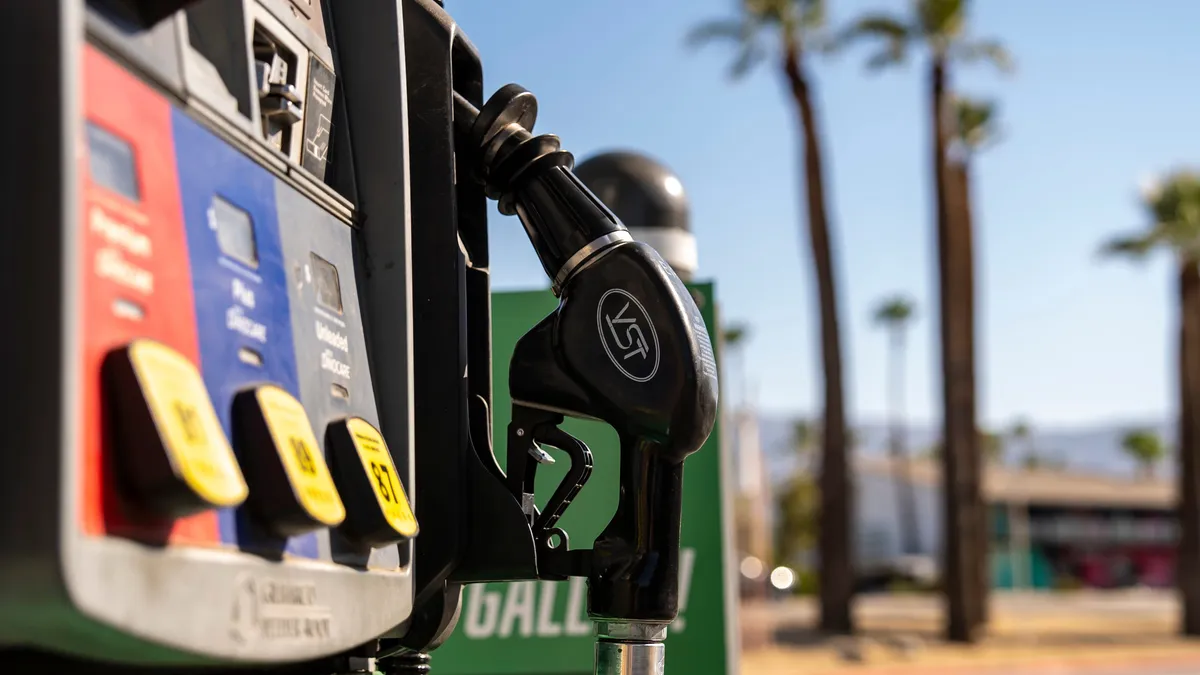
Oil prices spiked on July 8 to their highest levels in weeks after President Donald Trump said the ceasefire between the United States and Iran was “over,” renewing concerns that U.S. consumers could face higher gas prices just as they had begun to expect relief.Brent crude oil, the global benchmark, jumped 6% to $74.50 per barrel. While gas prices often lag oil prices, they also ticked slightly higher on Wednesday. The national average for a gallon of regular gasoline rose to $3.80, according to AAA. It’s still down from $3.85 last week, and from $4.16 last month.The two countries agreed to a 60-day ceasefire on June 19, though Trump said it was over after just 18 days. Within that window, the United States struck Iran on June 26 responding to what it said were Iranian attacks on ships in the Strait of Hormuz, the waterway responsible for carrying about 20% of the global oil supply. At the NATO summit, Trump said U.S. negotiators wanted to continue attempts to broker a peace deal, but he added that as far as he was concerned, it's over."To me, I think it's over. I don't want to deal with them," Trump said. "They're scum. They're sick people. They're led by sick people, and they're vicious, violent people."The jump in oil prices also appears to be a response to the Treasury Department's July 7 revocation of a U.S. temporary license allowing Iran to sell oil on the open market – a move that could further constrain the supply of oil and lead to higher prices at the pump.Will gas get more expensive again?Gas prices have surged 27% and squeezed Americans' budgets since the start of the Iran war on Feb. 28, but they were falling in recent weeks after a memorandum of understanding between the two nations.While the ceasefire was always fragile and some flare-ups were inevitable, Oxford Economics' chief global economist Ryan Sweet said in a July 8 note, "the question is whether this represents a bump in the road or whether we're emerging from the eye of the storm." It may be too early to tell."President Trump said US negotiators would continue talks with Iran, suggesting the truce hasn’t been irrevocably broken," Sweet said, adding that if the peace deal breaks, "it won't just raise oil prices; it would also increase pressure on AI supply chains in Asia, force central banks to be hawkish, tighten financial conditions, and could shift the outcome of the US midterms. The cascade runs fast."He added that while it's unclear exactly how the situation will unfold, the state of negotiations between the two countries, oil and natural gas inventories, and the number of ships passing through the Strait of Hormuz will be telling indicators.Patrick De Haan, head of petroleum analysis at GasBuddy, said in an X post July 8 that the the ceasefire's end put upward pressure on oil prices, adding it may push the national average for regular gasoline toward $4 per gallon in the coming days."Watch for potential price increases soon," he said.'Freedom Fuel' stations offer cheaper gasAt 95%, a massive swath of Americans believe the United States is facing an affordability crisis, according to a Harris Poll survey conducted for the Guardian. Nearly half of respondents said they found it difficult to afford essentials like gas and groceries and two-thirds of Americans, including 49% of Republicans, said they had "little faith" that the federal government would improve the cost-of-living crisis, according to the results published July 7.The same day, the White House announced in a social media post that it was launching “Freedom Fuel” stations that will sell gas at $3.47 a gallon “for our 47th president.” The White House told USA TODAY the 25 stations will be located in the greater Philadelphia area. The price of “Freedom Fuel” is lower than the national average for regular gasoline, and cheaper than Pennsylvania's average, which stands at $3.98 as of July 8, according to AAA.Calls for probes into gas companies continueAfter Trump instructed the Department of Justice to investigate oil companies he accused of price gouging June 24, Associate Attorney General Stanley Woodward Jr. and Federal Trade Commission Chairman Andrew Ferguson urged state attorney generals to join them in investigating what they called illegal practices. “Past increases in crude oil prices, which are now coming down, do not excuse wrongdoing,” they wrote in a July 3 letter. “The DOJ and FTC will continue to protect American consumers and workers, and we encourage State Attorneys General to also ensure those who exploit hardship are held accountable.”De Haan told USA TODAY it was “justifiable” that stations were cautious about lowering prices too quickly because they didn’t want to get stuck selling below replacement costs if prices rebounded, as they have now. “All of this can be justified by market movements, and that’s why any investigation will likely fail,” De Haan said June 24. “It’s because gas stations are responding to the current environment, and I don’t think you can penalize the speed of decline.”(This story was updated to add new information and to correct a typo.)Reach Rachel Barber at rbarber@usatoday.com, follow her on X @rachelbarber_, and subscribe to her newsletter "Making More of Your Money" here.