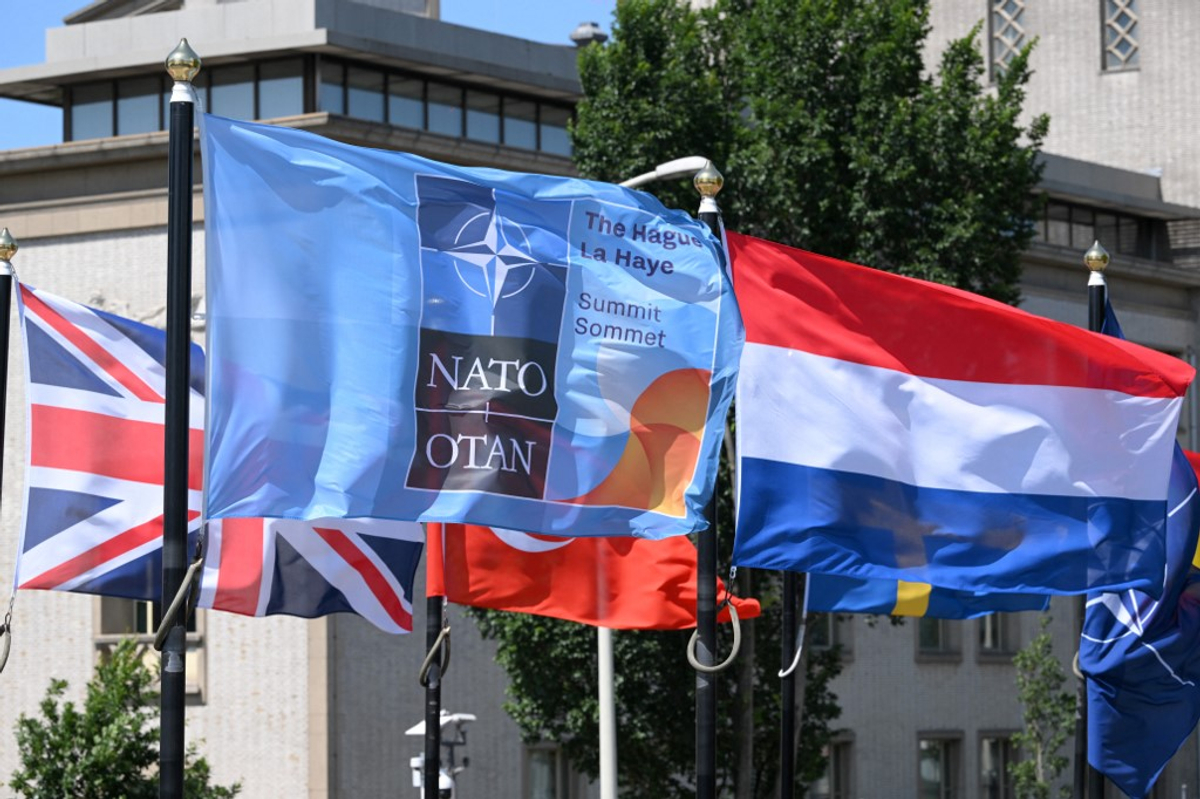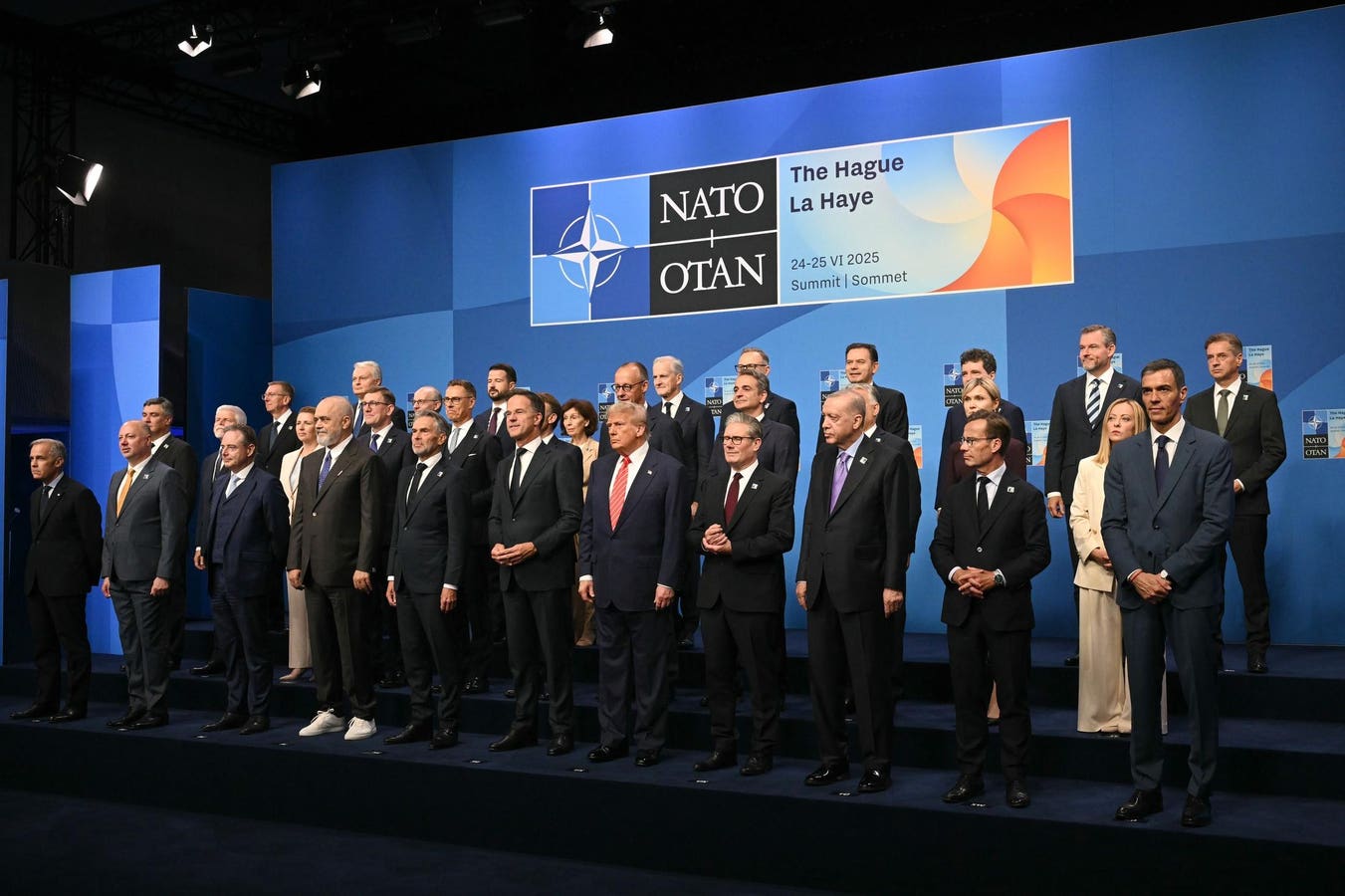
NATO just told its member nations to open their wallets wider. A lot wider. At the alliance’s summit in The Hague on June 24-25, all 32 member countries endorsed a new defense spending target of 5% of GDP by 2035, more than doubling the previous benchmark of 2% that most members were already struggling to hit.
The new framework breaks down into at least 3.5% of GDP for core defense expenditures, with up to 1.5% allocated toward related security measures. NATO’s collective defense spending is projected to surpass $1.8 trillion in 2026.
What the new spending target actually means
Every member state signed on, with one exception. Spain secured an exemption from the 5% commitment, making it the lone holdout among 32 allies. The remaining 31 nations must adhere to the target, with annual progress reports required and a formal review scheduled for 2029.
The decision reflects a geopolitical landscape shaped by persistent US calls for burden-sharing among allied nations and escalating security threats across multiple theaters.