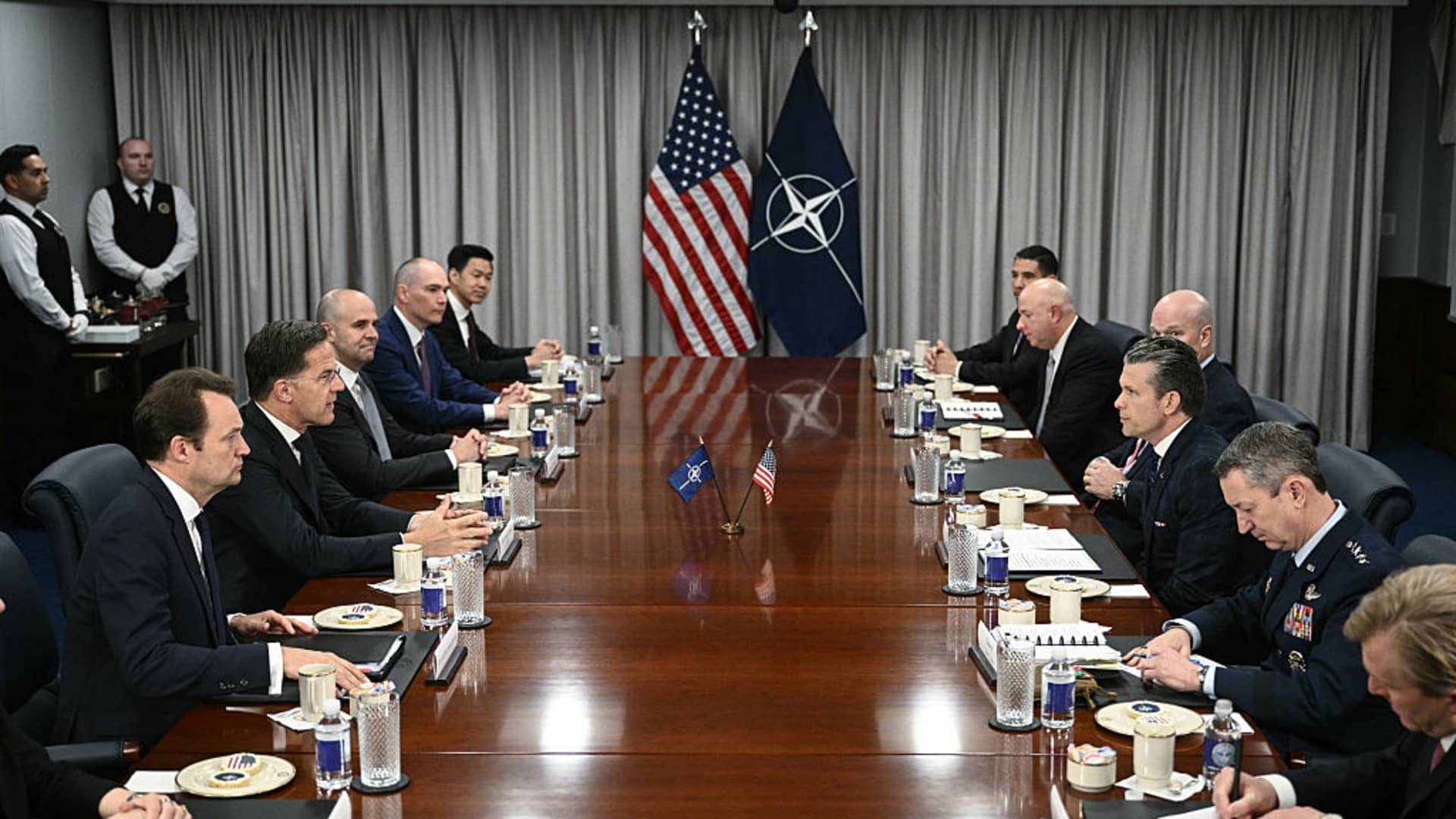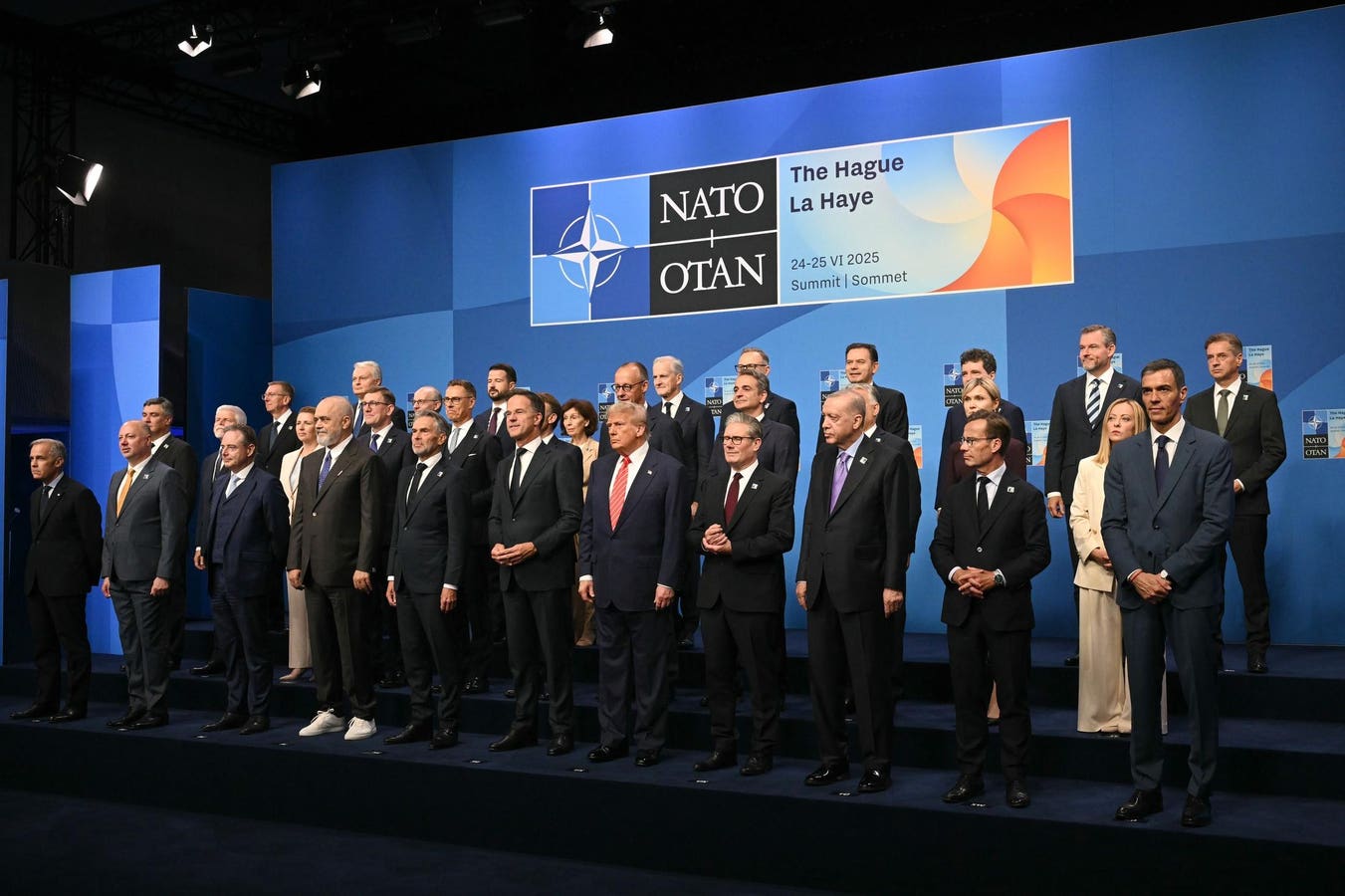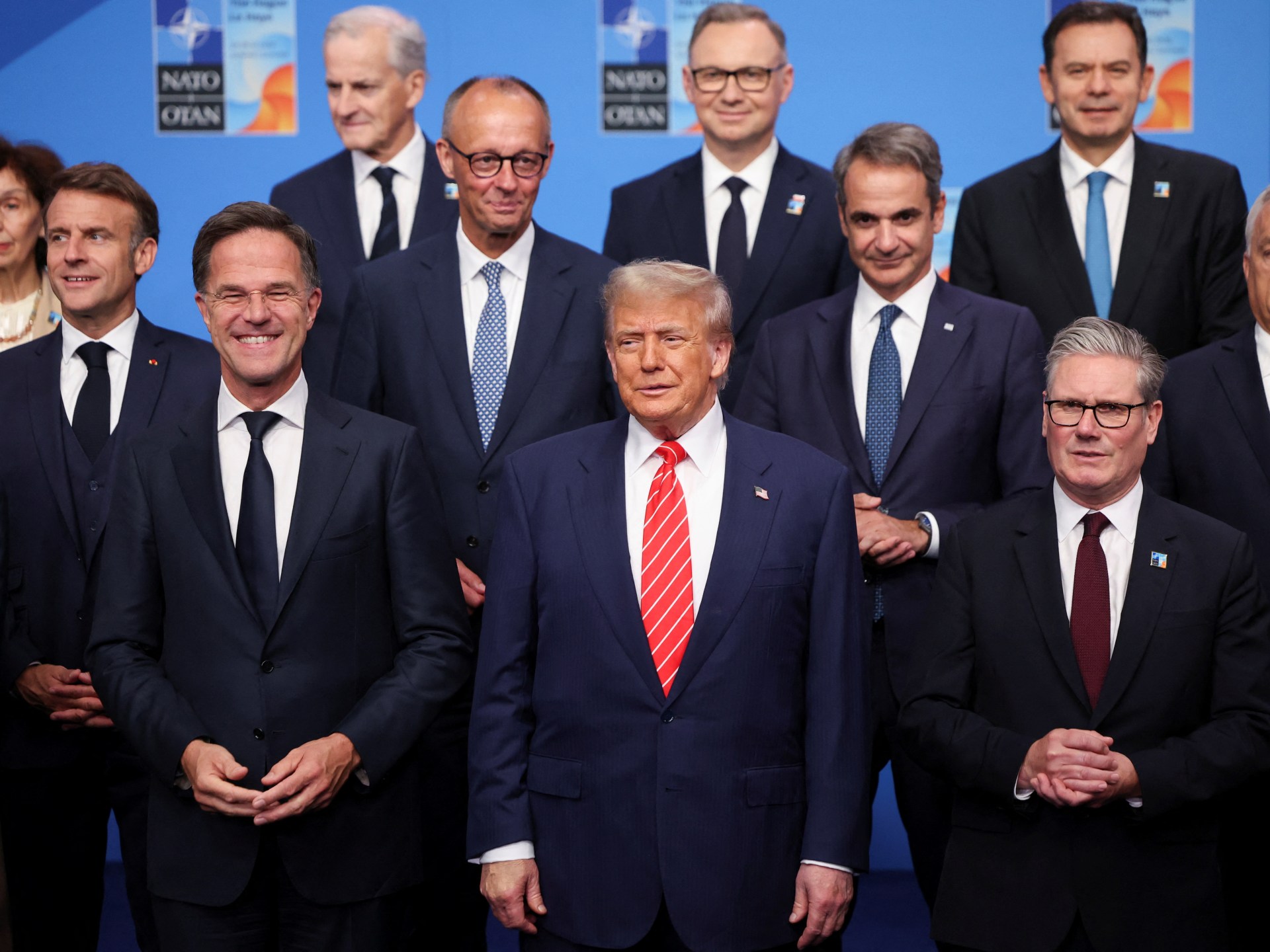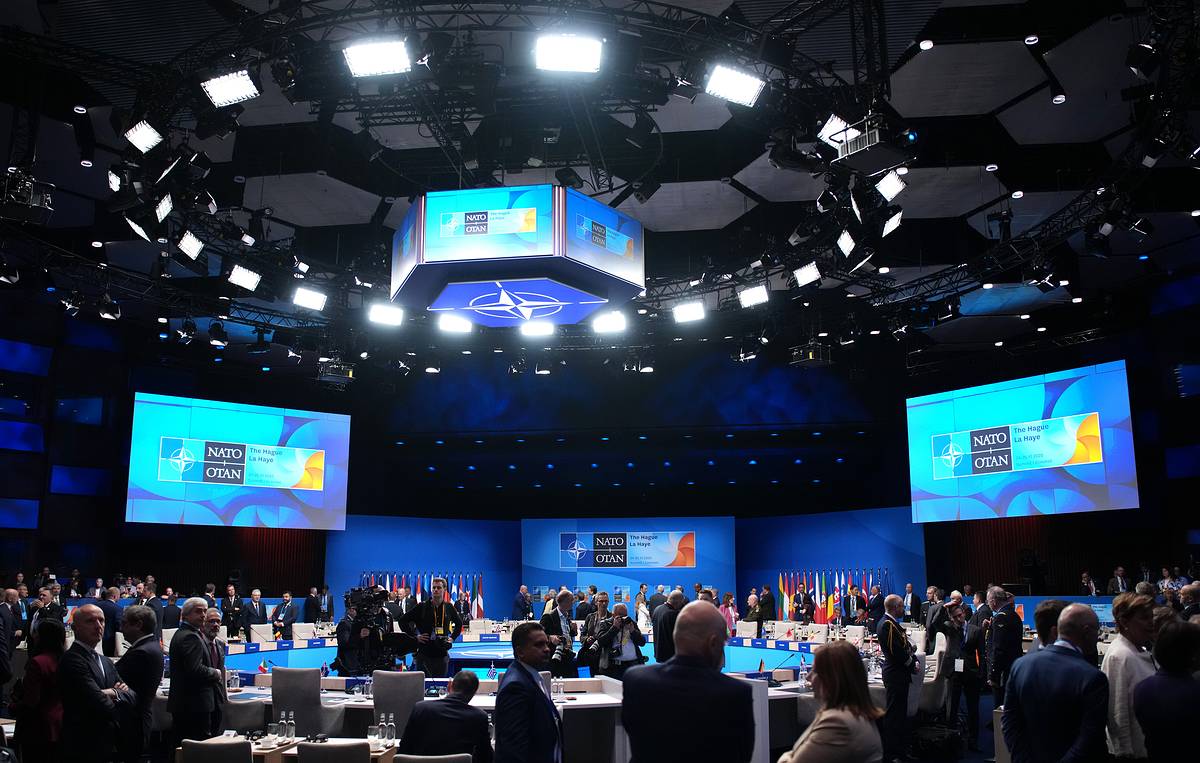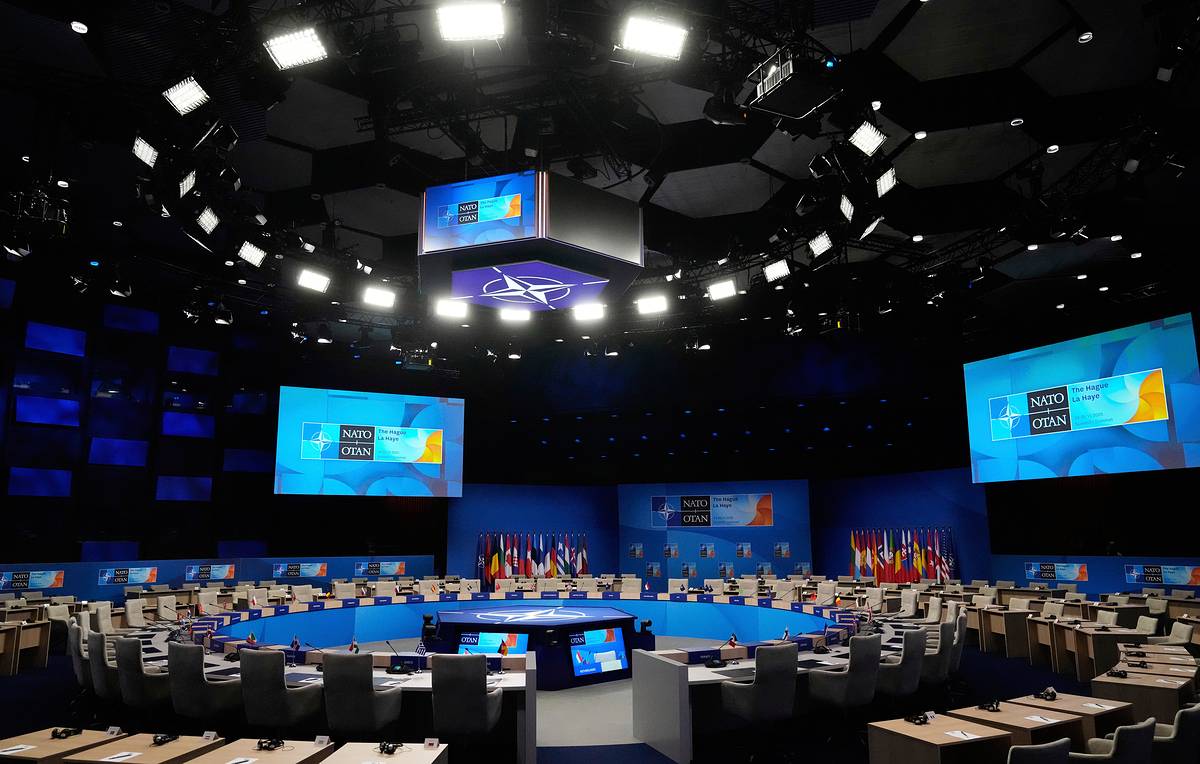
Before this week’s annual NATO summit had even begun, allies reportedly agreed on Sunday to hike their defense spending to 5% of gross domestic product (GDP) by 2035. Getting to that target, however is another matter.
The 5% figure is made up of 3.5% of GDP that should be spent on “pure” defense, with an extra 1.5% of GDP going to security-related infrastructure, such as cyber warfare capabilities and intelligence.
The Western military alliance’s move on Sunday — when NATO ambassadors reportedly agreed in principle on a compromise text on the spending rise — showed member states were ready to acquiesce, at least publicly, to Washington’s demands for allies to pull their weight when it comes to defense and security.
But one chart, based on NATO estimates for members’ defense spending in 2024, shows what a tall order a 5% target will be for the 32 member states, with some struggling to even meet the 2014 pact to spend of 2% of GDP on defense.
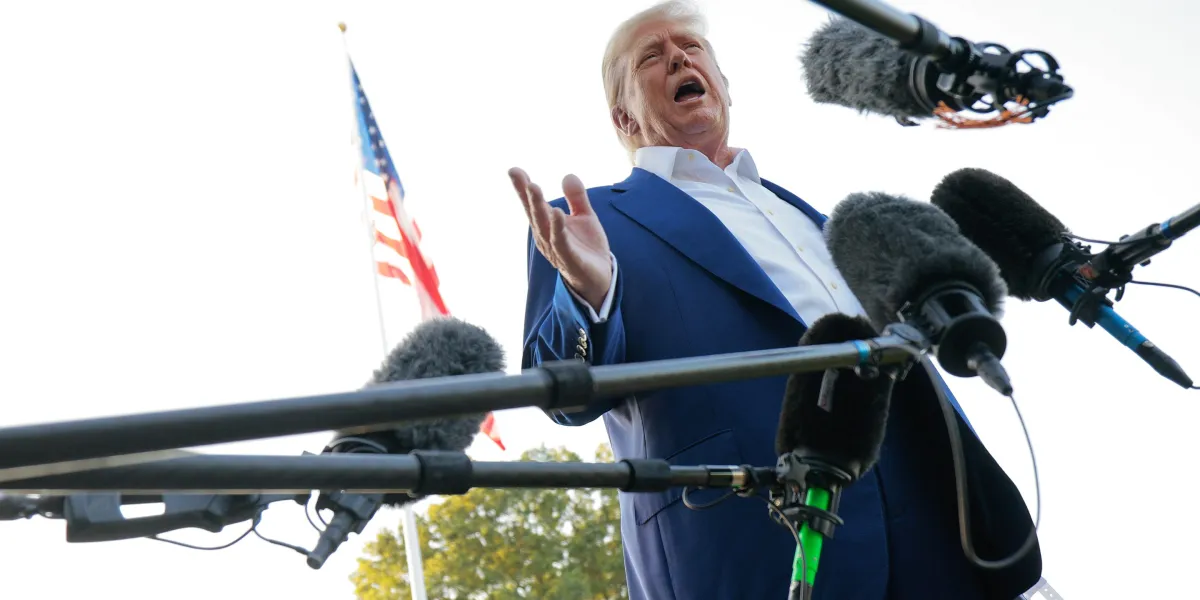
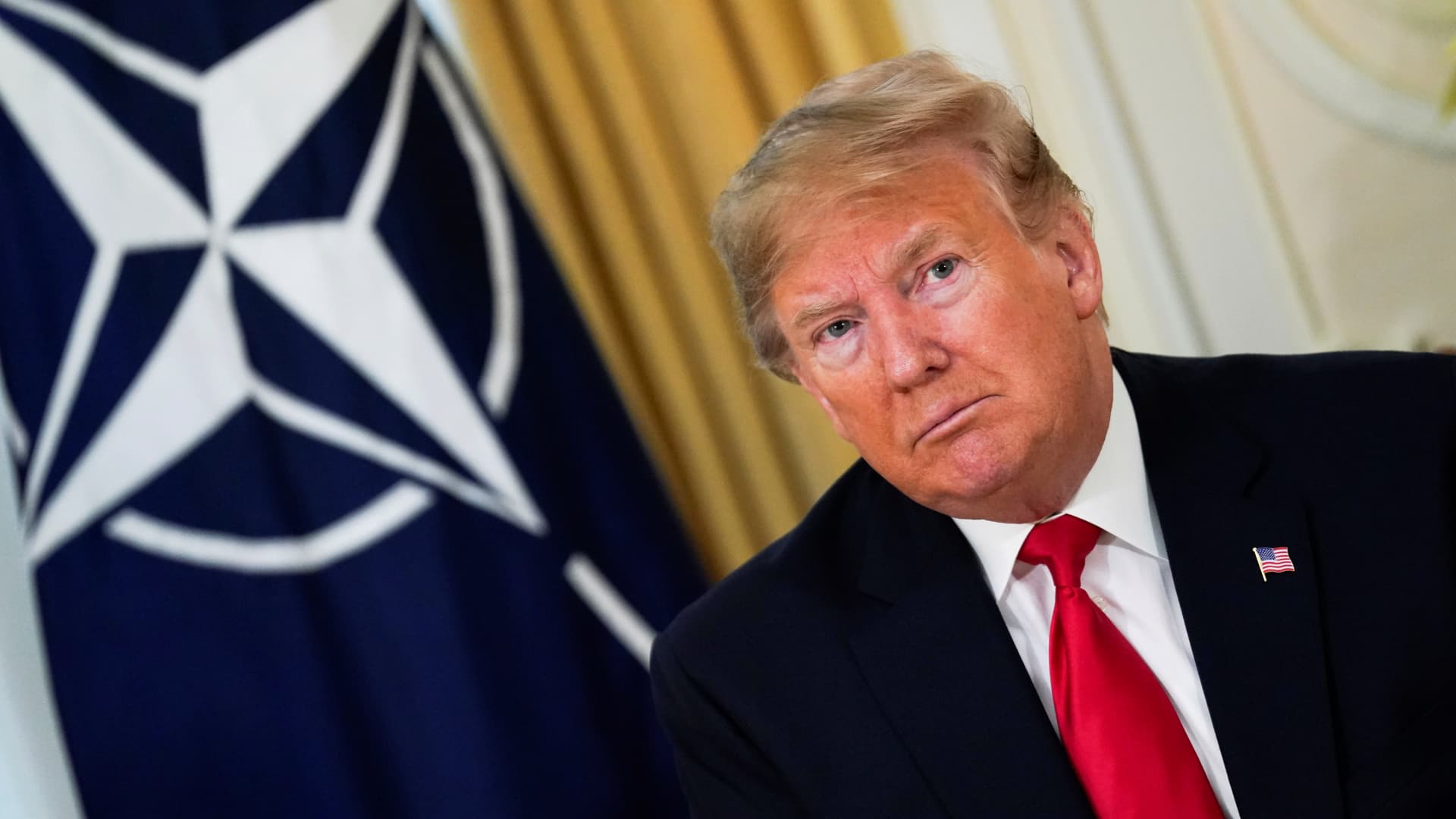
Defense spending has long been a thorny subject for NATO members, and a persistent source of irritation for U.S. President Donald Trump, who was demanding that allies double their spending goals from 2% to 4% of GDP all the way back in 2018.