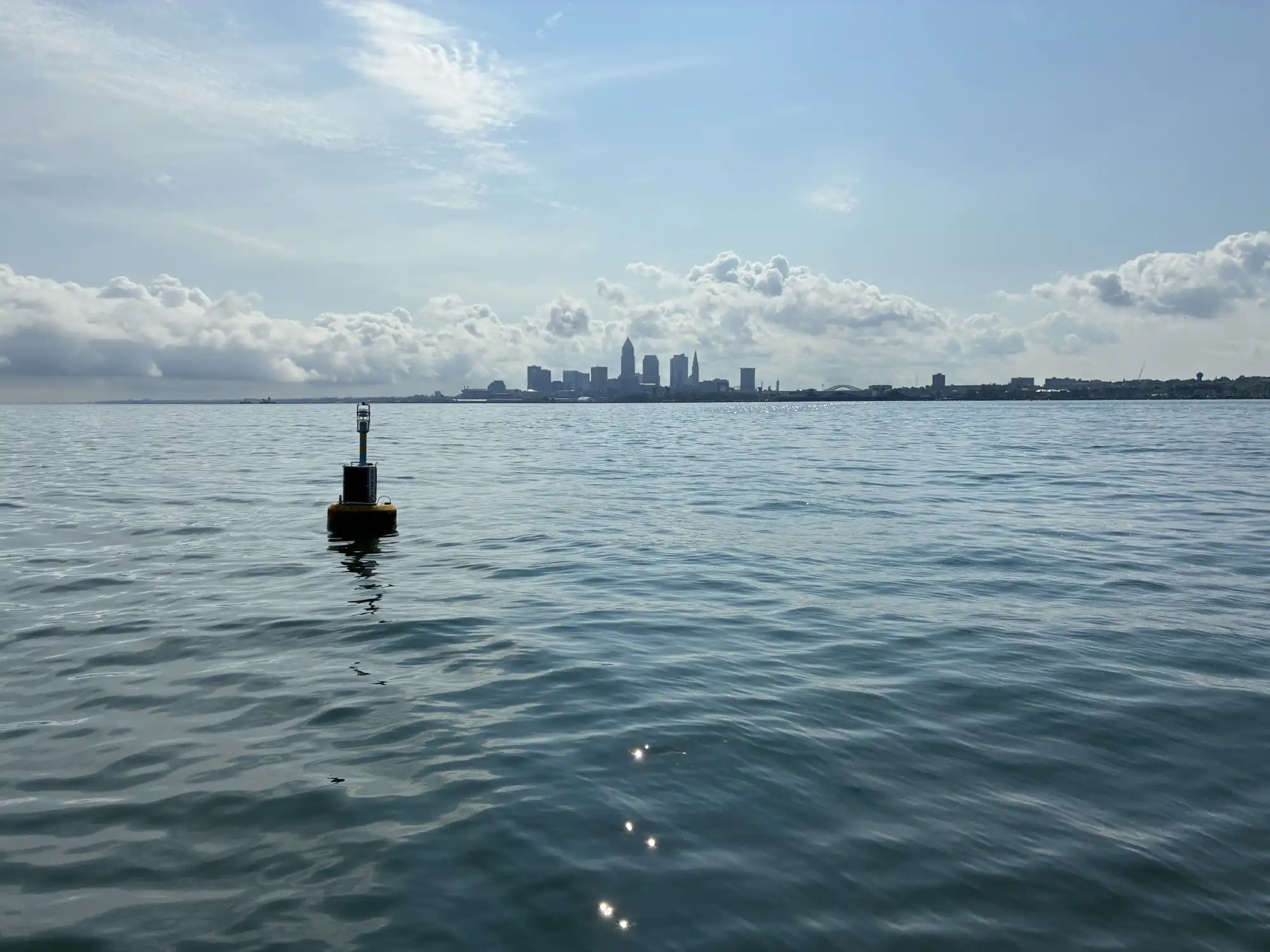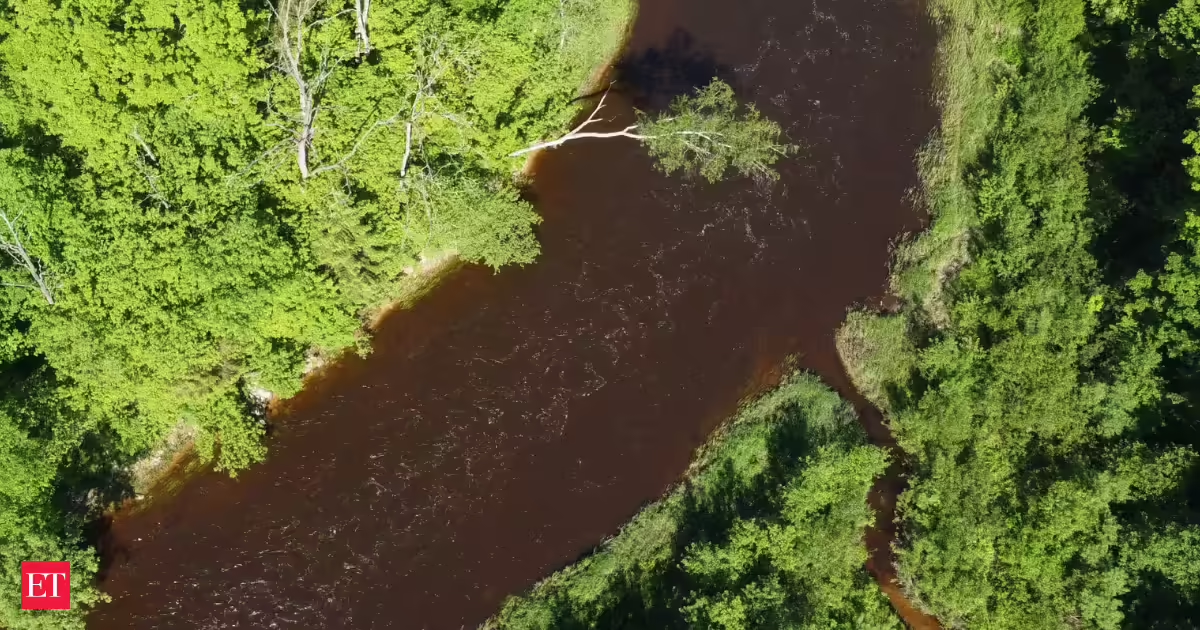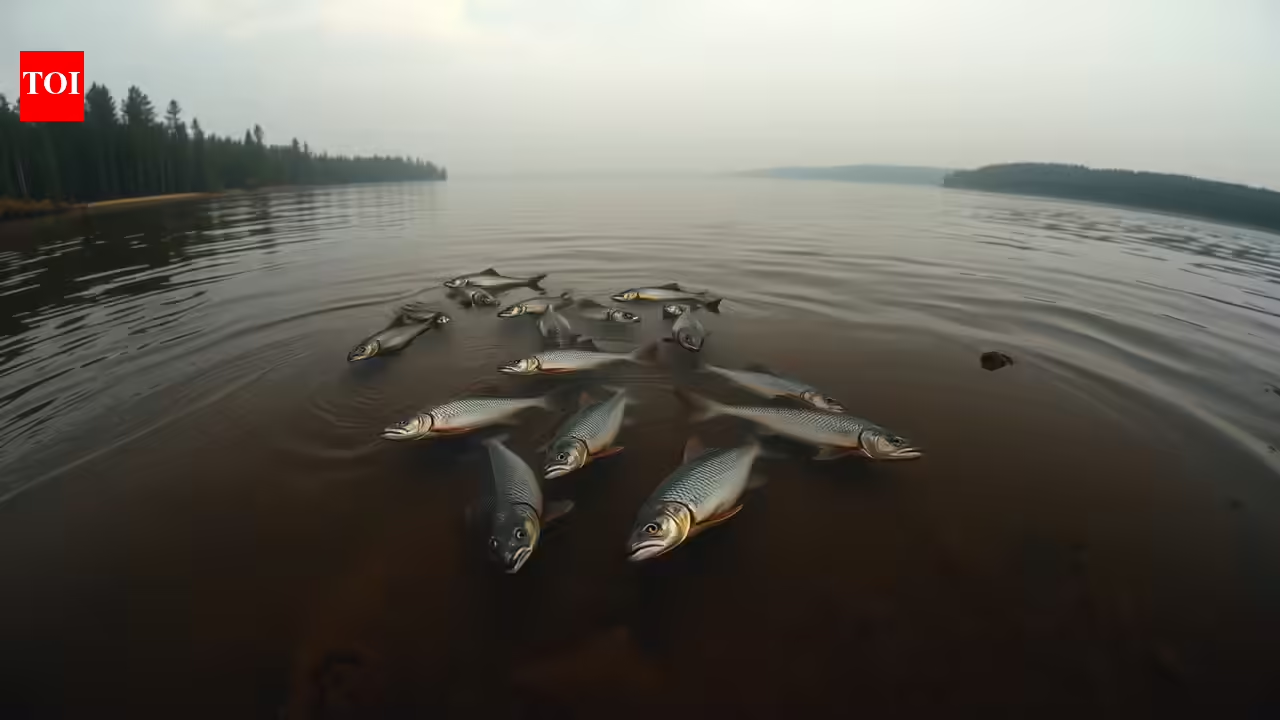
Dusk over Lake Ontario at Rotary Park in Toronto, Ontario, Canada. Image Credit: Wikimedia CommonsOntario’s crystal-clear lakes are slowly becoming cloudier, and the biggest changes are appearing in waters once considered the clearest.A recent study in the Canadian Journal of Fisheries and Aquatic Sciences found that Ontario’s lakes have become steadily darker over the past 60 years, with the sharpest decline in nutrient-poor lakes that were once especially clear. The research was based on data collected from 684 lakes over the years between 1962 and 2023, thus making it one of the most extensive studies on the topic within Canada.As the study revealed, the increase in concentrations of dissolved organic carbon (DOC) is what makes many lakes cloudy. This phenomenon, also known among scientists as “brownification,” has become more pronounced in recent years, especially since 2008.Six decades of observation show the obvious patternThe research, led by Alexander J. Ross and colleagues, combined historical and recent data from two provincial monitoring programmes. Specialists compared the amount of dissolved organic carbon in water with Secchi depth. The standard method measures water clarity with a black-and-white disc lowered into the water until it disappears from view.As stated by the article, published in the Canadian Journal of Fisheries and Aquatic Sciences, Ontario's lakes have lost water clarity ever since 1962; the biggest drop in clarity happened within the last fifteen years. The most pronounced changes are observed in oligotrophic lakes, which are low in nutrients and thus are supposed to be very transparent.The darkening does not signal contamination; instead, it points to more naturally formed organic material washing from forests and wetlands into lakes. The more of it dissolves in water, the more lakes become tea-colored, limiting light penetration at the same time.What is the brownification of the lake?Brownification is the process in which dissolved organic carbon accumulates in freshwater. This process has been observed by scientists from the Northern Hemisphere in the past few decades. The Ontario study found higher dissolved organic carbon levels and lower water transparency, especially in oligotrophic lakes. Previous studies had also revealed similar trends in eastern Canada, indicating that many of the freshwater systems were undergoing change rather than isolated events.Researchers point to several possible causes. Scientists say forest recovery from acid rain, changing precipitation patterns, more intense storms linked to climate change, and increased runoff could add more organic matter to the lakes.Lone SUP paddler on Lake Ontario. Image Credit: Wikimedia CommonsReasons for the greatest changes in clearer lakesAnother interesting finding in the study was that oligotrophic lakes suffered the biggest losses of clarity. These ecosystems have long provided cold, oxygen-rich conditions that benefit fish such as lake trout. The water in these ecosystems was naturally very clear; thus, even small amounts of dissolved organic carbon could have a significant impact.These findings are important because they show that not all lakes respond in the same way.Darkened water changes lake ecosystemsChanges in water colour affect more than appearance.Plants and algae need light for photosynthesis in the water bodies. Less light reaching deeper waters leads to changes in plant life and the habitats of fish and other aquatic insects.According to the recent study by the researchers of the US Geological Survey, there was a significant increase in dissolved organic carbon, leading to a decline in water transparency in the nearshore zones of the Laurentian Great Lakes from 2002 to 2022. The scientists stated that the increased levels of DOC greatly explain the decrease in light penetration.Recent studies reviewing freshwater ecosystems in North America and Europe suggest that browning lakes affect fish populations. Fish that depend on clear water, such as trout and some bass species, become less common, while species adapted to darker water, such as northern pike and walleye, may gain an advantage.Scientists emphasise that these biological responses differ between lakes and depend on local environmental conditions.The relevance of the findings outside of CanadaEven though the study was done on the Ontario lakes, its conclusions will resonate with people outside the country, since it is not the only region where the issue of browning of freshwaters has been observed. Decades-long observations are an important source of information about how the processes associated with climate change, human activities, and restoration of ecosystems develop. The study authors stress that an understanding of such long-term patterns is necessary for the protection of biodiversity in freshwater bodies of water and the management of the lakes used as sources of drinking water and fishing grounds.The study also underscores the need for continued lake monitoring. Without decades of data, slow environmental changes like brownification are easy to miss.Over time, iconic Canadian lakes could lose some of their characteristic clarity. According to the study, the lakes once considered the most pristine have changed the most.
Ontario lakes have been turning browner for 60 years, and scientists say the clearest water is disappearing fastest in the province’s poorest lakes
Ontario’s crystal-clear lakes are slowly becoming cloudier, and the biggest changes are appearing in waters once considered the clearest.
790 words~4 min read