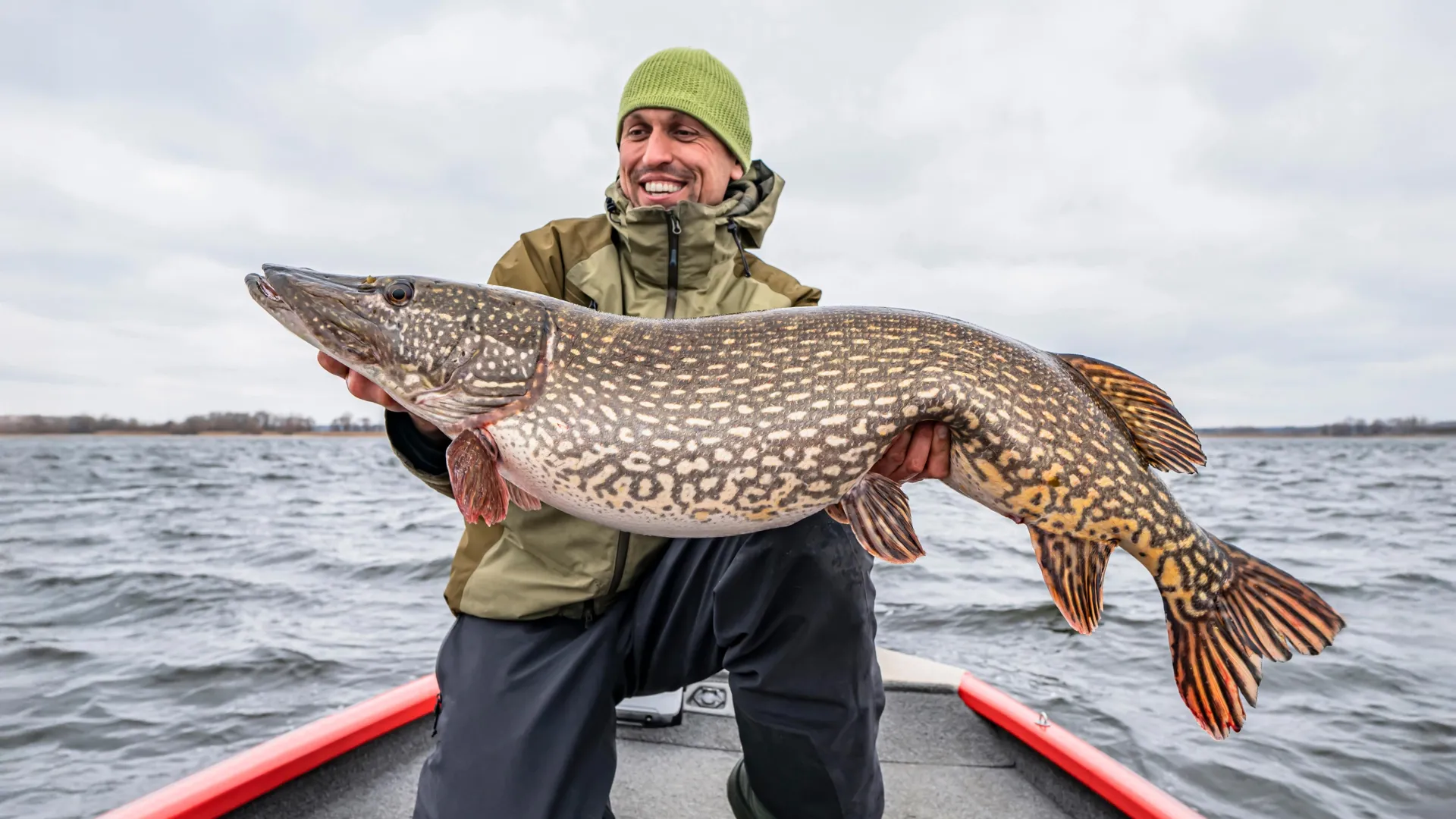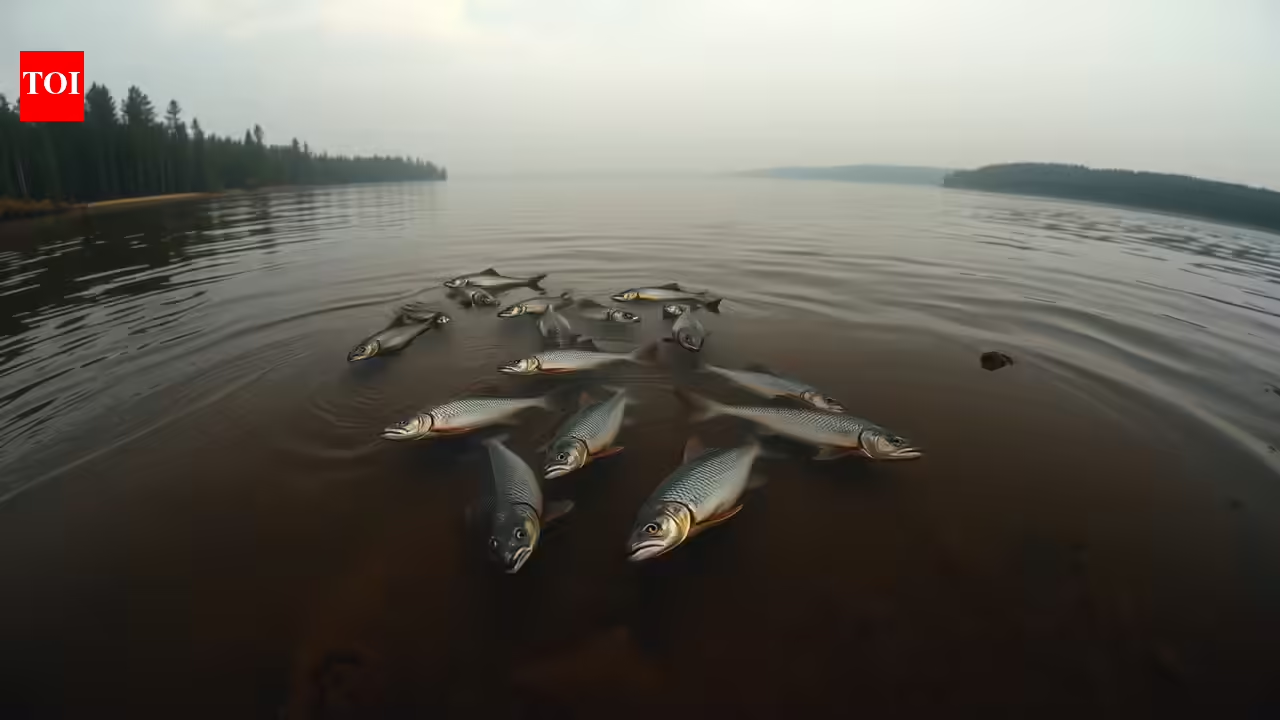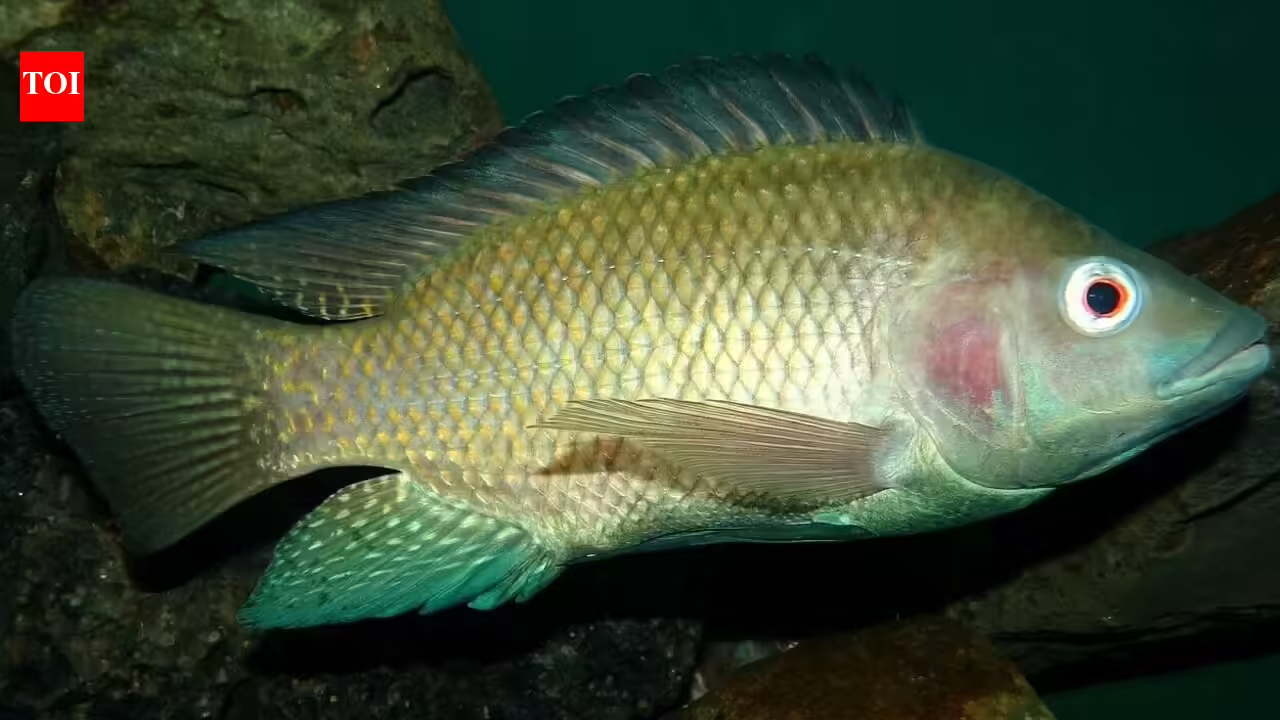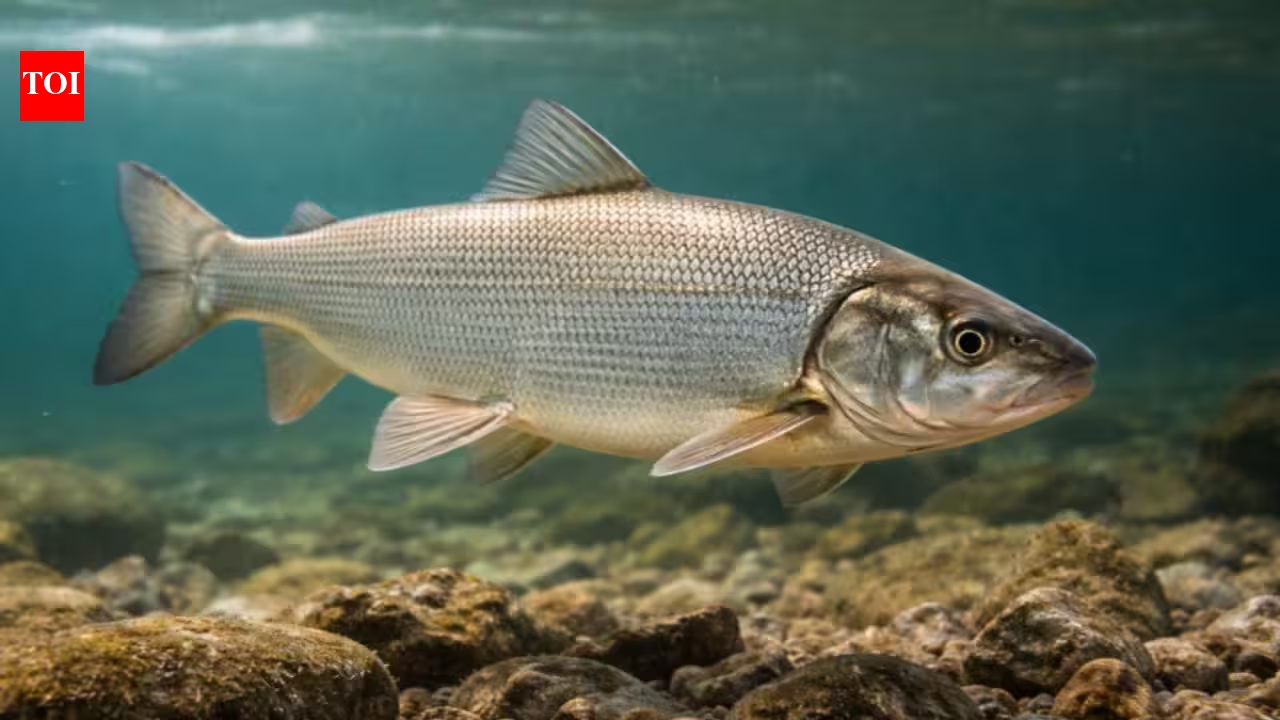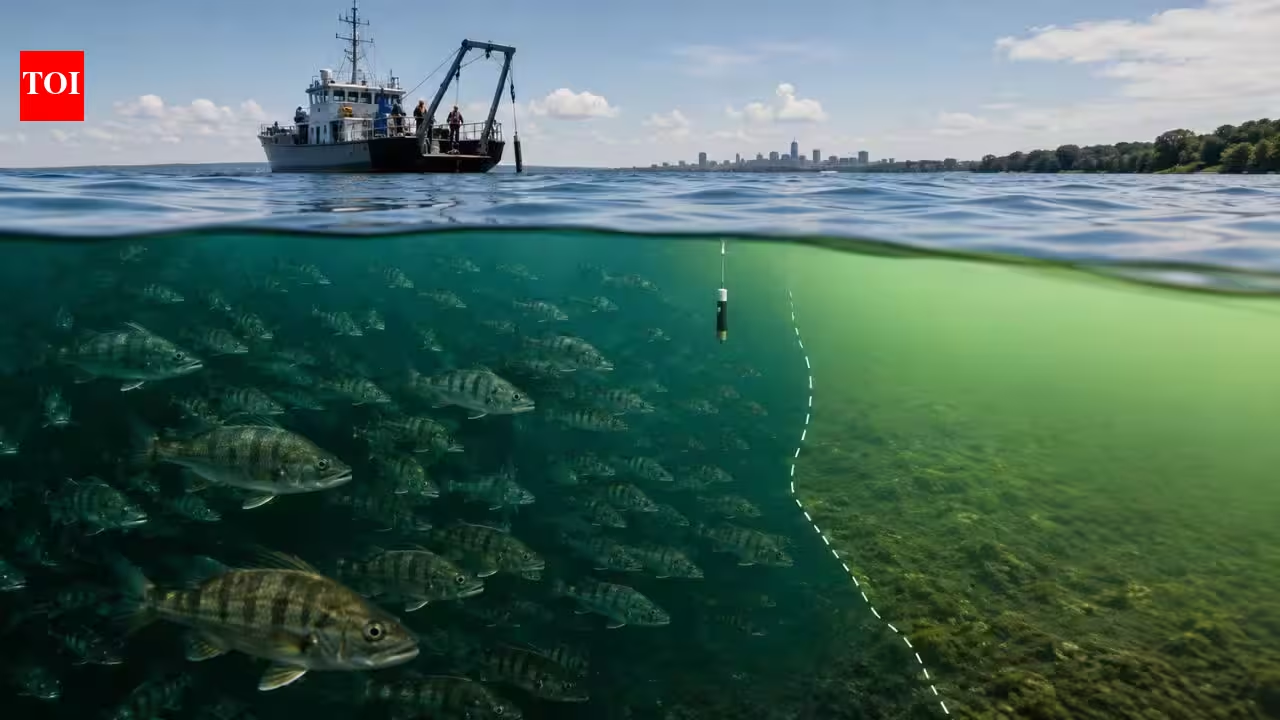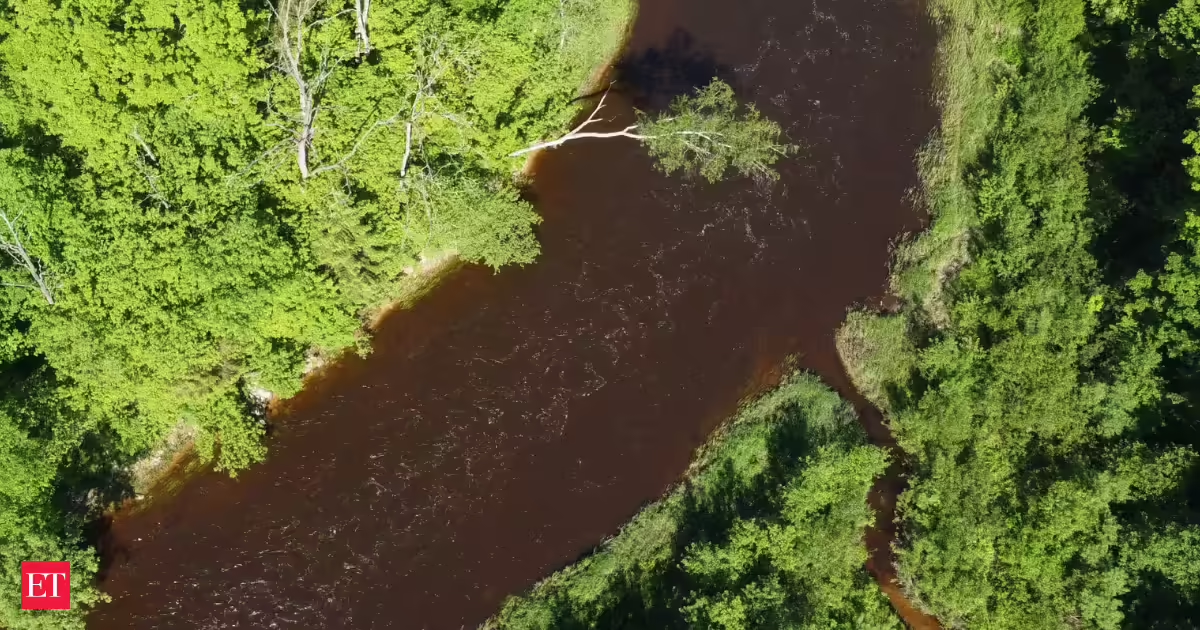
That lake you’ve been fishing for years? It's probably a different color than what it used to be. From the Adirondacks in New York to the lakes of Minnesota, freshwater bodies across much of northeastern North America are taking on a brownish, tea-like color. And the fish in those waters are changing along with them.According to a study titled ‘Differential effects of freshwater browning across fish species: consequences for individual- to community-level fish traits in north temperate lakes,’ published in Biological Reviews by researchers at McGill University, a phenomenon called "freshwater browning" is transforming fish populations in hundreds of lakes across North America and Europe. The findings carry real implications for the more than 43 million Americans who fish freshwater lakes and rivers, according to the Recreational Boating & Fishing Foundation, because the species at the end of your line may not be what they once were.What is freshwater browning?The name says it all: lakes, ponds and streams are visibly darkening. According to the McGill University newsroom, the cause is an increase in dissolved organic carbon (DOC), essentially decomposed plant and soil matter washing into water bodies from surrounding land. It's like steeping a tea bag; the organic compounds turn the water brown.Two forces are working here. According to a study, ‘The browning and re-browning of lakes: Divergent lake-water organic carbon trends linked to acid deposition and climate change’ published in Scientific Reports, climate change and the rebound from decades of acid rain, which resulted from clean-air regulations that cut industrial sulfur emissions, are pushing DOC levels higher in northern lakes. Warmer temperatures mean more runoff and faster movement of organic material from soil into water. And as acid rain decreased, soils recovered, releasing more carbon into nearby waterways. According to the same research, in areas with less historical acid deposition, climate change is now pushing DOC concentrations well above pre-industrial levels.Smallmouth bass are struggling as US lakes get darker. Image Credits: Wikimedia CommonsWhich fish are suffering, and which are winningFish in browner waters tend to grow more slowly, according to the Biological Reviews study. This diminished individual growth rate appears to reduce the overall population size and, consequently, alters the mix of species present in a given lake. But not all fish are affected to the same degree.According to McGill University, the research team studied data from 871 lakes across North America and Europe for eight economically important species. They found that browner waters were associated with lower abundances of lake trout, yellow perch, largemouth bass, smallmouth bass, and lake whitefish, but higher abundances of northern pike and walleye.The reason comes down to biology. According to Biological Reviews, walleyes have a specialized retina that allows them to see in low-visibility conditions, giving them an advantage when hunting in murky water. Northern pike make different compensations. They have a well-developed lateral-line system, a sensory organ that detects vibration, movement, and pressure changes in the water, so light levels are far less important to their survival.Bass and trout, which rely much more on vision, are at a distinct disadvantage. Researchers also examined 303 Canadian lakes and found fish populations in darker water were significantly more likely to have species with larger eyes, a characteristic associated with low-light environments, according to McGill University. Browning is changing not only which species persist but also the morphology of entire fish communities.The double threat: browning plus warmingFreshwater browning rarely acts in isolation. According to a 2024 study, ‘Concurrent warming and browning eliminate cold-water fish habitat in many temperate lakes,’ published in the Proceedings of the National Academy of Sciences, by researchers Stephen F. Jane and colleagues, lake surfaces are warming globally while DOC levels are rising at the same time, and together, these two changes create what researchers describe as a "oxythermal squeeze" for cold-water fish. Browning brings warmth closer to the surface and draws down the dissolved oxygen in deeper, cooler layers where species such as trout rely for refuge.Unlike most species, walleye are winning in America's browning lakes. Image Credits: Wikimedia CommonsThe same PNAS research found that a long-term analysis of lakes in New York’s Adirondack region showed that surface temperatures were warming twice as fast as the average trend for temperate lakes, and that bottom-water oxygen was declining far faster. Most of the study lakes experienced seasonal loss of suitable habitat or extreme restriction of the water column that trout could occupy viably.What anglers can do right nowThe fish mix at your local lake may already be changing. If the water is noticeably darker than it was a decade ago, walleye and pike are likely increasing in numbers while bass and trout are dwindling.Tactics may need to change as well. According to Biological Reviews, in darker water, brightly colored or shiny lures that rely on sight lose much of their effectiveness. Vibrating lures that trigger a fish's lateral line or scented lures that work through smell may perform better for the species now thriving in browning conditions.Vibrating lures that trigger a fish's lateral-line response or scented lures that work through smell are likely to perform better for the species now thriving in browning conditions.The days of fishing are not over, but perhaps the best thing an angler can bring to the water is an understanding of what’s going on beneath the surface.
Cleaner-looking lakes are not always better: As freshwater turns browner across North America and Europe, trout, bass, perch and whitefish decline
Explore the phenomenon of freshwater browning affecting lakes across North America and Europe, and its impact on fish species such as trout, bass, and perch. Discover how climate change and acidic soil recovery are transforming aquatic ecosystems.
880 words~4 min read