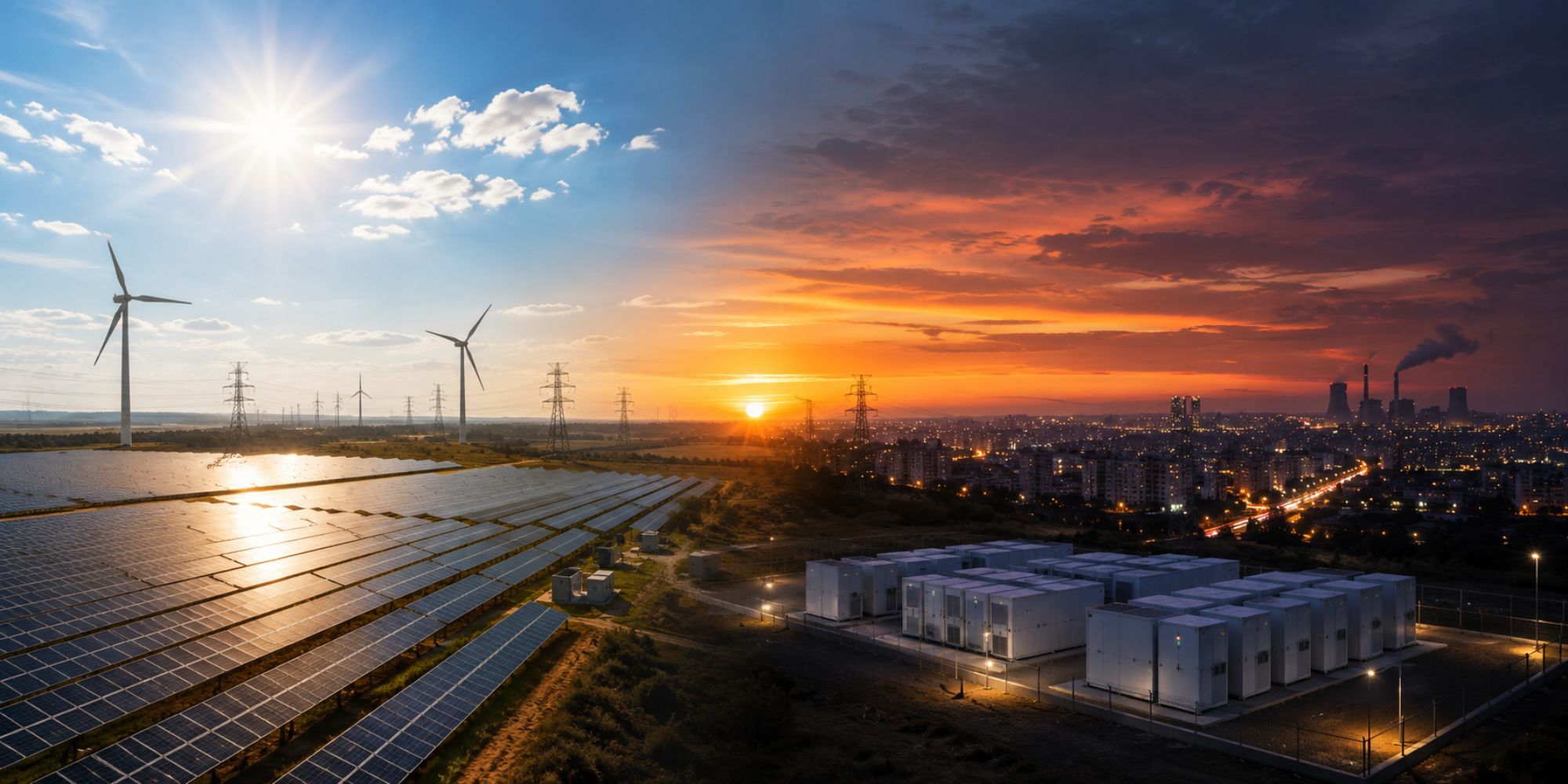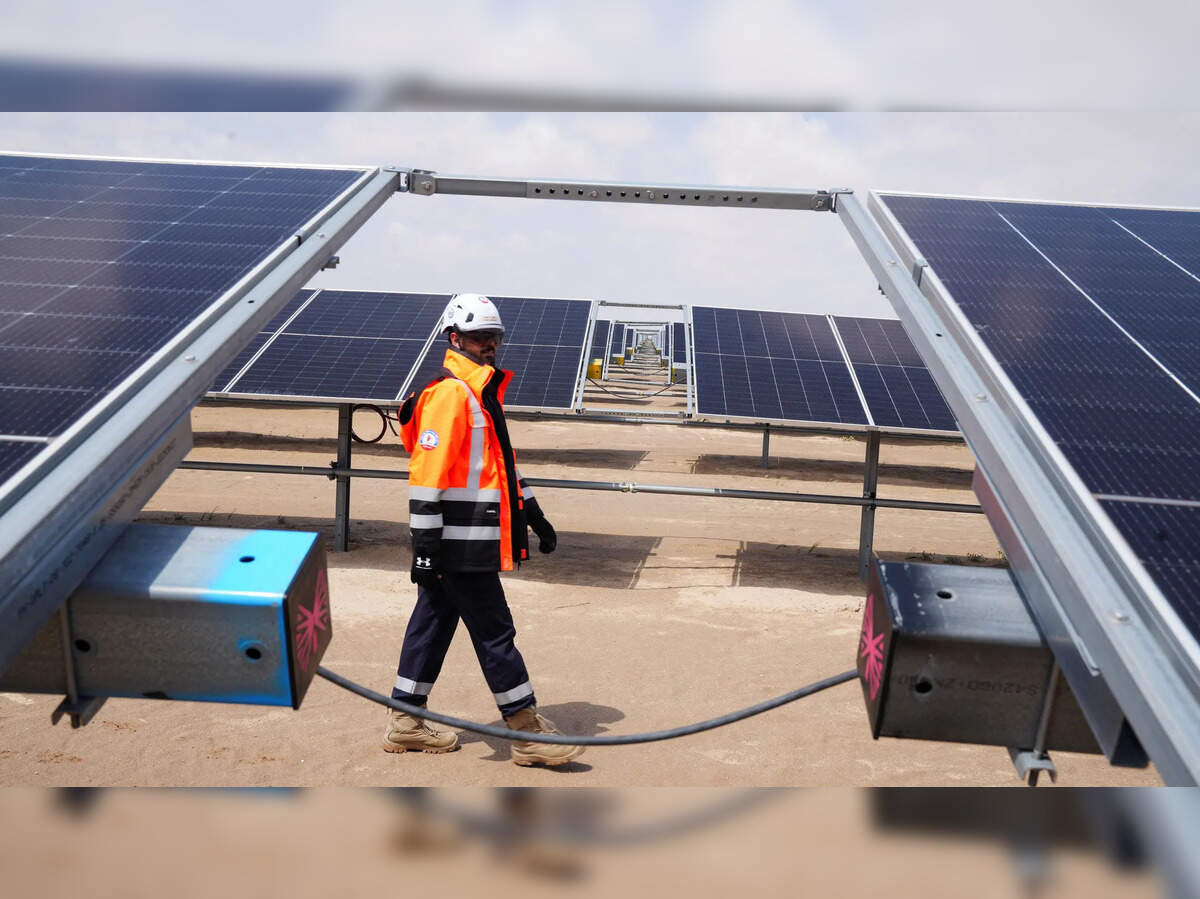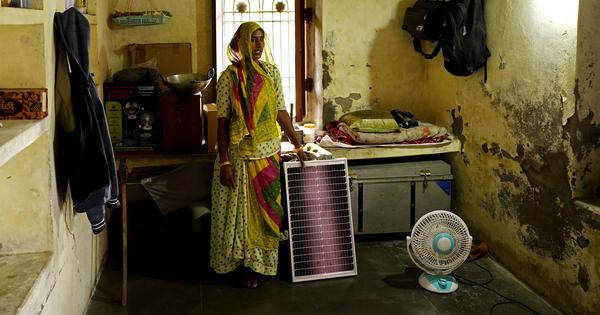
New Delhi: That India solar power capacity has increased manifold and is contributing significantly to meeting the high power demand, especially during peak summer months, is now an established fact. But this growth, while helping meet the daytime surge in power demand, is also adding to grid stress, according to a new working paper by the Economic Advisory Council to the Prime Minister (EAC-PM).
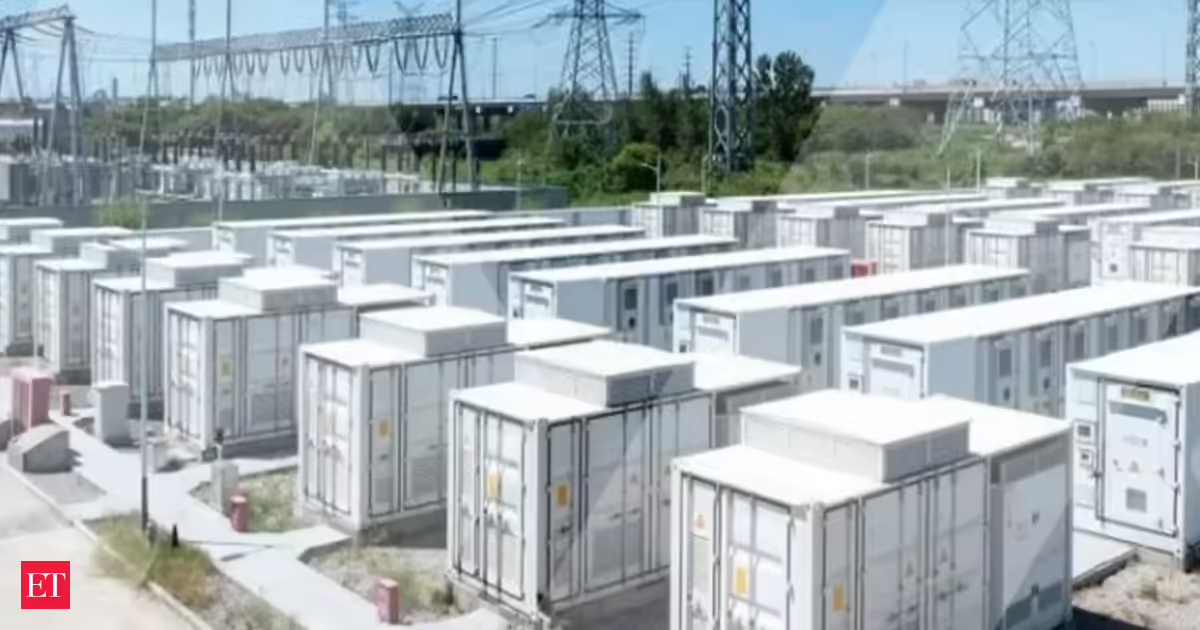
India’s solar capacity increased to over 157 GW by May 2026.The share of solar power in total installed capacity has increased from a meagre 2 percent in 2015-16 to 29 percent as of May 2026.Giving examples across three comparable summers—2023, 2025 and 2026—the paper, written by Sanjeev Sanyal, EAC-PM member, and Satvik Dev, an IRS officer, argues that the growth in renewables without “concomitant and adequate growth in storage, and without implementation of other net load smoothening policies will add to grid stress”.
The paper has kept 2024 out of the analysis since it was one of the hottest years on record and does not yield comparable figures.Three signals show the stress, Sanyal wrote on X Tuesday. “First, prices: in May 2026, power on the IEX day-ahead market averaged Rs 1.11 per unit at midday but Rs 9.71 at night. Second, curtailment: about 24 GWh of solar was wasted daily in May. Third, shortages: the grid fell short of non-solar-hour peak demand on 36 days in April-May, compared with only 6 days for solar-hour peak demand.” How grid functioned 21 May 2026