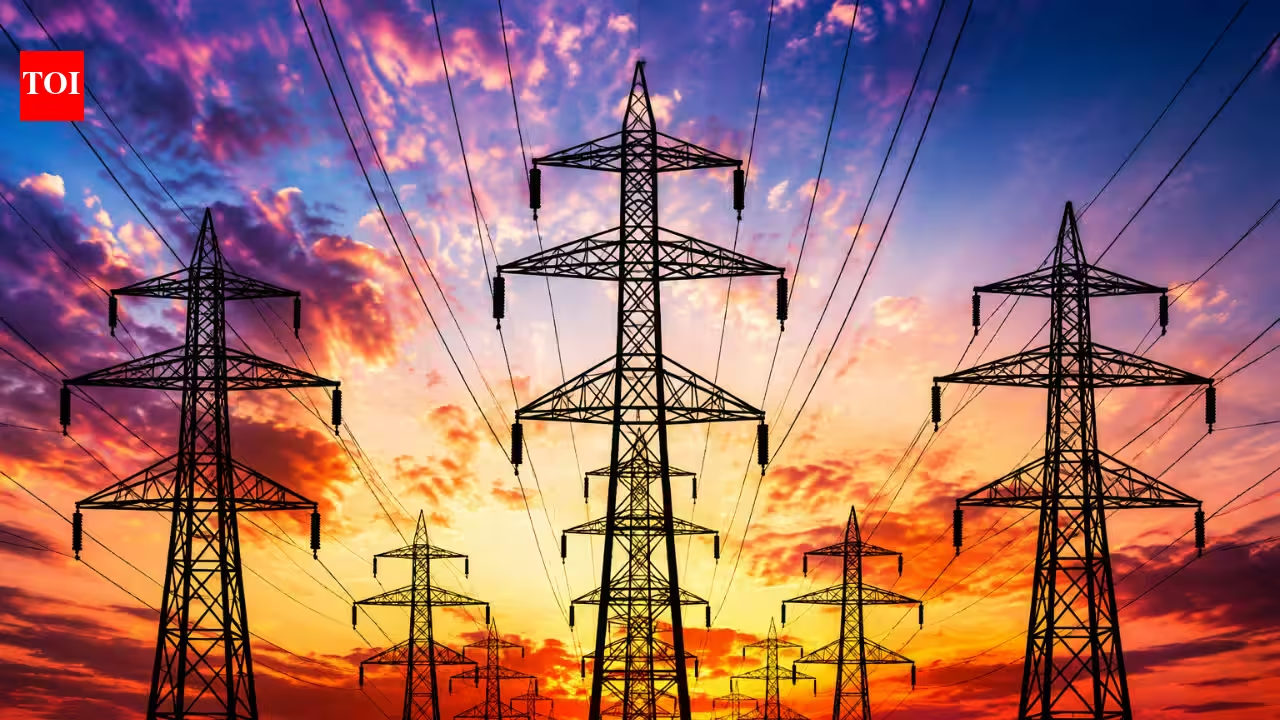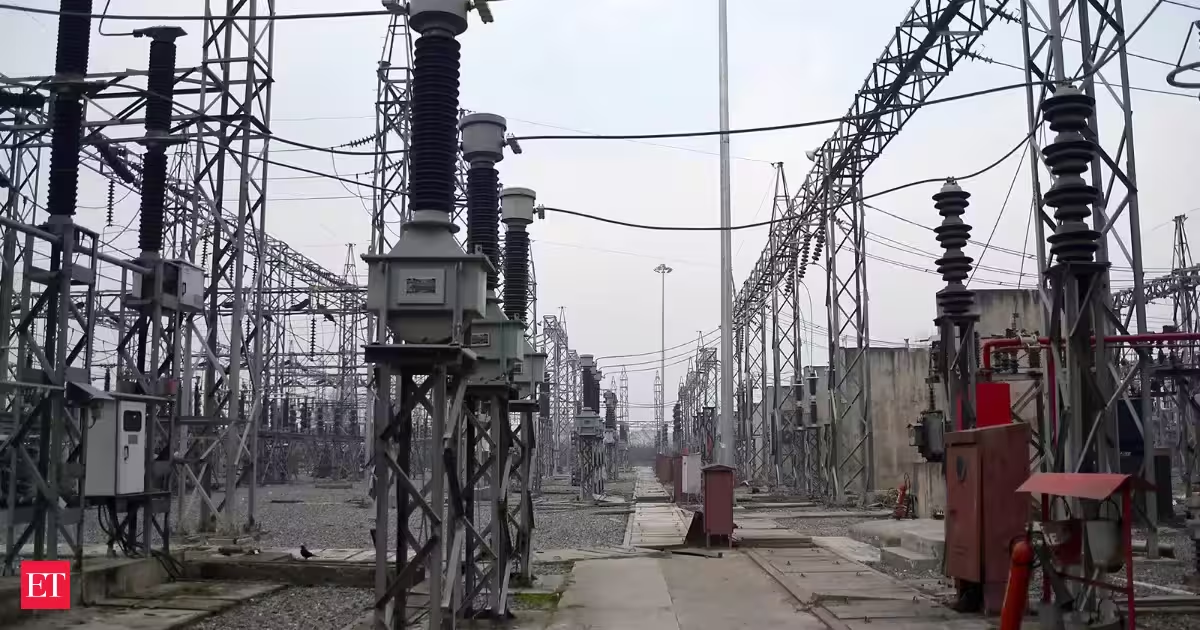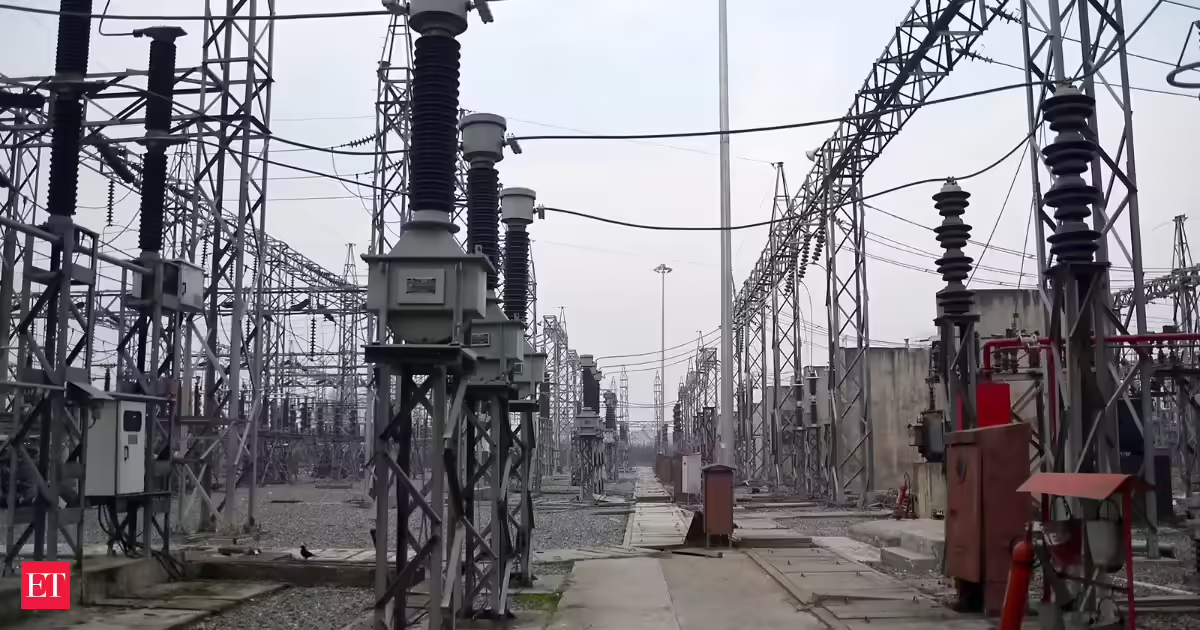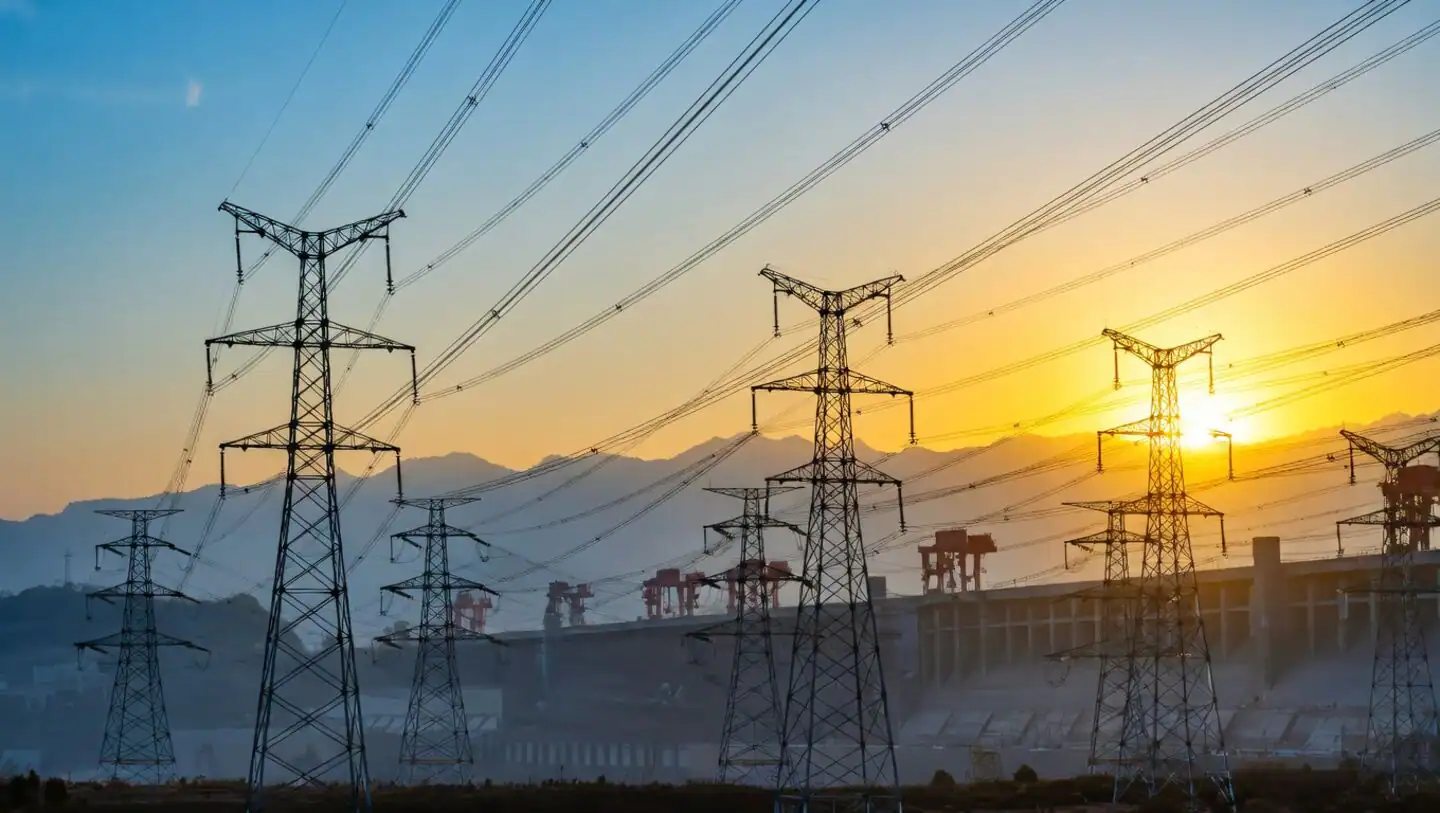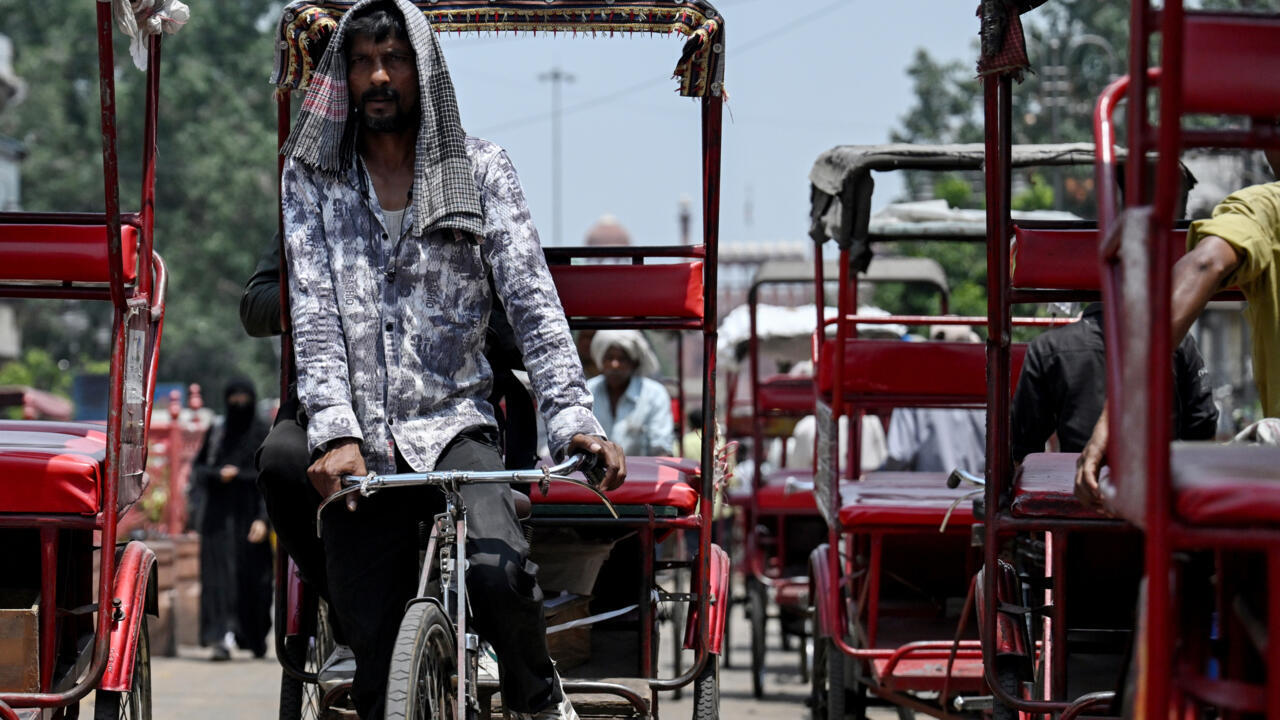
India’s electricity demand has surged earlier than expected this year, with peak demand touching an all-time high of 256.1 gigawatts (GW) on April 25. (The country followed up with higher records on May 19 and May 20). Nearly one-third of this peak demand was met through renewable energy (RE) sources. While the national grid held up without any shortage during solar hours, the non-solar hours saw a deficit of 2% (4,243 megawatts) on the same day.What is peak demand?Peak demand refers to the highest point of electrical power consumed on a grid over a specific period, typically a 15-minute interval. While peak demand is a single instant, it occurs during 2 to 4 hours of higher-than-average demand or ‘peak demand period’. Summer months may cause longer peaks from late afternoon to evening hours and then during the night due to cooling loads (from air conditioners and coolers). Similarly, winter peaks can last longer in the morning (between 6 a.m. and 10 a.m.) and evening (between 6 p.m. and 9 p.m.) due to increased heating and lighting loads during these hours, particularly in the northern States.Paying heed to the duration of these peaks is important because even though they occur only for a short period, the grid needs to meet the peak load instantly. In fact, the entire power sector infrastructure (generation, transmission, and distribution capacity) needs to be planned to deal with this peak. But this is easier said than done. Building a system to serve the periods of highest load that last only for a few hours is neither resource-efficient nor economical. If enough capacity is built to meet the peak demand, it will remain underutilised during off-peak hours. On the other hand, if enough capacity is not available to meet the peak demand, then the system will face issues like load shedding and grid instability.How do States manage demand?States meet demand through two mechanisms: contractual supply and power exchange purchases. Contractual supply comprises the long-term power purchase agreements (PPAs) that State distribution companies (DISCOMs) sign with power generators to ensure power supply over several years. This helps the DISCOMs in meeting the average demand for their consumers. Almost 85%-90% of the demand in India is being met through contractual supply or bilateral contracts between the DISCOMs and generators. In the event of real-time mismatches or when the contractual supply falls short due to sudden spikes in demand or power plant or transmission failures, DISCOMs turn to the second mechanism — buying power from power exchanges. At present, around 10%-15% of the electricity is traded on the power exchanges.For managing peaks, States often undertake demand-side measures. Most States have relied on advisories urging consumers to reduce usage during peak hours, typically between 6 p.m. and 11 p.m. Delhi has increasingly utilised measures such as time-of-day tariffs (electricity charges that vary based on the time of day) and smart metering to flatten evening peaks that are driven by cooling demand.What are some challenges faced by States due to rising demand?A steady growth in household electrification, use of air conditioners, electric vehicle penetration, and agricultural power consumption has been driving the increase in India’s electricity demand. In the last 5 years, the country’s peak demand has risen by 37% — from 183 GW in December 2020 to over 250 GW in April 2026. This surge has made it tougher for States to fulfil the electricity requirements.With DISCOMs committed to long-term agreements that are signed at a fixed capacity and price, any shortfall has to be met through power exchanges, which are short-term markets. This exposes the States to price volatility because prices in these markets increase during peak periods. Indian Energy Exchange data shows that electricity prices in the day-ahead market have seen sharp spikes during peak periods, with rates touching the regulatory ceiling of ₹ 10 per kilowatt-hour on several occasions during April and May this year.Another challenge relates to the inadequacy of the distribution network. Infrastructure expansion and upgrades in India’s power distribution segment often lag demand growth, leading to issues with last-mile delivery of power to the end-consumer. Over the last decade, India’s generation capacity has increased by 76% (from 303 GW to 532 GW), its transmission lines have expanded by 47% (from 3,41,551 circuit kilometres [ckm] to 5,01,766 ckm), and the transformation capacity has increased by 115% (from 6,58,949 megavolt-amperes [MVA] to 1,41,63,76 MVA). However, a corresponding expansion in the distribution infrastructure has not happened, and distribution networks continue to face major stress. Recent assessments by the Central Electricity Authority indicate that nearly 13 lakh distribution transformers (DTs) fail annually in India. Some States have low DT failure rates of less than 2%, such as Kerala, while some (particularly the northern States) experience DT failure rates as high as 20%. Further, overloading of transformers and feeders, ageing equipment, and inadequate maintenance continue to compromise last-mile power delivery. Many States experience local outages, especially during peak demand periods, highlighting that their distribution networks are operating close to their limits and need upgradation.The challenge posed by demand surges becomes acute for financially stressed States because they are neither able to procure costly short-term power nor invest in distribution network upgrades. States like Uttar Pradesh and Bihar continue to grapple with high losses, ageing distribution infrastructure, and overloaded transformers.How does RE help?RE has become central to the management of rising electricity demand, particularly during summer peak periods. Since solar and wind power plants have low operating costs, higher RE penetration can also reduce overall power purchase costs for DISCOMs.States with high RE capacity, such as Gujarat and Karnataka, are able to meet daytime peak comfortably as the solar power generation aligns reasonably well with daytime commercial and agricultural demand. But these States face steep evening peaks after sunset, for which they need to increasingly depend on energy storage technologies such as pumped hydro storage (PHS) and battery energy storage systems (BESS). Similarly, Tamil Nadu, with a high wind capacity, benefits significantly from wind generation during the monsoon months, reducing dependence on thermal power. But the State has to resort to market purchases during periods of low wind output to meet the high evening urban demand.However, Punjab, which has a meagre RE capacity and a dominant agricultural load during the paddy-sowing season that coincides with the summer peak, has to rely heavily on hydro imports and short-term market purchases.What needs to be done?Despite its growing contribution, RE cannot help in ensuring a reliable round-the-clock power supply because of its intermittent and variable nature. Also, electricity demand and RE power generation do not always align. Solar power generation falls sharply after sunset, though electricity demand often remains high during evening hours. Similarly, wind generation is seasonal and highly dependent on monsoon conditions. Because of this, States now face the challenge of managing variability and steep evening demand.This is where energy storage technologies like BESS and PHS that enhance flexibility become critical for India’s power system, as they help to balance the grid when the output (power) generated by RE changes suddenly. PHS is already emerging as a key solution in States like Maharashtra, Andhra Pradesh, Tamil Nadu, and Karnataka. At the same time, the grid itself needs to become smarter and more flexible through stronger transmission networks, upgraded distribution systems, and energy efficiency initiatives.With Indian States witnessing more peak demand periods, the challenge is shifting from simply generating more electricity to building a system capable of managing power efficiently across regions and time periods. This calls for substantial investments in storage solutions, along with adopting more demand-side measures like ToD tariffs and agricultural load scheduling.(Rishu Garg is a senior policy specialist in the Energy Policy and Regulations group at the Center for Study of Science, Technology and Policy (CSTEP), a research-based think tank)
How States are managing the surging summer power demand
Explore how Indian states are tackling surging summer electricity demand amidst challenges in supply management and infrastructure.
1,291 words~6 min read